

 EN
EN
 English
 Français
 Español
 عربى
عربىDiaphragm pumps are used across a vast range of industries to transfer corrosive chemicals, abrasive slurries, viscous fluids, shear-sensitive materials, and flammable liquids that would damage or be incompatible with conventional centrifugal or gear pumps. From wastewater treatment and chemical processing to food production, pharmaceuticals, and mining, the diaphragm pump is one of the most versatile positive-displacement fluid handling devices available in modern industrial and commercial operations.
This guide covers what diaphragm pumps are used for in detail — industry by industry, fluid type by fluid type — along with how they work, how they compare to alternative pump technologies, selection criteria, and answers to the most frequently asked questions from engineers and procurement professionals.
Content
- 1 How Does a Diaphragm Pump Work?
- 2 What Are Diaphragm Pumps Used For? Industry-by-Industry Applications
- 3 Diaphragm Pump vs. Other Pump Types: Which Should You Choose?
- 4 Diaphragm Pump Material Selection by Fluid Type
- 5 How to Select the Right Diaphragm Pump for Your Application
- 6 Frequently Asked Questions About Diaphragm Pumps
- 6.1 Q1: Can diaphragm pumps handle gas or air mixed with liquid?
- 6.2 Q2: How long does a diaphragm last before it needs replacing?
- 6.3 Q3: What causes an AODD pump to stall or freeze up?
- 6.4 Q4: Are diaphragm pumps suitable for high-temperature fluids?
- 6.5 Q5: What is the difference between a single diaphragm and a double diaphragm pump?
- 6.6 Q6: Do diaphragm pumps require a pressure relief valve?
- 6.7 Q7: How much compressed air does an AODD pump consume?
- 7 What Are the Advantages and Disadvantages of Diaphragm Pumps?
- 8 Conclusion: Where Diaphragm Pumps Deliver the Greatest Value
How Does a Diaphragm Pump Work?
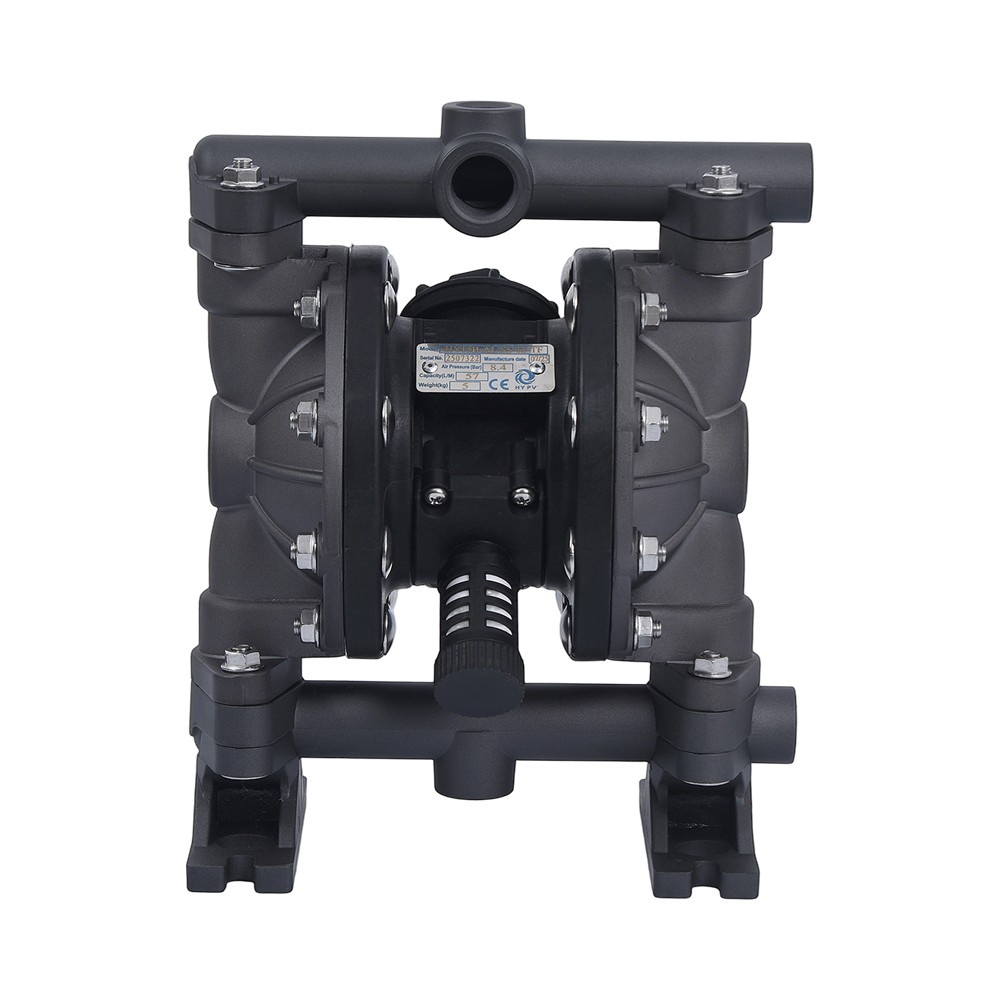
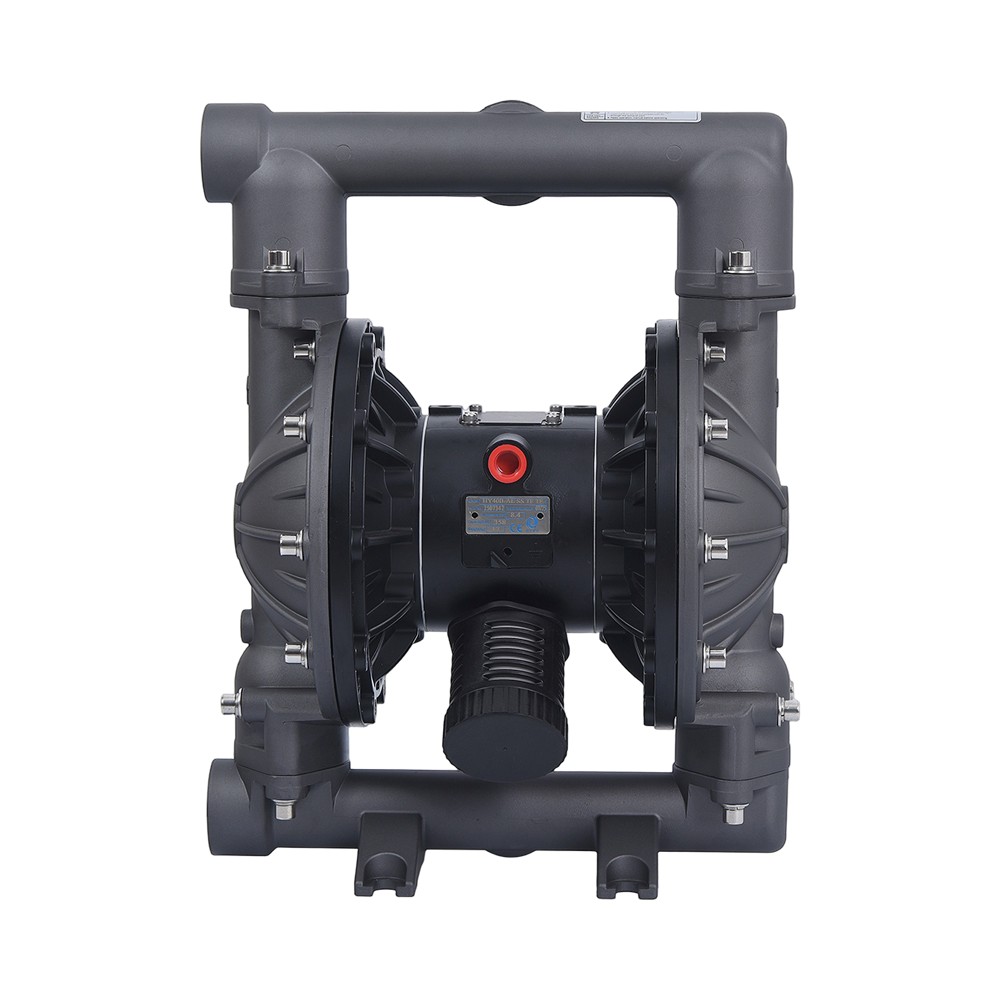
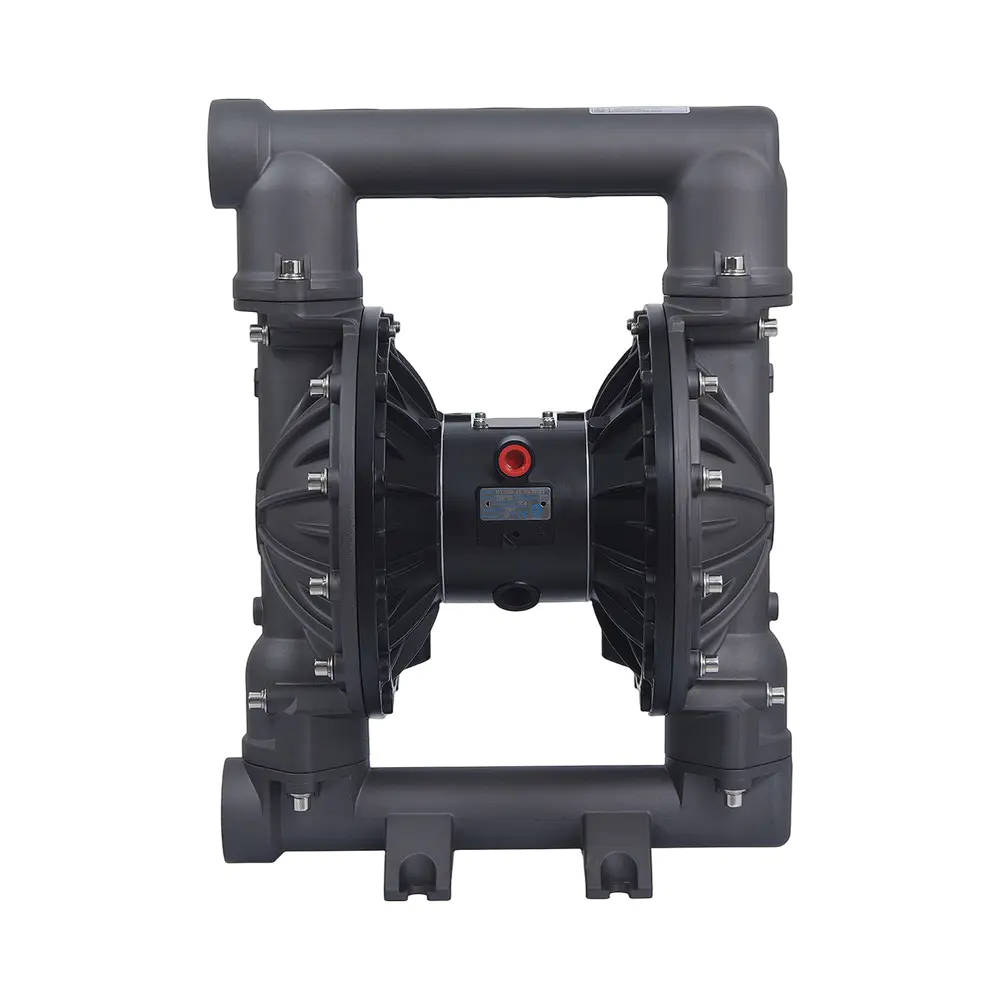
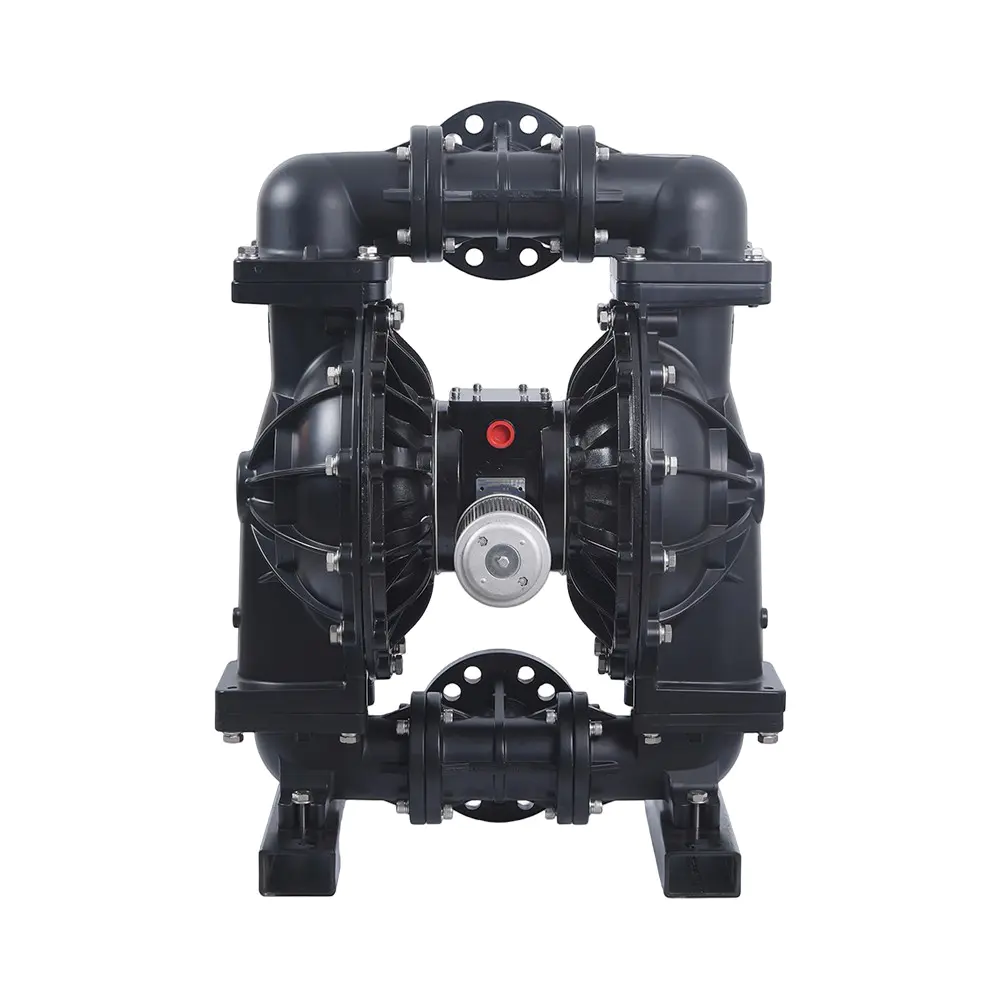
A diaphragm pump works by using a flexible membrane — the diaphragm — that alternately flexes back and forth inside a pumping chamber, creating expanding and contracting volume cycles that draw fluid in through an inlet check valve and expel it through an outlet check valve. This action is entirely seal-free: the fluid never contacts the drive mechanism, making diaphragm pumps inherently leak-proof by design.
The two most common actuation types are:
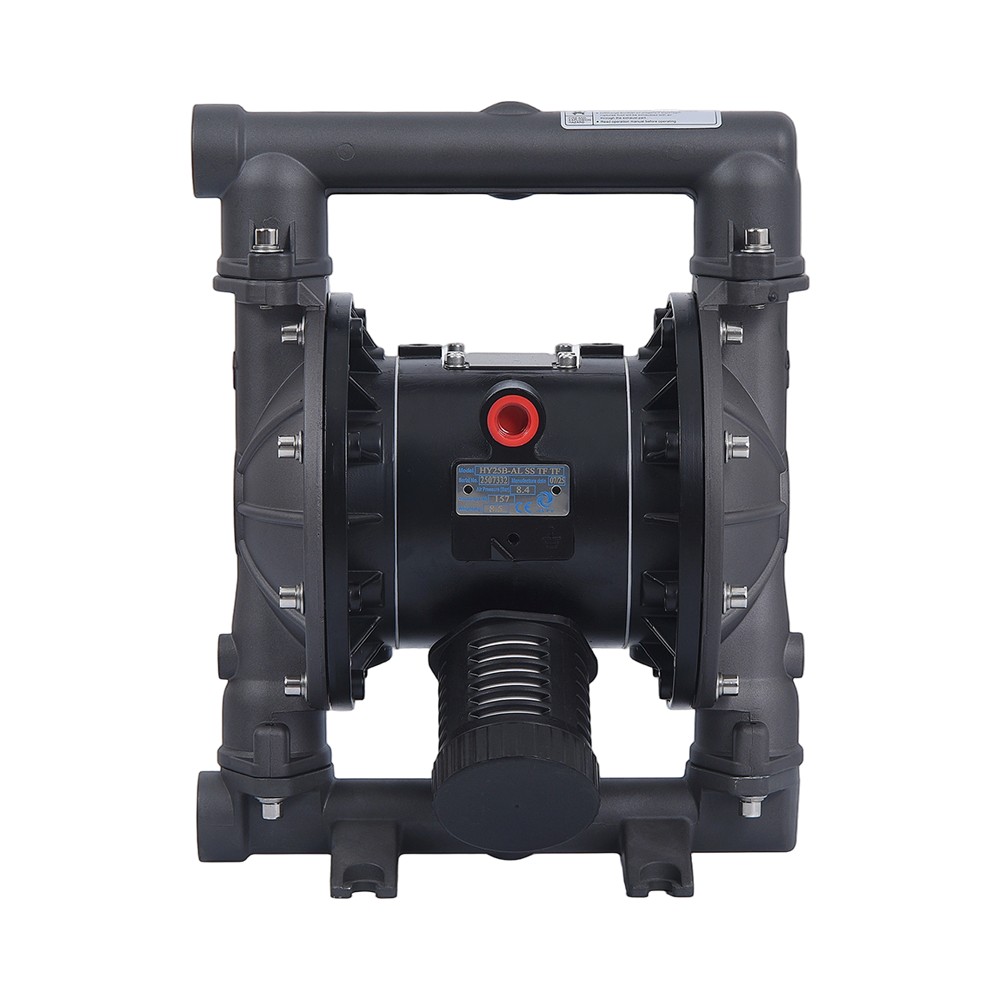
- Air-Operated Double Diaphragm (AODD) Pumps: Compressed air alternately pressurizes two opposing diaphragm chambers, creating a double-acting stroke that delivers near-continuous flow. AODD pumps require no electricity and are intrinsically safe in explosive environments.
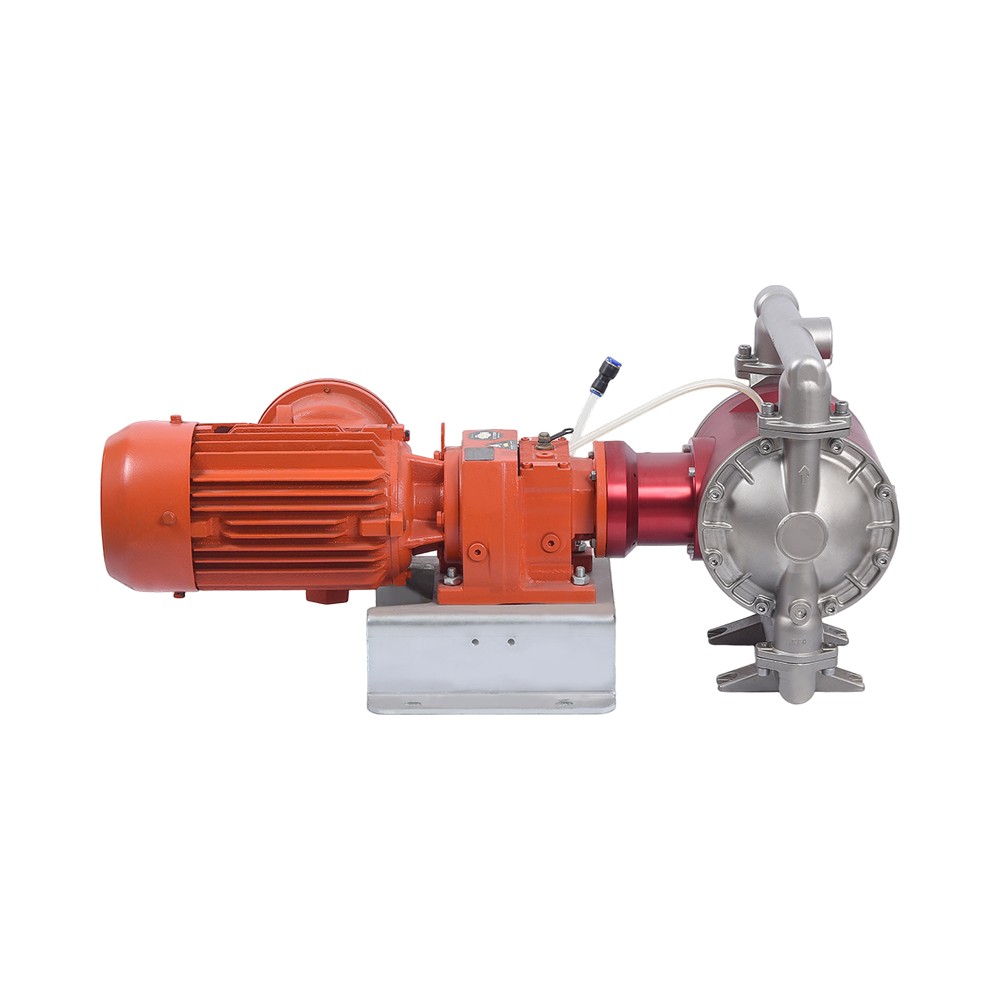
- Mechanically or Electrically Actuated Diaphragm Pumps: A motor-driven eccentric cam or crank mechanism moves the diaphragm at a controlled stroke rate. These are preferred in metering, dosing, and precision chemical injection applications where flow rate accuracy is critical — typically achieving dosing accuracy within plus or minus 1% of set point.
Key Structural Components
- Diaphragm Membrane: Made from PTFE, EPDM, neoprene, Santoprene, or Hytrel depending on the fluid chemistry. The diaphragm material is the primary compatibility variable when selecting a pump for a specific application.
- Pump Body / Wetted Parts: Constructed in polypropylene (PP), PVDF, stainless steel 316L, cast iron, or aluminum depending on corrosion resistance requirements and fluid temperature range.
- Check Valves (Ball or Flap Type): Control the direction of fluid flow through the pump. Ball check valves handle slurries and viscous fluids well; flap valves offer lower pressure drop for thin, clean liquids.
- Air Distribution Valve (AODD only): Directs compressed air alternately to each diaphragm chamber. The reliability of this valve is a primary maintenance consideration in AODD pump operation.
What Are Diaphragm Pumps Used For? Industry-by-Industry Applications
Diaphragm pumps are used wherever fluid transfer requirements involve chemical aggression, solid content, variable viscosity, sanitary standards, or hazardous classification that rule out simpler pump technologies. The following sections cover the major industries and specific use cases in detail.
1. Chemical Processing Industry
Diaphragm pumps are the dominant pump type for chemical transfer because their wetted parts can be configured entirely from chemically inert materials such as PTFE and PVDF, providing compatibility with virtually every aggressive chemical in industrial use.
- Acid Transfer: Sulfuric acid (up to 98% concentration), hydrochloric acid, nitric acid, and phosphoric acid are routinely transferred with PTFE-lined AODD pumps. PTFE diaphragms resist acid attack at concentrations and temperatures that destroy most elastomers.
- Caustic and Alkali Handling: Sodium hydroxide (caustic soda) solutions at concentrations up to 50% are pumped with polypropylene or PVDF-bodied diaphragm pumps in chemical manufacturing and water treatment chemical dosing systems.
- Solvent Transfer: Organic solvents such as acetone, MEK, toluene, xylene, and chlorinated solvents require AODD pumps with PTFE wetted parts and grounded metallic bodies to prevent static discharge — a critical safety requirement in solvent handling.
- Catalyst Slurry Transfer: In polymer manufacturing and petrochemical processes, catalyst suspensions with particle concentrations up to 40% by weight are transferred using AODD pumps sized to handle suspended solids without plugging.
2. Wastewater Treatment and Environmental Applications
Diaphragm pumps handle some of the most demanding fluid transfer tasks in municipal and industrial wastewater treatment, where fluids contain high solid concentrations, variable pH, and hazardous contaminants.
- Sludge Transfer: Activated sludge, digested sludge, and thickened biosolids with dry solids content of 2–8% are transferred by AODD pumps in municipal wastewater treatment plants. A 3-inch AODD pump can handle sludge flow rates of 50–200 liters per minute depending on solids content and pipeline distance.
- Chemical Dosing: Coagulants (aluminum sulfate, ferric chloride), flocculants (polyacrylamide), pH adjusters (lime slurry, sulfuric acid), and disinfectants (sodium hypochlorite) are metered into treatment trains using electrically driven diaphragm metering pumps at flow rates as low as 0.1 liters per hour with dosing accuracy within plus or minus 1%.
- Leachate Handling: Landfill leachate — a chemically complex, variable-composition liquid — is pumped with corrosion-resistant diaphragm pumps in containment and treatment systems at contaminated site remediation projects.
- Filter Press Feed: Dewatering filter presses require feed pumps capable of building pressure up to 7–15 bar against a closing filter cake. Diaphragm pumps are ideally suited because they stall safely at maximum pressure rather than overloading like centrifugal pumps.
3. Food and Beverage Industry
Sanitary-grade diaphragm pumps transfer food products, beverages, and food-contact cleaning chemicals while meeting strict hygiene standards including 3-A Sanitary Standards, EHEDG certification, and FDA 21 CFR material compliance.
- Viscous Food Products: Honey, chocolate, tomato paste, peanut butter, fruit purees, and similar high-viscosity products (500–50,000 cPs) are transferred with large-bore AODD pumps configured with flap-type check valves to minimize product damage from valve impacts.
- Shear-Sensitive Materials: Fruit pieces, soft vegetables, whole berries, and cultured products such as yogurt with live cultures require gentle, low-shear transfer. Diaphragm pumps operating at low stroke frequencies (20–40 strokes per minute) achieve this without the mechanical shear of centrifugal or gear pumps.
- Beverage Transfer: Beer, wine, juice, and carbonated beverages are transferred in sanitary stainless steel AODD pumps that can be cleaned in place (CIP) with hot caustic and acid cleaning solutions without disassembly.
- Flavor and Additive Dosing: Concentrated flavors, colorants, preservatives, and nutritional additives are metered into production lines in precise micro-doses using electric diaphragm metering pumps with ceramic or stainless steel wetted parts.
4. Pharmaceutical and Biotechnology Industry
Pharmaceutical diaphragm pumps meet the most stringent purity and materials standards in any industry, handling active pharmaceutical ingredients (APIs), sterile intermediates, and cleaning agents in GMP-compliant manufacturing environments.
- API Transfer: Pure diaphragm pumps with PTFE wetted parts and electropolished stainless steel bodies transfer active ingredients and formulation intermediates with zero contamination risk from pump seal leakage — a critical requirement in pharmaceutical Good Manufacturing Practice (GMP).
- Bioreactor Feeding: Nutrient media, buffer solutions, and cell culture supplements are dosed into bioreactors using peristaltic or diaphragm metering pumps that achieve flow rate accuracy within plus or minus 0.5% — essential for reproducible cell growth conditions.
- WFI and Purified Water Transfer: Water for injection (WFI) and purified water systems in pharmaceutical plants use ultra-clean diaphragm pumps with surface finishes of Ra 0.4 micrometers or better to prevent bacterial adhesion and biofilm formation.
- CIP and SIP Operations: Sanitary diaphragm pumps withstand clean-in-place (CIP) caustic cycles at 80°C and steam-in-place (SIP) sterilization at 121–134°C, making them compatible with modern pharmaceutical hygienic process design.
5. Mining and Minerals Processing
Diaphragm pumps are the preferred pump type for abrasive slurry transfer in mining because they can handle high solids concentrations that rapidly erode centrifugal pump impellers.
- Tailings Transfer: Mine tailings slurries with solids content up to 70% by weight and particle sizes up to 6 mm are transferred by heavy-duty AODD pumps fitted with large-bore ball check valves (typically 50–100 mm diameter) that pass coarse particles without blockage.
- Reagent Dosing: Flotation reagents, flocculants, pH modifiers (lime milk), and cyanide solution (in gold processing) are metered into mineral processing circuits using chemical-resistant diaphragm metering pumps.
- Acid Mine Drainage: Highly acidic, iron-rich water from mine drainage is pumped in PVDF or stainless steel AODD pumps designed for continuous operation in corrosive underground environments.
- Dewatering: AODD pumps driven by compressed air are widely used for emergency mine dewatering because they can run dry without damage, handle dirty water with suspended solids, and require no electrical connection in wet underground environments.
6. Paints, Coatings, and Adhesives
Diaphragm pumps are standard equipment in paint manufacturing, spray finishing operations, and adhesive dispensing because they handle high-viscosity, shear-sensitive, and solvent-based materials reliably.
- Paint Transfer and Circulation: Architectural and industrial coatings with viscosities from 500 to 10,000 cPs are circulated in paint supply systems using AODD pumps that keep pigments in suspension without pigment degradation from impeller shear.
- Spray Application: High-pressure diaphragm pumps (up to 250 bar) drive airless spray systems for applying protective coatings to steel structures, pipelines, ship hulls, and concrete surfaces, achieving film build rates of 200–500 micrometers per pass.
- Two-Component Adhesive Dispensing: Precision diaphragm metering pumps dispense epoxy resin and hardener in exact volumetric ratios (e.g., 2:1 or 4:1) to mixing heads in automotive assembly and composite manufacturing applications.
7. Oil, Gas, and Petrochemical Industry
AODD pumps are used extensively in upstream, midstream, and downstream oil and gas operations where flammable, toxic, or high-temperature fluids must be transferred safely without risk of electrical sparks.
- Crude Oil Transfer: Viscous crude oils and emulsified oil-water mixtures are transferred with large AODD pumps fitted with grounded metallic bodies and PTFE or Viton diaphragms rated for hydrocarbon service.
- Chemical Injection: Corrosion inhibitors, scale inhibitors, biocides, and demulsifiers are injected into oil and gas pipelines at precise dose rates using electrically driven diaphragm metering pumps rated for high back-pressures up to 400 bar in some applications.
- Produced Water Handling: Water co-produced with crude oil — which contains dissolved salts, hydrocarbons, and scale-forming minerals — is transferred by corrosion-resistant diaphragm pumps in produced water treatment systems.
Diaphragm Pump vs. Other Pump Types: Which Should You Choose?
Diaphragm pumps outperform alternative pump technologies in specific application categories, but each pump type has scenarios where it is the better choice. The table below provides a direct comparison across the most important selection criteria.
| Criteria | Diaphragm Pump | Centrifugal Pump | Gear Pump | Peristaltic Pump |
| Corrosive Fluid Handling | Excellent | Good (with material upgrade) | Limited | Good |
| Abrasive Slurry Handling | Excellent | Poor (impeller wear) | Poor (gear wear) | Good |
| Dry Running Capability | Yes (short periods) | No (seal damage) | No | Yes |
| Self-Priming | Yes (up to 7 m lift) | Limited | Yes | Yes (up to 9 m lift) |
| Dosing Accuracy | High (plus/minus 1%) | Low | Moderate | High (plus/minus 2%) |
| Seal-Free / Leak-Free | Yes | No (mechanical seal) | No (mechanical seal) | Yes |
| Flammable Fluid Safety | Excellent (AODD, no electrics) | Requires ATEX motor | Requires ATEX motor | Requires ATEX motor |
| Shear-Sensitive Fluids | Good | Poor | Moderate | Excellent |
| High Flow Rate Capability | Moderate (up to ~1,000 L/min) | Excellent | Good | Limited |
| Capital Cost | Low to Moderate | Low | Moderate | Moderate to High |
Table 1: Performance comparison of diaphragm pumps against centrifugal, gear, and peristaltic pumps across ten critical selection criteria for industrial fluid handling applications.
Diaphragm Pump Material Selection by Fluid Type
Choosing the correct diaphragm and wetted body material is the most critical decision in diaphragm pump selection. The wrong material combination leads to premature diaphragm failure, fluid contamination, or chemical attack of the pump body — all of which cause costly unplanned downtime.
| Fluid Category | Recommended Diaphragm | Recommended Body Material | Notes |
| Strong Acids (H2SO4, HCl, HNO3) | PTFE | PVDF or PP | Avoid metallic bodies; use PTFE ball valves |
| Caustic / Alkali Solutions | PTFE or EPDM | PP or Stainless Steel 316L | EPDM suitable below 20% NaOH; PTFE for higher concentrations |
| Hydrocarbon Solvents and Fuels | PTFE or Viton (FKM) | Aluminum (grounded) or SS 316L | Ground and bond metallic pumps; use ATEX-rated air valves |
| Food Products and Beverages | PTFE or Santoprene | Stainless Steel 316L (electropolished) | 3-A or EHEDG certified; CIP/SIP compatible |
| Abrasive Slurries | Neoprene or EPDM (abrasion-resistant grades) | Cast Iron or SS 316L | Use large-bore ball check valves; inspect diaphragm every 6 months |
| Pharmaceutical / Sterile Fluids | PTFE (USP Class VI) | 316L SS (Ra 0.4 um or better) | FDA 21 CFR and USP material compliance required |
| General Water / Low-Risk Fluids | Neoprene or EPDM | PP or Cast Iron | Most economical configuration for non-aggressive service |
Table 2: Recommended diaphragm material and pump body material combinations for seven major fluid categories encountered in industrial diaphragm pump applications.
How to Select the Right Diaphragm Pump for Your Application
Selecting the right diaphragm pump requires matching five key application parameters — fluid properties, required flow rate, discharge pressure, solids content, and operational environment — to the correct pump size, material, and actuation type.
Step 1: Define the Fluid Properties
Identify the fluid's chemical composition, concentration, temperature range, viscosity (in cPs or mPa.s), and specific gravity. These parameters determine diaphragm material, body material, and whether a standard or heated-body pump is required. For fluids above 80°C, confirm that the selected diaphragm material (PTFE is rated to 200°C; EPDM to approximately 120°C) and body gaskets are temperature-rated.
Step 2: Determine Required Flow Rate and Pressure
AODD pump flow rates are directly related to disc size. A 1-inch AODD pump typically delivers 20–60 liters per minute; a 2-inch pump delivers 80–200 liters per minute; a 3-inch pump delivers 200–500 liters per minute; and a 4-inch pump delivers up to 1,000 liters per minute. Maximum operating pressure for most AODD pumps is 8.6 bar (125 psi), while high-pressure diaphragm metering pumps reach 400 bar or more for chemical injection applications.
Step 3: Assess Solids Content
For fluids containing suspended solids, the maximum particle size the pump can pass is typically 30–60% of the pump's port diameter. A 2-inch pump with 50 mm ports passes particles up to approximately 15–25 mm. Select ball check valves (rather than flap valves) for slurries, and specify abrasion-resistant diaphragm grades. For solids content above 25% by weight, consult the pump manufacturer for specific abrasive service configurations.
Step 4: Choose Between AODD and Electric Metering
Choose AODD pumps when: the application is in a hazardous area with no electricity, variable flow rate control is needed, dry running protection is required, or the budget favors a lower-cost, easily maintained solution. Choose electric diaphragm metering pumps when: precise volumetric dosing (plus or minus 1% or better) is required, the flow rate must be electronically controlled and logged, or the application involves low-volume high-pressure injection (such as chemical injection into pressurized pipelines).
Frequently Asked Questions About Diaphragm Pumps
Q1: Can diaphragm pumps handle gas or air mixed with liquid?
Yes — this is one of the most important advantages of diaphragm pumps over centrifugal pumps. Diaphragm pumps, particularly AODD models, can handle gas-liquid mixtures and entrained air without losing prime or suffering vapor lock. This makes them valuable for applications such as tank unloading (where air ingress at low liquid levels is common), reactor emptying, and sumps where the liquid level fluctuates unpredictably. Most AODD pumps can handle gas content of up to 50% by volume without operational problems.
Q2: How long does a diaphragm last before it needs replacing?
Diaphragm service life depends heavily on the fluid being pumped, operating pressure, stroke frequency, and diaphragm material. For clean, non-abrasive fluid service, PTFE diaphragms in light-duty applications typically last 1–3 million flex cycles, equivalent to approximately 1–3 years of continuous operation at 60 strokes per minute. In abrasive slurry service, diaphragm life can drop to 3–6 months. Most pump manufacturers recommend inspecting diaphragms every 6 months in critical or abrasive service, and scheduling proactive replacement every 12 months in continuous operation regardless of visible condition.
Q3: What causes an AODD pump to stall or freeze up?
AODD pump stalling most commonly results from three causes: ice formation in the air distribution valve (caused by moisture in the compressed air supply expanding and cooling during actuation — resolved by installing an air dryer or adding methanol injection to the air supply), debris blocking the air valve spool (resolved by cleaning and installing an inline air filter), or a seized check valve ball due to product buildup (resolved by disassembling and cleaning the valve chamber). Using clean, dry, filtered compressed air (minimum ISO 8573-1 Class 3 quality) prevents the majority of AODD stalling incidents.
Q4: Are diaphragm pumps suitable for high-temperature fluids?
Standard diaphragm pumps handle fluids up to 80–100°C with PTFE or Viton diaphragms. Specialized high-temperature configurations using PTFE-encapsulated diaphragms and heat-resistant body materials (stainless steel with high-temperature gaskets) extend the operating range to 150°C or higher. For fluids above 100°C, it is important to consult manufacturer specifications for each individual component in the fluid path, as body seals and check valve seats often have lower temperature ratings than the diaphragm itself.
Q5: What is the difference between a single diaphragm and a double diaphragm pump?
A single diaphragm pump has one pumping chamber and one diaphragm, producing a pulsating, intermittent flow with each stroke cycle. A double diaphragm pump (the standard AODD configuration) has two chambers on opposite sides of a central air section. When one diaphragm is on its discharge stroke, the other is on its suction stroke — producing a near-continuous, lower-pulsation flow that is easier to manage in downstream piping and instruments. Double diaphragm pumps also provide higher flow rates per unit of compressed air consumed, making them more energy-efficient for continuous transfer applications.
Q6: Do diaphragm pumps require a pressure relief valve?
AODD pumps have inherent overpressure protection because they automatically stall when downstream pressure equals the air supply pressure — they cannot exceed the supply pressure, so they are inherently safe against overpressurization of downstream piping (within their rated air supply limits). Electrically driven diaphragm metering pumps, however, can develop pressures exceeding downstream system ratings if a closed valve or blockage occurs, so a pressure relief valve or pressure-relief bypass is strongly recommended for these systems. Always consult system design guidelines for the specific pump model.
Q7: How much compressed air does an AODD pump consume?
Compressed air consumption for AODD pumps varies with operating pressure, stroke rate, and pump size. As a general benchmark, a 1-inch AODD pump running at 4 bar air pressure and 60 strokes per minute consumes approximately 100–200 liters per minute of compressed air (free air delivery). A 3-inch pump under similar conditions consumes 500–1,200 liters per minute. Operating AODD pumps at the minimum required air pressure (rather than maximum) and using an air-saver valve or auto-stop control significantly reduces air consumption and operating cost — compressed air costs typically range from 0.01 to 0.03 USD per cubic meter depending on compressor efficiency.
What Are the Advantages and Disadvantages of Diaphragm Pumps?
Understanding both the strengths and the limitations of diaphragm pumps ensures they are deployed in applications where they deliver genuine operational advantages rather than being specified by default.
Key Advantages
- Zero Seal Leakage: No mechanical shaft seal means no risk of fluid leakage to the environment — a critical requirement for hazardous, toxic, or environmentally regulated chemicals.
- Broad Chemical Compatibility: With the correct diaphragm and body material, a diaphragm pump can handle virtually every industrial chemical from concentrated acids to strong oxidizers to organic solvents.
- Dry-Run Tolerance: Unlike centrifugal pumps, diaphragm pumps can run briefly without liquid without mechanical damage — essential in batch processes where tanks empty completely between cycles.
- Inherent ATEX Safety (AODD): Air-operated pumps with no electrical components are inherently safe in Zone 1 and Zone 2 explosive atmospheres without requiring expensive ATEX-rated motors or enclosures.
- Simple Maintenance: Diaphragm pumps have few moving parts — typically only the diaphragm, check valves, and air valve — all of which can be replaced in the field without specialized tools in 30–60 minutes.
Key Disadvantages
- Pulsating Flow: The reciprocating diaphragm action produces pulsed flow that can affect downstream instrumentation, spray nozzle performance, and pipeline integrity at high pressures. Pulsation dampeners are often required in precision applications.
- Limited Maximum Flow Rate: Even large AODD pumps cap out at approximately 1,000 liters per minute — far below the capacity of large centrifugal pumps used in high-volume water or process applications.
- Higher Operating Cost (AODD): Compressed air is an expensive energy carrier — typically 3–5 times more costly per unit of energy than electrical power. For continuous high-duty-cycle applications, AODD pump operating costs can be significantly higher than electric-driven alternatives.
- Noise Generation: AODD pumps produce exhaust air noise levels of 70–85 dB at 1 meter during operation. In enclosed plant rooms, mufflers on the air exhaust port and operator hearing protection are standard requirements.
Conclusion: Where Diaphragm Pumps Deliver the Greatest Value
Diaphragm pumps deliver their greatest value in applications defined by chemical aggression, abrasive solids, hazardous fluid classification, hygienic requirements, or the need for seal-free operation. No other single pump technology matches the combination of chemical versatility, self-priming ability, dry-run tolerance, and intrinsic safety that the diaphragm pump provides across such a broad range of industries.
From metering sodium hypochlorite into a municipal water treatment plant at 0.5 liters per hour, to transferring mine tailings slurry at 500 liters per minute, to dosing active pharmaceutical ingredients in a GMP bioreactor suite — the answer to what diaphragm pumps are used for is ultimately this: wherever the fluid is too aggressive, too contaminated, too sensitive, or too hazardous for conventional pump technologies to handle reliably and safely.
Correct material selection, appropriate sizing for the required flow rate and pressure, and a proactive maintenance schedule for diaphragm and check valve inspection are the three most important factors that determine long-term reliability and total cost of ownership for any diaphragm pump installation.