


 EN
EN
 English
 Français
 Español
 عربى
عربىFluid inlet/outlet size 1/2",3/4" Air inlet size 1/4" Max suction lift D...
Fluid inlet/outlet size 1/2",3/4" Air inlet size 1/4" Max suction lift D...
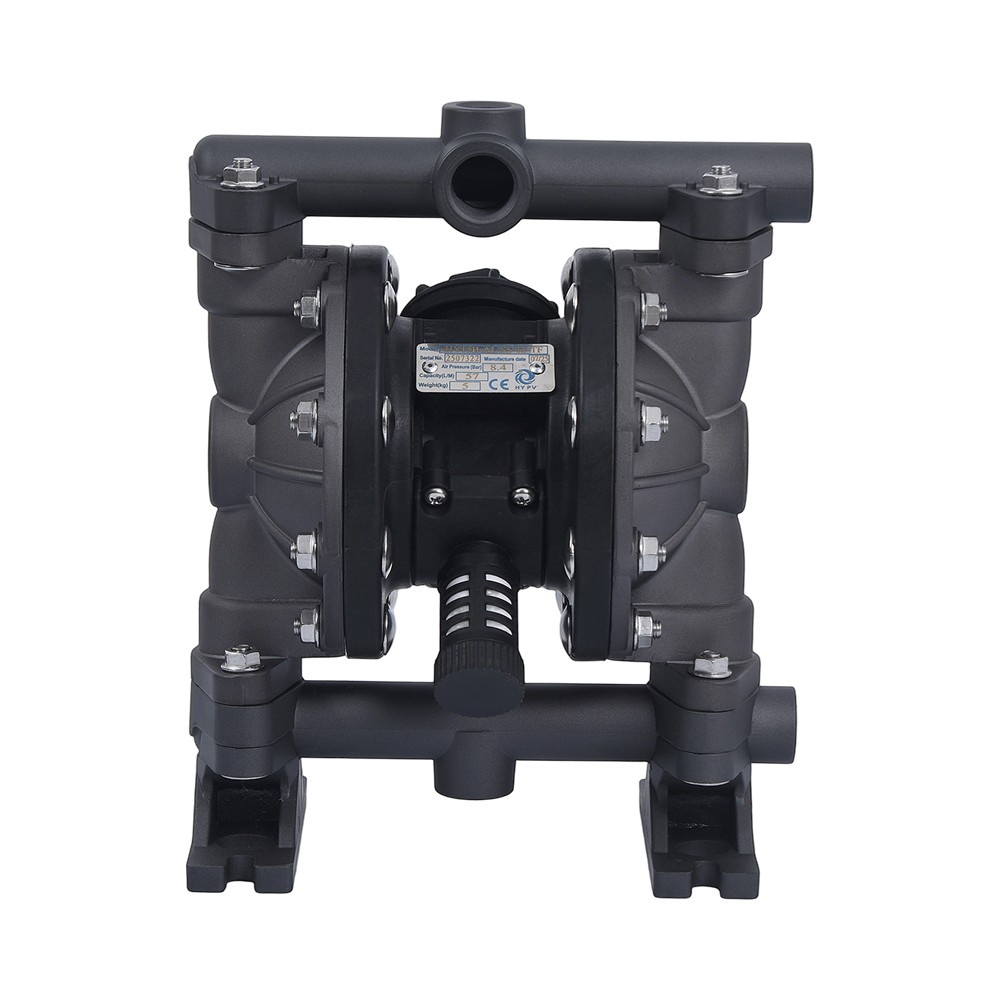
Fluid inlet/outlet size 1/2",3/4" Air inlet size 1/4" Max suction lift D...
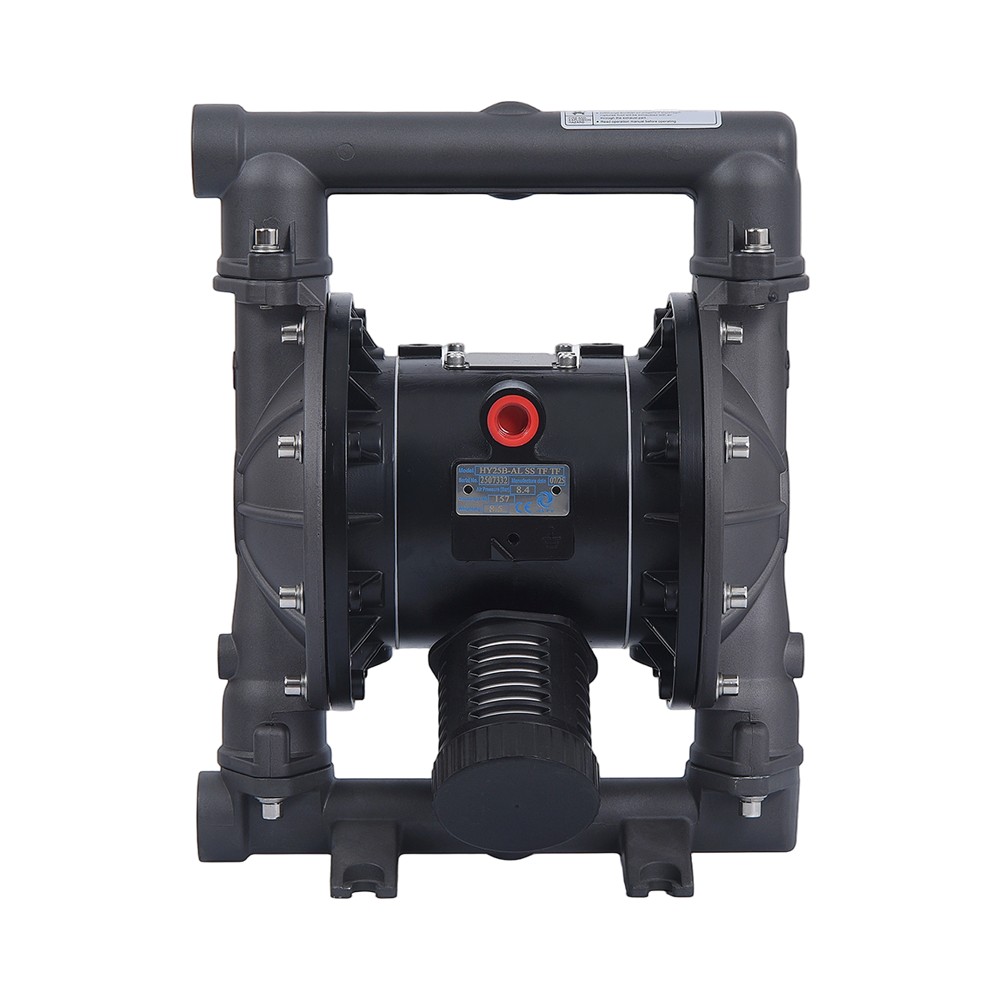
Fluid inlet/outlet size 1" Air inlet size 1/2" Max suction lift Dry: ...
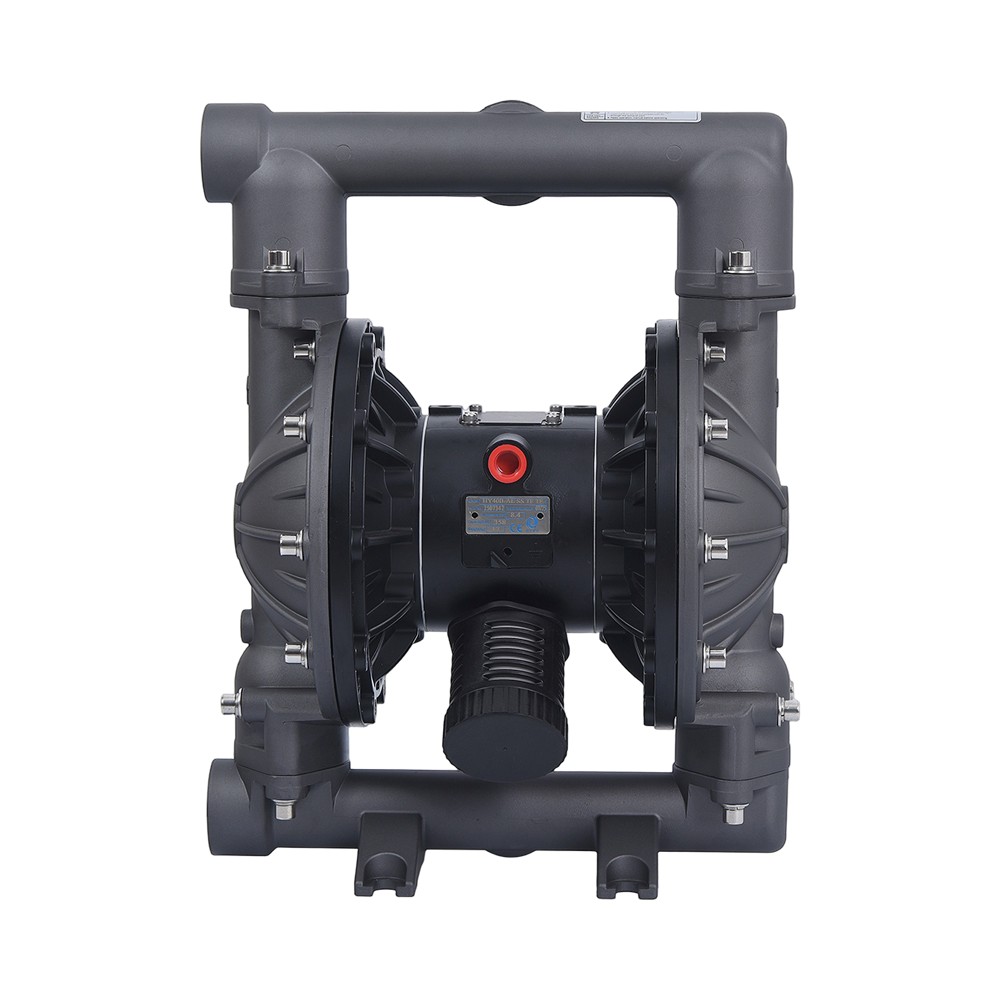
Fluid inlet/outlet size 1.5" Air inlet size 1/2" Max suction lift Dry...
Properties:
Medium corrosion resistance and wear resistance
Applications:
Generally, for transfer of H-neutral fluids, whether thin, thick, high solid content or abrasive.
The aluminum pumps can be found in most fields, such as workshop and paint industries, purifying plants, solvent materials, weak acid and weak base materials, sewage treatment and Ceramic industry etc.,
Advantages:
Affordable cost, extensive industry coverage, broad versatility.
Fluid inlet/outlet size 1/2",3/4" Air inlet size 1/4" Max suction lift D...
Fluid inlet/outlet size 1" Air inlet size 1/2" Max suction lift Dry: ...
Fluid inlet/outlet size 1.5" Air inlet size 1/2" Max suction lift Dry...
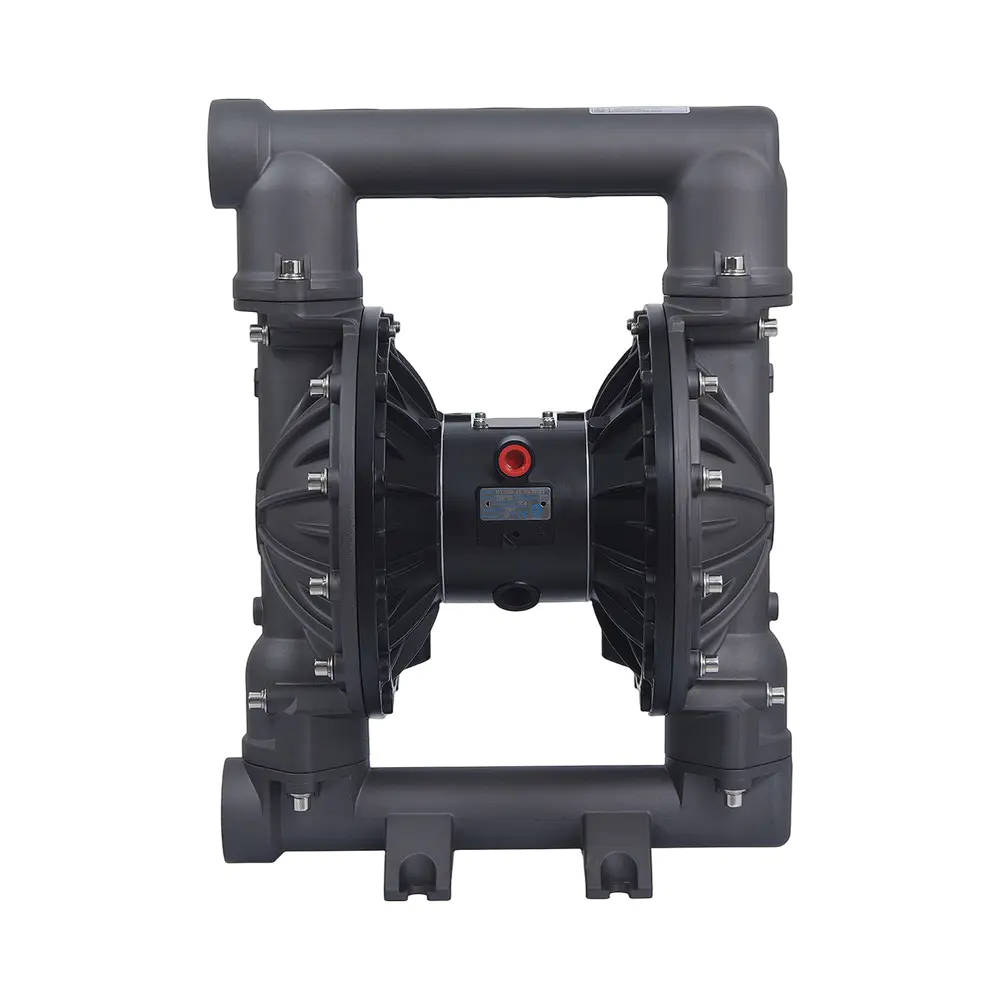
Fluid inlet/outlet size 2" Air inlet size 1/2" Max suction lift Dry: ...
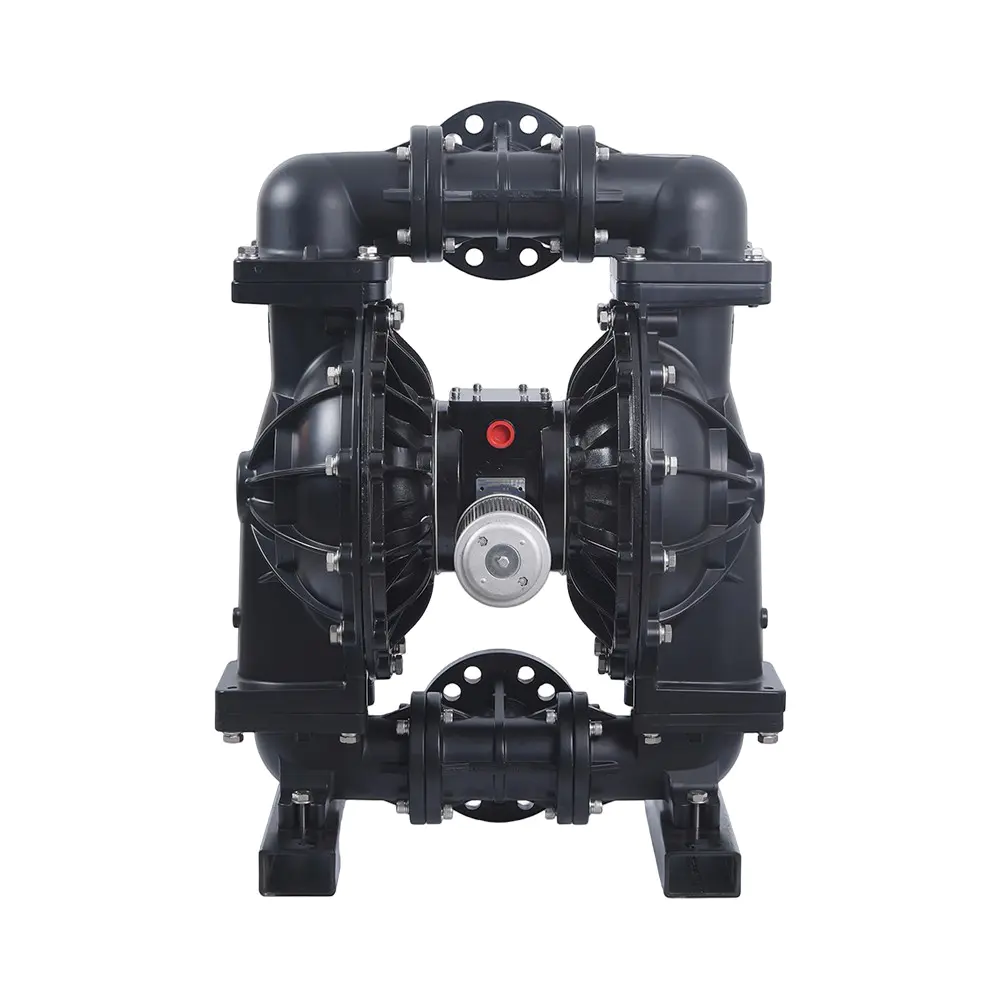
Fluid inlet/outlet size 3" Air inlet size 3/4" Max suction lift Dry: 5...


Production Base Area
Export Country
Technical staff
Project Case
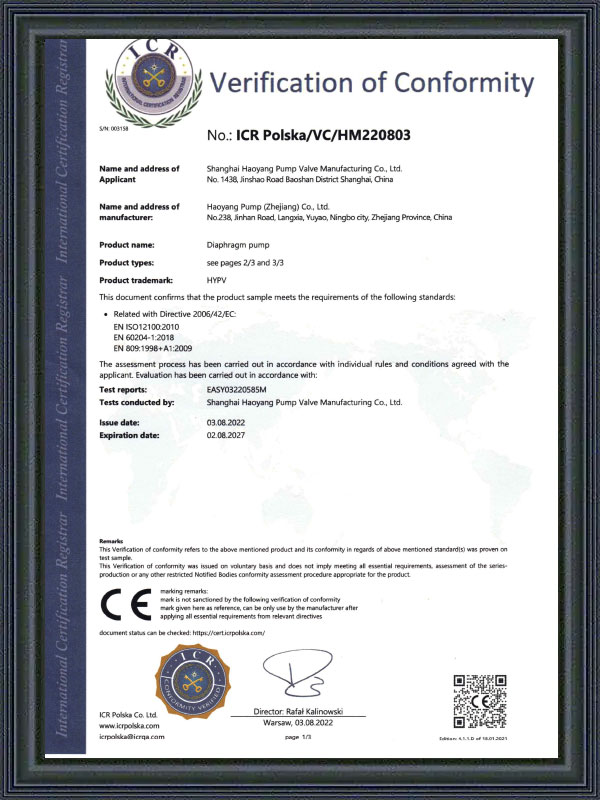
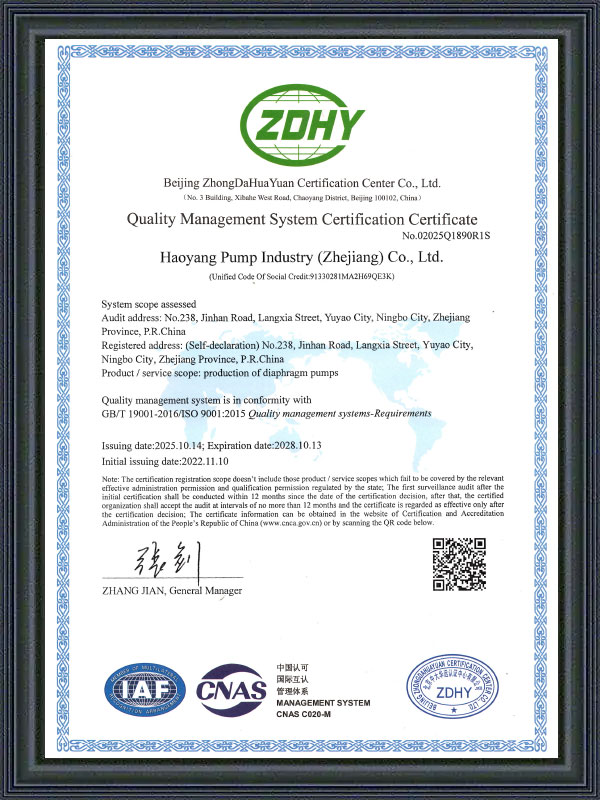
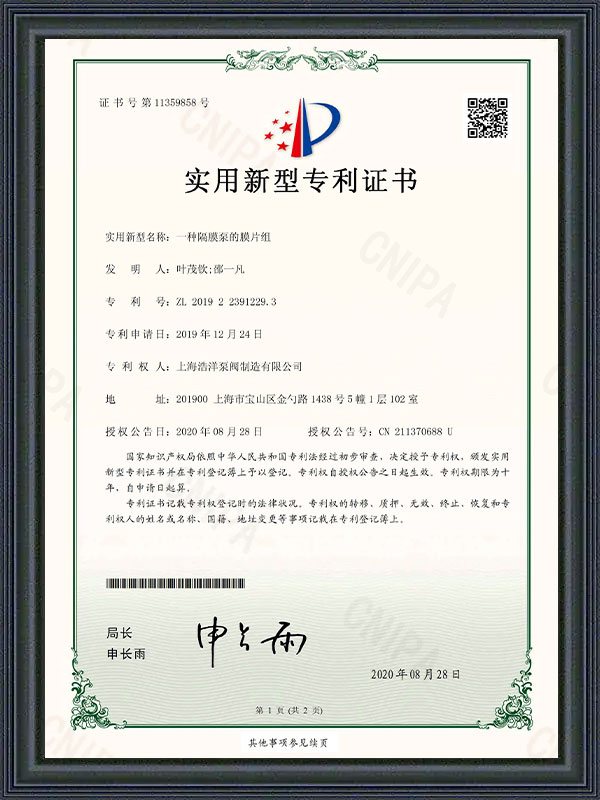
A chemical plant must transfer 3% hydrochloric acid at 8 bar and tolerate occasional dry running. A centrifugal pump would leak through its mechanical seal and overheat in seconds without liquid, but a diaphragm pump with a polypropylene body and PTFE diaphragm handles the same job without an exte...

A chemical resistant diaphragm pump is a positive displacement pump that uses flexible diaphragms to transfer corrosive liquids without leaking through a shaft seal. Its ability to handle acids, alkalis, solvents, and slurries — while maintaining a leak-free wetted path — makes it a standard choic...
A diaphragm pump works by flexing a flexible membrane back and forth inside a closed chamber, creating suction on the inlet stroke and positive pressure on the discharge stroke. It is a positive displacement pump, meaning each stroke moves a fixed volume of fluid regardless of the discharge pressu...
An Aluminum Diaphragm Pump is a type of positive displacement pump that uses compressed air as a power source to move fluids via the reciprocating motion of two flexible diaphragms. Known for their rugged construction and lightweight properties, these pumps are an industry standard for transferring non-corrosive liquids, oils, and slurries. Shanghai Haoyang Pump Valve Manufacturing Co., Ltd. has spent decades perfecting the Aluminum Diaphragm Pump design, ensuring our HY series delivers exceptional stability and energy efficiency in demanding industrial environments.
The core appeal of aluminum housing lies in its excellent strength-to-weight ratio and thermal conductivity. Unlike plastic pumps, aluminum variants can withstand higher mechanical stresses and offer a degree of electrical conductivity that is essential for grounding in explosion-proof zones. As a High and New Technology Enterprise, Haoyang integrates advanced automation into the manufacturing of these pumps to ensure every unit meets European CE and ISO 9001 standards.
The operation of an Aluminum Diaphragm Pump relies on a simple yet effective pneumatic valve system. Compressed air is directed to the air chamber behind diaphragm A, pushing it outward to discharge fluid. Simultaneously, diaphragm B is pulled inward, creating a vacuum that draws fluid into the second chamber.
Choosing the right body material is critical for pump longevity. Aluminum is the preferred choice for petroleum, wastewater, and general solvent transfer due to its durability and cost-effectiveness compared to stainless steel.
| Feature | Aluminum Alloy | Stainless Steel | Polypropylene (PP) |
|---|---|---|---|
| Weight | Lightweight | Heavy | Very Light |
| Chemical Resistance | Moderate (Non-Acidic) | Excellent | High (Acid/Base) |
| Abrasive Resistance | High | Very High | Low |
| Cost Efficiency | Best Value | Expensive | Economic |
Shanghai Haoyang’s aluminum pumps are utilized across various sectors where reliability and explosion protection are paramount. Our patented designs ensure that Aluminum Diaphragm Pump units perform consistently in the following scenarios:
Used for pumping diesel, lubricating oil, and crude oil. The inherent spark-resistance of aluminum makes it safe for flammable environments.
Capable of handling fluids with suspended solids and abrasive particles without damaging the internal pump mechanism.
Ideal for transferring inks, paints, and solvents where shear-sensitive handling is required to maintain product quality.
To maintain the trouble-free operation promised by Haoyang products, regular maintenance is essential. Aluminum pumps are designed for easy "on-site" repair without specialized tools.
A: Generally, no. Aluminum is susceptible to corrosion from strong acids and bases. For these applications, Shanghai Haoyang recommends our PP or PVDF diaphragm pump series.
A: The temperature limit is usually determined by the diaphragm material (e.g., PTFE or NBR), but the aluminum body itself can typically handle up to 100°C to 120°C depending on the elastomers used.
A: Yes, our HY series is designed to be highly versatile, often serving as a direct drop-in replacement for existing systems while offering improved energy efficiency and stability.

 +86-21-66769112
  [email protected]
 NO.1438 Jinshao Rd. Baoshan District Shanghai, China.
Copyright © 2025 Shanghai Haoyang Pump Valve Manufacturing Co., Ltd.
All Rights Reserved.



