


 EN
EN
 English
 Français
 Español
 عربى
عربىFluid inlet/outlet size 1/4" Air inlet size 1/8" Max suction lift Dry:...
Fluid inlet/outlet size 1/2",3/4" Air inlet size 1/4" Max suction lift D...
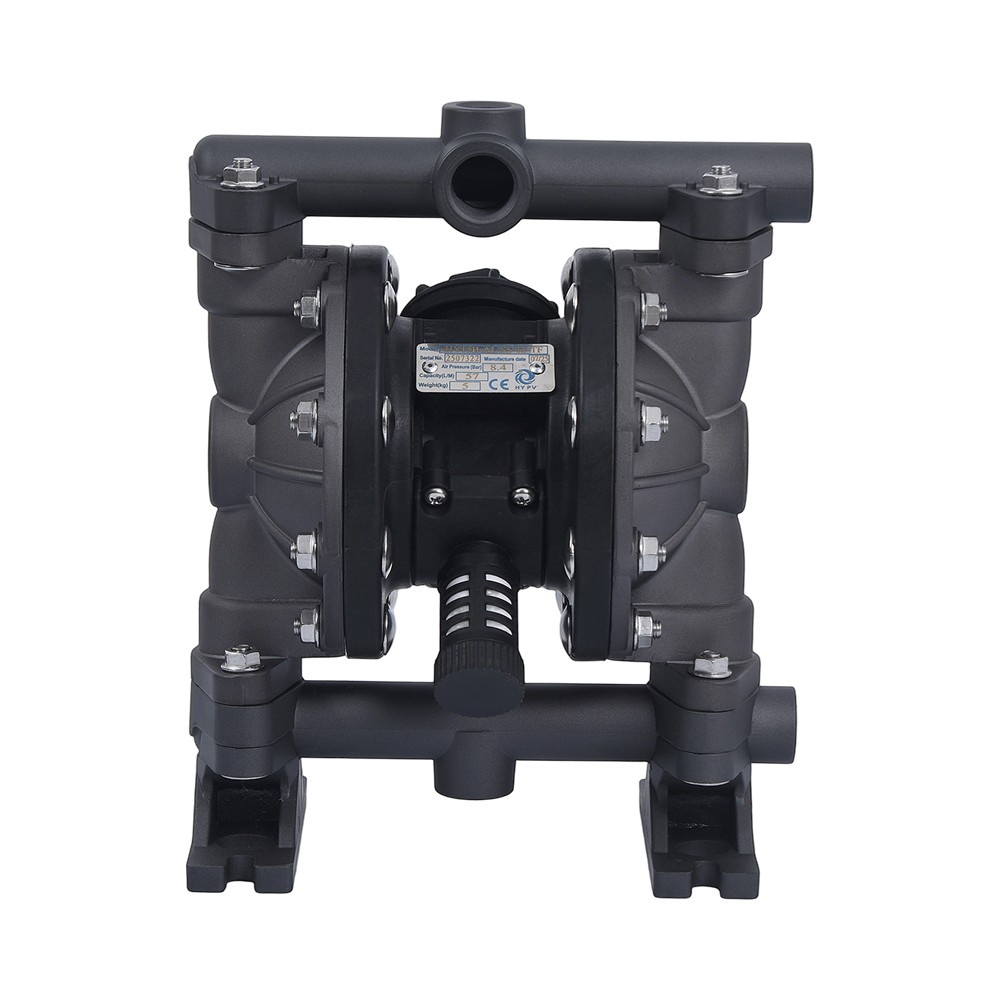
Fluid inlet/outlet size 1/2",3/4" Air inlet size 1/4" Max suction lift D...
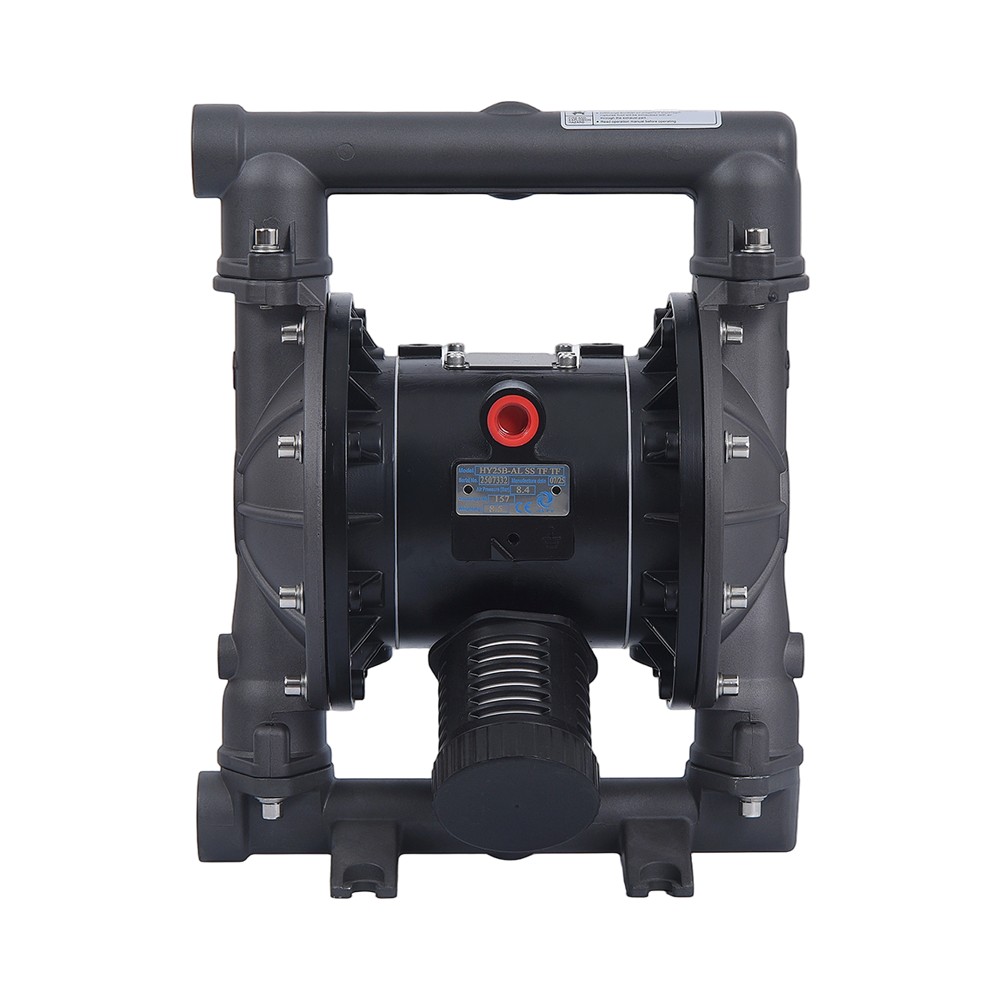
Fluid inlet/outlet size 1" Air inlet size 1/2" Max suction lift Dry: ...
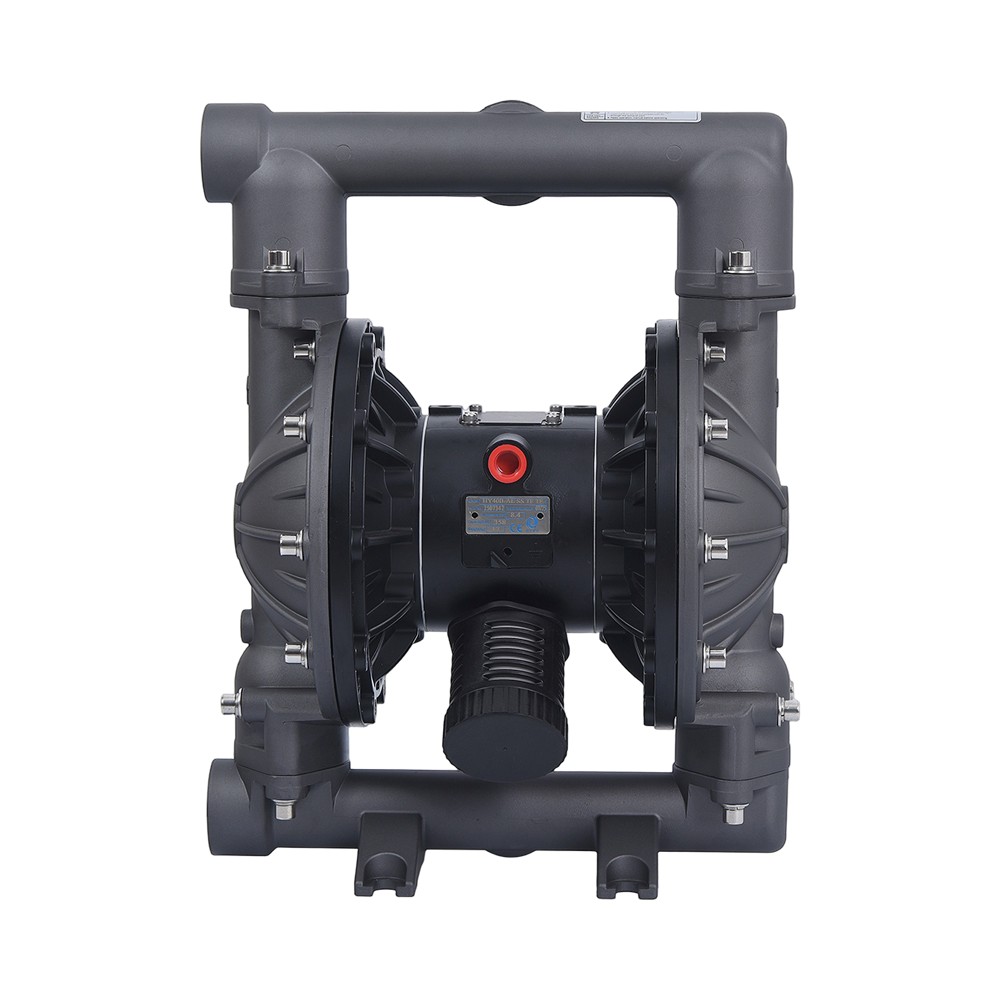
Fluid inlet/outlet size 1.5" Air inlet size 1/2" Max suction lift Dry...
Properties:
Wide chemical compatibility. Strong chemical extrusion resistance, anti-abrasion, apply to high purity acids.
Applications:
PVDF offers stronger chemical resistance to both acids and bases, while offering a higher temperature and abrasion protection than polypropylene. PVDF pump can handle even the most aggressive acids.
Advantages:
High corrosion resistance. Strong versatility.
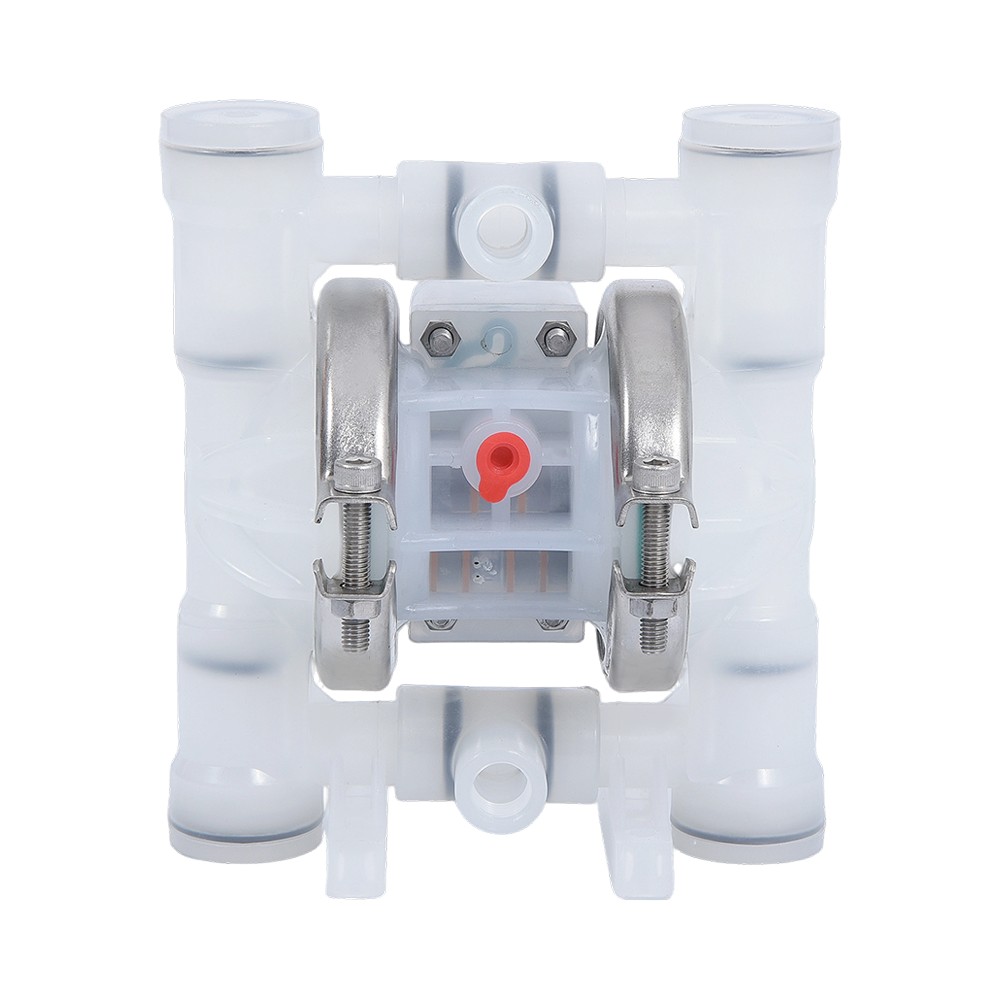
Fluid inlet/outlet size 1/4" Air inlet size 1/8" Max suction lift Dry:...
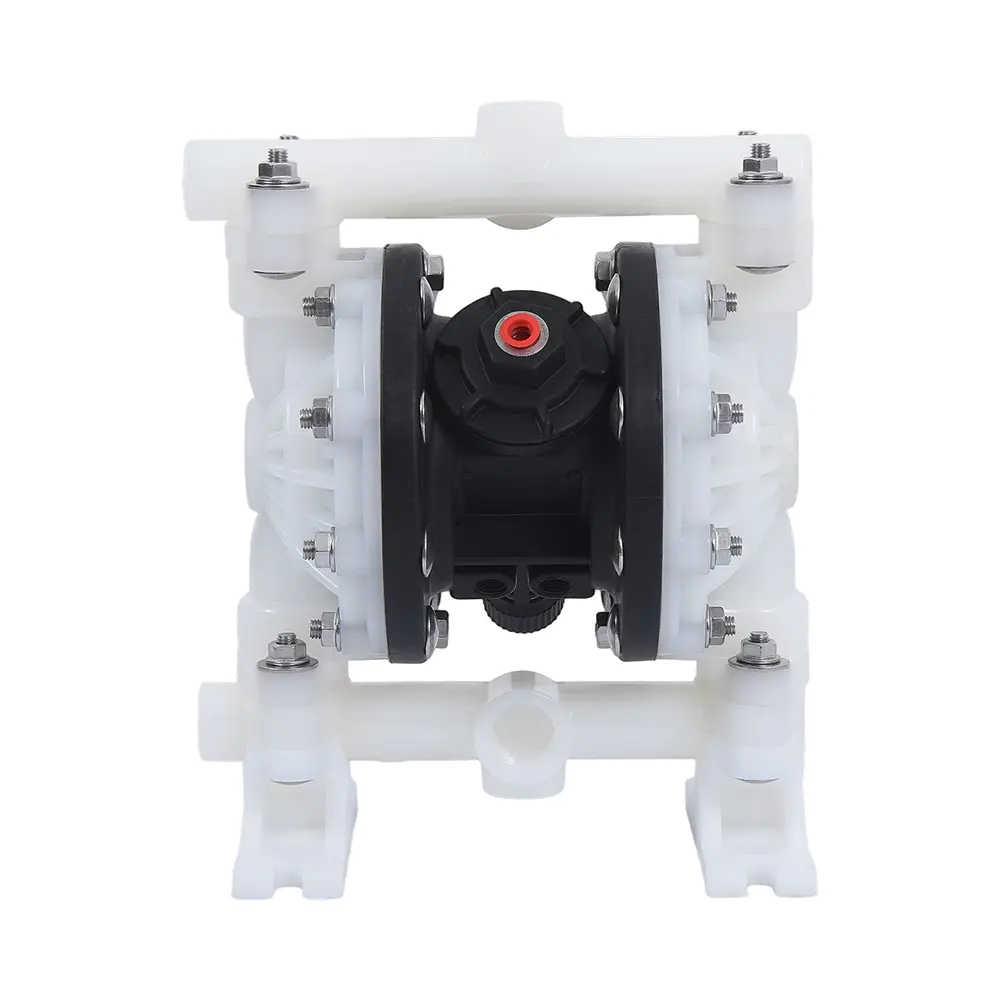
Fluid inlet/outlet size 1/2",3/4" Air inlet size 1/4" Max suction lift ...
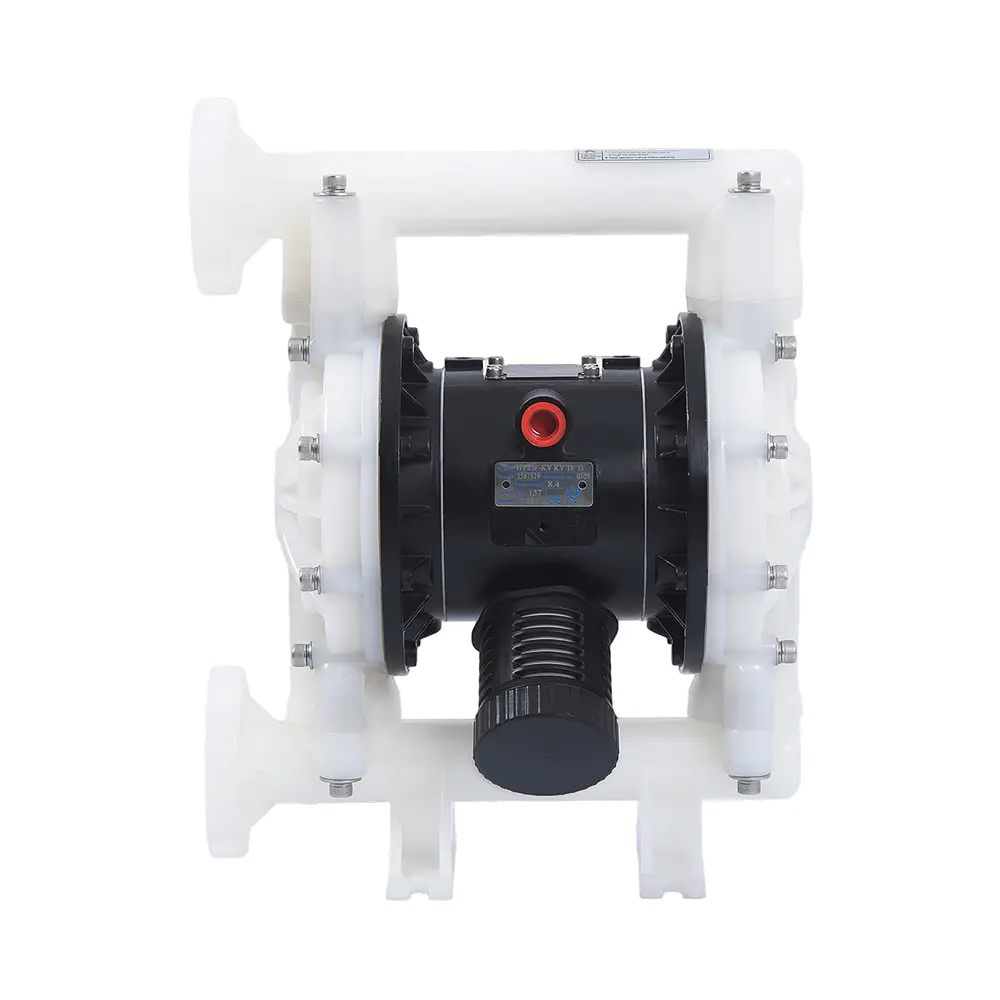
Fluid inlet/outlet size 1" Air inlet size 1/2" Max suction lift Dry: 4...
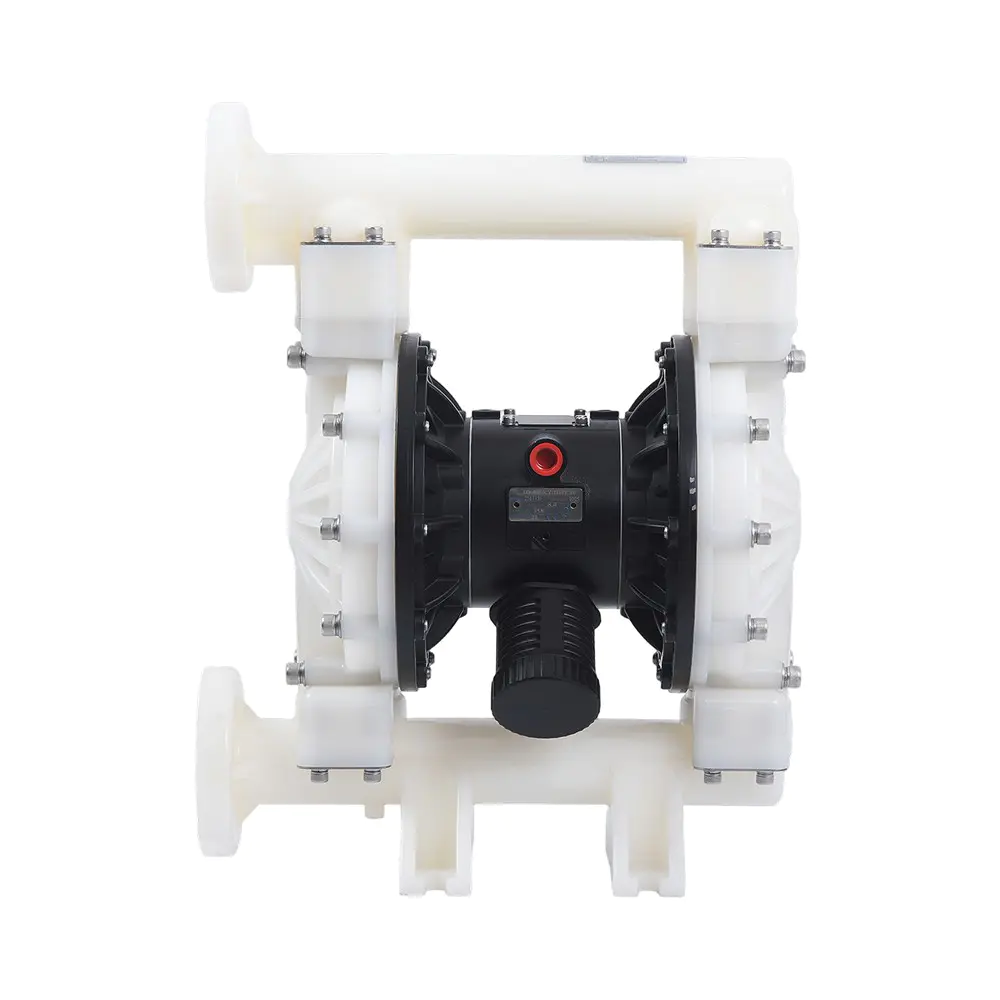
Fluid inlet/outlet size 1.5" Air inlet size 1/2" Max suction lift Dry ...
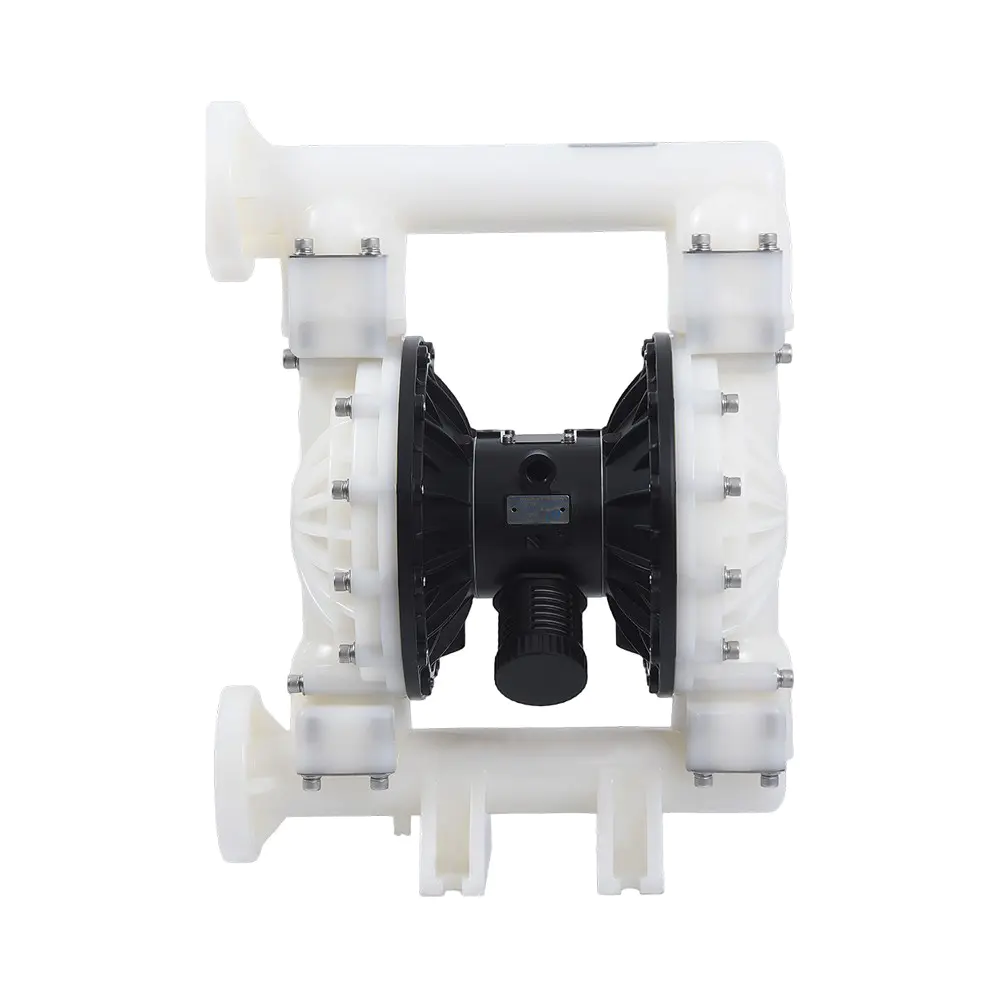
Fluid inlet/outlet size 2" Air inlet size 1/2" Max suction lift Dry: 5...
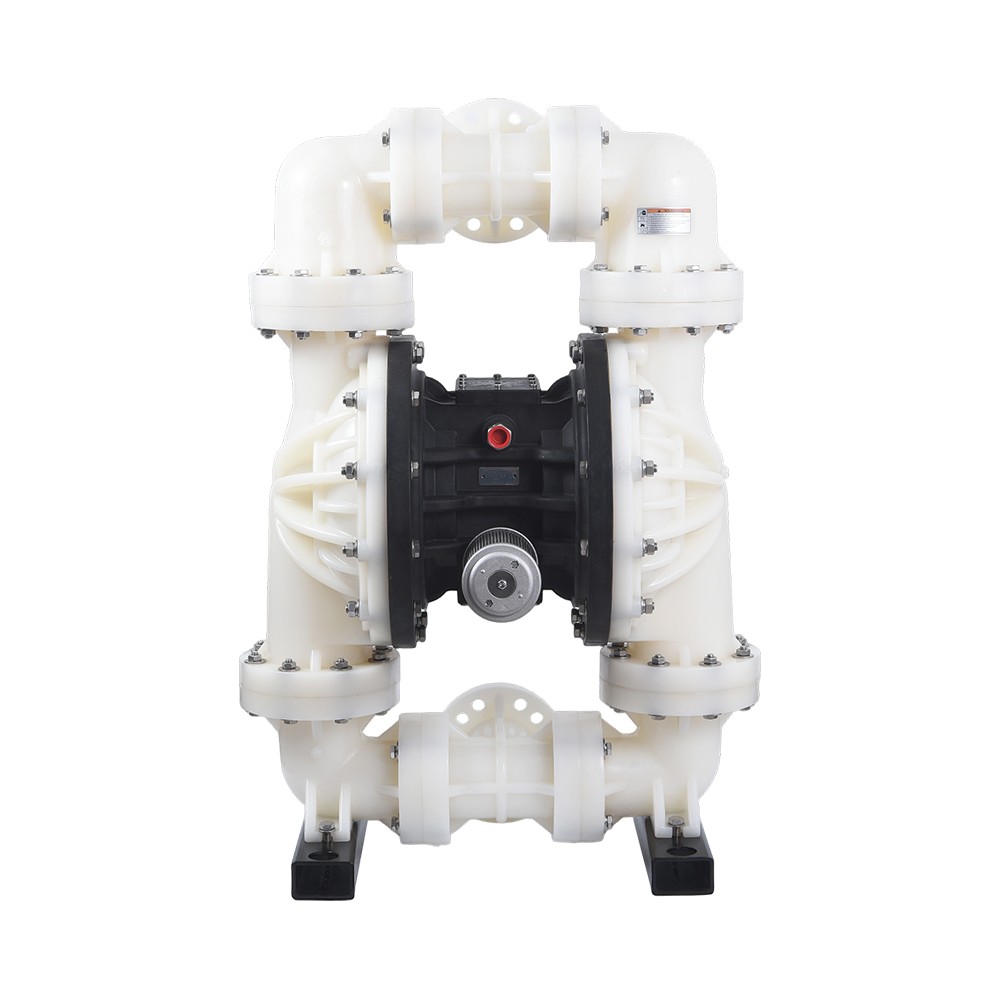
Fluid inlet/outlet size 3" Air inlet size 3/4" Max suction lift Dry: 5...
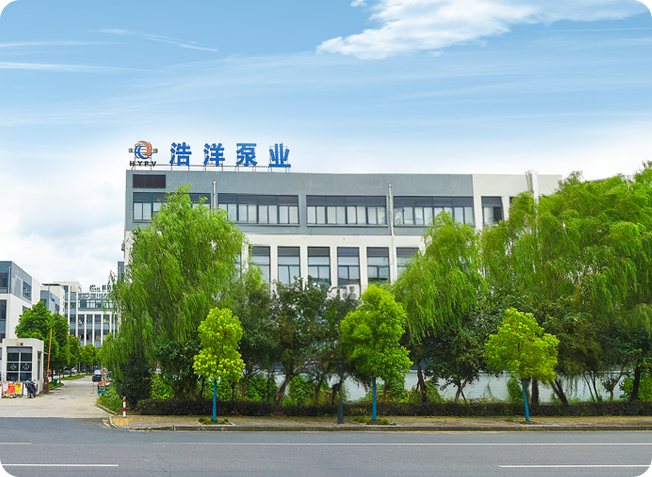

Production Base Area
Export Country
Technical staff
Project Case
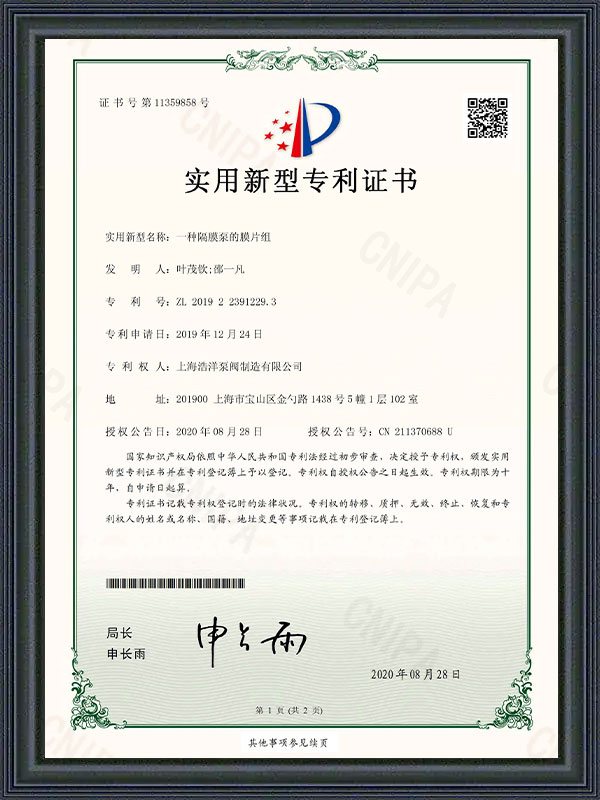
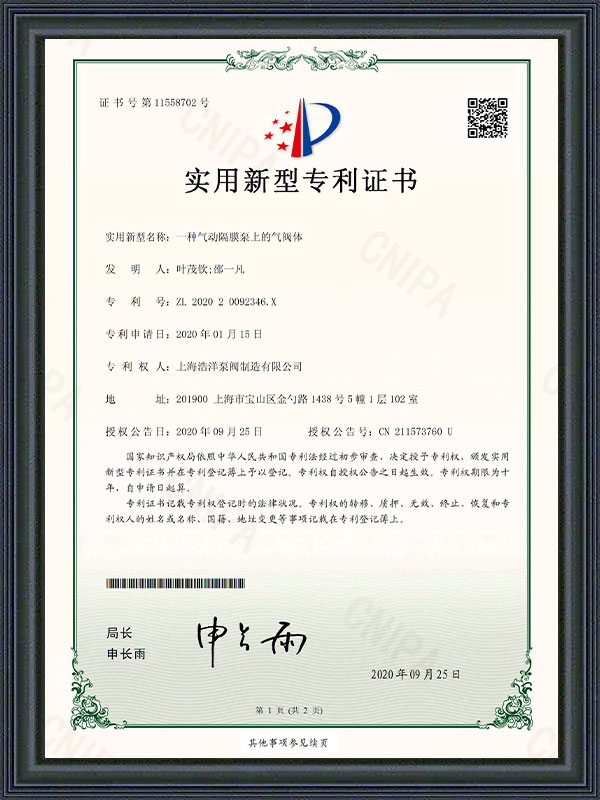
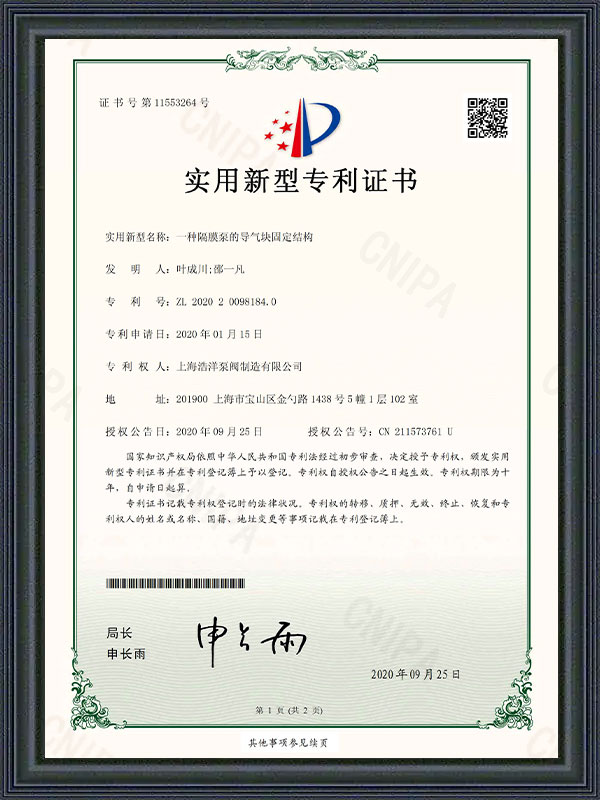
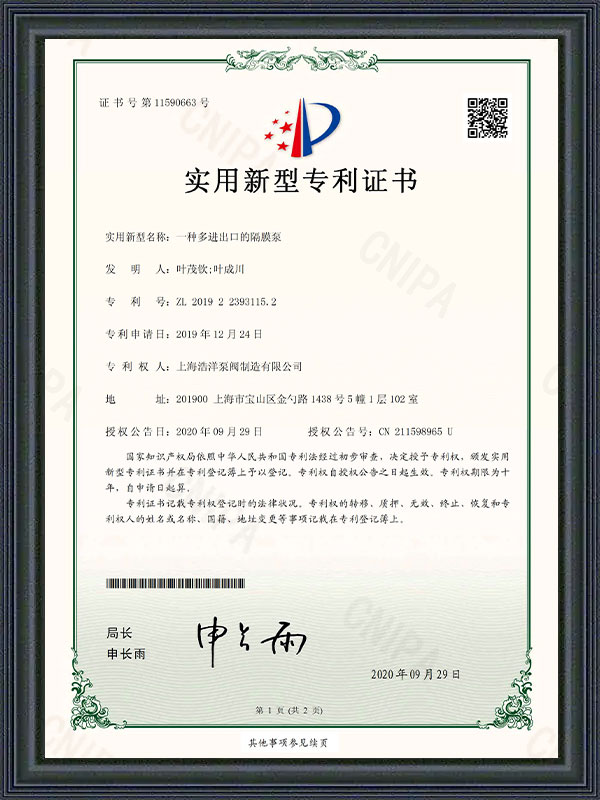
A chemical plant must transfer 3% hydrochloric acid at 8 bar and tolerate occasional dry running. A centrifugal pump would leak through its mechanical seal and overheat in seconds without liquid, but a diaphragm pump with a polypropylene body and PTFE diaphragm handles the same job without an exte...

A chemical resistant diaphragm pump is a positive displacement pump that uses flexible diaphragms to transfer corrosive liquids without leaking through a shaft seal. Its ability to handle acids, alkalis, solvents, and slurries — while maintaining a leak-free wetted path — makes it a standard choic...
A diaphragm pump works by flexing a flexible membrane back and forth inside a closed chamber, creating suction on the inlet stroke and positive pressure on the discharge stroke. It is a positive displacement pump, meaning each stroke moves a fixed volume of fluid regardless of the discharge pressu...
A PVDF diaphragm pump is a specialized type of positive displacement pump that utilizes a flexible diaphragm made from Polyvinylidene Fluoride (PVDF) to move fluids. Renowned for its exceptional chemical resistance and mechanical strength, PVDF serves as the ideal material for handling the most aggressive liquids. These pumps are universally valued for their ability to operate dry, self-prime, and handle fluids with high viscosity or solid content without compromising the fluid's integrity. As a leading provider in this field, Shanghai Haoyang Pump Valve Manufacturing Co., Ltd. has engineered its PVDF diaphragm pump series to deliver unparalleled reliability in the most demanding environments, reinforcing our commitment to being "Your Expert in Fluid Transportation."
The core functionality of these pumps lies in their air-operated double diaphragm (AODD) mechanism. Compressed air is alternately directed into two chambers, pushing the diaphragms and displacing the fluid. This design inherently makes them explosion-proof without the need for electrical components, a key safety feature highlighted in our HY series. Whether in chemical processing, plating, or wastewater treatment, the PVDF diaphragm pump stands as a testament to robust engineering, combining the material science of fluoropolymers with precision manufacturing, a principle that has guided our operations since our establishment in 2006.
The selection of PVDF as a pump material is a decision based on performance longevity. Below is a comparison illustrating why PVDF is often the preferred choice over other common materials in aggressive chemical environments.
| Property | PVDF | Polypropylene (PP) | Stainless Steel (316) |
|---|---|---|---|
| Chemical Resistance | Excellent (acids, solvents, halogens) | Good (acids, fair with solvents) | Vulnerable to chlorides & strong acids |
| Temperature Range | Up to 100°C (212°F) | Up to 60°C (140°F) | Up to 200°C+ (392°F+) |
| Abrasion Resistance | High | Medium | High |
| Purity | High (non-contaminating) | Medium | High (can leach metal ions) |
The data confirms that PVDF provides a superior balance of broad-spectrum chemical resistance and thermal stability, making it indispensable for transferring corrosive fluids. Shanghai Haoyang's PVDF diaphragm pump series leverages this by incorporating virgin PVDF material, ensuring no fluid contamination and extending the pump's operational life even under continuous use with harsh chemicals like sodium hypochlorite or hydrofluoric acid. This dedication to material quality is a direct result of our "High and New Technology Enterprise" certified R&D processes.
The pump operates on a simple yet effective principle. An air valve directs compressed air behind one diaphragm, pushing it away from the center chamber. This action simultaneously pulls the opposite diaphragm via a common shaft. The outward stroke of the first diaphragm creates a vacuum, drawing fluid into its chamber through an inlet check valve. Simultaneously, the inward stroke of the second diaphragm pushes its fluid out through the discharge manifold. At the end of the stroke, the air valve shifts, repeating the cycle in reverse. This provides a smooth, pulsating flow that is shear-sensitive and gentle on the pumped fluid.
Our HY series PVDF diaphragm pump incorporates several key innovations:
The versatility of the PVDF diaphragm pump allows it to excel in a variety of challenging settings. Here are documented application cases:
Proper maintenance ensures the longevity of your PVDF diaphragm pump. The table below outlines a simple schedule and common issues.
| Interval | Task | Benefit |
|---|---|---|
| Weekly | Check air line filter and lubricator; inspect for external leaks. | Prevents contaminated air from damaging internal parts. |
| Monthly | Listen for irregular cycling; tighten all external fasteners. | Early detection of wear or air valve issues. |
| Quarterly | Inspect and clean check valve seats and balls for debris or wear. | Maintains prime and volumetric efficiency. |
| Annually | Replace diaphragms and inspect the air valve assembly. | Prevents unexpected downtime; extends pump life by up to 3x. |
Q1: Can a PVDF diaphragm pump run dry without damage?
Yes, a key advantage of the AODD pump design, including Shanghai Haoyang's HY series, is its ability to run dry indefinitely without damage. This is because the diaphragms are powered by air, not mechanical linkages that require lubrication from the fluid.
Q2: What is the maximum size of solids a PVDF diaphragm pump can handle?
This depends on the pump's port size and manifold design. Standard models can typically handle spherical solids up to 1/4" to 1" (6mm to 25mm) in diameter. Our product datasheets for each PVDF diaphragm pump model specify this exact "maximum particle size."
Q3: How does a PVDF pump compare to a Centrifugal pump for chemical transfer?
A PVDF AODD pump is superior for high-viscosity fluids, fluids with solids, and when self-priming or dry-running capability is needed. Centrifugal pumps are better for high-flow, low-viscosity applications. For transferring expensive or hazardous chemicals, the leak-free, low-shear operation of our PVDF diaphragm pumps often makes them the safer and more economical choice.
Q4: Is a PVDF diaphragm pump conductive?
Standard PVDF is not conductive. However, for applications involving flammable solvents, we offer conductive (anti-static) PVDF versions. These are designed to dissipate electrostatic charge and are clearly marked, ensuring safety in explosive environments. This aligns with our HY series' "explosion-proof" feature.
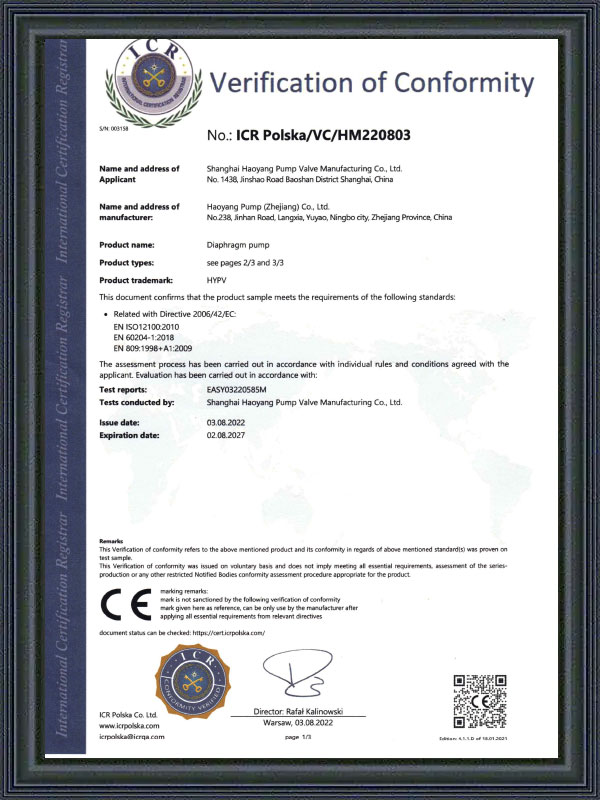
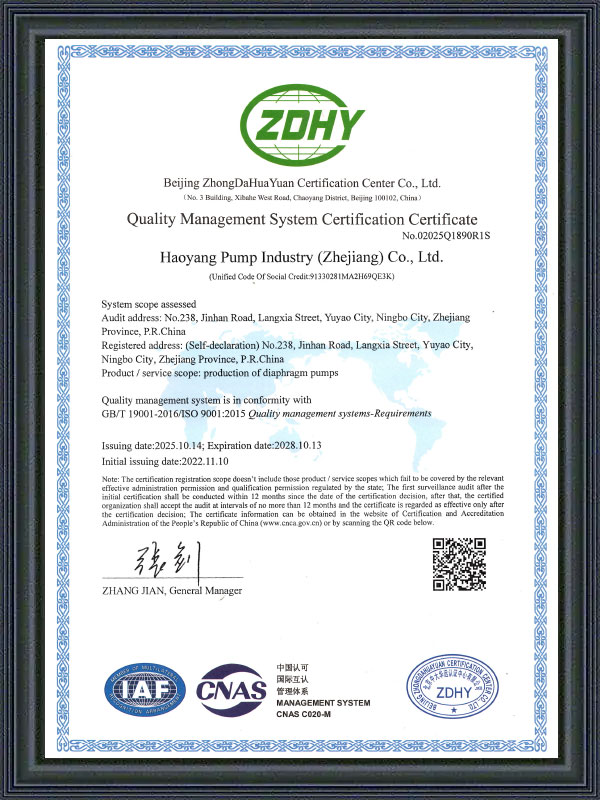
Since 2006, Shanghai Haoyang Pump Valve Manufacturing Co., Ltd. has dedicated itself to mastering fluid transportation. Our HY series PVDF diaphragm pump is not merely a piece of equipment; it is the culmination of years of development, "meticulous refinement, absorption, and innovation." As a state-recognized "High and New Technology Enterprise" with ISO 9001 and CE certifications, our manufacturing process ensures every pump meets rigorous standards. We don't just sell pumps; we provide a solution characterized by "high stability and trouble-free operation," ensuring your processes run safely, efficiently, and without interruption.

 +86-21-66769112
  [email protected]
 NO.1438 Jinshao Rd. Baoshan District Shanghai, China.
Copyright © 2025 Shanghai Haoyang Pump Valve Manufacturing Co., Ltd.
All Rights Reserved.



