

 EN
 English
 Français
 Español
 عربى
Your chemical feed skid keeps losing prime, or the dosing line needs to hold ±1% accuracy at 50 mL/min. The pump you choose between a diaphragm pump and a peristaltic pump changes maintenance intervals, spare parts, and the risk of shear damage. Short answer: a diaphragm pump is usually the better fit for high-flow, high-pressure, abrasive, viscous, or dry-run applications, while a peristaltic pump wins for low-flow, high-accuracy dosing of shear-sensitive or sterile fluids. The rest of this guide explains where each design earns its keep, and where it falls short.
Content
- 1 Quick Verdict: Diaphragm Pump vs Peristaltic Pump at a Glance
- 2 How Each Pump Moves Fluid
- 3 Flow, Pressure, and Dosing Accuracy
- 4 Fluid Compatibility, Shear, and Contamination
- 5 Dry-Run Tolerance, Maintenance, and Cost of Ownership
- 6 When to Choose a Diaphragm Pump
- 7 When to Choose a Peristaltic Pump
- 8 Selection Checklist: Matching the Pump to Your Process
- 9 FAQ
Quick Verdict: Diaphragm Pump vs Peristaltic Pump at a Glance
The practical differences come down to flow, pressure, shear, and maintenance. The table below summarizes the key selection criteria so you can compare both pump types side by side before reading the details.
| Criteria | Diaphragm Pump | Peristaltic Pump |
|---|---|---|
| Typical flow range | 0.5–300 L/min and higher | 0.001–10 L/min per channel |
| Discharge pressure | Up to 8–10 bar with air drive | Usually below 2–4 bar |
| Dosing accuracy | ±1–3% with proper control | ±0.5–2% in low-flow dosing |
| Shear on fluid | Moderate; check valve and diaphragm action | Very low; fluid stays inside the tube |
| Dry-run tolerance | Good, especially air-operated models | Poor; tube wears quickly |
| Fluid contact parts | Diaphragm, valves, pump body | Tube only |
| Maintenance focus | Diaphragm, check valves, O-rings | Tube replacement |
| Best fit | Transfer, slurry, viscous, hazardous, explosive areas | Dosing, sterile, shear-sensitive, low-volume |
How Each Pump Moves Fluid
Both are positive displacement pumps, but they create flow in very different ways. That difference explains most of their strengths and limits.
Diaphragm Pump Basics
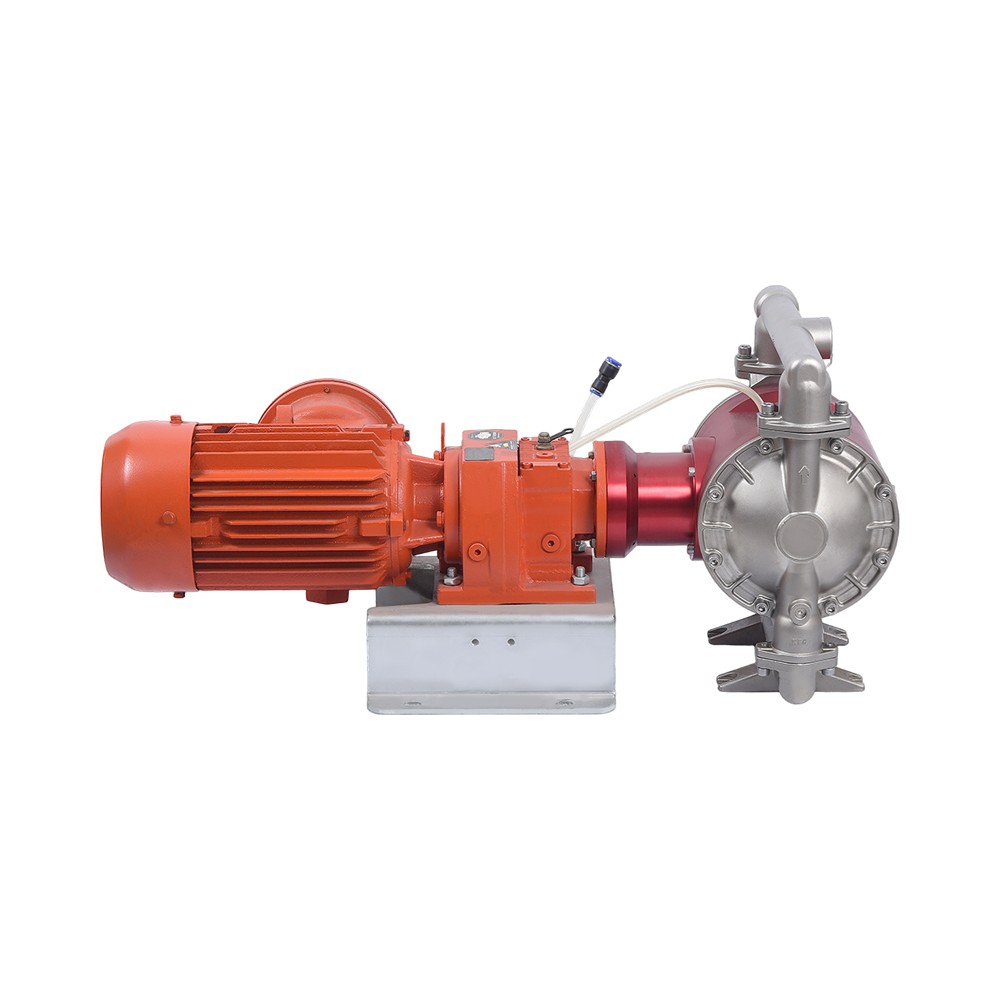
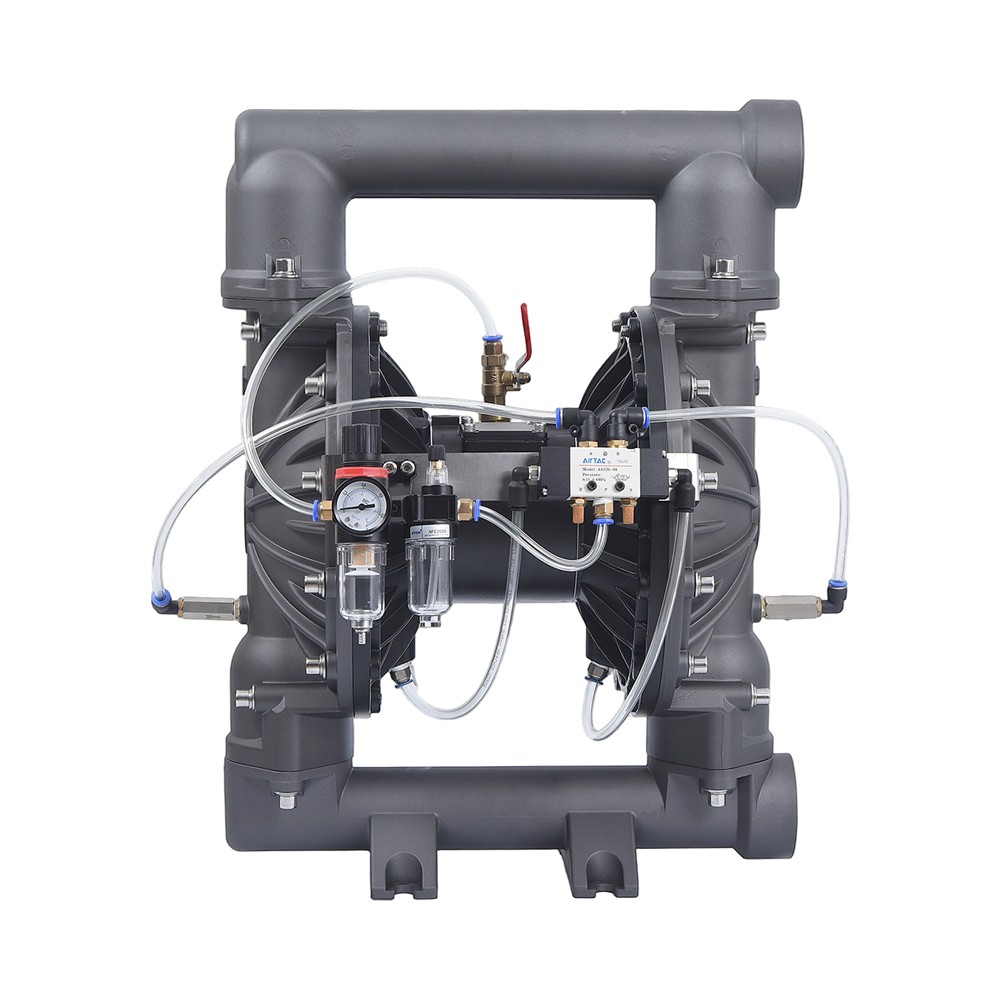
A diaphragm pump uses a flexible diaphragm that moves back and forth to change the volume of a pumping chamber. Check valves direct the fluid in one direction. The fluid touches the pump body, diaphragm, valve balls, and seats. Air-operated models use compressed air, while electric models use a motor and gear mechanism. Air-operated diaphragm pumps can run dry, self-prime, and operate in explosive atmospheres, which makes them common in chemical transfer and wastewater duties.
Peristaltic Pump Basics
A peristaltic pump uses rotating rollers to squeeze a flexible tube. The fluid is pushed forward in a wave, and it only contacts the inside of the tube. There are no valves, no seals, and no dead pockets in the flow path. That design gives excellent hygiene, easy cleaning, and very low shear. It also limits pressure and flow, because the tube must rebound after each roller passes.
Flow, Pressure, and Dosing Accuracy
Diaphragm pumps generally deliver higher flow and pressure, while peristaltic pumps deliver better low-flow precision and gentler handling. A diaphragm pump can move several hundred liters per minute and push against 8 bar or more, depending on air pressure and model. A peristaltic pump may only produce a few liters per hour per channel and rarely exceeds 4 bar. If your process needs to transfer a viscous slurry or feed a filter press, the diaphragm pump has the clear advantage. If you are dosing a catalyst at 10 mL/min, the peristaltic pump is usually more repeatable.
Pulsation is a shared issue, but the causes differ. A diaphragm pump pulses with each stroke, while a peristaltic pump pulses as each roller releases the tube. Pulsation can cause pipe vibration, inaccurate flow readings, and stress on downstream instruments. A pulsation dampener on the discharge line smooths the flow and protects the system.
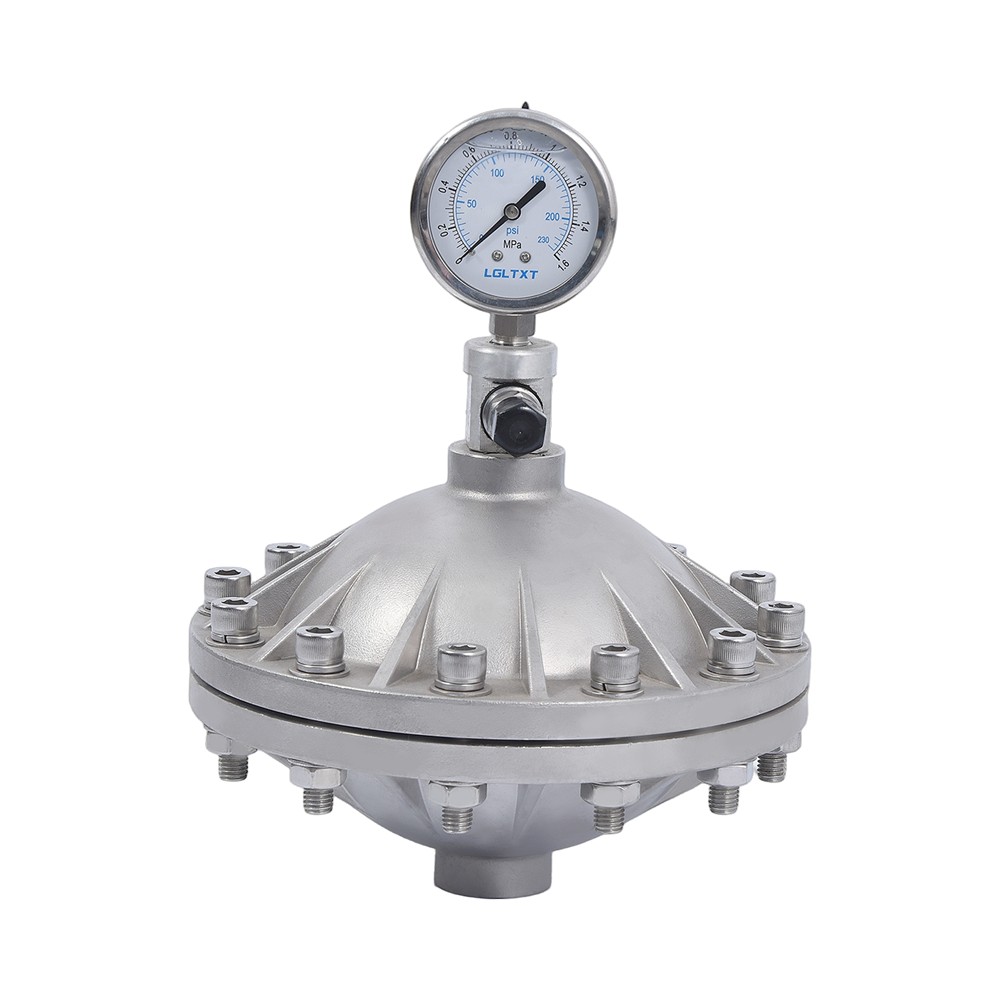 Pulsation Dampener Accessory for Pump Discharge LinesAccessory that smooths discharge-line pulsation, helping reduce pipe vibration and stress on downstream instruments in pump systems.View Product →
Fluid Compatibility, Shear, and Contamination
Peristaltic pumps are the better choice for shear-sensitive fluids, while diaphragm pumps are the better choice for aggressive, abrasive, or particle-laden fluids. Shear-sensitive fluids include blood, cell cultures, polymers, emulsions, and some food products. Because the peristaltic pump squeezes a tube, the fluid experiences very little mechanical shear. The trade-off is that the tube can be damaged by sharp particles or swollen by aggressive solvents. Diaphragm pumps can be built in aluminum, stainless steel, polypropylene, or PVDF, with diaphragms and valves selected for the chemical. They handle suspended solids well, but the valve action creates more shear than a peristaltic tube.
Dry-Run Tolerance, Maintenance, and Cost of Ownership
Air-operated diaphragm pumps tolerate dry running far better than peristaltic pumps. Running a peristaltic pump dry for even a short time can overheat the tube and shorten its life. A diaphragm pump may still be damaged by long dry runs, but it is far more forgiving in intermittent or unpredictable service. Maintenance follows the same split. Diaphragm pumps need periodic diaphragm, valve, and O-ring replacement, usually at longer intervals. Peristaltic pumps need tube changes, which are quick and simple but more frequent. The tube is a consumable, so its cost and replacement interval drive the total cost of ownership. In low-flow dosing, peristaltic pumps often have a lower initial cost but higher consumable cost. In high-flow transfer, diaphragm pumps usually cost more up front but last longer between rebuilds.
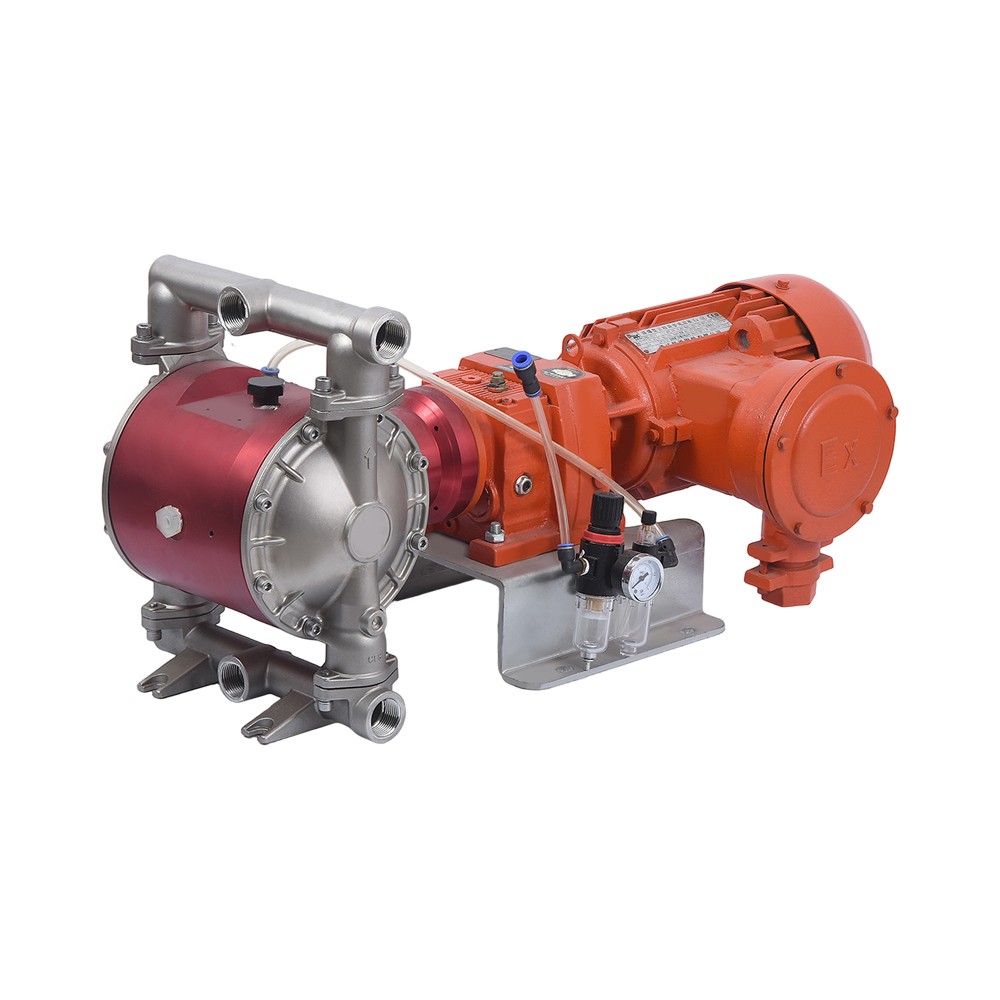 Electric Diaphragm Pump High Flow for Water TransferA 12V/24V electric diaphragm pump for water transfer and irrigation, featuring self-priming, dry-run protection, and up to 60 L/min flow.View Product →
When to Choose a Diaphragm Pump
Choose a diaphragm pump when flow, pressure, and ruggedness matter more than ultra-low shear. It is the stronger option in these situations:
- You need to transfer high-viscosity, abrasive, or solids-laden fluids.
- Your process requires high discharge pressure or high flow rate.
- The pump may run dry during startup, priming, or tank emptying.
- The area is classified as explosive or requires an air-operated, spark-free drive.
- You need self-priming performance from a dry suction line.
- You are feeding filters, spray nozzles, or long discharge pipes.
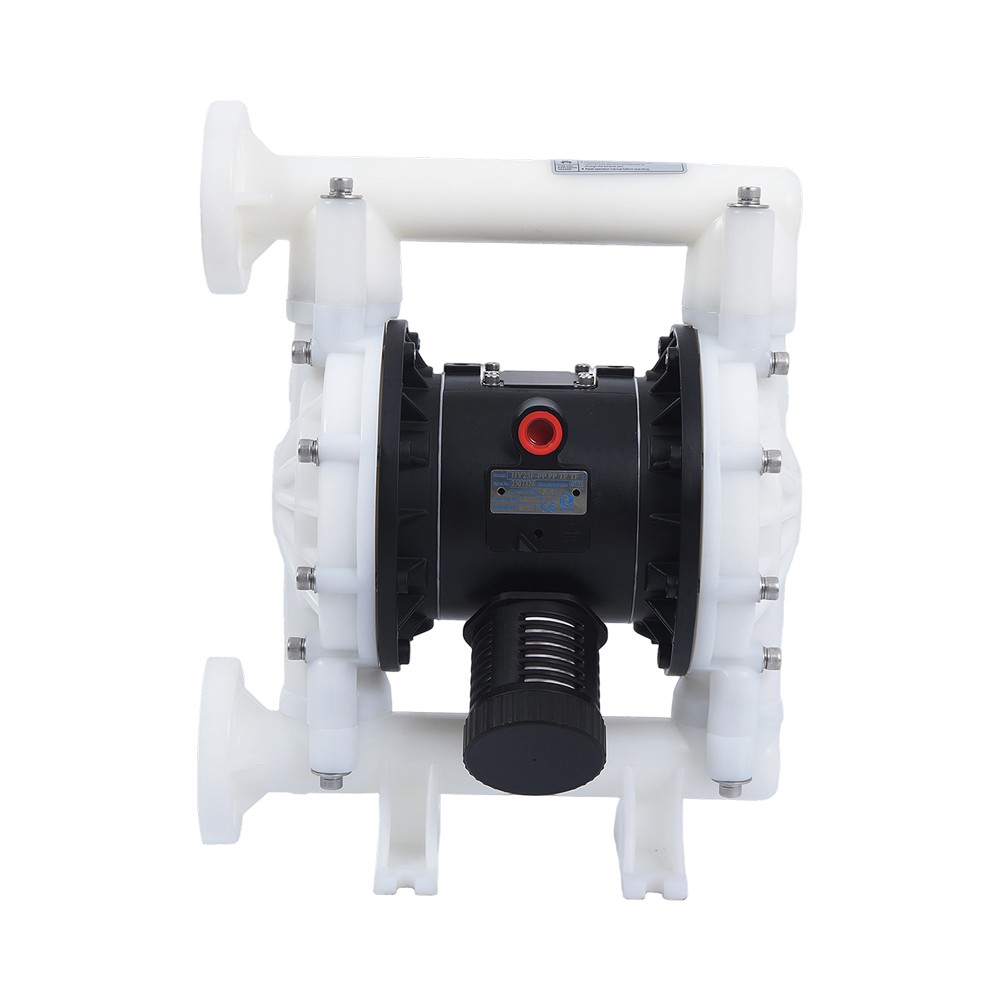
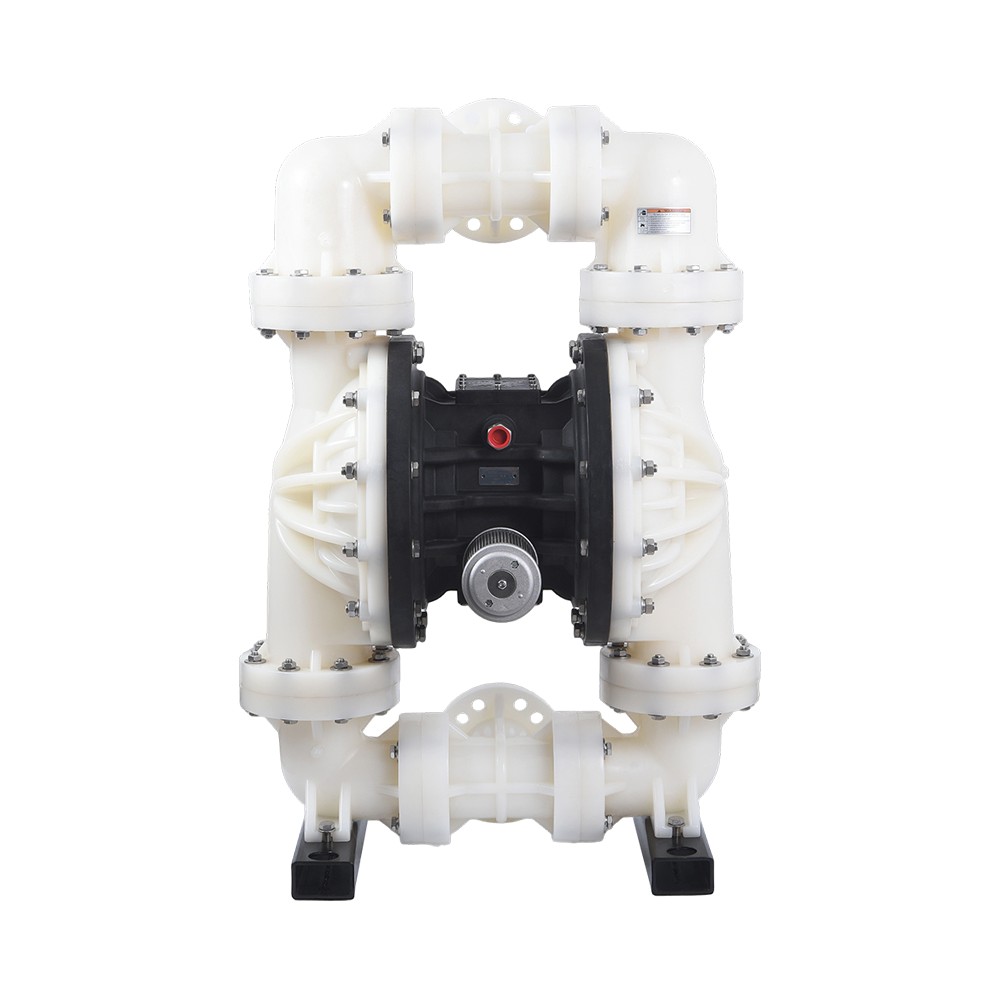
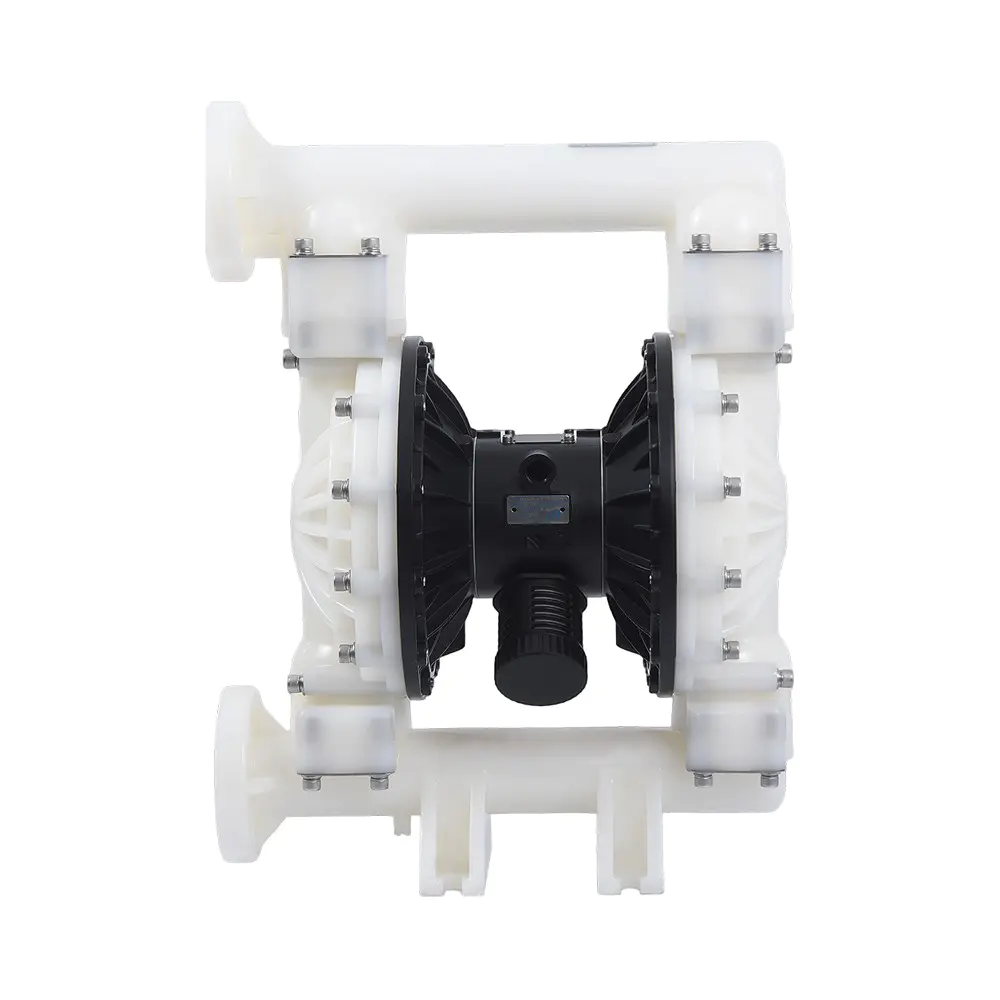
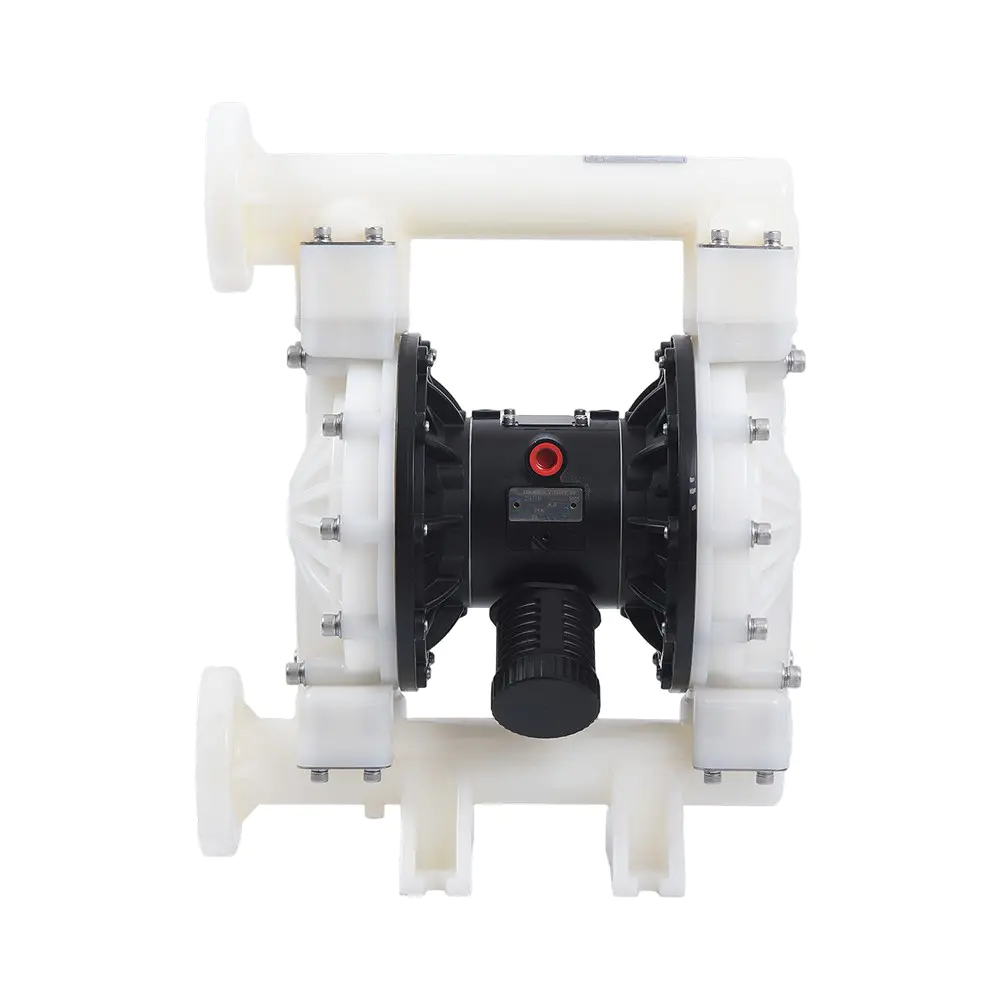
Air-operated models are especially common in chemical plants, wastewater treatment, and paint circulation. They can be controlled with simple air regulators and are easy to integrate into existing skids. For a wide range of materials and sizes, our diaphragm pump range covers aluminum, stainless steel, polypropylene, and PVDF options.
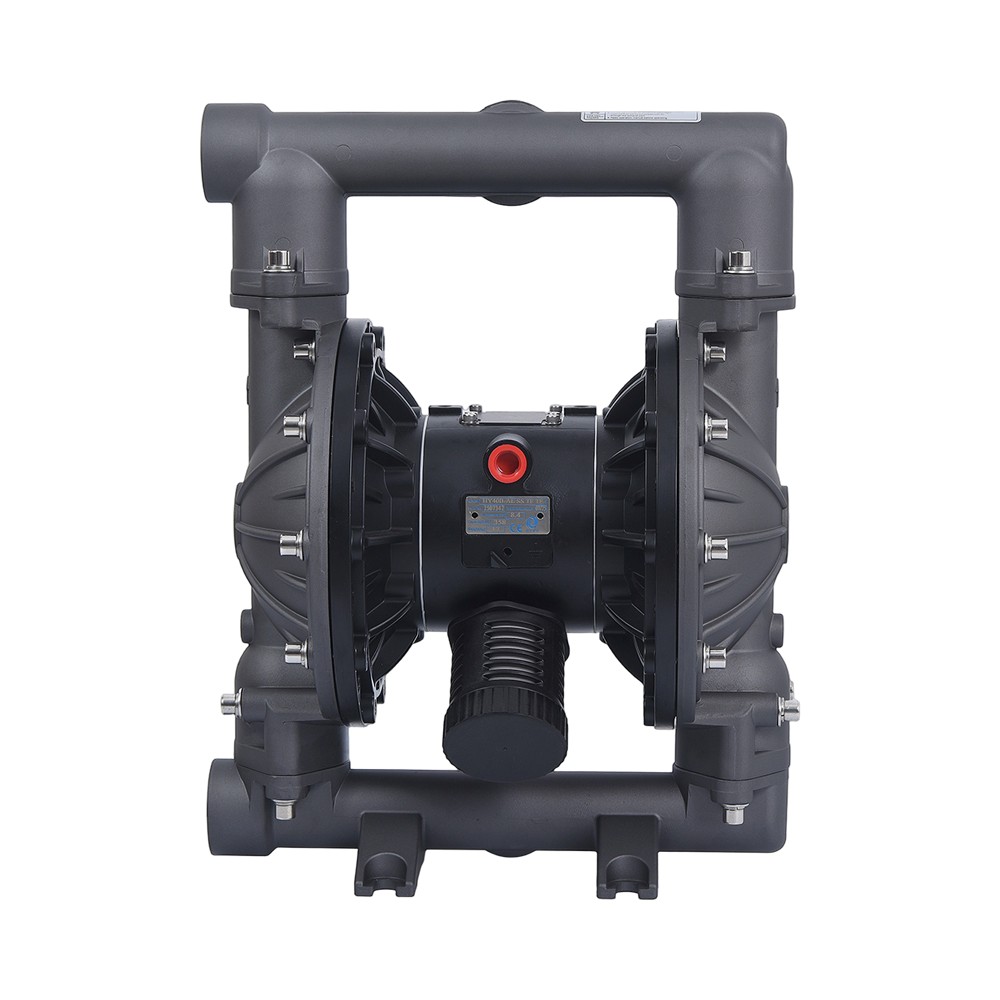 Pneumatic Diaphragm Pumps in Aluminum, Stainless Steel, PP, PVDFAir-operated double diaphragm pumps with multiple wetted-material and size options for chemical, wastewater, and industrial fluid handling.View Product →
When to Choose a Peristaltic Pump
Choose a peristaltic pump when precision, hygiene, and low shear are the priority. It is the stronger option in these situations:
- You are dosing small volumes with high repeatability, often below 10 L/h.
- The fluid is shear-sensitive, such as blood, cell culture, or polymer solutions.
- You need sterile or cross-contamination-free operation with a disposable or autoclavable tube.
- The fluid must not contact valves, seals, or metal parts.
- You need reversible flow or easy tube replacement between batches.
- Your pressure and flow requirements are modest.
Peristaltic pumps are common in laboratory dosing, water treatment chemical feed, and food and beverage additive injection. They are less suitable for high-pressure transfer, abrasive slurries, or continuous dry running.
Selection Checklist: Matching the Pump to Your Process
Use this checklist to avoid a costly mismatch. Start with the fluid, then confirm the duty point, then evaluate maintenance and cost.
- Define the required flow range and dosing accuracy. Use the normal and maximum values, not just the average.
- Measure viscosity, solids content, particle size, and chemical compatibility. A pump that handles the chemistry may still fail on abrasion.
- Confirm discharge pressure and suction conditions. Include pipe losses, static head, and any downstream filters or valves.
- Check dry-run and self-priming needs. If the pump may lose prime, a diaphragm pump is usually safer.
- Evaluate shear sensitivity. If the fluid is shear-sensitive, favor a peristaltic pump or a low-shear diaphragm design.
- Compare total cost of ownership. Include diaphragms, valves, tubes, downtime, and labor, not just the purchase price.
- Verify the operating environment. Explosive areas, washdown zones, and outdoor installations all affect the drive and materials.
FAQ
Can a diaphragm pump replace a peristaltic pump for dosing?
Yes, if the required flow is above roughly 1 L/h and the fluid is not highly shear-sensitive. A diaphragm pump with proper stroke control can dose accurately, but a peristaltic pump usually holds tighter accuracy at very low flow rates.
Which pump handles abrasive slurries better?
A diaphragm pump is generally better for abrasive slurries because it can use hardened valves and tough diaphragms. A peristaltic pump’s tube can be cut or worn quickly by sharp particles.
Are peristaltic pumps better for shear-sensitive fluids?
Yes. The fluid only touches the inside of a flexible tube and is not subjected to valve action or high-velocity shear. That makes peristaltic pumps a common choice for biological and polymer fluids.
What about pulsation in each pump type?
Both pumps produce pulsating flow. Diaphragm pumps pulse with each reciprocating stroke, while peristaltic pumps pulse as each roller releases the tube. A pulsation dampener or flexible accumulator can reduce the effect on piping and instruments.
Which pump is cheaper to maintain?
It depends on the duty cycle. Peristaltic pumps have low-cost tubes but frequent replacement. Diaphragm pumps have more parts, yet longer service intervals in heavy-duty transfer. Calculate cost per hour of operation, not cost per part.
In short, match the pump to the job. Choose a diaphragm pump for flow, pressure, solids, viscosity, and dry-run tolerance. Choose a peristaltic pump for low-flow precision, low shear, and sterile or contamination-free handling. If you are still unsure, test with your actual fluid and duty cycle, then confirm the maintenance plan before you buy. For more application notes and company updates, visit our industry news section.