

 EN
EN
 English
 Français
 Español
 عربى
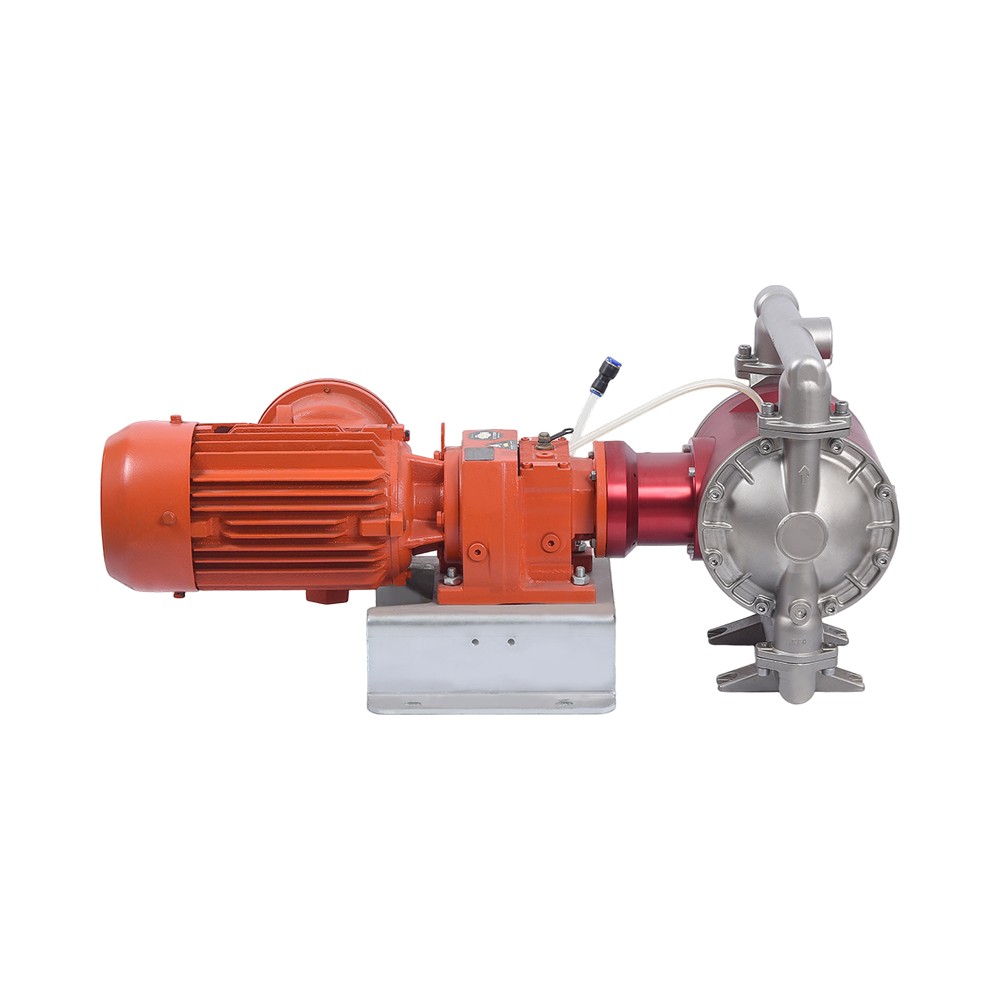
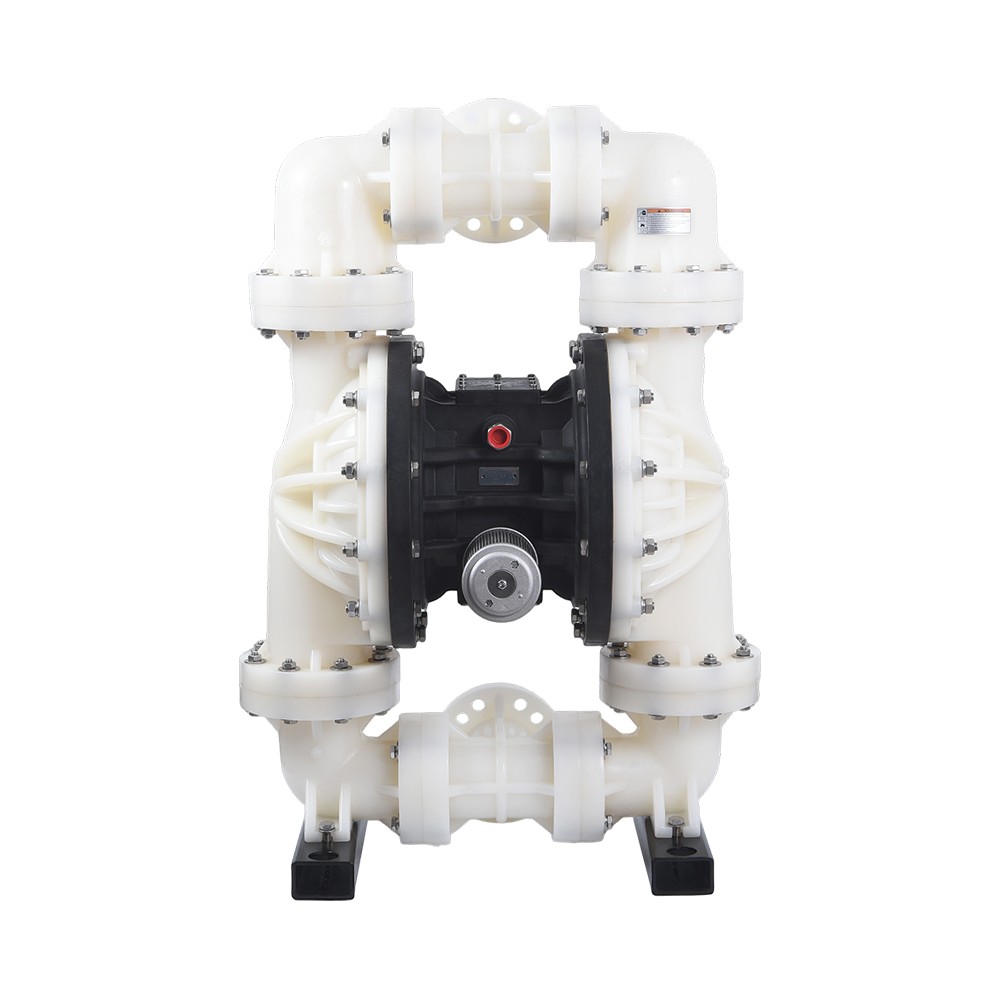
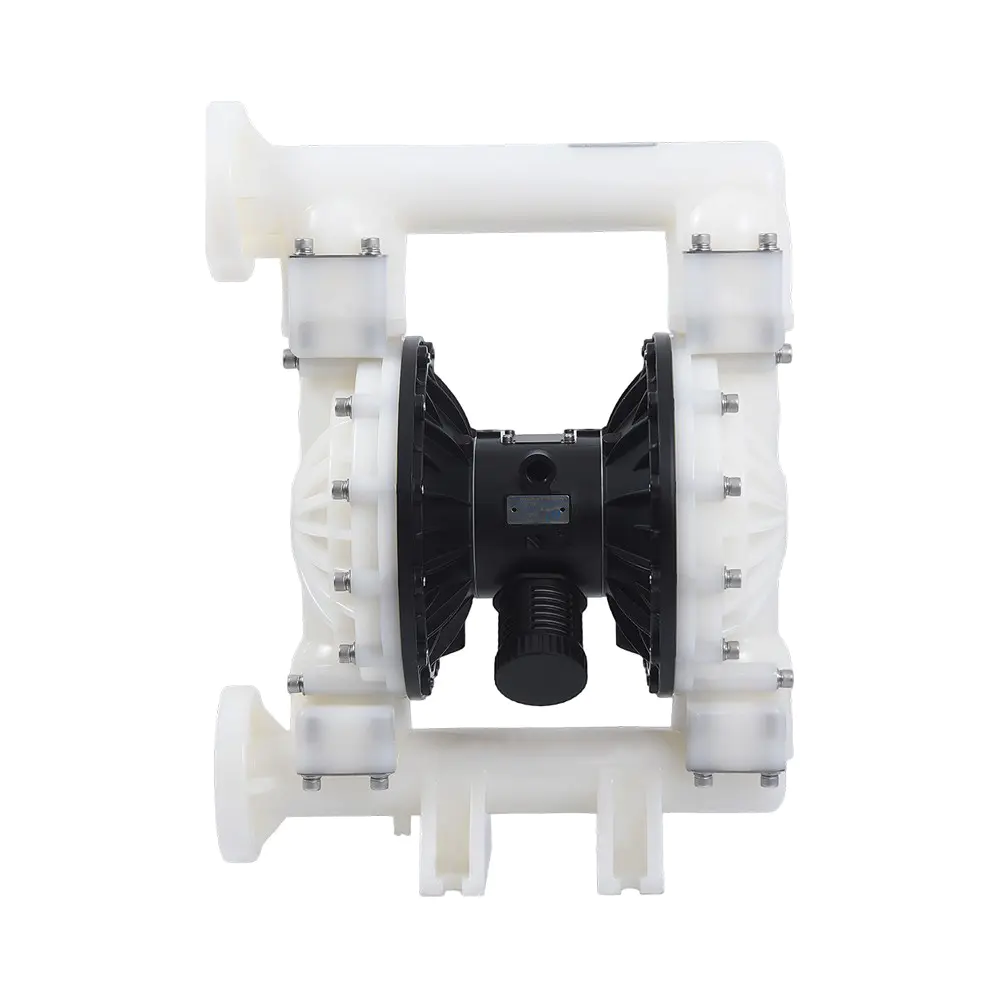
عربىAn air diaphragm pump works by using compressed air to alternately flex two flexible membranes (diaphragms) back and forth inside a twin-chamber housing, creating suction and discharge strokes that move liquid through the pump without any electrical components contacting the fluid. Also called an air-operated double diaphragm pump (AODD pump), this technology is self-priming, runs dry without damage, handles solids-laden and viscous fluids, and is inherently safe for explosive or flammable environments — making it one of the most versatile positive-displacement pumps in industrial use today.
Content
- 1 What Is an Air Diaphragm Pump and How Does It Differ from Other Pump Types?
- 2 How Does an Air Diaphragm Pump Work? A Step-by-Step Explanation
- 3 What Are the Key Components Inside an Air Diaphragm Pump?
- 4 How Does an Air Diaphragm Pump Compare to Other Common Pump Types?
- 5 Which Diaphragm Material Is Right for Your Application?
- 6 What Industries and Applications Use Air Diaphragm Pumps?
- 7 What Are the Typical Performance Specifications of an Air Diaphragm Pump?
- 8 How to Diagnose and Fix Common Air Diaphragm Pump Problems
- 9 How to Install and Operate an Air Diaphragm Pump Correctly
- 10 Frequently Asked Questions About Air Diaphragm Pumps
- 11 Conclusion: Why Understanding How an Air Diaphragm Pump Works Matters
What Is an Air Diaphragm Pump and How Does It Differ from Other Pump Types?
An air diaphragm pump is a positive-displacement pump that uses compressed air — not electricity or a mechanical shaft seal — as its power source, which means the pumped fluid never contacts any rotating parts, motors, or electrical components. This fundamental design difference is what makes the air-operated diaphragm pump safe, leak-free, and suitable for applications where other pump technologies fail or are prohibited.
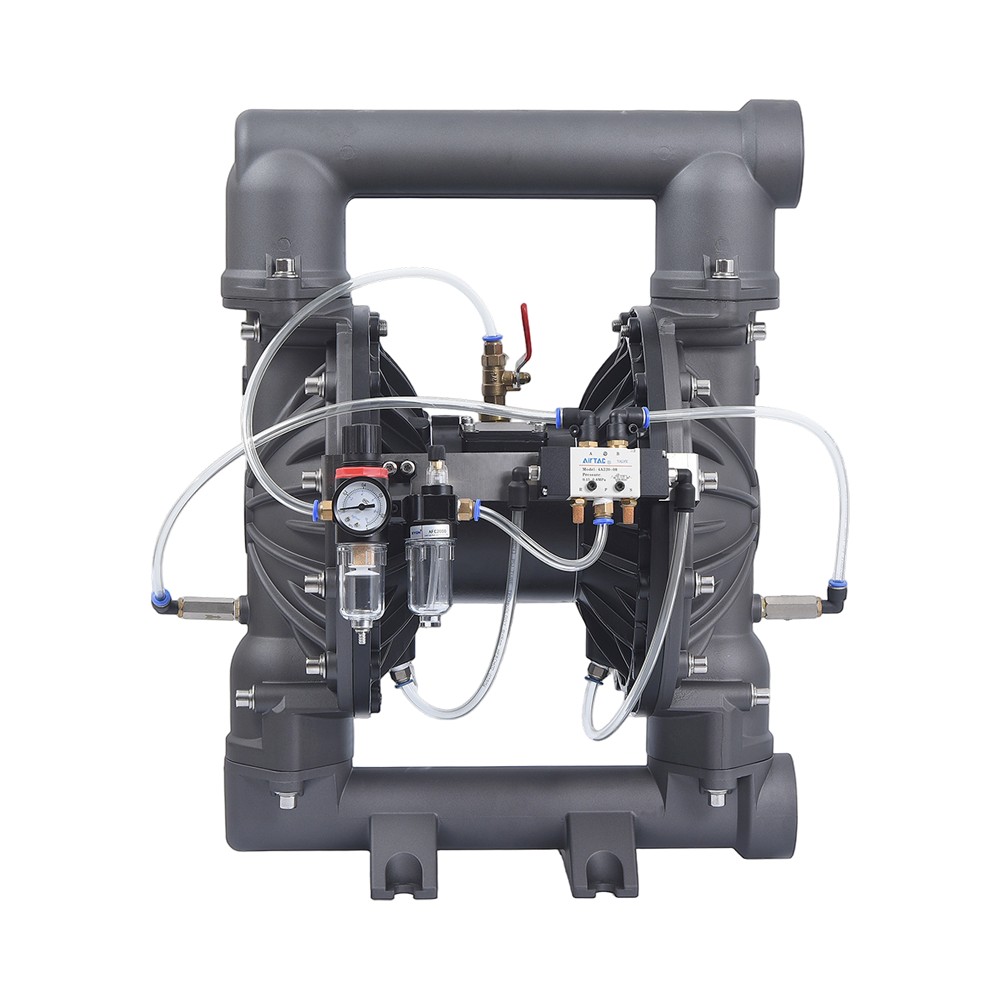
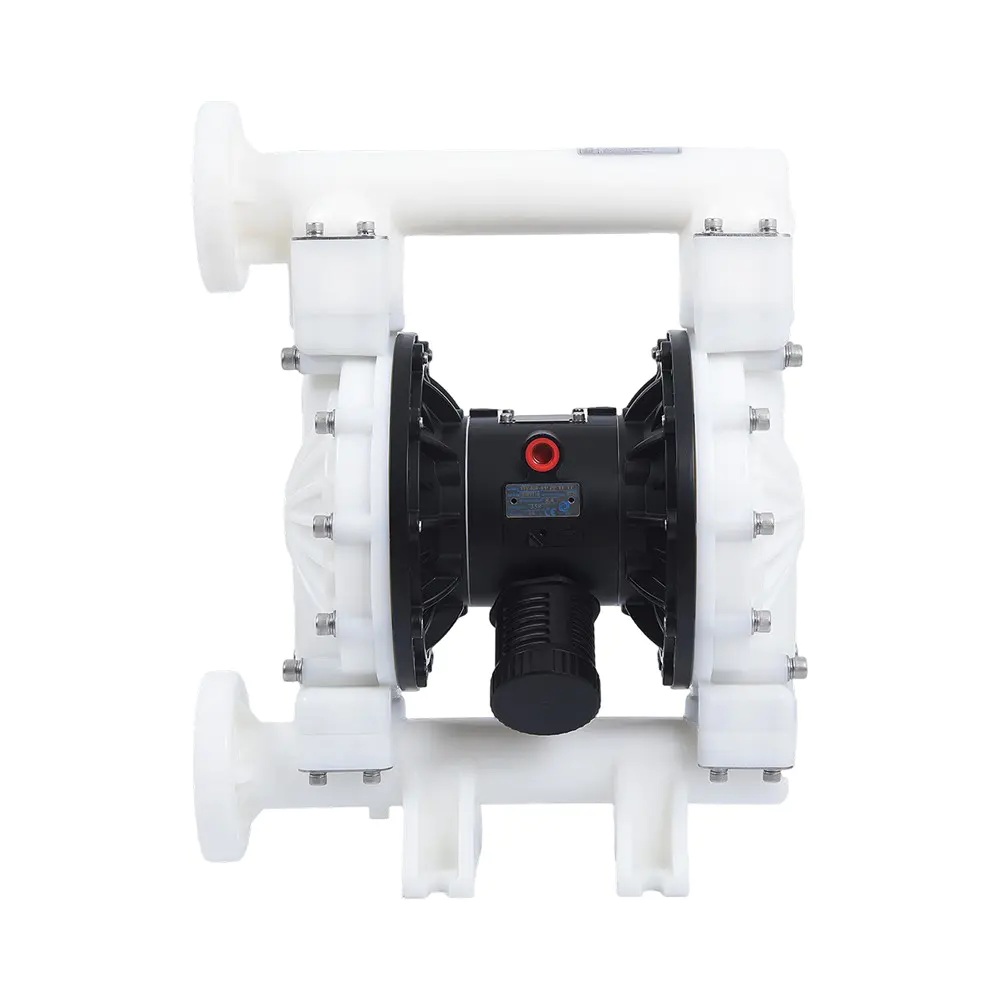
The pump consists of two mirrored fluid chambers, each sealed by a flexible diaphragm made from elastomeric or thermoplastic material. The two diaphragms are connected by a central shaft. When compressed air is admitted to one chamber, it pushes that diaphragm outward (discharge stroke), simultaneously pulling the opposite diaphragm inward (suction stroke) via the shared shaft. An air valve assembly automatically switches the compressed air supply between chambers, creating a continuous, self-reversing pumping cycle.
Unlike centrifugal pumps, which rely on impeller rotation and lose efficiency with viscous fluids, the air diaphragm pump delivers consistent flow regardless of fluid viscosity — from water-thin solvents to thick pastes with viscosities exceeding 50,000 centipoise (cP). Unlike gear pumps or piston pumps, it contains no close-tolerance internal parts that can be damaged by entrained solids or abrasive particles.
How Does an Air Diaphragm Pump Work? A Step-by-Step Explanation
The air diaphragm pump works through a reciprocating cycle driven entirely by compressed air, with an automatic air distribution valve ensuring the two chambers operate in perfect alternating sequence to produce near-continuous flow. Understanding each stage of the cycle reveals why this design is so reliable and why it self-primes without operator intervention.
Step 1 — Compressed Air Enters Chamber A
The air distribution valve (also called the pilot valve or air valve) directs compressed air — typically at 2 to 8 bar (30 to 120 PSI) — into the air side of Chamber A. This pressurized air acts directly on the back face of Diaphragm A, pushing it outward toward the fluid outlet side of the chamber.
Step 2 — Discharge Stroke in Chamber A
As Diaphragm A moves outward, it compresses the fluid in Chamber A, forcing it past the outlet ball check valve and out through the discharge manifold. The inlet ball check valve on Chamber A is simultaneously held shut by the discharge pressure, preventing backflow. The volume of fluid displaced per stroke depends on the diaphragm diameter and stroke length — in a 2-inch (50 mm) AODD pump, this is typically 0.5 to 1.0 liters per stroke.
Step 3 — Simultaneous Suction Stroke in Chamber B
The central connecting shaft links both diaphragms rigidly. As Diaphragm A moves outward on its discharge stroke, it simultaneously pulls Diaphragm B inward, expanding the volume of Chamber B. This expansion creates a low-pressure zone (partial vacuum) in Chamber B, which draws fluid in through the inlet manifold and past Chamber B's inlet ball check valve. The outlet check valve on Chamber B remains closed during this suction phase.
Step 4 — Air Valve Switches
When Diaphragm A reaches the end of its stroke (full extension), a pilot signal triggers the air distribution valve to switch. The compressed air supply is cut off from Chamber A and simultaneously routed to Chamber B. The exhaust air from Chamber A is vented to atmosphere (or in hazardous area installations, piped to a remote safe vent location). This switching action is purely mechanical and pneumatic — no electrical signals, solenoids, or sensors are required.
Step 5 — Roles Reverse, Cycle Continues
Chamber B now enters its discharge stroke while Chamber A enters its suction stroke. The cycle repeats continuously, with stroke frequency ranging from a few strokes per minute (at low air supply or high discharge pressure) to over 200 strokes per minute at maximum flow conditions. Because both chambers are always active — one discharging while the other is filling — the air-operated diaphragm pump produces a pulsating but near-continuous flow, typically with a pulse frequency that can be smoothed by a pulsation dampener if a steady flow is required.
What Are the Key Components Inside an Air Diaphragm Pump?
Every air diaphragm pump contains six critical components whose material selection and design determine the pump's compatibility with the fluid being handled, its pressure rating, and its service life.
- Diaphragms — The flexible membranes that form the boundary between the air side and fluid side. Available in PTFE (polytetrafluoroethylene), Buna-N (nitrile), neoprene, EPDM, Santoprene, and other elastomers, each suited to different chemical and temperature environments. PTFE diaphragms are the most chemically universal but are more rigid and may have slightly shorter flex life.
- Ball check valves — Four check valves (two inlet, two outlet) control the direction of fluid flow. Ball material choices include PTFE, stainless steel, polypropylene, and Hastelloy for corrosive service. Ball diameter must be matched to the solids size in the pumped fluid — a 1-inch pump can typically handle solids up to 6–8 mm in diameter.
- Center section and connecting shaft — Houses the air distribution valve and links both diaphragms mechanically. Made from aluminum, stainless steel, polypropylene, or PVDF (polyvinylidene fluoride) depending on the environment and any potential for fluid contamination via diaphragm failure.
- Air distribution valve (pilot valve) — The brain of the pump. This spool-type or shuttle-type valve alternates compressed air between chambers. It must be kept clean and free of moisture — an inline air filter-regulator-lubricator (FRL) unit upstream of the pump is essential for reliable valve operation.
- Fluid chambers (wet side bodies) — The two fluid-contacting housings on either side of the center section. Available in cast aluminum, stainless steel 316, polypropylene, PVDF, cast iron, and ductile iron. Chamber material must be chemically compatible with the process fluid.
- Manifolds (inlet and outlet) — Connect the two chambers to the single suction and discharge piping connections, incorporating the check valve seats. The manifold configuration (top, bottom, or side ported) is selected based on installation layout and solids-settling considerations.
How Does an Air Diaphragm Pump Compare to Other Common Pump Types?
The air-operated diaphragm pump outperforms centrifugal, gear, and peristaltic pumps in challenging fluid conditions — particularly for shear-sensitive, abrasive, highly viscous, or hazardous fluids — while centrifugal pumps remain superior for high-volume, low-viscosity clean fluid service.
| Criteria | Air Diaphragm Pump | Centrifugal Pump | Gear Pump | Peristaltic Pump |
| Power Source | Compressed air | Electric motor | Electric motor | Electric motor |
| Self-Priming | Yes (up to 6 m lift) | Limited / No | Partial | Yes |
| Dry-Run Safe | Yes | No | No | Yes |
| Solids Handling | Excellent (up to 76 mm) | Limited | Poor | Good |
| Viscous Fluid Performance | Excellent | Poor | Good | Moderate |
| Hazardous Area Safe | Inherently (no electricity) | Requires ATEX motor | Requires ATEX motor | Requires ATEX motor |
| Deadhead (stall) Safe | Yes (stalls, no damage) | Risk of overheating | Risk of damage | Yes |
| Shear-Sensitive Fluids | Gentle (low shear) | High shear | Moderate–high shear | Very gentle |
| Flow Range (typical) | 0.2 – 1,000+ L/min | Wide (up to 10,000+ L/min) | 0.1 – 500 L/min | 0.001 – 400 L/min |
| Energy Efficiency | Moderate (compressed air costly) | High (for clean fluids) | Good | Moderate |
Table 1: Comparative performance of air diaphragm pumps versus centrifugal, gear, and peristaltic pumps across ten operational criteria.
Which Diaphragm Material Is Right for Your Application?
Diaphragm material selection is the single most critical decision when specifying an air-operated diaphragm pump, because the wrong elastomer will degrade rapidly, contaminate the process fluid, or fail catastrophically. The table below summarizes the most common diaphragm materials and their appropriate applications.
| Material | Temperature Range | Chemical Resistance | Best For | Limitation |
| PTFE | -40°C to +120°C | Universal | Acids, solvents, aggressive chemicals | Stiffer, shorter flex life |
| Buna-N (Nitrile) | -30°C to +90°C | Good (oils, fuels) | Petroleum products, lubricating oils | Poor with ozone, ketones |
| Neoprene | -40°C to +100°C | Moderate | Mild chemicals, water-based fluids | Limited solvent resistance |
| EPDM | -40°C to +120°C | Good (steam, hot water) | Hot water, steam, dilute acids/alkalis | Not suitable for oils or fuels |
| Santoprene (TPE) | -50°C to +135°C | Good | Abrasive slurries, wide temp range | Limited strong solvent resistance |
| Viton (FKM) | -20°C to +200°C | Excellent (harsh chemicals) | High-temperature solvents, fuels, acids | High cost; not for ketones/amines |
Table 2: Diaphragm material options for air-operated diaphragm pumps, with temperature ratings, chemical compatibility profiles, and recommended applications.
What Industries and Applications Use Air Diaphragm Pumps?
Air diaphragm pumps are used in virtually every major process industry because their combination of chemical resistance, solids handling, dry-run safety, and intrinsic hazardous-area suitability fills a critical gap that no single alternative pump technology covers.
Chemical and Petrochemical Processing
AODD pumps transfer acids, alkalis, solvents, and corrosive reagents where electric pump motors would require expensive ATEX certification and where shaft seals are a contamination and safety liability. A typical chemical plant may use dozens of air-operated diaphragm pumps for drum unloading, reactor charging, and waste chemical transfer.
Food and Beverage Production
Sanitary-grade air diaphragm pumps with FDA-compliant elastomers and electropolished stainless steel bodies transfer viscous, shear-sensitive products such as fruit pulp, tomato paste, mayonnaise, chocolate, and honey without degrading product texture or integrity. Their self-priming capability is especially valuable for emptying storage tanks and drums completely.
Mining and Mineral Processing
Heavy-duty AODD pumps with abrasion-resistant elastomers (Santoprene, neoprene) and reinforced housing handle aggressive slurries containing grit, sand, and ore particles that would rapidly destroy mechanical seals in centrifugal or gear pumps. Larger models (3-inch to 4-inch port size) can pass solids up to 76 mm (3 inches) in diameter.
Paint, Coatings, and Printing Inks
The low-shear pumping action of the air diaphragm pump preserves pigment dispersion in paints and inks that would be damaged by high-shear centrifugal pumps. AODD pumps are standard equipment in spray finishing systems, coating circulation loops, and ink transfer systems.
Wastewater and Environmental Remediation
The ability to run dry and self-prime makes air-operated diaphragm pumps ideal for sump dewatering, sludge transfer, and environmental remediation where fluid levels fluctuate unpredictably. Submersible AODD variants can be placed directly in sumps and pits for automatic start-stop operation without priming.
What Are the Typical Performance Specifications of an Air Diaphragm Pump?
Air diaphragm pump performance is governed by three linked variables: inlet air pressure, discharge head, and flow rate — and understanding this relationship is essential for correct pump sizing.
Key performance parameters across common pump sizes include:
- Air supply pressure: Most AODD pumps operate on 2–8 bar (30–120 PSI) compressed air. Maximum discharge pressure equals the inlet air pressure minus friction losses — so an 8 bar air supply can produce up to approximately 7.5 bar fluid discharge pressure.
- Flow rate: Ranges from less than 1 liter per minute (for 6 mm micro-pumps) to over 1,000 liters per minute for large 3-inch (76 mm) port pumps. A standard 1-inch AODD pump delivers approximately 50–100 L/min at 4 bar air pressure and low discharge head.
- Self-priming capability: Typically 3–6 meters of suction lift, depending on diaphragm flexibility and check valve design. PTFE diaphragms provide slightly less suction lift than softer elastomers.
- Solids passage: Determined by the pump port size — a 1-inch pump passes solids to approximately 6 mm; a 3-inch pump passes up to 76 mm solids.
- Air consumption: Typically 1.5–3.0 Nm3 (normal cubic meters) of compressed air per cubic meter of fluid pumped, depending on discharge pressure and pump efficiency. Energy costs for compressed air (approximately USD 0.02–0.04 per Nm3) are typically higher than equivalent electric pump operation, which is the AODD pump's main economic disadvantage.
- Viscosity capability: Up to 50,000 cP for standard ball-check designs; specialized pumps with flat valve seats can handle pastes and slurries at higher viscosities still.
How to Diagnose and Fix Common Air Diaphragm Pump Problems
The most frequent air diaphragm pump failures — icing, stalling, rapid diaphragm failure, and loss of prime — all have identifiable causes that experienced operators can resolve quickly without specialized tools.
| Symptom | Most Likely Cause | Corrective Action |
| Pump ices up / freezes during operation | Wet compressed air expanding through exhaust port | Install upstream air dryer; drain FRL regularly; use heat-traced air line |
| Pump stalls (stops cycling) | Pilot valve contamination or air supply too low | Check air pressure at pump inlet; clean or replace air valve; purge moisture from air line |
| Diaphragm fails prematurely | Wrong elastomer for fluid; air pressure too high; solids too large | Verify chemical compatibility; reduce max air pressure; check solids size vs pump rating |
| Loss of prime / pump runs but no flow | Check valve fouled or leaking; suction lift too high | Inspect and clean check valve balls and seats; reduce suction lift; flood prime if possible |
| Excessive pulsation in discharge | Normal for AODD; worsened by high speed or large bore | Install pulsation dampener on discharge line; reduce pump speed via air pressure |
| Fluid in exhaust air (diaphragm breach) | Diaphragm rupture — fluid leaking into air side | Stop pump immediately; replace diaphragm; investigate root cause |
| Pump runs but low flow rate | Insufficient air supply; partially blocked check valve; worn diaphragm | Check air supply flow (not just pressure); inspect check valves; replace diaphragm if aged |
Table 3: Common air diaphragm pump faults, their probable causes, and step-by-step corrective actions for maintenance teams.
How to Install and Operate an Air Diaphragm Pump Correctly
Correct installation of an air-operated diaphragm pump — particularly the air supply line and piping configuration — determines whether the pump will perform reliably for years or require constant maintenance.
- Install an FRL (Filter-Regulator-Lubricator) unit upstream — A 40-micron filter removes particulates and moisture that would jam the air valve. The regulator allows precise speed and pressure control. A lubricator (if required by the pump model) extends air valve service life. Some modern AODD pumps are designed for lube-free operation and must not be lubricated.
- Use flexible suction and discharge hose connections — Rigid piping transmits pump vibration to the connected system. Short flexible hose sections (300–500 mm) on both suction and discharge prevent pipe fatigue, reduce noise, and make pump removal for maintenance simpler.
- Keep suction lines short and large diameter — Excessive suction line length or undersized pipe creates friction losses that reduce self-priming capability and flow rate. Suction line diameter should match or exceed the pump port size, and total suction pipe length should ideally be under 3 meters.
- Mount the pump securely but on an anti-vibration pad — The reciprocating action of AODD pumps creates vibration that, over time, can loosen connections and fatigue nearby pipework. Rubber anti-vibration mounts reduce transmitted vibration by 70–80%.
- Size the air supply line for flow, not just pressure — The most common installation mistake is using an undersized air supply line. A 1/4-inch air line delivering 7 bar is useless if it cannot supply the volume of air (Nm3/min) the pump needs at high stroke rates. Air line diameter should typically be one size larger than the pump's air inlet port.
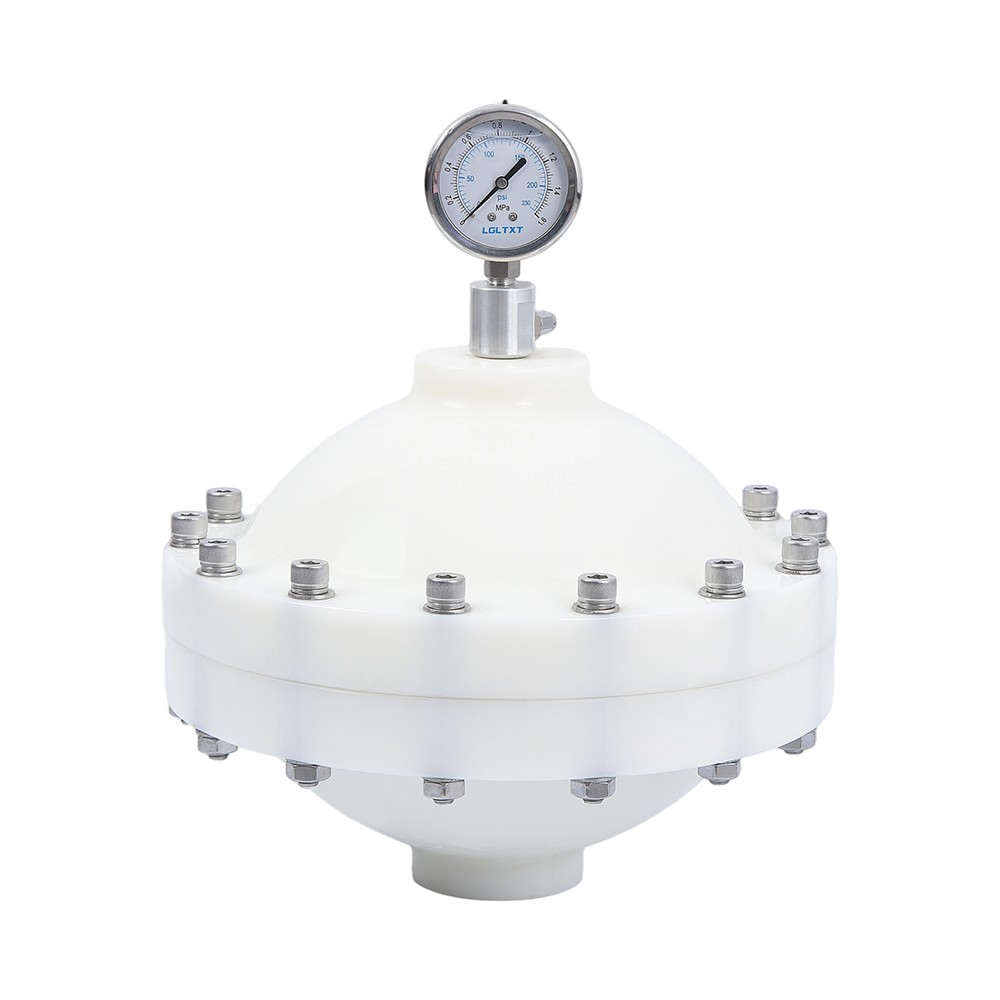
- Install a pulsation dampener on discharge if required — For flow metering, spray applications, or sensitive downstream equipment, a bladder-type pulsation dampener reduces discharge pulse amplitude by 80–95%, converting the pulsating AODD output to near-steady flow.
Frequently Asked Questions About Air Diaphragm Pumps
Q: Can an air diaphragm pump run dry without damage?
Yes — running dry is one of the most important practical advantages of the air diaphragm pump design. Because the diaphragms simply flex in air when there is no fluid present, no heat is generated and no seals or impellers are damaged. This makes AODD pumps ideal for batch operations where tanks are emptied completely, drum unloading, and sumps where fluid level is unpredictable. The only exception is that running at full speed completely dry for extended periods will increase diaphragm wear slightly, so it is good practice to reduce air pressure when dry running is expected.
Q: How is the flow rate of an air diaphragm pump controlled?
Flow rate is controlled simply by adjusting the inlet air pressure using the upstream regulator — no variable-speed drive or control valve is needed. Higher air pressure increases stroke frequency and therefore flow rate. Lower pressure reduces it. This simplicity means a single instrument (an air pressure regulator costing as little as USD 20–50) replaces the complex variable-frequency drives required for electric pump flow control. For more precise flow control, a needle valve on the air supply provides fine throttling.
Q: What happens if the discharge line is blocked (deadhead condition)?
When the discharge line is blocked, the air diaphragm pump simply stalls against the back pressure and stops cycling — no damage occurs to the pump, piping, or fluid. The pump will restart automatically as soon as the blockage is cleared. This deadhead-safe behavior is fundamentally different from centrifugal pumps (which overheat) or positive-displacement pumps with rigid mechanisms (which can generate destructive pressure). It eliminates the need for pressure relief valves in many installations.
Q: How often should diaphragms be replaced?
Diaphragm service life varies widely based on fluid chemistry, operating pressure, and stroke rate, but typical industrial service life ranges from 3 months to 3 years. Light-duty applications (clean water, low pressure, slow cycling) can see diaphragm life of 3–5 years or more. Aggressive service (strong acids, abrasive slurries, high pressure at maximum speed) may require diaphragm replacement every 3–6 months. Most maintenance programs include diaphragm inspection every 6 months and preemptive replacement at the first sign of surface cracking, swelling, or delamination.
Q: Are air diaphragm pumps suitable for hygienic or sanitary applications?
Yes — sanitary-grade AODD pumps designed to 3-A, EHEDG, or FDA standards are widely used in food, beverage, dairy, pharmaceutical, and cosmetic production. These pumps feature electropolished stainless steel 316L bodies, FDA-compliant elastomers (USP Class VI PTFE, EPDM, or silicone diaphragms), and Tri-Clamp (Tri-Clover) connections that allow rapid disassembly and cleaning. The absence of shaft seals — a common contamination point in other pump types — is a significant hygienic advantage of the AODD design.
Q: What is the main disadvantage of using an air diaphragm pump?
The primary disadvantage of air-operated diaphragm pumps is the relatively high energy cost of compressed air compared to direct electric drive. Generating compressed air typically costs 3–5 times more per unit of work done than driving an equivalent electric pump directly. For high-volume, continuous-duty applications on clean, non-hazardous fluids, a centrifugal pump with electric motor will usually be more economical. The AODD pump's economic case is strongest in hazardous areas, intermittent duty, difficult fluids, and applications requiring its unique safety and self-priming characteristics — where the alternative would require expensive ATEX equipment or frequent pump replacement.
Q: Can an air diaphragm pump be submerged?
Submersible AODD pumps are available and are specifically designed to be lowered directly into sumps, tanks, pits, or containers for efficient fluid removal. The air inlet and exhaust ports are sealed or piped to above the fluid surface. Submersible AODD pumps are particularly useful for sump dewatering in construction, mining, and industrial decontamination where conventional submersible electric pumps would be unsafe due to electrical hazards or fluid aggression.
Conclusion: Why Understanding How an Air Diaphragm Pump Works Matters
The air diaphragm pump's operating principle — reciprocating flexible membranes powered by compressed air with automatic valve switching — is deceptively simple, yet it produces a pump that outperforms more complex technologies in dozens of the most challenging industrial fluid-handling scenarios.
From safely transferring flammable solvents in refineries to gently conveying delicate food products in processing plants, from pumping abrasive mining slurries to dewatering flooded construction sites, the air-operated diaphragm pump delivers reliability that justifies its higher operating cost in compressed air consumption many times over.
Understanding how an air diaphragm pump works — its cycle mechanics, check valve function, diaphragm material selection, and performance characteristics — is the foundation for specifying the right pump, installing it correctly, operating it efficiently, and troubleshooting it quickly when problems arise. For engineers, maintenance technicians, and procurement managers working with difficult, hazardous, or sensitive fluids, the air diaphragm pump remains one of the most valuable and versatile tools in the fluid handling toolkit.