

 EN
EN
 English
 Français
 Español
 عربى
عربىYes — a leak-free diaphragm pump is one of the most suitable pump technologies for food-grade and pharmaceutical fluid handling, provided it is constructed from the correct wetted materials, meets the relevant sanitary design standards, and is validated for the specific process conditions. Its hermetically sealed, mechanically simple flow path eliminates the shaft seals and packing glands that cause leakage in centrifugal and rotary lobe pumps — making it inherently the lowest contamination risk of any positive-displacement pump type.
This guide explains exactly how a leak-free diaphragm pump achieves its sealed operation, which design standards apply to food and pharmaceutical service, how it compares to alternative pump technologies in hygienic applications, and what to specify when sourcing one for your process.
Content
- 1 Why Leak-Free Operation Is Non-Negotiable in Food and Pharmaceutical Processing
- 2 How a Leak-Free Diaphragm Pump Achieves Sealed Operation
- 3 Which Design Standards Apply to Diaphragm Pumps in Food and Pharmaceutical Service?
- 4 Leak-Free Diaphragm Pump vs. Other Hygienic Pump Technologies: A Direct Comparison
- 5 Wetted Material Selection for Food and Pharmaceutical Diaphragm Pumps
- 6 Specific Food and Pharmaceutical Applications for Leak-Free Diaphragm Pumps
- 7 Diaphragm Material Comparison for Food and Pharmaceutical Service
- 8 CIP and SIP Compatibility: What You Need to Know
- 9 How to Specify a Leak-Free Diaphragm Pump for Food or Pharmaceutical Service
- 10 Frequently Asked Questions: Leak-Free Diaphragm Pumps in Food and Pharmaceutical Applications
- 10.1 Q: What happens if the diaphragm fails in a food or pharmaceutical application?
- 10.2 Q: Can a diaphragm pump handle both the product and the CIP chemicals on the same line?
- 10.3 Q: How do I reduce the pulsation of a diaphragm pump in a sensitive filling line?
- 10.4 Q: Is a diaphragm pump suitable for pumping live cultures or cell suspensions?
- 10.5 Q: What documentation should a supplier provide with a pharmaceutical-grade diaphragm pump?
- 11 Conclusion: The Leak-Free Diaphragm Pump as the Foundation of Hygienic Fluid Handling
Why Leak-Free Operation Is Non-Negotiable in Food and Pharmaceutical Processing
In food and pharmaceutical manufacturing, any fluid leak represents not just a maintenance issue but a direct regulatory and product safety failure — with consequences ranging from batch rejection to facility shutdown and product recall.
The risks of pump leakage in these industries are threefold:
- Contamination of product: Mechanical seal lubricants, packing material fibers, or external environmental contaminants entering the fluid stream can render an entire batch non-conforming under FDA 21 CFR Part 110 (food) or 21 CFR Part 211 (pharmaceuticals). A single contamination event can trigger a recall costing millions of dollars — the FDA reported that the average Class I drug recall in the United States costs affected companies $10–$50 million in direct costs alone.
- Cross-contamination between products: In multi-product facilities, external leakage from pump seals can migrate to adjacent product streams or surfaces, particularly in open-process environments such as food manufacturing floors.
- Environmental and personnel exposure: Pharmaceutical active ingredients (APIs), flavoring compounds, and allergens leaking from pumps create occupational exposure hazards and environmental compliance violations under EPA and local regulatory frameworks.
A leak-free diaphragm pump eliminates the primary mechanical source of all three failure modes by replacing dynamic shaft seals with a stationary flexible membrane — the diaphragm — that acts as the only barrier between the fluid and the outside environment.
How a Leak-Free Diaphragm Pump Achieves Sealed Operation
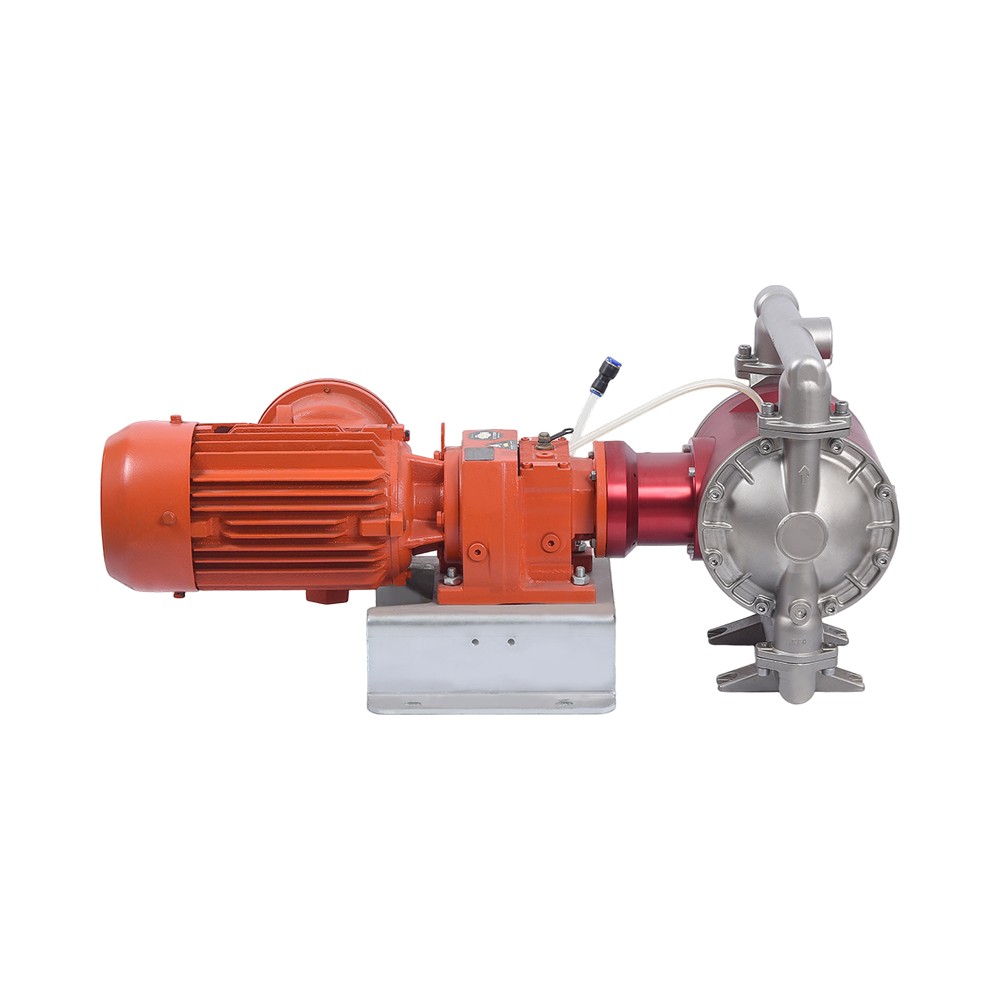
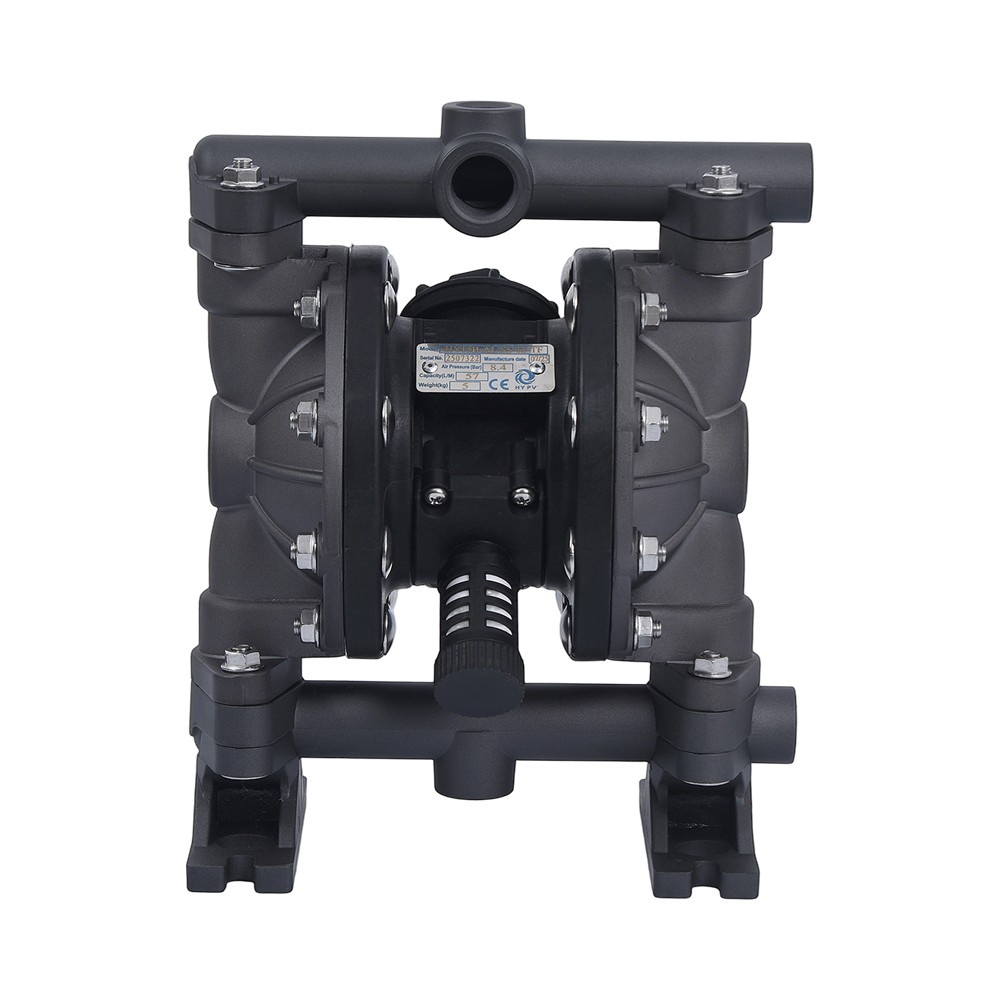
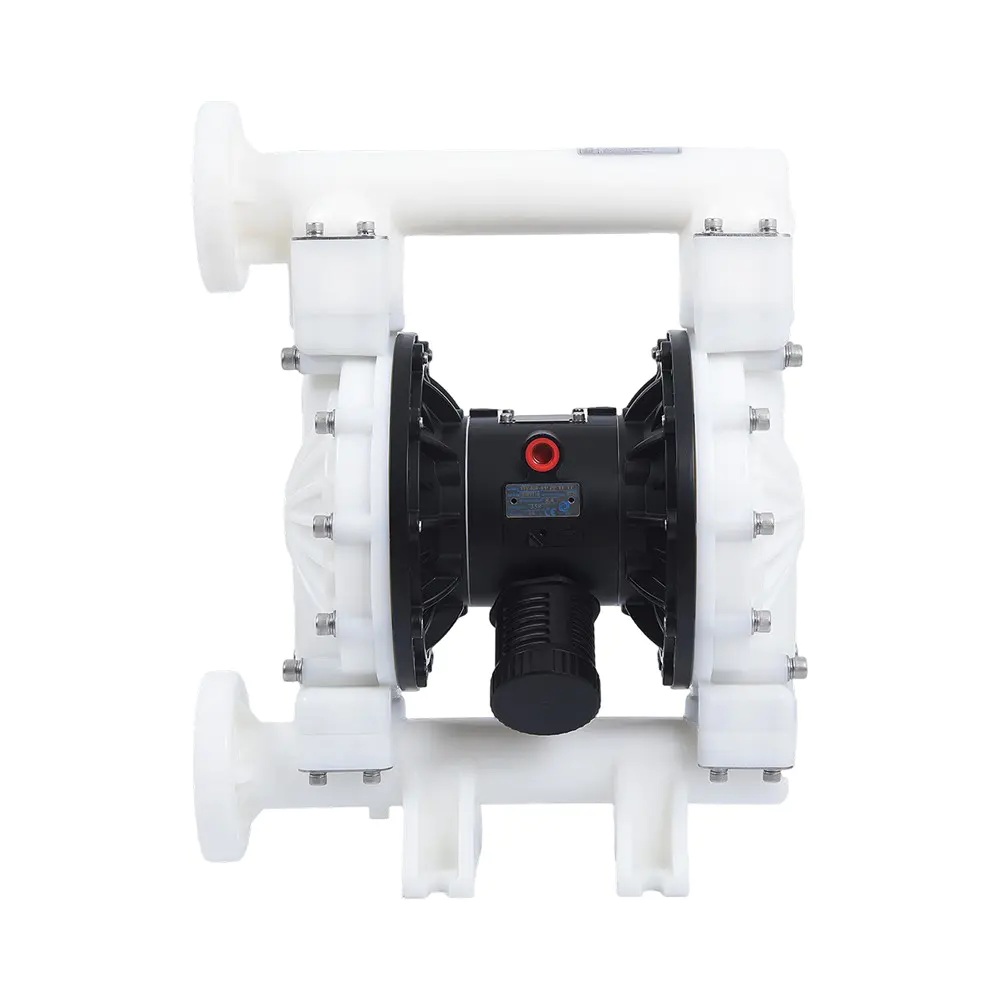
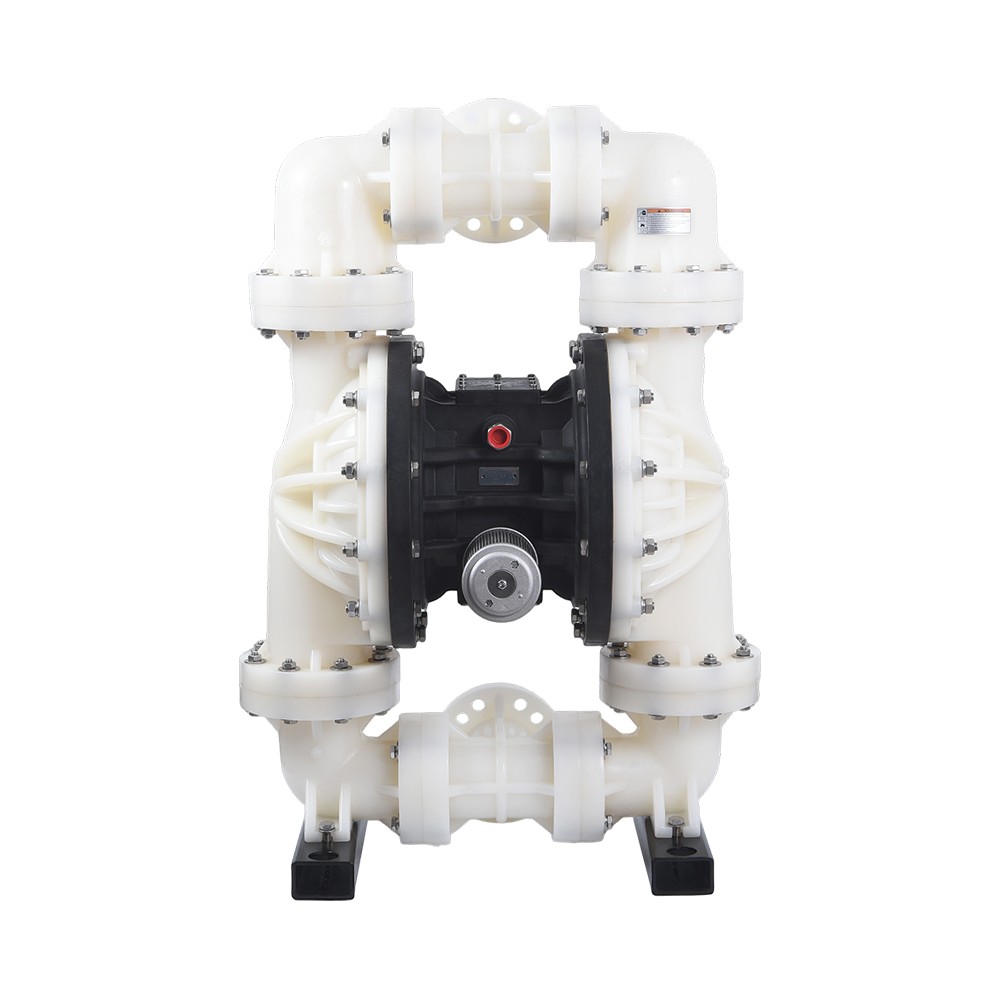
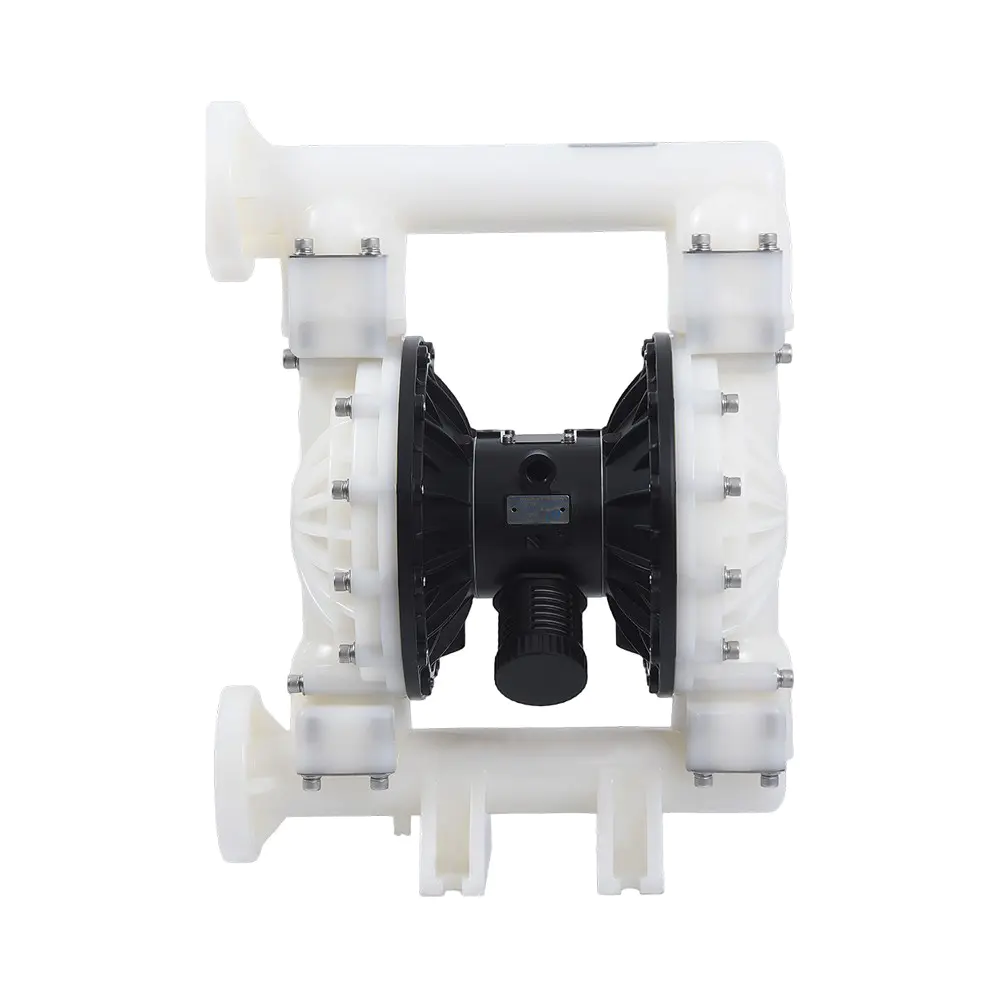
A diaphragm pump achieves its leak-free performance by using a reciprocating flexible membrane — driven pneumatically, hydraulically, or mechanically — to displace fluid through a sealed chamber with no rotating shaft penetrating the wetted boundary.
The operating cycle consists of two strokes:
- Suction stroke: The diaphragm flexes outward (away from the fluid chamber), increasing chamber volume and creating a negative pressure. The inlet check valve opens, drawing fluid into the pump chamber. The outlet check valve remains closed.
- Discharge stroke: The diaphragm flexes inward, compressing chamber volume and raising internal pressure. The inlet check valve closes and the outlet check valve opens, discharging fluid downstream. No shaft rotation, no seal friction, no external leakage path exists in this cycle.
In a double-diaphragm configuration — the most common industrial design — two diaphragms operate 180° out of phase via a shared air distribution valve. While one side discharges, the other side fills, producing a near-continuous (though pulsating) flow. The air drive side of each diaphragm is completely isolated from the fluid side by the membrane itself, making external leakage physically impossible as long as the diaphragm is intact.
Modern sanitary diaphragm pumps for food and pharmaceutical service use PTFE (polytetrafluoroethylene) or EPDM (ethylene propylene diene monomer) diaphragms that combine chemical inertness, flexibility over millions of cycles, and FDA-compliant material composition. Diaphragm fatigue life in well-designed pumps exceeds 10 million cycles under normal operating conditions — equivalent to approximately 12–18 months of continuous operation before scheduled replacement.
Which Design Standards Apply to Diaphragm Pumps in Food and Pharmaceutical Service?
A compliant leak-free diaphragm pump for food or pharmaceutical use must meet a defined set of hygienic design standards governing materials, surface finish, cleanability, and documentation — with the specific requirements varying by industry and geography.
3-A Sanitary Standards (USA — Food and Dairy)
The 3-A Sanitary Standards, administered by 3-A SSI, define requirements for dairy and food equipment used in the United States. For pumps, the relevant standard is 3-A 01-10. Key requirements include: all product-contact surfaces must be 316L stainless steel with a surface finish of Ra ≤ 0.8 µm (32 µin); elastomers and plastics must comply with FDA 21 CFR 177 material listings; and all internal geometry must be self-draining and free of crevices, threads, or dead legs where product can accumulate and harbor microbial growth.
EHEDG Guidelines (Europe — Food)
The European Hygienic Engineering and Design Group (EHEDG) publishes design guidelines and offers third-party certification for hygienic equipment. EHEDG Document 17 covers hygienic design of pumps. EHEDG-certified diaphragm pumps have been independently tested for cleanability using validated protocols — the certification is increasingly required by major European food manufacturers as a condition of equipment approval.
FDA 21 CFR and cGMP (USA — Pharmaceutical)
Pharmaceutical diaphragm pumps must comply with FDA 21 CFR Part 211 (current Good Manufacturing Practice for finished pharmaceuticals). Wetted materials must be chemically inert and non-reactive with the drug product. All pump components must support full documentation — material certificates (e.g., EN 10204 3.1), surface roughness measurement records, and validation documentation (IQ/OQ/PQ) for installation, operational, and performance qualification. Pumps used in Water for Injection (WFI) or sterile manufacturing lines must additionally comply with the current USP 661 (containers — plastics) and USP 87/88 (biological reactivity tests) for all elastomeric components.
ATEX / Explosion-Proof Requirements
In pharmaceutical manufacturing where flammable solvents (ethanol, acetone, IPA) are handled, pneumatically driven diaphragm pumps are inherently ATEX-compatible — they contain no electrical components in the fluid or drive zones. This is a significant advantage over electrically driven alternatives in Zone 1 and Zone 2 classified areas, where explosion-proof motors add substantial cost and complexity.
Leak-Free Diaphragm Pump vs. Other Hygienic Pump Technologies: A Direct Comparison
Diaphragm pumps, centrifugal pumps, peristaltic pumps, and rotary lobe pumps each occupy different performance niches in food and pharmaceutical applications — and no single technology is optimal for all scenarios.
| Criteria | Diaphragm Pump | Centrifugal Pump | Peristaltic Pump | Rotary Lobe Pump |
|---|---|---|---|---|
| Leak-free guarantee | Yes (no shaft seal) | No (mechanical seal required) | Yes (tube is only contact) | No (mechanical seal required) |
| Self-priming capability | Excellent (up to 7 m lift) | Limited (requires flooded suction) | Excellent | Good |
| Dry-run capability | Yes (indefinitely) | No (overheats rapidly) | Yes (limited — tube wears) | No (seals overheat) |
| Shear sensitivity | Moderate (check valves create shear) | High shear (impeller) | Very low shear | Low shear |
| Viscous fluid handling | Good (up to ~50,000 cP) | Poor (above ~500 cP) | Excellent (up to 200,000 cP) | Excellent (up to 1,000,000 cP) |
| CIP/SIP compatibility | Good (with ball valves) | Excellent | Good (tube must be removed) | Excellent |
| Flow pulsation | Moderate (dampener required for sensitive processes) | None | High | Low |
| ATEX (flammable solvents) | Inherently safe (pneumatic) | Requires Ex-rated motor | Requires Ex-rated motor | Requires Ex-rated motor |
| Typical unit cost (sanitary, 2" port) | $1,500–$6,000 | $800–$3,500 | $2,000–$8,000 | $3,000–$12,000 |
Table 1: Performance comparison of diaphragm pumps versus centrifugal, peristaltic, and rotary lobe pumps across nine criteria relevant to food-grade and pharmaceutical fluid handling.
Wetted Material Selection for Food and Pharmaceutical Diaphragm Pumps
Material selection for every wetted component — the pump body, diaphragm, check valves, and seats — is the single most critical specification decision when sourcing a leak-free diaphragm pump for hygienic service.
Pump Body: 316L Stainless Steel
316L stainless steel (low carbon grade, UNS S31603) is the standard material for sanitary diaphragm pump housings. The "L" designation limits carbon content to 0.03% maximum, preventing carbide precipitation at grain boundaries during welding — a phenomenon that would create crevice corrosion initiation sites. In pharmaceutical applications, all 316L surfaces must be electro-polished or mechanically polished to Ra ≤ 0.5 µm (pharmaceutical grade) or Ra ≤ 0.8 µm (food grade) and documented with surface roughness measurement certificates.
Diaphragm: PTFE, EPDM, or Santoprene
The diaphragm material determines chemical compatibility, temperature range, and FDA status of the pump. The three primary options are:
- PTFE (Teflon): Broadest chemical resistance — compatible with virtually all food acids, alkalis, solvents, and pharmaceutical APIs. FDA-listed under 21 CFR 177.1550. Operating temperature range −200°C to +260°C. Higher cost and lower elasticity than rubber alternatives; often used as an overmolded PTFE/EPDM laminate to combine chemical resistance with flexibility.
- EPDM: Excellent resistance to hot water, steam, and aqueous cleaning agents (NaOH, acids) up to 150°C. FDA-listed under 21 CFR 177.2600. Cost-effective and flexible — the standard choice for dairy, beverage, and general food service.
- Santoprene (thermoplastic rubber): Good resistance to a broad range of aqueous and mild solvent fluids; FDA-compliant grades available. Higher fatigue life than EPDM in some reciprocating applications. Selected when both chemical resistance and very long diaphragm life are required.
Check Valves and Seats: PTFE Ball-and-Seat or Flap Design
Sanitary diaphragm pumps for hygienic service use PTFE ball check valves or elastomeric flap check valves (EPDM or FKM) seated against 316L stainless steel seats. PTFE ball valves are preferred for pharmaceutical service because PTFE generates no extractable particles; EPDM flap valves provide gentler, lower-shear flow paths suited to cell culture media or fragile biological products. All check valve geometries must be free of dead legs and designed for full drainage in any orientation.
Specific Food and Pharmaceutical Applications for Leak-Free Diaphragm Pumps
The versatility of the leak-free diaphragm pump makes it suitable for more than 30 distinct food and pharmaceutical transfer and dosing applications — each with unique viscosity, shear sensitivity, and regulatory compliance requirements.
Food and Beverage Processing
Diaphragm pumps excel in food applications involving corrosive or viscous liquids that would rapidly degrade mechanical seals. Key applications include:
- Tomato paste and fruit purée transfer — viscosities of 5,000–30,000 cP, containing pulp and seed particles up to 5 mm; PTFE diaphragm and ball valves handle the abrasive solids without degradation.
- Vinegar and acidic sauces — pH values of 2.5–4.5 attack standard elastomers; PTFE-lined diaphragm pumps operate continuously in these environments without seal degradation.
- Edible oil and fat transfer — including palm oil at elevated temperatures (60–80°C), where EPDM diaphragm pumps provide reliable, seal-free transfer without risk of oil contamination from seal lubricants.
- Flavoring and additive dosing — precise, repeatable dosing of concentrated flavor compounds at flow rates as low as 0.5 L/min is achievable with a properly sized diaphragm dosing pump.
- CIP chemical circulation — caustic soda (2–3% NaOH) and nitric acid cleaning solutions are safely handled by PTFE or EPDM diaphragm pumps rated for the cleaning temperature (up to 90°C) without risk of seal failure during CIP cycles.
Pharmaceutical Manufacturing
Leak-free diaphragm pumps are the pump of choice for the most demanding pharmaceutical applications where contamination risk, extractables, and documentation requirements are all critical:
- API (Active Pharmaceutical Ingredient) transfer — high-potency APIs (HPAPIs) with occupational exposure limits (OELs) below 10 µg/m³ require contained, zero-leak transfer systems. A pneumatic diaphragm pump with double containment meets this requirement without electrical components in the hazardous zone.
- Vaccine and biologics filling — cell culture media, buffer solutions, and final drug product formulations are extremely shear-sensitive. Diaphragm pumps with EPDM flap check valves and variable stroke-length control deliver biologics at gentle, consistent flow rates below the shear threshold for protein denaturation.
- Solvent recovery and transfer — ethanol, IPA, acetone, and DCM used in API synthesis are safely handled by PTFE-wetted diaphragm pumps in ATEX Zone 1/Zone 2 environments without requiring explosion-proof motors.
- WFI (Water for Injection) distribution — while centrifugal pumps dominate WFI loop recirculation, diaphragm pumps are used for WFI batch transfer and filling operations where self-priming from low-level tanks and dry-run protection are required.
Diaphragm Material Comparison for Food and Pharmaceutical Service
Selecting the correct diaphragm material is as important as selecting the pump itself — the wrong elastomer in contact with your fluid will either fail prematurely or leach extractable compounds into the product stream.
| Property | PTFE | EPDM | FKM (Viton) | Santoprene |
|---|---|---|---|---|
| FDA 21 CFR compliance | 177.1550 | 177.2600 | 177.2600 (certain grades) | (FDA grades) |
| Chemical resistance | Excellent (broadest) | Good (aqueous, steam) | Excellent (solvents, oils) | Good (aqueous, mild solvents) |
| Max operating temp. | +260°C | +150°C | +200°C | +135°C |
| Oil / fat compatibility | Excellent | Poor (swells) | Excellent | Moderate |
| Steam / hot water compatibility | Excellent | Excellent | Poor | Good |
| Extractables risk | Very Low | Low–Medium | Low | Low (FDA grade) |
| Relative cost | High | Low | Medium–High | Medium |
| Best for | APIs, solvents, strong acids/alkalis | Dairy, beverage, CIP fluids | Edible oils, hydrocarbon solvents | General pharma, aqueous buffers |
Table 2: Comparison of the four primary diaphragm materials — PTFE, EPDM, FKM, and Santoprene — across eight properties critical for food-grade and pharmaceutical fluid handling selection.
CIP and SIP Compatibility: What You Need to Know
Sanitary diaphragm pumps support Clean-in-Place (CIP) operations, but achieving full hygienic cleaning requires specific internal geometry, drain-ability, and check valve design that not all diaphragm pumps provide — always confirm CIP compatibility before specifying.
CIP-compatible diaphragm pumps must meet the following design criteria:
- No dead legs: All internal passages must be fully flushed by cleaning solution flow. Dead legs longer than 1.5× the pipe diameter (the "3-A rule") trap product and prevent effective cleaning.
- Self-draining geometry: The pump must drain completely under gravity when positioned correctly — retained fluid pools create microbial biofilm growth points between campaigns.
- Temperature-rated elastomers: CIP cycles using hot caustic (75–85°C) and acid rinse (60–70°C) require diaphragm and seat materials rated for sustained use at these temperatures. EPDM and PTFE are compatible; standard neoprene is not.
- SIP (Steam-in-Place): Full SIP capability requires all wetted materials to withstand saturated steam at 121–134°C for 20–60 minute sterilization cycles. PTFE diaphragm pumps with 316L stainless steel bodies can be SIP-validated; EPDM is suitable for lower-temperature sterilization (121°C, short cycles). SIP-rated pumps require special attention to port connections — tri-clamp fittings must maintain a bubble-tight seal under steam pressure.
How to Specify a Leak-Free Diaphragm Pump for Food or Pharmaceutical Service
Correct specification of a hygienic diaphragm pump requires defining eight parameters before approaching a supplier — incomplete specifications result in pumps that may be technically functional but non-compliant or difficult to validate.
- 1. Fluid identity and concentration: Full chemical name, concentration, and temperature. A "10% NaOH cleaning solution at 80°C" requires a very different diaphragm material than "strawberry jam at 40°C."
- 2. Viscosity range: Specify both minimum (cold, low-flow) and maximum (hot, high-flow) viscosity in cP. A pump that handles 5,000 cP at 20°C may struggle with 50,000 cP at 5°C for the same product.
- 3. Required flow rate and discharge pressure: State design flow (L/min or m³/h) and maximum discharge pressure (bar). Confirm that the system includes a pressure relief valve — diaphragm pumps are positive displacement and will build pressure against a closed valve until a component fails.
- 4. Particle size and concentration: If the fluid contains solids, specify maximum particle size (mm) and concentration (% w/v). Check valve ball diameter must exceed maximum particle size by at least 3× to prevent jamming.
- 5. Regulatory standard: State which standard applies — 3-A, EHEDG, FDA 21 CFR, cGMP — and whether material documentation (FDA letters, EN 10204 3.1 certs) and surface roughness records are required.
- 6. CIP/SIP requirements: Specify CIP temperature, chemical type, and cycle duration. Specify SIP temperature and sterilization hold time if required.
- 7. Connection standard: Food and pharmaceutical diaphragm pumps use sanitary tri-clamp (TC) connections per ISO 2852 / DIN 32676. Confirm port size (1", 1.5", 2", 3") and clamp standard.
- 8. Area classification (ATEX): If flammable solvents are present, state the ATEX zone (Zone 1, Zone 2) and required equipment group (IIB or IIC) so that the pneumatic air supply and any instrumentation are correctly specified.
Frequently Asked Questions: Leak-Free Diaphragm Pumps in Food and Pharmaceutical Applications
Q: What happens if the diaphragm fails in a food or pharmaceutical application?
A diaphragm failure in a pneumatically driven pump allows compressed air to enter the fluid stream — which is immediately detectable by air bubbling in the product and a sudden drop in flow rate. In food and pharmaceutical applications, prudent design includes a diaphragm rupture detector: a sensor in the air-side chamber that detects fluid ingress (indicating diaphragm perforation) and triggers an alarm or automatic pump shutdown before product contamination can propagate through the system. Diaphragm replacement is a scheduled maintenance task — in critical pharmaceutical applications, diaphragms are replaced on a time-based schedule (every 6–12 months) regardless of condition, to prevent unplanned failures.
Q: Can a diaphragm pump handle both the product and the CIP chemicals on the same line?
Yes — this is one of the most practical advantages of a sanitary diaphragm pump in food and pharmaceutical facilities. Because the pump has no mechanical seal that requires a seal flush fluid or external barrier, and because the internal wetted surfaces are fully accessible to CIP flow when the pump is operated in the forward direction with cleaning solution, a single diaphragm pump handles both product transfer and CIP chemical circulation without removal or disassembly. The key requirement is that the diaphragm material is compatible with both the product and the CIP chemicals at their respective temperatures — typically satisfied by PTFE or EPDM diaphragms in food service.
Q: How do I reduce the pulsation of a diaphragm pump in a sensitive filling line?
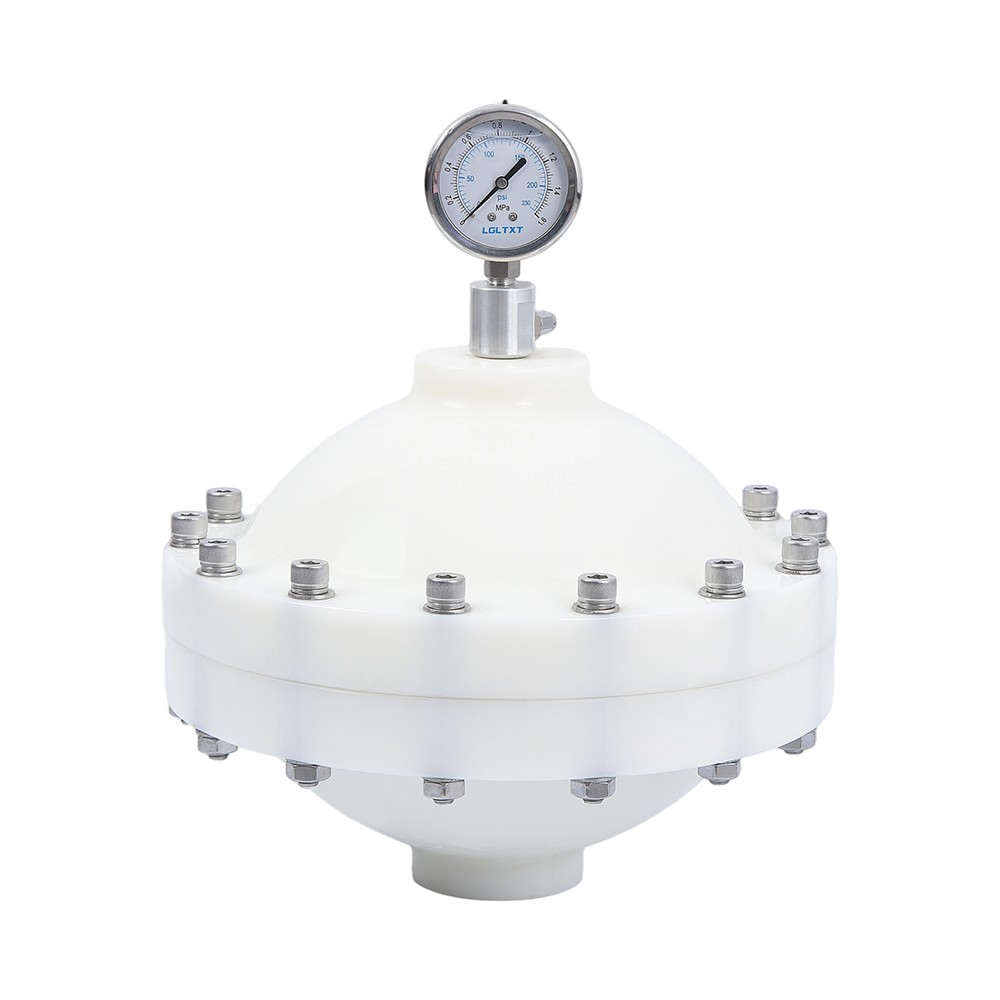
Pulsation dampeners — pressure vessels containing a compressed gas bladder — are the standard solution for reducing flow pulsation from diaphragm pumps in filling and dosing applications. A correctly sized pulsation dampener installed on the pump discharge reduces peak-to-trough flow variation from ±30–40% (undampened) to ±2–5%, which is acceptable for most filling applications. In pharmaceutical aseptic filling lines where even small flow variations affect fill accuracy, variable-speed electric diaphragm pumps — where stroke length and frequency are electronically controlled — provide smoother, more consistent flow than pneumatically driven units. Flow pulsation can also be reduced by operating twin-head diaphragm pumps in opposed phase.
Q: Is a diaphragm pump suitable for pumping live cultures or cell suspensions?
Diaphragm pumps can handle live cultures and cell suspensions at low stroke frequencies, but cell viability must be validated against the specific pump's shear profile before process adoption. The check valves in a diaphragm pump are the primary source of shear — ball-and-seat valves accelerate fluid locally to velocities that can lyse or damage fragile cells. Flap-valve configurations and slow-speed operation (low stroke rate) reduce this shear significantly. For the most shear-sensitive biologics (CHO cells, primary cultures), peristaltic pumps remain the preferred technology because the only contact surface is the tubing lumen, producing minimal localized shear. For robust microbial cultures (yeast, E. coli), diaphragm pumps are generally well-tolerated.
Q: What documentation should a supplier provide with a pharmaceutical-grade diaphragm pump?
A pharmaceutical-grade diaphragm pump should be supplied with a comprehensive documentation package that supports qualification, regulatory audit, and change control activities. The minimum expected documentation set includes: material certificates to EN 10204 3.1 for all metallic wetted components; FDA compliance letters (or equivalent) for all elastomers and plastics identifying the specific CFR citation; surface roughness measurement certificates (Ra values) for all product-contact metal surfaces; a dimensional drawing with bill of materials; an elastomer and polymer extractables/leachables statement; a certificate of conformance to the applicable sanitary standard (3-A, EHEDG); and a spare parts list. For validation-critical equipment, the supplier should also provide an FAT (Factory Acceptance Test) report and support IQ/OQ/PQ documentation development.
Conclusion: The Leak-Free Diaphragm Pump as the Foundation of Hygienic Fluid Handling
A leak-free diaphragm pump is not merely a viable option for food-grade and pharmaceutical fluid handling — for many of the most demanding applications in these industries, it is the definitive choice. Its sealed, shaft-seal-free architecture eliminates the primary mechanical failure mode responsible for product contamination, regulatory non-compliance, and unplanned downtime in process facilities worldwide.
From transferring high-potency pharmaceutical APIs in ATEX-rated environments to gently conveying fragile emulsions on a food production line, the diaphragm pump's combination of zero external leakage, self-priming capability, dry-run tolerance, and design flexibility across viscosities from water-thin to paste-thick makes it uniquely suited to the challenges of hygienic process engineering.
The key to successful deployment lies in precise specification: selecting the correct diaphragm material for your fluid chemistry, confirming 3-A or EHEDG certification for your regulatory environment, and ensuring your supplier provides the full material and compliance documentation package required by cGMP or food safety auditors. Done correctly, a well-specified leak-free diaphragm pump will deliver years of validated, compliant, contamination-free service at the heart of your most critical process lines.