

 EN
EN
 English
 Français
 Español
 عربى
عربىIn the complex world of industrial fluid transfer, the pneumatic diaphragm pump (also known as an AODD pump) stands out as a silent workhorse. Its ability to handle everything from delicate food products to abrasive mining slurries makes it indispensable. But with this versatility comes a host of operational questions. We've analyzed search data and consulted with field engineers to answer the ten most common questions about these pumps, providing you with the technical insights needed to optimize your processes.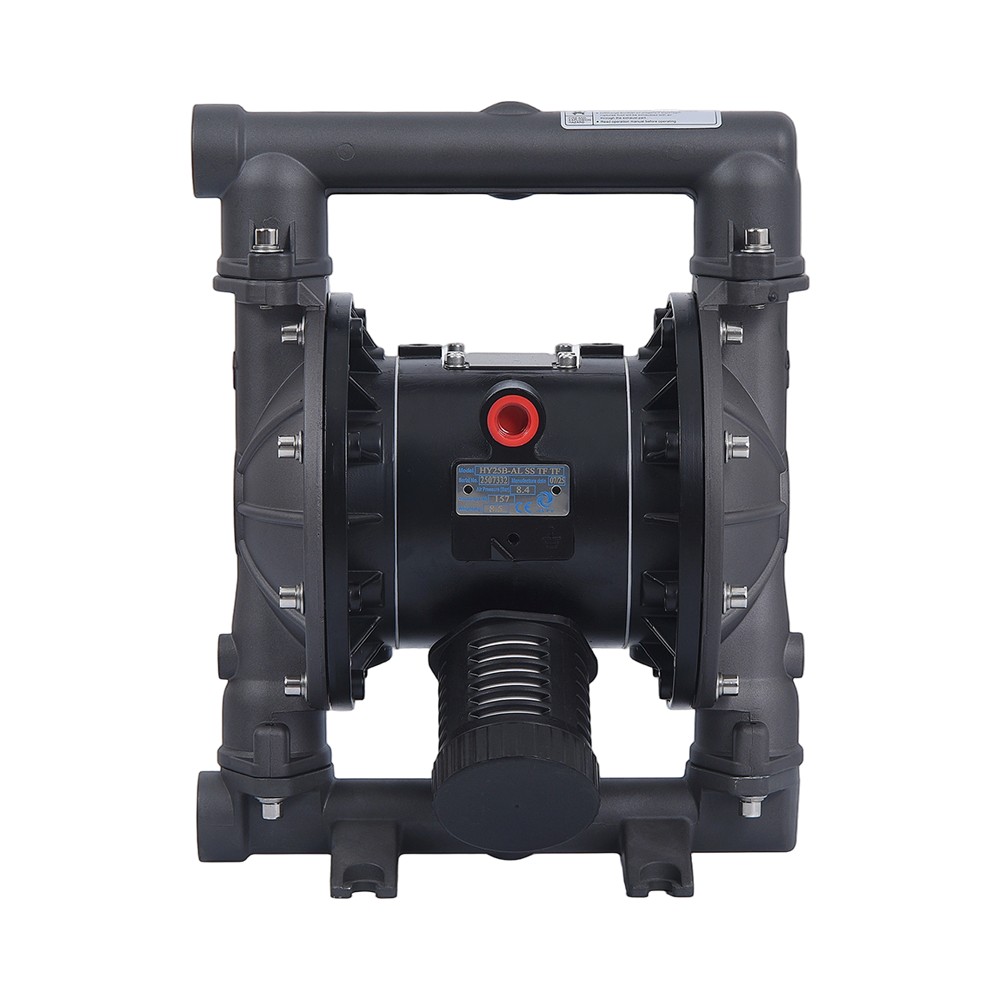
Content
- 1 1. How Does a Pneumatic Diaphragm Pump Achieve "Dead-Head" Capability Without Damage?
- 2 2. What Are the Real-World Flow Rate and Pressure Limitations?
- 3 3. Why Are Material Options Critical for Chemical Compatibility?
- 4 4. How Does a "Run Dry" Capability Transform System Design?
- 5 5. What Makes the Air Distribution System So Important?
- 6 6. How Do ATEX and Hygienic Certifications Apply?
- 7 7. How Significant Are the Maintenance and Spare Parts Advantages?
- 8 8. What Are the Limitations with Viscosity and Solids Handling?
- 9 9. How Does Portability Solve Industrial Pumping Problems?
- 10 10. Is It the Right Pump for Slurries and Abrasives?
- 11 Frequently Asked Questions (FAQ)
- 11.1 Q: Can a pneumatic diaphragm pump be used for flammable liquids like those in the petrochemical industry?
- 11.2 Q: What is the typical suction lift of these pumps?
- 11.3 Q: How do I winterize a diaphragm pump in a cold environment?
- 11.4 Q: Is it suitable for the food industry with products like chocolate or fruit juice?
- 11.5 Q: Can it pump fluids with large, soft solids like those in wastewater treatment?
1. How Does a Pneumatic Diaphragm Pump Achieve "Dead-Head" Capability Without Damage?
One of the most valued features of a pneumatic diaphragm pump is its ability to be stalled indefinitely without suffering mechanical damage. This is a critical safety and efficiency feature. When the discharge line is closed or blocked, the pressure in the discharge side of the pump builds up until it equals the air pressure driving the diaphragm. At this point, the air motor simply stops cycling. The pump is now in a "dead-head" state.
Unlike electric centrifugal pumps that can overheat and burn out their motors within minutes under similar conditions, the diaphragm pump remains cool and safe. Once the discharge valve is reopened, the air pressure differential re-establishes, and the pump resumes operation automatically. This feature is particularly crucial in applications like filter press feeding or dosing systems where backpressure is common.
2. What Are the Real-World Flow Rate and Pressure Limitations?
While incredibly versatile, pneumatic diaphragm pumps are not one-size-fits-all. Understanding their performance boundaries is key to proper selection. Performance varies significantly based on air inlet pressure, diaphragm size, and material. The table below illustrates typical performance parameters for common industrial pump sizes.
| Inlet/Outlet Size | Max Flow Rate (LPM) | Max Discharge Pressure (Bar) | Typical Air Consumption (SCFM) |
|---|---|---|---|
| 1/4" | 18.9 | 8.6 | 10-15 |
| 1" | 151 | 8.6 | 40-60 |
| 2" | 568 | 8.6 | 80-120 |
| 3" | 1040 | 8.6 | 150-220 |
It is important to note that flow rates are theoretical maximums with water. When pumping fluids with higher viscosity, such as heavy oil in petrochemical applications or slurries in mining, expect a significant reduction in flow. For instance, pumping a fluid with a viscosity of 1000 cP can reduce the flow rate of a 2" pump by up to 30-40%.
3. Why Are Material Options Critical for Chemical Compatibility?
The "vast number of construction materials" is not a marketing claim; it is an engineering necessity. The wrong material can lead to rapid failure, fluid contamination, or even catastrophic leaks. The wetted parts (diaphragm, ball valves, seats, and manifold) must be chemically compatible with the fluid.
Common Material Combinations and Their Applications:
- Acetal Body with Teflon Diaphragms: The industry standard for many chemical industry applications, offering broad chemical resistance against solvents, acids, and alkalis. The Teflon provides near-universal chemical resistance.
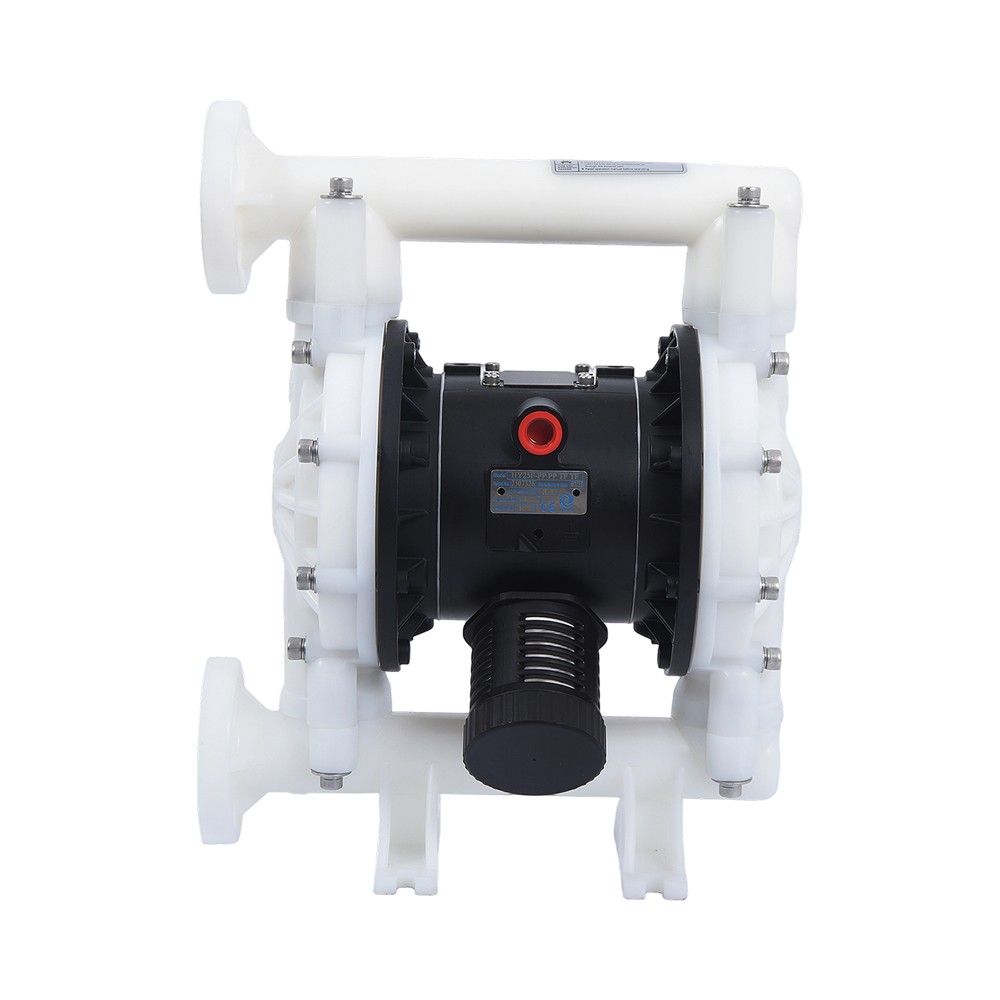
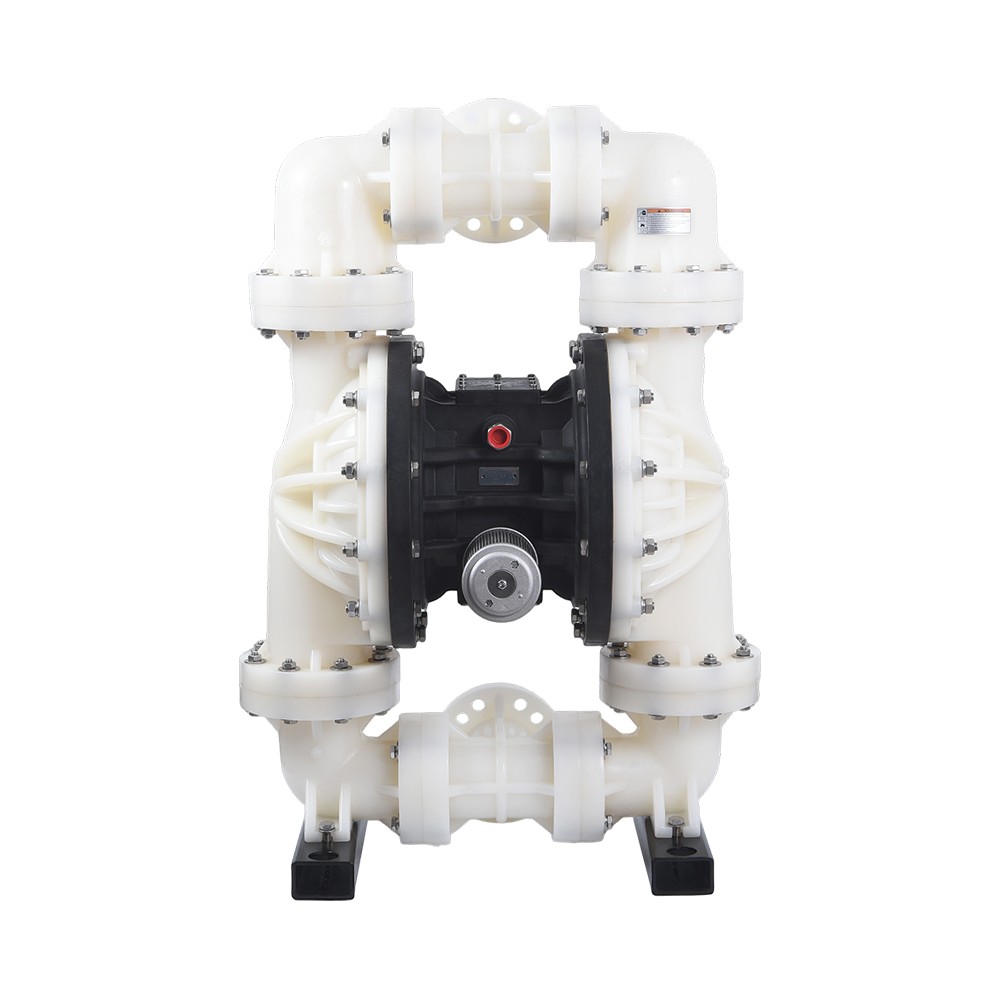
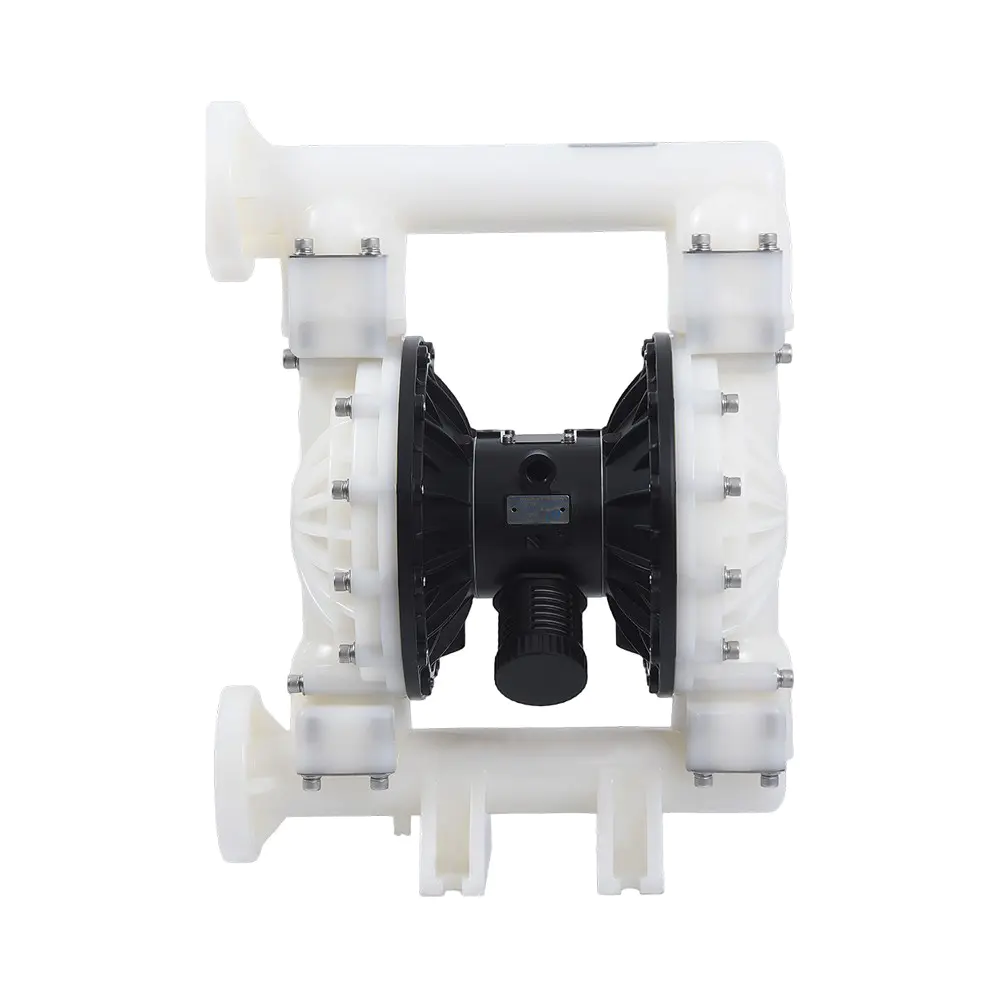
- Polypropylene Body with Santoprene Diaphragms: A cost-effective solution for less aggressive fluids. Excellent for water treatment (lime milk, sewage) and many food industry applications like transferring vinegar or salt water.
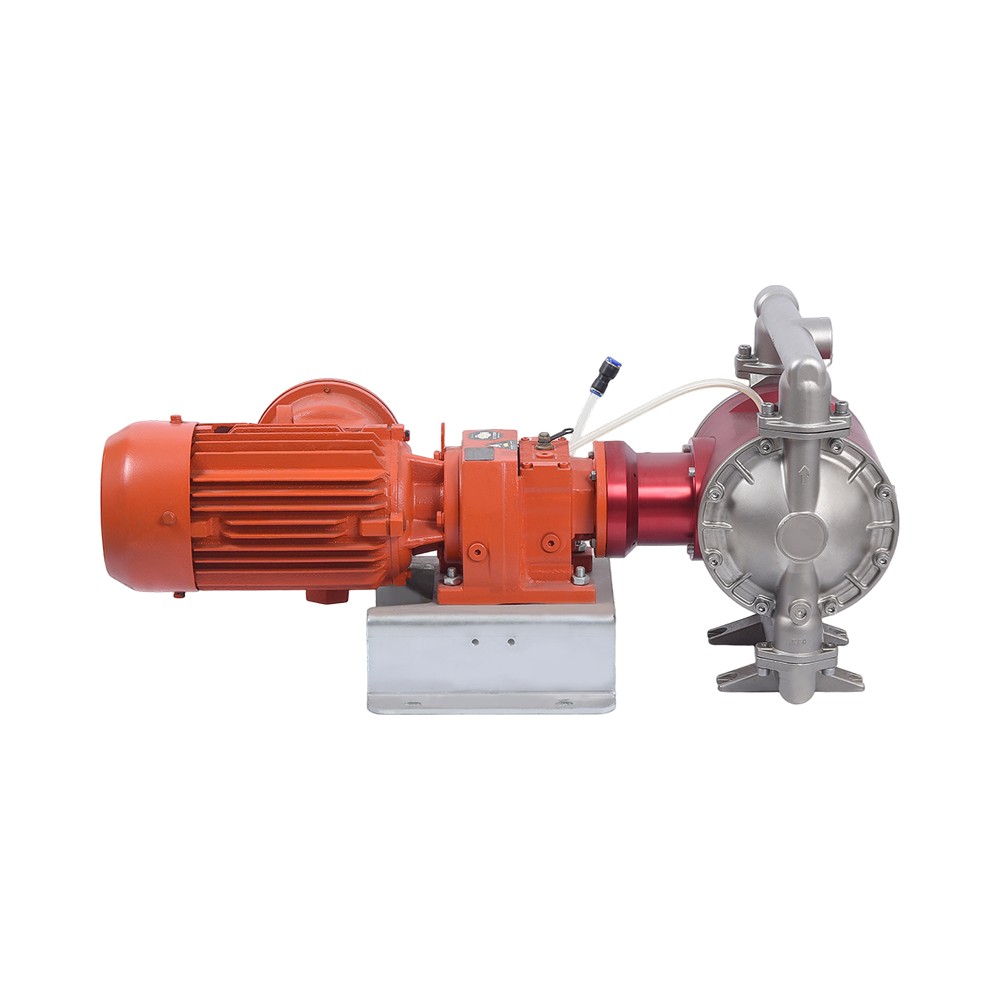
- 316 Stainless Steel Body with PTFE/EPDM Diaphragms: Required for high-purity applications. This is the standard for pharmaceutical industry (plasma, liquid drugs), cosmetic industry (lotions, emulsions), and food industry (chocolate, honey) where hygiene and cleanability are paramount. It easily meets FDA and 3A standards.
- Aluminum Body with Nitrile/EPDM Diaphragms: A lightweight, portable option often used in construction for grout and tile adhesives, and in automotive for fluid transfer, where absolute chemical resistance to aggressive solvents is not the primary concern.
4. How Does a "Run Dry" Capability Transform System Design?
The ability to run dry without damage is a game-changer for system designers and plant operators. In a traditional centrifugal pump, running dry for even a few seconds can cause the mechanical seals to overheat and fail, leading to costly repairs and downtime. A pneumatic diaphragm pump has no mechanical seals or close-fitting rotating parts that require liquid for lubrication and cooling.
This feature enables several practical applications:
- Automatic Tank Unloading: The pump can completely empty a tank or sump without needing a complex shut-off system to prevent dry running.
- Temporary Line Priming: It can be used to prime a long pipeline. Even if the suction line is not yet fully charged, the pump will not be damaged while it works to establish prime.
- Intermittent Pumping: In applications like dewatering a mining site's sump, the pump can operate intermittently as water collects, running dry for extended periods until the next accumulation.
5. What Makes the Air Distribution System So Important?
The heart of any pneumatic diaphragm pump is its air valve. A "quick-acting air valve" is essential for efficient and reliable operation. This valve is responsible for directing compressed air to the back of one diaphragm chamber while exhausting air from the opposite chamber. The speed and reliability of this valve's shifting determine the pump's cycle rate and overall efficiency.
Modern pumps feature lube-free, non-stalling air valves. These designs prevent the valve from sticking in a mid-position, a common failure point in older designs. A reliable air valve ensures smooth, consistent flow and maximizes the pump's higher flow rate potential while minimizing air consumption.
6. How Do ATEX and Hygienic Certifications Apply?
Safety and compliance are non-negotiable in many industries. Pneumatic diaphragm pumps are uniquely suited to meet stringent certification requirements precisely because they are air-powered and generate no internal sparks.
Certification Breakdown:
- ATEX Certification: For use in potentially explosive atmospheres (like petrochemical refineries or mining sites with combustible dust). Since the pump uses no electricity, it eliminates a primary ignition source. Conductive materials (like carbon-filled polyethylene) can be used to prevent static buildup.
- FDA and 3A Hygienic Standards: For the food, beverage, and pharmaceutical industries, pumps must be cleanable and not contaminate the product. Stainless steel bodies with polished surfaces and diaphragms that are non-porous and non-toxic are required. The simple, teardown-friendly design of a diaphragm pump allows for thorough cleaning and sterilization between batches.
7. How Significant Are the Maintenance and Spare Parts Advantages?
The promise of "simple construction, easy to maintain" and "interchangeable modular design" has a direct impact on your bottom line. A typical diaphragm pump has far fewer parts than a centrifugal pump or a gear pump. Most maintenance can be performed in-line without removing the piping.
Consider the interchangeable modular design. A single pump manifold can often accept different fluid caps and air sections. This means you can stock one or two air motors and a set of common fasteners, and then swap out fluid covers and diaphragms made from different materials (e.g., aluminum for water-based paints, polypropylene for acids) as needed. This drastically reduces required spare parts inventories across a plant.
A typical rebuild kit, containing diaphragms, ball valves, and seats, costs a fraction of a new pump and can be installed by a single technician in under an hour, leading to significantly less maintenance downtime.
8. What Are the Limitations with Viscosity and Solids Handling?
While diaphragm pumps excel with challenging fluids, they have limits. They are generally considered low-shear pumps, but extremely high viscosities (like thick pastes) can impede ball valve operation, causing the pump to cycle slowly or stall. For fluids over 20,000 cP, special ball valves or flap-valve configurations may be necessary.
Regarding solids handling, the pump's capability is determined by the ball valve and seat design. Standard pumps can typically pass spherical solids up to the size of the ball's diameter. For example, a 2" pump might handle solids up to 1/2" in diameter. For larger debris, like in mining slurry or ceramics mud slurry, a diaphragm pump with a non-clogging, duckbill or flap-valve design is required to prevent blockages.
9. How Does Portability Solve Industrial Pumping Problems?
The feature of being "portable for multi-location use" is a major operational advantage. A lightweight aluminum or polypropylene pump can be easily carried by one or two people. Simply connect a quick-disconnect air line and drop the suction hose into the drum or tank.
This allows facilities to avoid dedicating a permanent, expensive pump for every single fluid transfer point. A single portable pneumatic diaphragm pump can be used to:
- Transfer solvents from delivery drums to day tanks in the chemical industry.
- Empty waste water collection sumps in a water treatment plant.
- Move adhesives and varnishes between mixing stations in furniture or construction.
10. Is It the Right Pump for Slurries and Abrasives?
This is perhaps the most common question. For abrasive applications like metal slurry in metallurgy, clay slurry in ceramics, or coal slurry in mining, the pneumatic diaphragm pump is often the best choice, but with caveats. The low shear action is gentle on the fluid, but the abrasives are hard on the wetted parts.
To maximize service life in these tough applications, you must select the correct materials. Heavy-duty, wear-resistant elastomers like Neoprene or special urethanes for diaphragms and seats are essential. Some manufacturers offer reinforced diaphragms specifically for high-pressure, high-wear applications. Expect that maintenance intervals will be shorter than with clean water, but the pump's simple construction makes rebuilding it with a new wear-resistant parts kit a quick and economical process compared to repairing a damaged centrifugal pump.
Frequently Asked Questions (FAQ)
Q: Can a pneumatic diaphragm pump be used for flammable liquids like those in the petrochemical industry?
A: Yes. Because it is air-operated and requires no electricity, it is inherently suitable for flammable environments. For full compliance, you should select a model with ATEX certification and ensure it is properly grounded to dissipate static electricity.
Q: What is the typical suction lift of these pumps?
A: Most pneumatic diaphragm pumps are excellent for suction lift, often achieving dry self-priming lifts of 4-5 meters (15-20 feet) and even higher when wetted. Actual performance depends on the speed, fluid viscosity, and specific gravity.
Q: How do I winterize a diaphragm pump in a cold environment?
A: One of the main benefits is the ease of winterization. Simply disconnect the air supply and open the discharge and suction lines. The pump will drain itself. There are no residual fluids trapped in seals or impellers to freeze and crack the casing.
Q: Is it suitable for the food industry with products like chocolate or fruit juice?
A: Absolutely. 316 stainless steel models are widely used in the food and beverage industry. The gentle, low-shear action prevents damage to delicate mixtures like fruit pulp or emulsions, and the design is easily cleanable to meet hygiene standards.
Q: Can it pump fluids with large, soft solids like those in wastewater treatment?
A: Yes, but you may need a specific configuration. For stringy materials or large soft solids common in sewage and waste water, pumps are available with a "non-stick" free-flow design or flap valves instead of traditional ball checks, which allow larger particles to pass through without clogging.