

 EN
EN
 English
 Français
 Español
 عربى
عربىContent
- 1 What Are Electric Diaphragm Pumps and Why They Dominate Industrial Fluid Handling
- 2 Core Working Principles of Electric Diaphragm Pumps
- 3 Key Performance Specifications to Evaluate When Selecting Electric Diaphragm Pumps
- 4 Industrial Applications Where Electric Diaphragm Pumps Excel
- 5 Advantages of Electric Diaphragm Pumps Over Other Pump Technologies
- 6 Maintenance Best Practices for Electric Diaphragm Pumps
- 7 Frequently Asked Questions About Electric Diaphragm Pumps
- 7.1 Q1: Can electric diaphragm pumps run dry without damage?
- 7.2 Q2: What fluids can electric diaphragm pumps handle?
- 7.3 Q3: How long do electric diaphragm pump diaphragms last?
- 7.4 Q4: Are electric diaphragm pumps self-priming?
- 7.5 Q5: Can electric diaphragm pumps be used for high-pressure applications?
- 7.6 Q6: Are electric diaphragm pumps suitable for food-grade use?
What Are Electric Diaphragm Pumps and Why They Dominate Industrial Fluid Handling
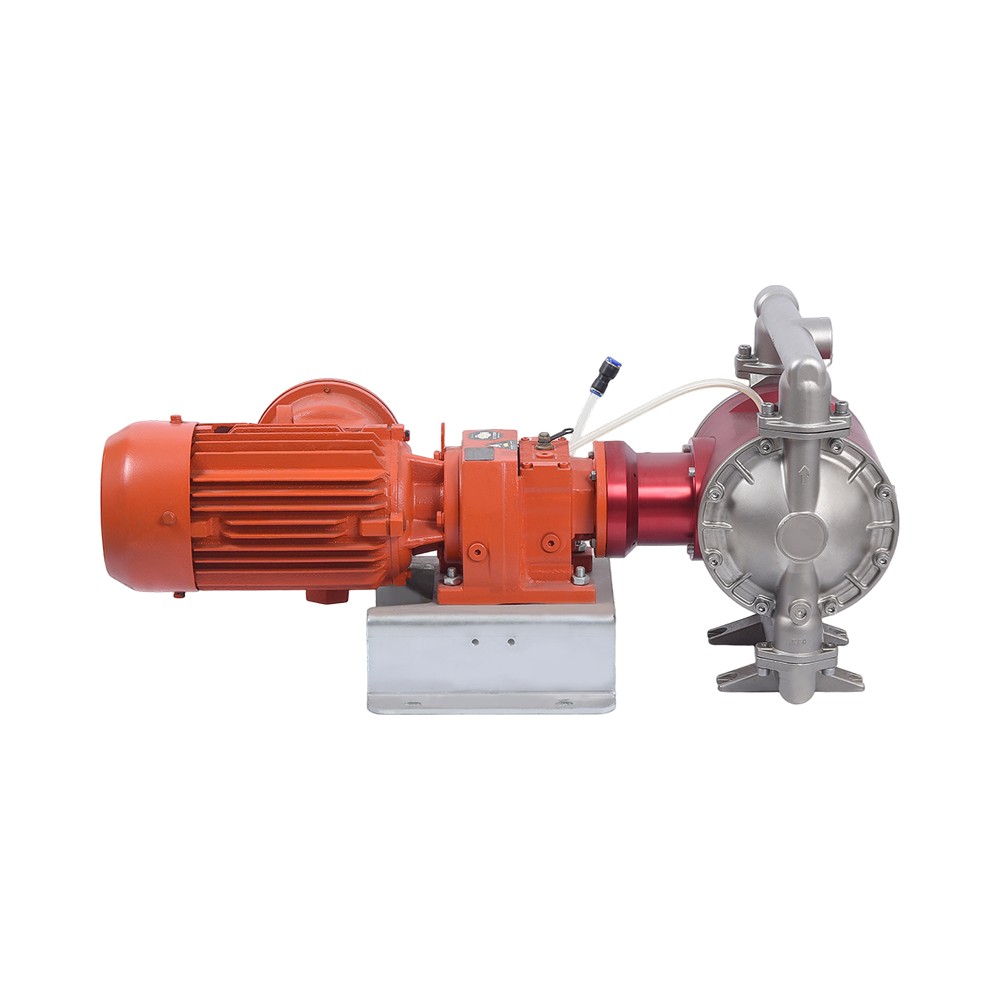
Electric diaphragm pumps are self-priming, positive-displacement pumps designed to move a wide range of fluids safely and efficiently across industrial, commercial, and residential applications. Unlike centrifugal pumps, which rely on high-speed impellers to generate flow, electric diaphragm pumps use a flexible diaphragm that oscillates back and forth to create suction and discharge pressure. This unique operating mechanism makes them ideal for handling viscous fluids, abrasive slurries, chemical solutions, and even liquids with solid particles without causing damage to internal components.
According to industry research published in the 2025 Global Industrial Pump Report, the market for electric diaphragm pumps continues to 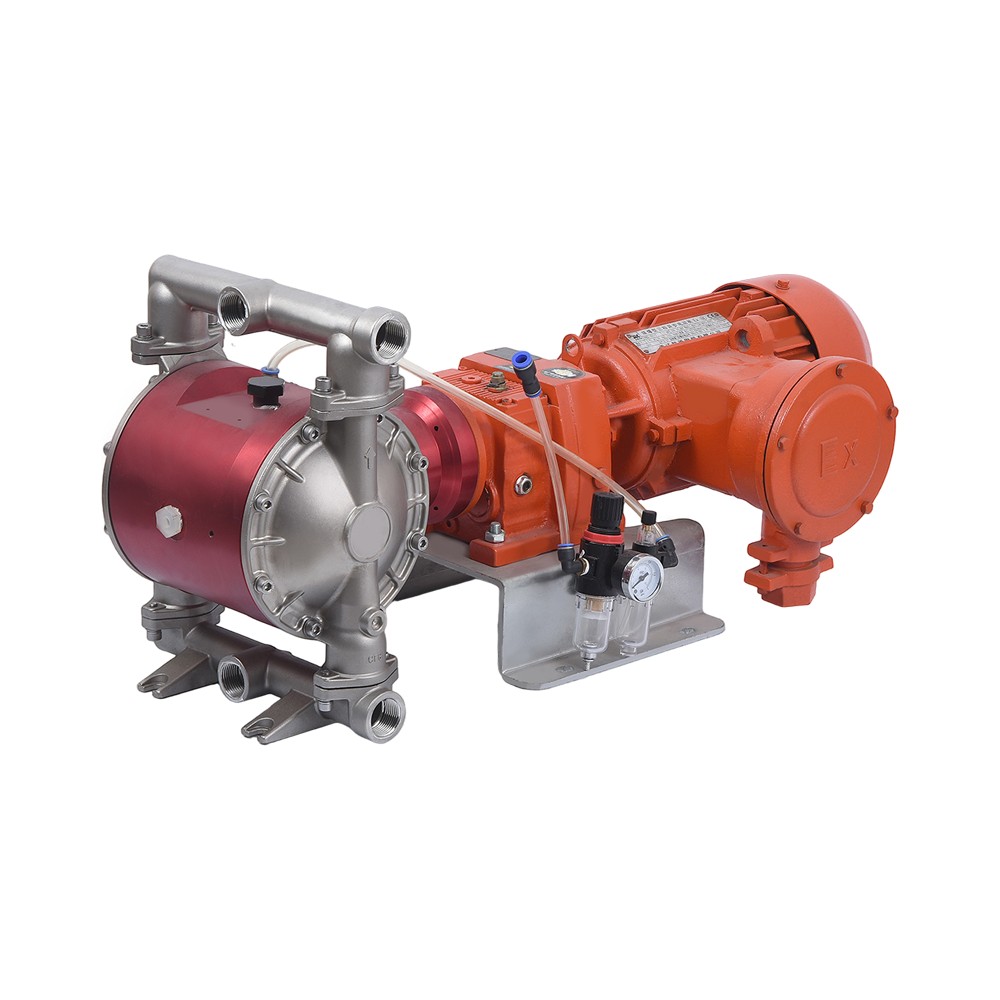 grow at a compound annual growth rate of 5.8%, driven by rising demand in water treatment, chemical processing, food and beverage production, pharmaceuticals, and manufacturing. One of the primary reasons for this growth is their exceptional versatility: electric diaphragm pumps can handle everything from thin water-like fluids to heavy oils, corrosive acids, alkaline solutions, and wastewater with high solid content. Many facilities now prioritize electric diaphragm pumps over other pump types because they offer low maintenance requirements, dry-run capability, and consistent performance even in demanding operating environments.
Another key advantage is energy efficiency. Modern electric diaphragm pumps consume up to 30% less energy than equivalent pneumatic diaphragm pumps in continuous operation, making them a cost-effective choice for facilities aiming to reduce utility expenses. They also produce less noise and heat, improving workplace conditions and reducing strain on surrounding equipment. For businesses focused on sustainability and operational cost reduction, upgrading to high-performance electric diaphragm pumps delivers both immediate and long-term financial benefits.
Core Working Principles of Electric Diaphragm Pumps
Understanding how electric diaphragm pumps function is essential for selecting the correct model and maintaining reliable operation. The pump consists of several critical components: an electric motor, a gearbox or drive mechanism, a flexible diaphragm, inlet and outlet check valves, and a pump chamber. As the electric motor runs, it drives the diaphragm to move upward and downward in a controlled oscillating pattern.
During the suction stroke, the diaphragm moves downward, creating negative pressure inside the pump chamber. This pressure difference pulls fluid through the inlet check valve and into the chamber. During the discharge stroke, the diaphragm moves upward, increasing pressure inside the chamber and forcing fluid through the outlet check valve and into the discharge line. The check valves ensure one-way flow, preventing backflow and maintaining consistent pressure.
What sets electric diaphragm pumps apart is their ability to run dry without damage. Many pump types fail if operated without fluid, but electric diaphragm pumps can run continuously even when no liquid is present, eliminating the risk of burnout or seal failure. This feature is especially valuable in applications where fluid supply may be intermittent, such as emptying tanks, transferring liquids from low-level containers, or managing unpredictable flow conditions.
Key Performance Specifications to Evaluate When Selecting Electric Diaphragm Pumps
Flow Rate and Pressure Capacity
Flow rate, measured in gallons per minute (GPM) or liters per hour (L/h), determines how much fluid an electric diaphragm pump can move within a given time. Pressure capacity, measured in PSI or bar, affects how far the pump can push fluid through pipelines or against vertical lift. Industrial-grade electric diaphragm pumps typically offer flow rates from 1 GPM to over 200 GPM and pressure ratings from 15 PSI to 150 PSI, depending on the model and motor power.
Selecting a pump with insufficient flow or pressure leads to slow transfer speeds, reduced productivity, and potential motor strain. Conversely, oversized pumps waste energy and increase operational costs. Professional pump suppliers often recommend conducting a site audit to calculate required flow rate, total dynamic head, pipe diameter, and fluid characteristics before finalizing a pump selection.
Material Compatibility for Long Service Life
The materials used in the diaphragm, check valves, and pump housing directly determine chemical resistance and durability. Common diaphragm materials include nitrile rubber (NBR), EPDM, PTFE, and Santoprene, each designed for specific fluid types. PTFE diaphragms offer exceptional resistance to corrosive chemicals, acids, and solvents, while EPDM performs well with alkaline solutions and water-based fluids.
Pump housings are commonly made from aluminum, cast iron, stainless steel, or engineered plastics. Stainless steel electric diaphragm pumps are preferred in food-grade, pharmaceutical, and sanitary applications, while cast iron models provide durability in heavy industrial environments. Using incompatible materials can lead to rapid degradation, leaks, contamination, and premature pump failure.
Motor Type and Power Efficiency
Electric diaphragm pumps use either AC motors (110V, 220V, 380V, 415V) or DC motors (12V, 24V) for mobile or off-grid applications. Industrial models typically feature high-efficiency induction motors with IP55 or IP65 protection to resist dust and moisture. High-efficiency motors reduce energy consumption by up to 25% compared to standard motors, resulting in significant long-term savings for continuous-operation facilities.
Industrial Applications Where Electric Diaphragm Pumps Excel
Electric diaphragm pumps are among the most versatile pump types available, serving thousands of distinct applications across every major industry. Their ability to handle sensitive, corrosive, viscous, or particle-filled fluids makes them irreplaceable in many operational settings.
Chemical Processing and Manufacturing
In chemical plants, electric diaphragm pumps safely transfer acids, alkalis, solvents, pigments, and adhesives. PTFE and stainless steel construction ensures compatibility with aggressive chemicals while preventing cross-contamination. Many chemical facilities rely on electric diaphragm pumps for dosing, mixing, and waste treatment processes due to their precise flow control and leak-free operation.
Water and Wastewater Treatment
Municipal and industrial wastewater facilities use electric diaphragm pumps to move sludge, grit, raw sewage, and treated effluent. Their ability to pass solids up to 10mm in diameter without clogging reduces maintenance downtime and improves system reliability. They are also widely used for chemical metering in water purification systems.
Food and Beverage Production
Food-grade electric diaphragm pumps handle milk, juice, syrup, oil, beer, wine, and processed food products. Sanitary designs with smooth interiors and easy-clean components meet FDA and food safety standards. These pumps do not shear or damage sensitive fluids, preserving product quality during transfer.
Pharmaceuticals and Cosmetics
In pharmaceutical and cosmetic manufacturing, electric diaphragm pumps provide gentle, consistent flow for creams, lotions, serums, vaccines, and medical solutions. Hygienic designs prevent bacterial growth and ensure compliance with strict industry regulations.
Agriculture and Marine Applications
Farm operations use electric diaphragm pumps for fertilizer injection, pesticide spraying, irrigation, and liquid waste management. In marine settings, they transfer fuel, bilge water, and freshwater safely and efficiently, even under unstable conditions.
Advantages of Electric Diaphragm Pumps Over Other Pump Technologies
- Dry-run capability – Can operate without fluid for extended periods without damage.
- Self-priming design – No manual priming required, even from long suction lifts.
- Handles solids and abrasives – Resists clogging and wear from slurry and particle-filled liquids.
- Low maintenance – Few moving parts, no mechanical seals, and simple diaphragm replacement.
- Energy efficient – Lower power consumption than pneumatic and many centrifugal pumps.
- Leak-free operation – Sealed design eliminates hazardous fluid leaks.
- Wide chemical compatibility – Available in multiple material combinations for diverse fluids.
| Pump Type | Dry-Run Capable | Handles Solids | Energy Efficiency | Maintenance Level |
|---|---|---|---|---|
| Electric Diaphragm Pump | Yes | Excellent | High | Low |
| Centrifugal Pump | No | Poor | Medium | Medium |
| Pneumatic Diaphragm Pump | Yes | Excellent | Low | Low |
Maintenance Best Practices for Electric Diaphragm Pumps
Proper maintenance extends the service life of electric diaphragm pumps and ensures consistent, reliable performance. Most electric diaphragm pumps require minimal attention, but following a structured maintenance schedule prevents unexpected failures and costly downtime.
First, regularly inspect the diaphragm for wear, cracking, or chemical damage. The diaphragm is the most frequently replaced component, and early replacement prevents leaks and performance loss. Check valves should also be cleaned and inspected to ensure proper sealing, as debris buildup can cause reduced flow or backflow.
Motor maintenance includes checking for unusual noise, overheating, or vibration. Ensure the motor is clean and free from dust accumulation, especially in industrial environments. Lubrication of bearings may be required for certain models, following the manufacturer’s guidelines.
Finally, monitor discharge pressure and flow rate regularly. A noticeable drop in performance often indicates a worn diaphragm, clogged valves, or air leakage in the suction line. Addressing these issues quickly prevents further damage and reduces overall repair costs.
Frequently Asked Questions About Electric Diaphragm Pumps
Q1: Can electric diaphragm pumps run dry without damage?
Yes. One of the most significant advantages of electric diaphragm pumps is their ability to run continuously in dry conditions without overheating, seizing, or failing. This makes them ideal for emptying tanks, transferring from low-level sources, or applications with intermittent fluid supply.
Q2: What fluids can electric diaphragm pumps handle?
Electric diaphragm pumps can handle water, oils, solvents, acids, alkalis, slurries, food products, pharmaceuticals, wastewater, and fluids with solid particles up to 10mm. Compatibility depends on diaphragm and housing materials; PTFE and stainless steel models offer the broadest chemical resistance.
Q3: How long do electric diaphragm pump diaphragms last?
Diaphragm life varies based on fluid type, operating pressure, and runtime. Under normal conditions, high-quality diaphragms last 6 to 24 months. Harsh chemicals or abrasive fluids may reduce lifespan to 3–6 months, while clean water applications can extend it beyond 2 years.
Q4: Are electric diaphragm pumps self-priming?
Yes, electric diaphragm pumps are self-priming and can typically prime from suction lifts of 5 to 8 meters. This eliminates the need for manual priming and simplifies installation in various setups.
Q5: Can electric diaphragm pumps be used for high-pressure applications?
Yes. Industrial-grade electric diaphragm pumps are available in high-pressure models capable of delivering up to 150 PSI, suitable for pressure spraying, long-distance pipeline transfer, and high-head applications.
Q6: Are electric diaphragm pumps suitable for food-grade use?
Absolutely. Food-safe electric diaphragm pumps use stainless steel housings, EPDM or PTFE diaphragms, and smooth, cleanable interiors that meet FDA and food processing standards. They are widely used in beverage, dairy, and edible oil production.