

 EN
EN
 English
 Français
 Español
 عربى
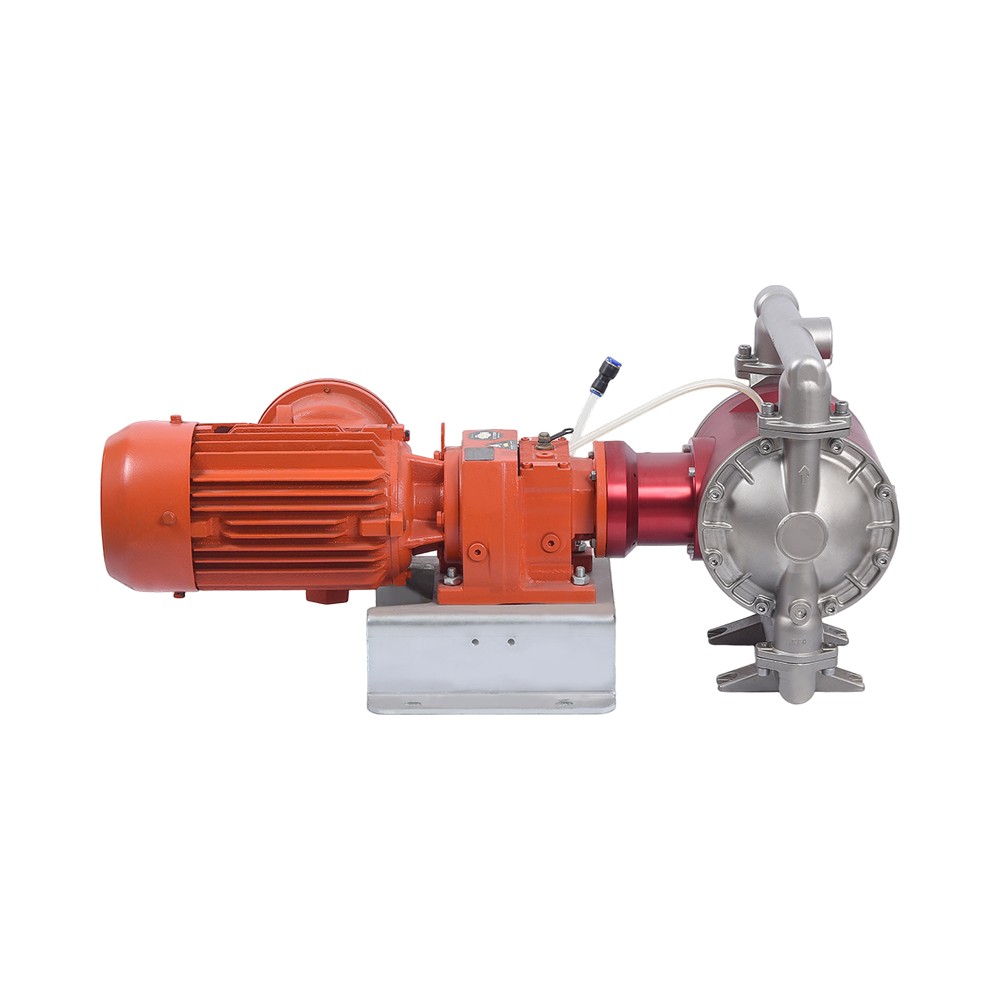
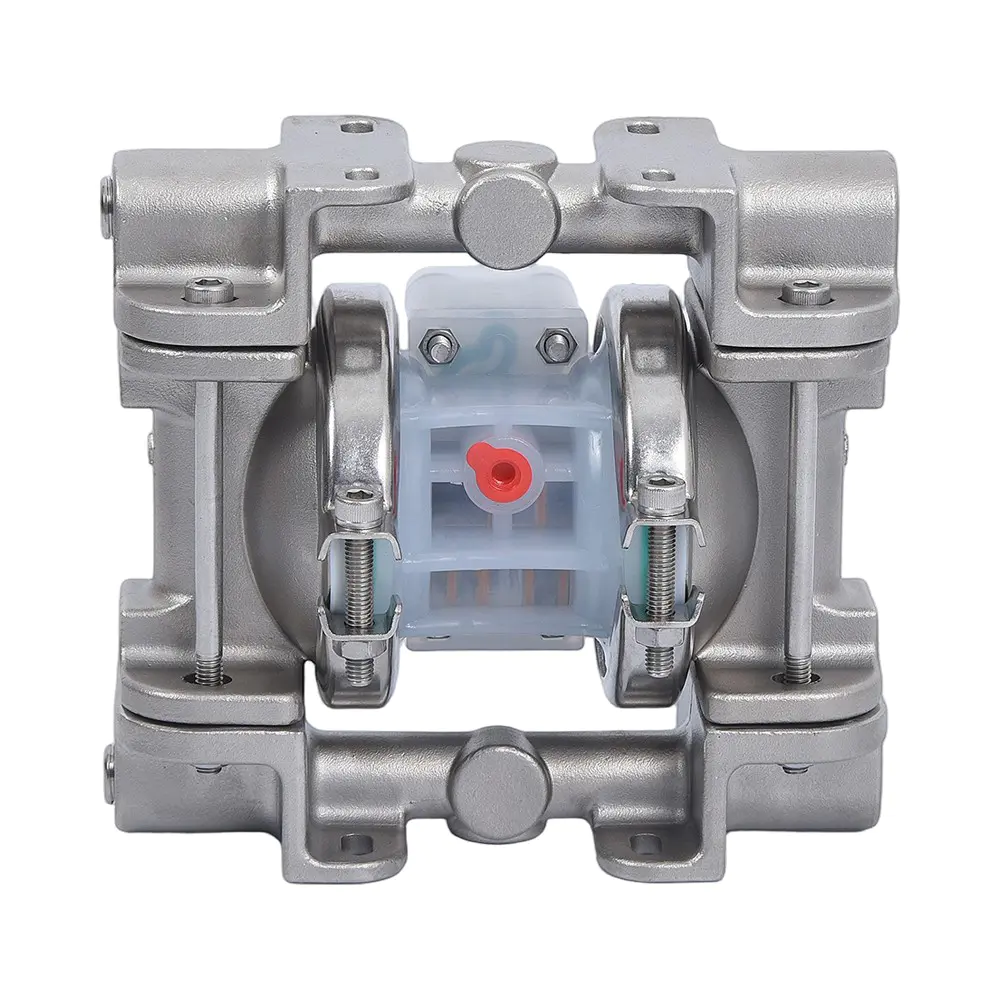
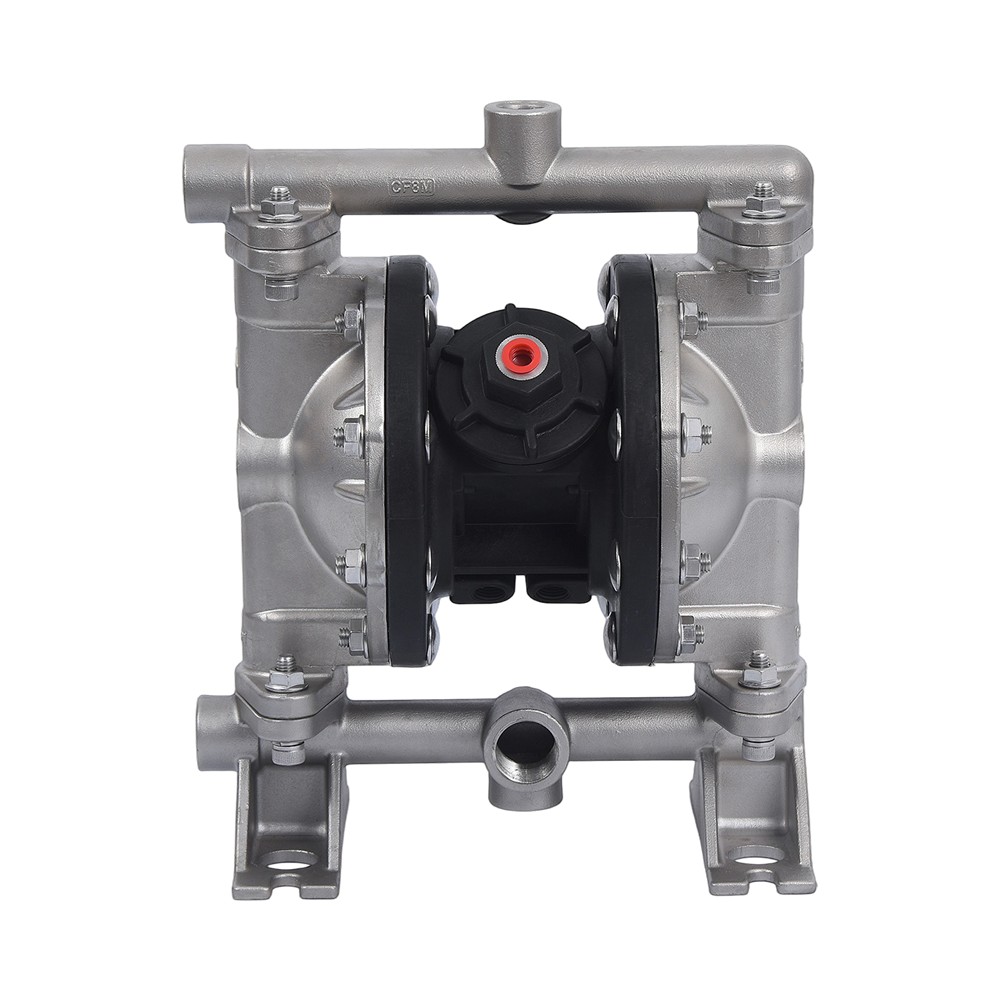
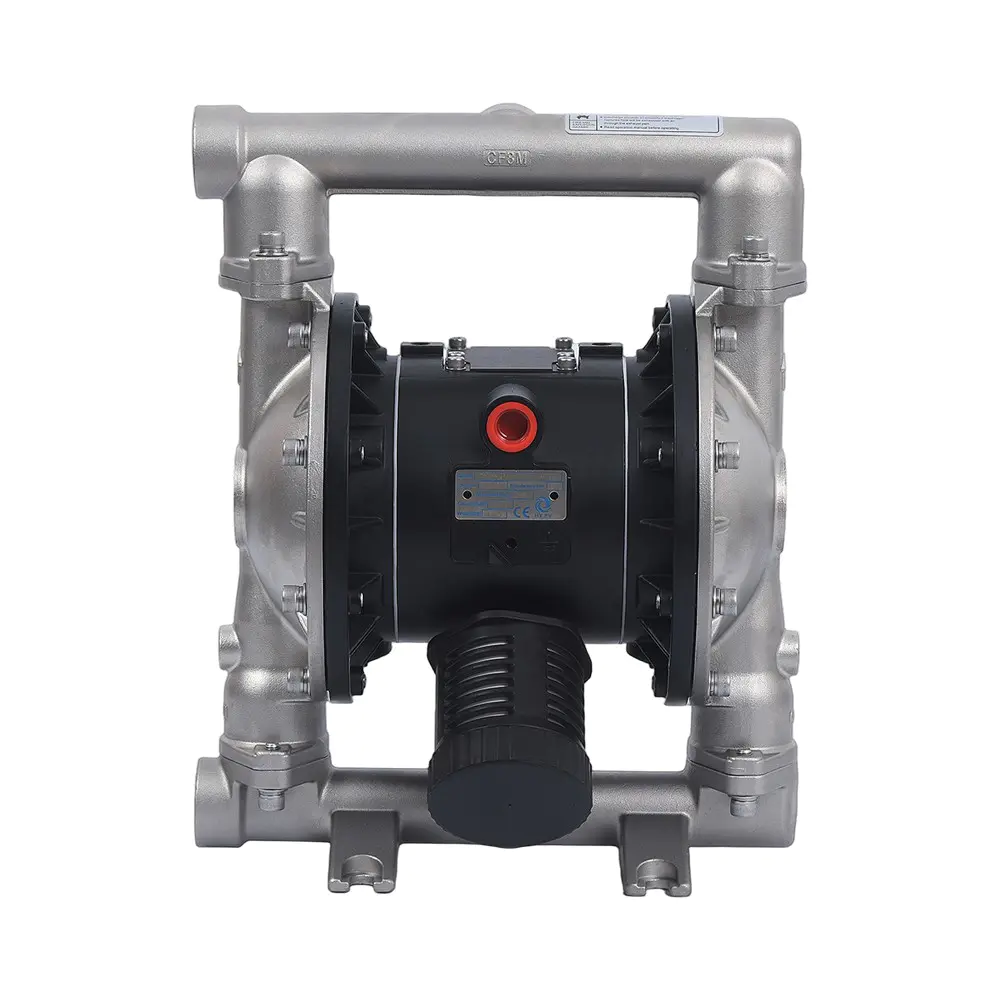
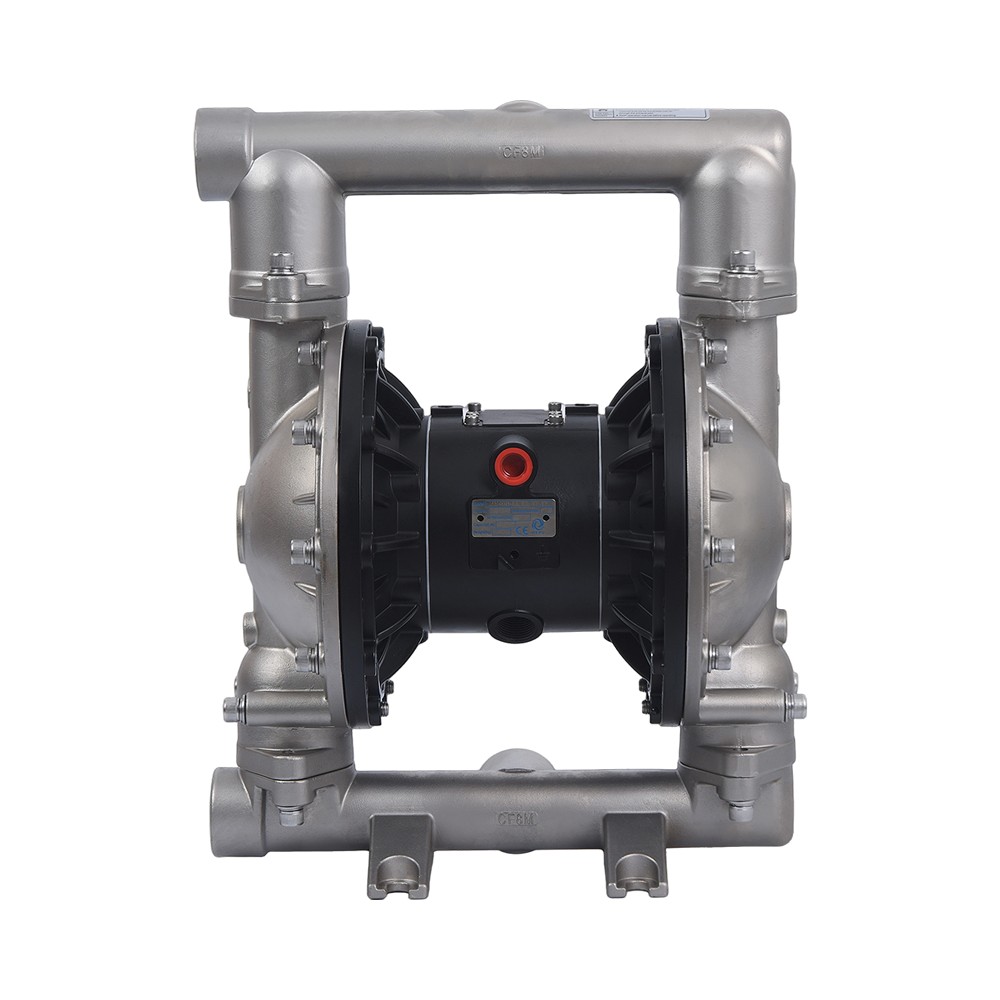
عربىWhen industrial applications demand the highest levels of corrosion resistance, material purity, and durability, the stainless steel diaphragm pump stands as the undisputed champion of fluid transfer technology. These precision-engineered pumps combine the inherent advantages of diaphragm pump design—dry-run capability, self-priming operation, and leak-free performance—with the exceptional material properties of stainless steel. The result is a pumping solution that thrives in the most demanding environments, from aggressive chemical processing to stringent sanitary applications in food and pharmaceutical production. This comprehensive guide explores every aspect of stainless steel diaphragm pump technology, providing the technical depth needed for informed specification and purchasing decisions.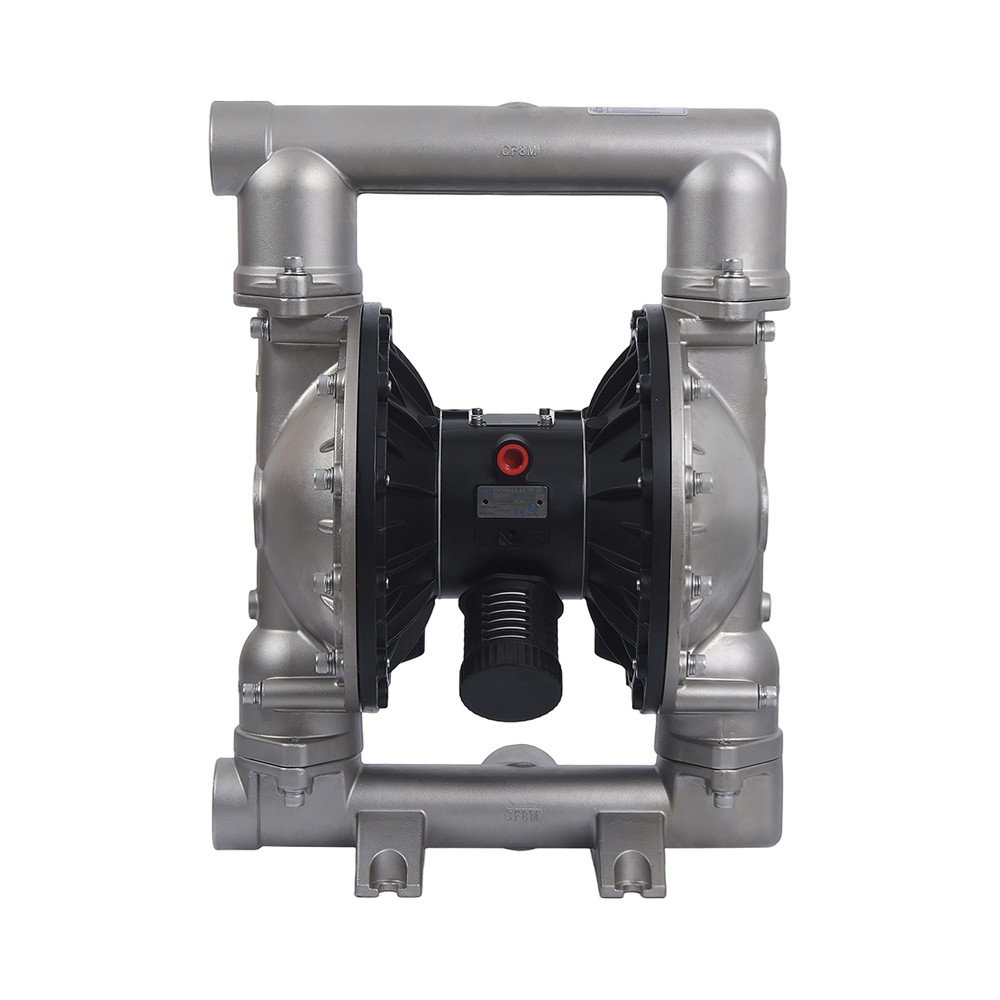
Content
- 1 1. Why Stainless Steel? Understanding Material Superiority
- 2 2. Applications Requiring Stainless Steel Diaphragm Pumps
- 3 3. Grades of Stainless Steel in Pump Construction
- 4 4. Center Block Options and Material Compatibility
- 5 5. Performance Characteristics and Specifications
- 6 6. Wear Resistance in Abrasive Applications
- 7 7. Selection Guide for Stainless Steel Diaphragm Pumps
- 8 8. Maintenance Best Practices
- 9 Frequently Asked Questions (FAQ)
- 9.1 Q: What is the difference between 304 and 316 stainless steel for pump construction?
- 9.2 Q: Can stainless steel diaphragm pumps handle abrasive slurries?
- 9.3 Q: What center block material should I select for my application?
- 9.4 Q: Are stainless steel diaphragm pumps suitable for food and pharmaceutical applications?
- 9.5 Q: How do I select the correct diaphragm material?
- 9.6 Q: What maintenance do stainless steel diaphragm pumps require?
- 9.7 Q: Can these pumps handle both pneumatic and electric drive configurations?
1. Why Stainless Steel? Understanding Material Superiority
The selection of stainless steel as a pump construction material is driven by three fundamental properties that no other material can match in combination: excellent corrosion resistance, outstanding chemical compatibility, and superior wear resistance. These characteristics make stainless steel diaphragm pumps the preferred choice for applications where pump failure could result in costly downtime, environmental contamination, or product loss.
The Metallurgy of Corrosion Resistance
Stainless steel derives its corrosion resistance from the formation of a thin, transparent chromium oxide layer on the metal surface. When exposed to oxygen, the chromium in the steel—typically 16-18% in 304 stainless steel and 16-18% with 2-3% molybdenum in 316 stainless steel—reacts to form this passive layer. If the surface is scratched or damaged, the layer instantly reforms in the presence of oxygen, providing continuous protection. This self-healing property is particularly valuable in pump applications where fluid velocities and suspended solids can cause continuous surface abrasion.
Comparative Corrosion Resistance Data
The following table compares the corrosion resistance of common pump construction materials, demonstrating why stainless steel is essential for aggressive fluid handling.
| Fluid | 316 Stainless Steel | 304 Stainless Steel | Polypropylene | Aluminum |
|---|---|---|---|---|
| Nitric Acid (20%, 70°F) | 10 | 9 | 7 | 1 |
| Sodium Hydroxide (50%, 70°F) | 9 | 8 | 8 | 2 |
| Hydrochloric Acid (10%, 70°F) | 6 | 4 | 9 | 1 |
| Sea Water | 10 | 8 | 10 | 3 |
| Acetone | 10 | 10 | 2 | 6 |
As the data clearly shows, 316 stainless steel provides superior or equivalent corrosion resistance across virtually all fluid categories, with particular excellence in oxidizing acids and chloride-containing environments where its molybdenum content provides enhanced protection against pitting corrosion.
2. Applications Requiring Stainless Steel Diaphragm Pumps
The versatility of stainless steel diaphragm pumps makes them indispensable across a remarkably diverse range of industries. Their ability to handle aggressive liquids while maintaining product purity has established them as the standard for critical applications.
Chemical Processing Industry
In chemical plants, stainless steel diaphragm pumps excel at transferring aggressive liquids like nitric acid and sodium hydroxide—two of the most challenging industrial chemicals. Nitric acid, a strong oxidizing agent, would rapidly corrode lesser materials, while the high pH of sodium hydroxide attacks aluminum and many plastics. Stainless steel handles both with ease. Additional chemical applications include:
- Sulfuric acid handling at various concentrations
- Phosphoric acid for fertilizer production
- Organic solvents including alcohols, ketones, and aromatics
- Latex and emulsions where product stability is critical
- Chemical intermediates and specialty chemicals
Food and Beverage Processing
Sanitary requirements in food processing demand materials that are non-reactive, easy to clean, and resistant to the acidic or alkaline nature of many food products. Stainless steel diaphragm pumps meet FDA requirements and are widely used for:
- Fruit juices and concentrates where acidity would corrode other metals
- Dairy products requiring sanitary conditions
- Vegetable oils and edible fats
- Sauces, syrups, and food additives
- Wine, beer, and spirits where metal contamination affects taste
Pharmaceutical and Biotechnology
The pharmaceutical industry demands absolute purity and cleanability. Stainless steel diaphragm pumps, particularly those with electropolished surfaces, are specified for:
- Purified water and WFI (Water for Injection) systems
- Buffer solutions and culture media
- Active pharmaceutical ingredients (APIs)
- Sterile formulations and biologics
- Cleaning solutions for CIP (Clean-in-Place) systems
Paint, Coatings, and Inks
The paint industry relies on stainless steel diaphragm pumps for handling:
- Solvent-based paints and coatings
- Pigments and dispersions
- Printing inks and varnishes
- Resins and polymers
Mining and Construction
In these demanding environments, stainless steel pumps provide the wear resistance needed for abrasive applications:
- Ceramic industry: Abrasives, glazes, enamels, clays, and water
- Mining: Slurries, thickener underflow, and reagent dosing
- Construction: Grouts, cement slurries, and chemical additives
Water and Wastewater Treatment
Municipal and industrial sewage treatment facilities depend on stainless steel pumps for:
- Chemical dosing of coagulants and flocculants
- Sludge transfer and handling
- pH adjustment chemicals
- Disinfection chemicals including sodium hypochlorite
3. Grades of Stainless Steel in Pump Construction
Not all stainless steel is created equal. Understanding the differences between available grades is essential for selecting the optimal pump for your application.
304 Stainless Steel
The most common stainless steel grade, 304 contains 18-20% chromium and 8-10.5% nickel. It offers excellent corrosion resistance in a wide range of environments and is suitable for:
- Food processing equipment
- Mild chemical environments
- Water treatment applications
- General industrial use
316 Stainless Steel
The premium choice for demanding applications, 316 stainless steel adds 2-3% molybdenum to the 304 composition. This addition provides:
- Superior resistance to chlorides and pitting corrosion
- Enhanced performance at elevated temperatures
- Better resistance to reducing acids
- Increased creep strength at high temperatures
For applications involving nitric acid, sodium hydroxide, or chloride-containing environments, 316 stainless steel is the recommended choice.
Surface Finishes
The performance of stainless steel diaphragm pumps is also influenced by surface finish. Common options include:
- Mill finish: Standard industrial finish for general applications
- 180-320 grit mechanical polish: For improved cleanability in food applications
- 400 grit electropolish: The highest level of surface refinement, essential for pharmaceutical and ultra-pure applications
4. Center Block Options and Material Compatibility
While the wetted surfaces of a stainless steel diaphragm pump provide excellent corrosion resistance, the center block (the section between the two diaphragm chambers) offers additional material flexibility. Standard configurations typically feature corrosion-resistant polypropylene (PP) center blocks, but other materials are available upon request for specific application requirements.
Center Block Material Options
| Material | Advantages | Typical Applications |
|---|---|---|
| Polypropylene (PP) | Excellent chemical resistance, cost-effective, lightweight | Standard for most chemical applications, water treatment |
| PVDF (Kynar) | Superior chemical resistance, higher temperature capability | Aggressive solvents, high-purity applications, semiconductor |
| PTFE (Teflon) | Near-universal chemical resistance, non-stick properties | Extreme chemical service, ultra-pure fluids |
| Aluminum | Lightweight, good thermal conductivity | Non-corrosive fluids, portable applications |
| 316 Stainless Steel | Full stainless construction, maximum durability | Sanitary applications, high-temperature, corrosive environments |
The standard polypropylene center block offers excellent chemical resistance for the vast majority of applications while keeping weight and cost optimized. For specialized requirements, alternative materials ensure that your stainless steel diaphragm pump can be configured for optimal performance in any environment.
5. Performance Characteristics and Specifications
Stainless steel diaphragm pumps deliver exceptional performance across a wide range of operating conditions. The following table provides typical performance data for common pump sizes.
| Pump Size | Max Flow (GPM) | Max Flow (LPM) | Max Pressure (PSI) | Max Pressure (Bar) | Max Suction Lift (ft) |
|---|---|---|---|---|---|
| 1/4" | 5 | 19 | 100 | 6.9 | 15 |
| 1/2" | 14 | 53 | 100 | 6.9 | 18 |
| 1" | 40 | 151 | 125 | 8.6 | 20 |
| 1-1/2" | 80 | 303 | 125 | 8.6 | 19 |
| 2" | 150 | 568 | 125 | 8.6 | 18 |
| 3" | 275 | 1040 | 120 | 8.3 | 16 |
These performance figures represent pumping water at ambient temperature. Actual performance with specific fluids will vary based on viscosity, specific gravity, and suction conditions. The wear resistance of stainless steel ensures that these performance characteristics are maintained even when handling abrasive slurries or high-velocity flows.
6. Wear Resistance in Abrasive Applications
While stainless steel is celebrated for its corrosion resistance, its wear resistance properties are equally impressive. In applications involving suspended solids, slurries, or abrasive fluids, the hardness and work-hardening characteristics of stainless steel provide exceptional durability.
Hardness Comparison
| Material | Hardness (HB) | Wear Resistance Rating |
|---|---|---|
| 316 Stainless Steel | 149-215 | Excellent |
| 304 Stainless Steel | 123-185 | Good |
| Aluminum | 30-50 | Poor |
| Polypropylene | 5-10 | Fair (abrasives cause rapid wear) |
Applications Demonstrating Wear Resistance
- Ceramic industry: Handling abrasive glazes, clays, and enamels that would rapidly erode plastic pump components
- Mining and construction: Transferring mineral slurries, cement grouts, and rock dust suspensions
- Paint and coatings: Pumping pigment dispersions and abrasive colorants
- Wastewater: Handling grit-laden sludge and suspended solids
In these applications, the combination of stainless steel construction and appropriate diaphragm material selection (often Santoprene or Hytrel for abrasion resistance) provides service life measured in years rather than months.
7. Selection Guide for Stainless Steel Diaphragm Pumps
Selecting the optimal stainless steel diaphragm pump requires systematic evaluation of your application requirements. Use this guide to ensure proper specification.
Selection Decision Matrix
| Application Category | Recommended Grade | Center Block Material | Diaphragm Material |
|---|---|---|---|
| Nitric Acid Transfer | 316 Stainless Steel | PTFE or PVDF | PTFE |
| Sodium Hydroxide | 316 Stainless Steel | Polypropylene | EPDM |
| Food Processing | 316 Stainless Steel | 316 Stainless Steel | EPDM or PTFE |
| Ceramic Slurries | 304/316 Stainless Steel | Polypropylene | Santoprene |
| Pharmaceutical/Water | 316L Stainless Steel | 316 Stainless Steel | PTFE |
| Solvent Transfer | 316 Stainless Steel | PTFE or PVDF | PTFE |
8. Maintenance Best Practices
While stainless steel diaphragm pumps are exceptionally durable, proper maintenance ensures maximum service life. Follow these guidelines for optimal performance.
Routine Inspection Checklist
- Daily: Check for leaks at flange connections and diaphragm housing. Verify discharge pressure and flow rate.
- Weekly: Inspect air exhaust for signs of diaphragm failure (spitting liquid). Check air line filter and regulator.
- Monthly: Inspect valve balls and seats for wear or deformation. Check diaphragms for signs of cracking or permeation.
- Quarterly: Inspect manifold bolts for proper torque. Check air valve assembly for cleanliness and proper operation.
- Annually: Rebuild pump with new diaphragms and valves in critical service applications. Inspect center block and air motor components.
Maximizing Diaphragm Life
Diaphragm life is influenced by several factors. To maximize service life:
- Operate within recommended pressure and temperature ranges
- Avoid excessive discharge pressure that over-stresses diaphragms
- Ensure proper diaphragm material selection for fluid compatibility
- Inspect and replace diaphragms at first sign of cracking or stiffness
- Maintain clean, dry, and properly lubricated air supply (for pneumatic models)
Frequently Asked Questions (FAQ)
Q: What is the difference between 304 and 316 stainless steel for pump construction?
A: The primary difference is the addition of 2-3% molybdenum in 316 stainless steel, which provides enhanced resistance to chlorides and pitting corrosion. For applications involving nitric acid, sodium hydroxide, or saline environments, 316 is the preferred choice. 304 stainless steel is suitable for less aggressive applications and offers cost advantages.
Q: Can stainless steel diaphragm pumps handle abrasive slurries?
A: Yes. The wear resistance of stainless steel makes it ideal for abrasive applications in the ceramic industry, mining, and construction. For optimal performance, pair stainless steel construction with abrasion-resistant diaphragm materials like Santoprene or Hytrel, and inspect valves and seats regularly.
Q: What center block material should I select for my application?
A: The standard polypropylene (PP) center block provides excellent corrosion resistance for most chemical applications. For aggressive solvents or high-temperature service, consider PVDF or PTFE. For sanitary applications requiring all-stainless construction, specify a 316 stainless steel center block.
Q: Are stainless steel diaphragm pumps suitable for food and pharmaceutical applications?
A: Absolutely. 316 stainless steel pumps with appropriate surface finishes are the industry standard for sanitary applications. They meet FDA requirements, resist corrosion from food products and cleaning agents, and can be thoroughly cleaned and sterilized.
Q: How do I select the correct diaphragm material?
A: Diaphragm selection depends on fluid compatibility, temperature, and abrasiveness. PTFE offers universal chemical resistance for aggressive applications. EPDM is excellent for water, dilute acids, and alkalis. Santoprene provides superior abrasion resistance for slurries. Consult chemical compatibility charts for specific recommendations.
Q: What maintenance do stainless steel diaphragm pumps require?
A: Routine inspection of diaphragms, valves, and seats is recommended. In non-abrasive service, diaphragms typically last 1-2 years. In abrasive applications, more frequent inspection is advised. The stainless steel housing itself requires minimal maintenance beyond occasional cleaning.
Q: Can these pumps handle both pneumatic and electric drive configurations?
A: Yes. Stainless steel fluid bodies are available for both pneumatic and electric diaphragm pump configurations. The choice depends on your facility's infrastructure, energy efficiency goals, and application requirements.