

 EN
EN
 English
 Français
 Español
 عربى
عربىWhen fluid containment is non-negotiable — whether in pharmaceutical manufacturing, chemical processing, or food production — the leak-free diaphragm pump stands as the gold standard. Unlike traditional centrifugal or gear pumps that rely on rotating shaft seals prone to wear and leakage, diaphragm pumps use a flexible membrane to move fluid, completely isolating it from the mechanical drive. The result: zero product loss, zero contamination risk, and zero environmental hazard.
This guide covers how leak-free diaphragm pumps work, their advantages over competing technologies, selection criteria, maintenance best practices, and answers to the most frequently asked questions from engineers and procurement teams.
Content
- 1 What Is a Leak-Free Diaphragm Pump?
- 2 How Does a Leak-Free Diaphragm Pump Work?
- 3 Leak-Free Diaphragm Pump vs. Other Pump Types: A Detailed Comparison
- 4 Key Benefits of Leak-Free Diaphragm Pumps
- 5 Types of Leak-Free Diaphragm Pumps
- 6 Diaphragm Material Selection Guide
- 7 Industries and Applications
- 8 How to Choose the Right Leak-Free Diaphragm Pump
- 9 Maintenance Best Practices for Long-Term Leak-Free Performance
- 10 Frequently Asked Questions (FAQ)
- 11 Conclusion: Why Leak-Free Diaphragm Pumps Are the Smart Choice
What Is a Leak-Free Diaphragm Pump?
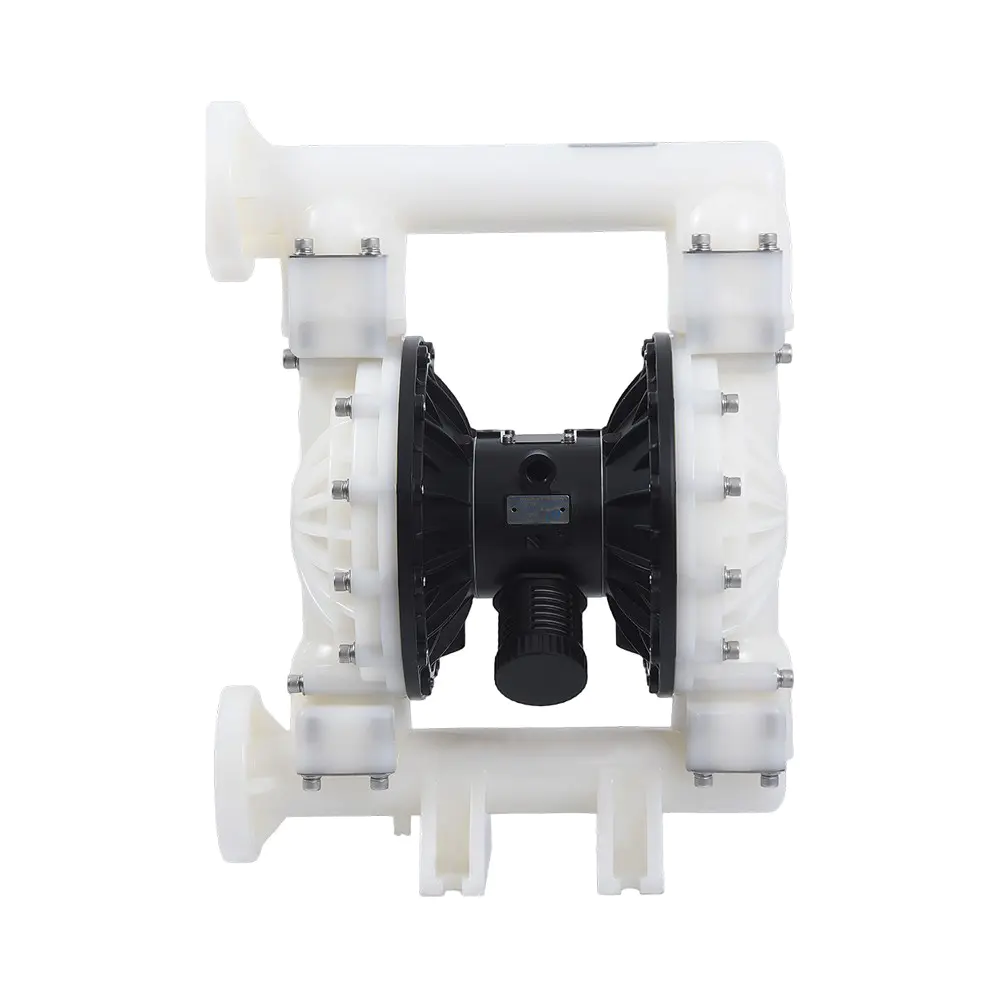
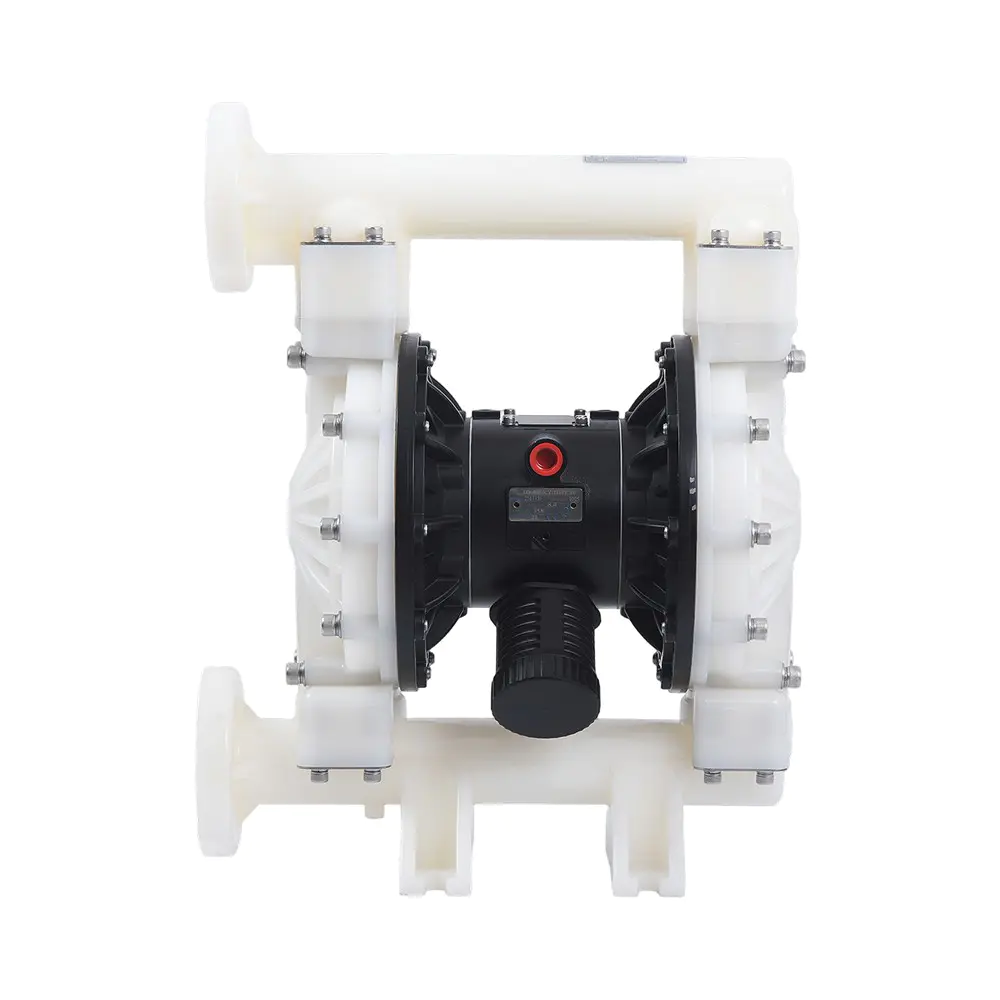
A leak-free diaphragm pump is a positive displacement pump that transfers fluid by means of a reciprocating flexible diaphragm. Because the fluid-contact chamber is hermetically sealed by the diaphragm itself, there are no rotating shaft seals, no mechanical face seals, and no gland packings — the primary sources of leakage in conventional pump designs.
The pump achieves its leak-free performance through a combination of:
- Hermetically sealed wetted chamber — fluid never contacts the drive mechanism
- Chemically resistant diaphragm materials — PTFE, EPDM, Viton, or Santoprene depending on application
- Check valve system — prevents backflow and maintains unidirectional flow
- Air-operated or electrically driven actuation — no lubrication fluids near product stream
How Does a Leak-Free Diaphragm Pump Work?
The Operating Cycle
The operation of a leak-free diaphragm pump follows a simple yet highly effective reciprocating cycle:
- Suction Stroke — The diaphragm flexes outward, increasing chamber volume and drawing fluid through the inlet check valve.
- Discharge Stroke — The diaphragm is pushed inward, compressing the chamber and forcing fluid out through the outlet check valve.
- Valve Cycling — Spring-loaded or ball-type check valves ensure fluid flows only in the intended direction, preventing backflow.
In double-diaphragm configurations — the most common type in industrial settings — two diaphragms operate 180° out of phase, providing near-continuous flow and self-priming capability from dry conditions.
Why There Are No Leaks
The diaphragm acts as a complete barrier between the pumped fluid and the outside environment. In air-operated double diaphragm (AODD) pumps, even if a diaphragm were to rupture, a secondary containment chamber prevents fluid from reaching the atmosphere immediately, and most designs include a rupture detection port to alarm operators before any spill occurs.
Leak-Free Diaphragm Pump vs. Other Pump Types: A Detailed Comparison
Choosing the right pump technology depends on your fluid properties, leak tolerance, and operating environment. The table below compares leak-free diaphragm pumps with common alternatives across the most critical performance dimensions:
| Feature | Leak-Free Diaphragm Pump | Centrifugal Pump | Gear Pump | Peristaltic Pump |
| Leak Risk | None (hermetically sealed) | High (shaft seal wear) | Medium–High | Low–Medium |
| Self-Priming | Yes (up to 9m) | No | Limited | Yes |
| Handles Solids | Yes (up to 76mm) | Limited | No | Small particles only |
| Run-Dry Capability | Yes | No (damages seal) | No | Yes |
| Viscous Fluid Handling | Excellent | Poor | Good | Moderate |
| Chemical Compatibility | Excellent (PTFE option) | Moderate | Moderate | Good |
| ATEX / Hazardous Area | Yes (air-driven models) | Requires special motor | Requires special motor | Varies |
| Maintenance Complexity | Low | Medium | High | Low–Medium |
Key Benefits of Leak-Free Diaphragm Pumps
1. Absolute Fluid Containment
The most defining advantage of a leak-free diaphragm pump is its ability to handle dangerous chemicals, acids, solvents, and pharmaceutical compounds without risk of spillage. Regulatory compliance (EPA, OSHA, REACH) is significantly easier when your pumping system is inherently leak-proof.
2. Versatility Across Fluid Types
From thin solvents to thick slurries, from corrosive acids to sensitive biological suspensions — the diaphragm pump's leak-free design accommodates a wide viscosity range (1 to over 50,000 cP) without compromising performance. Solids-laden fluids up to 76mm in diameter can pass through larger port designs.
3. Reduced Total Cost of Ownership
Seal replacements, cleanup costs from spills, unplanned downtime, and regulatory fines can dramatically inflate the lifetime cost of a seal-based pump. A leak-free diaphragm pump eliminates these expenses. Diaphragm replacement intervals are typically measured in years rather than months, and the procedure requires no specialized tools or technicians.
4. Safe for Hazardous and Explosive Environments
Air-operated leak-free diaphragm pumps are intrinsically safe for ATEX Zone 1 and Zone 2 environments because they require no electricity near the fluid. This makes them the preferred choice in solvent transfer, paint and coatings, and offshore applications.
5. True Dry-Run Capability
Unlike centrifugal pumps that overheat and fail within seconds of running dry, leak-free diaphragm pumps can operate indefinitely without fluid — no damage to seals or impellers. This makes them ideal for batch processes, drum unloading, and applications where empty lines are common.
Types of Leak-Free Diaphragm Pumps
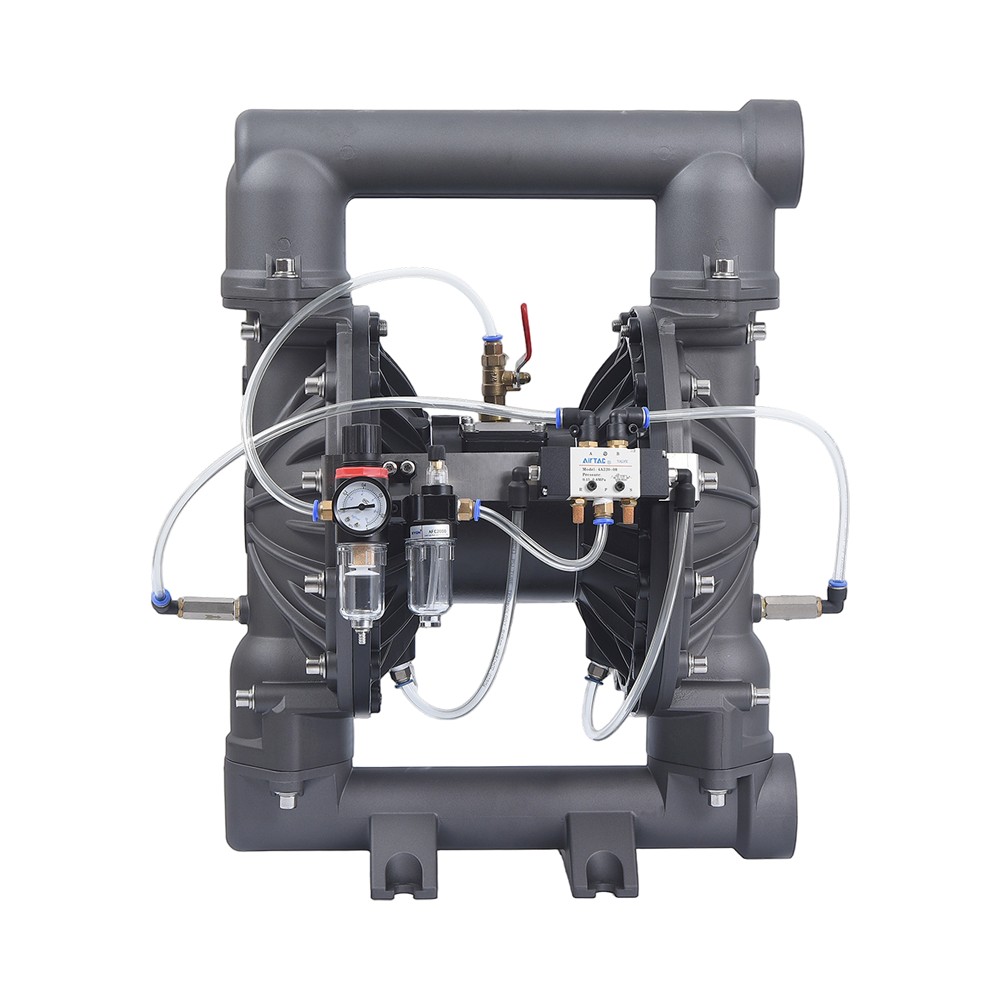
Air-Operated Double Diaphragm (AODD) Pumps
The most widely deployed type in industrial settings. Compressed air alternately pressurizes the back of each diaphragm, creating smooth, near-pulsation-free flow. AODD pumps are inherently leak-free, self-priming, and stall safely when discharge is blocked.
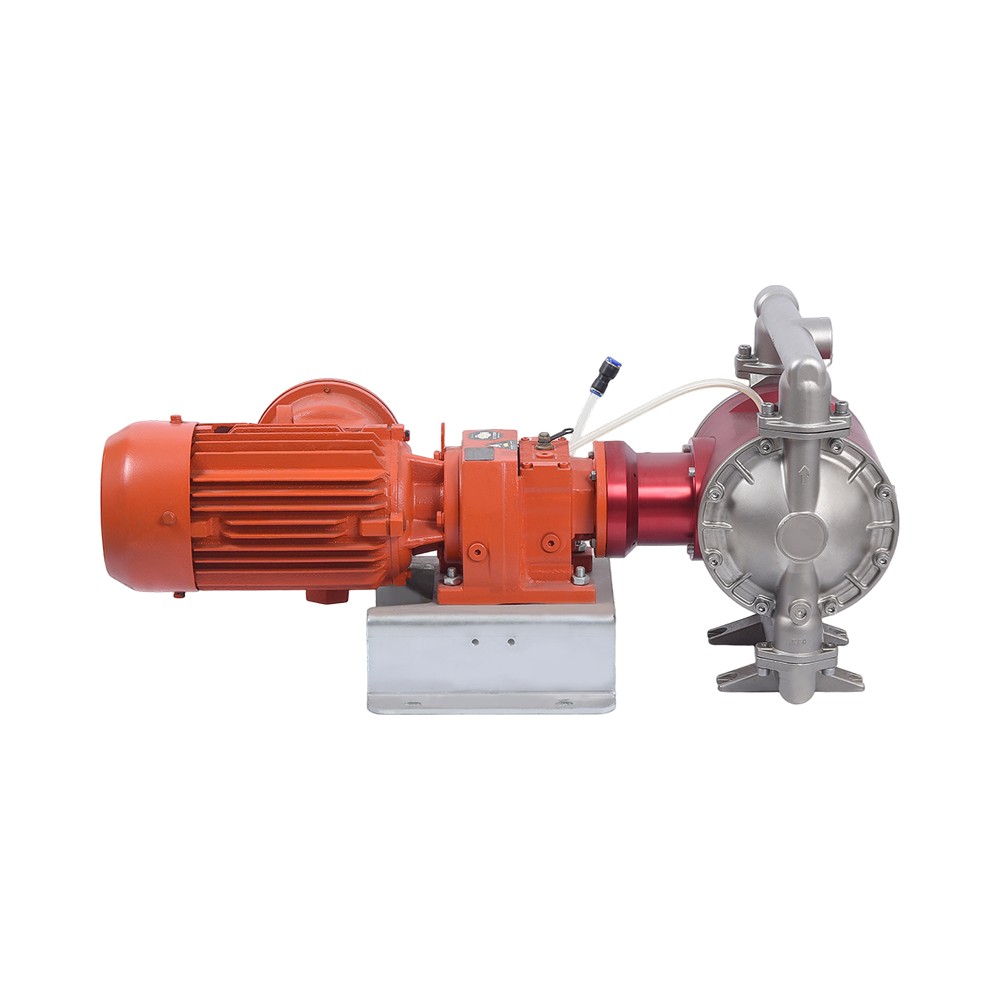
Electrically Driven Diaphragm Pumps
Motor-driven diaphragm pumps offer precise flow control through variable speed drives, making them ideal for dosing and metering applications in water treatment and chemical injection. The leak-free diaphragm design ensures accurate, contamination-free dosing even at very low flow rates.
Hydraulically Actuated Diaphragm Pumps
Used in high-pressure applications such as reverse osmosis, chemical injection in oil and gas, and high-pressure process fluid transfer. Hydraulic actuation provides exceptionally precise control of diaphragm movement, minimizing pulsation and maximizing leak-free reliability at pressures exceeding 400 bar.
Sanitary / Hygienic Diaphragm Pumps
Designed to FDA, EHEDG, and 3-A standards for food, beverage, and pharmaceutical applications. These leak-free diaphragm pumps feature polished stainless steel wetted parts, crevice-free designs, and CIP/SIP compatibility for sterile processing.
Diaphragm Material Selection Guide
Selecting the correct diaphragm material is critical to ensuring long-term leak-free performance. The wrong material can cause premature diaphragm failure, swelling, or chemical attack — which would defeat the entire purpose of the leak-free design.
| Material | Best For | Avoid With | Temp Range |
| PTFE | Strong acids, solvents, aggressive chemicals | Abrasive slurries (low wear resistance) | -40°C to +180°C |
| EPDM | Water, mild acids, alkalis, food products | Petroleum-based fluids | -40°C to +135°C |
| Viton (FKM) | Fuels, oils, aromatic solvents | Ketones, amines, low-molecular-weight esters | -20°C to +200°C |
| Santoprene (TPE) | General purpose, water, dilute chemicals | Strong oxidizers, chlorinated solvents | -40°C to +120°C |
| Neoprene | Oils, mild acids, refrigerants | Strong oxidizing acids, aromatic hydrocarbons | -40°C to +100°C |
Industries and Applications
The leak-free diaphragm pump is deployed across virtually every fluid-handling industry. Here are the most prominent sectors and their specific use cases:
- Chemical Processing — Transfer of acids, alkalis, solvents, and reactive intermediates where zero-emission performance is mandatory
- Pharmaceutical & Biotech — Hygienic transfer of APIs, buffer solutions, cell culture media, and sterile fluids under FDA and cGMP compliance
- Food & Beverage — Pumping of juices, sauces, dairy products, chocolate, and yeast slurries with no risk of contamination
- Water & Wastewater Treatment — Dosing of flocculants, pH adjustment chemicals, and sludge dewatering
- Mining & Minerals — Transfer of abrasive slurries, tailings, and process water in demanding environments
- Paint & Coatings — Solvent-based coating transfer in ATEX-certified environments
- Oil & Gas — Chemical injection, produced water handling, and crude oil transfer at remote locations
- Semiconductor Manufacturing — Ultra-pure chemical delivery for etching and cleaning processes
How to Choose the Right Leak-Free Diaphragm Pump
Not all leak-free diaphragm pumps are created equal. Use the following selection framework to identify the optimal pump for your application:
Step 1 — Define Fluid Properties
Identify viscosity, specific gravity, pH, temperature, abrasiveness, and any solid content. These parameters determine diaphragm material, valve type, and port size.
Step 2 — Determine Flow Rate and Pressure Requirements
Leak-free diaphragm pumps are available in flow ranges from as low as 0.5 L/min to over 2,400 L/min. Maximum discharge pressures vary from 8 bar (AODD) to over 400 bar (hydraulic). Specify both peak and normal operating conditions.
Step 3 — Choose Drive Type
If compressed air is available and the environment is potentially explosive, an AODD pump is the logical choice. For precise metering or where air supply is unavailable, specify an electrically driven model with an appropriate motor protection rating.
Step 4 — Specify Housing Material
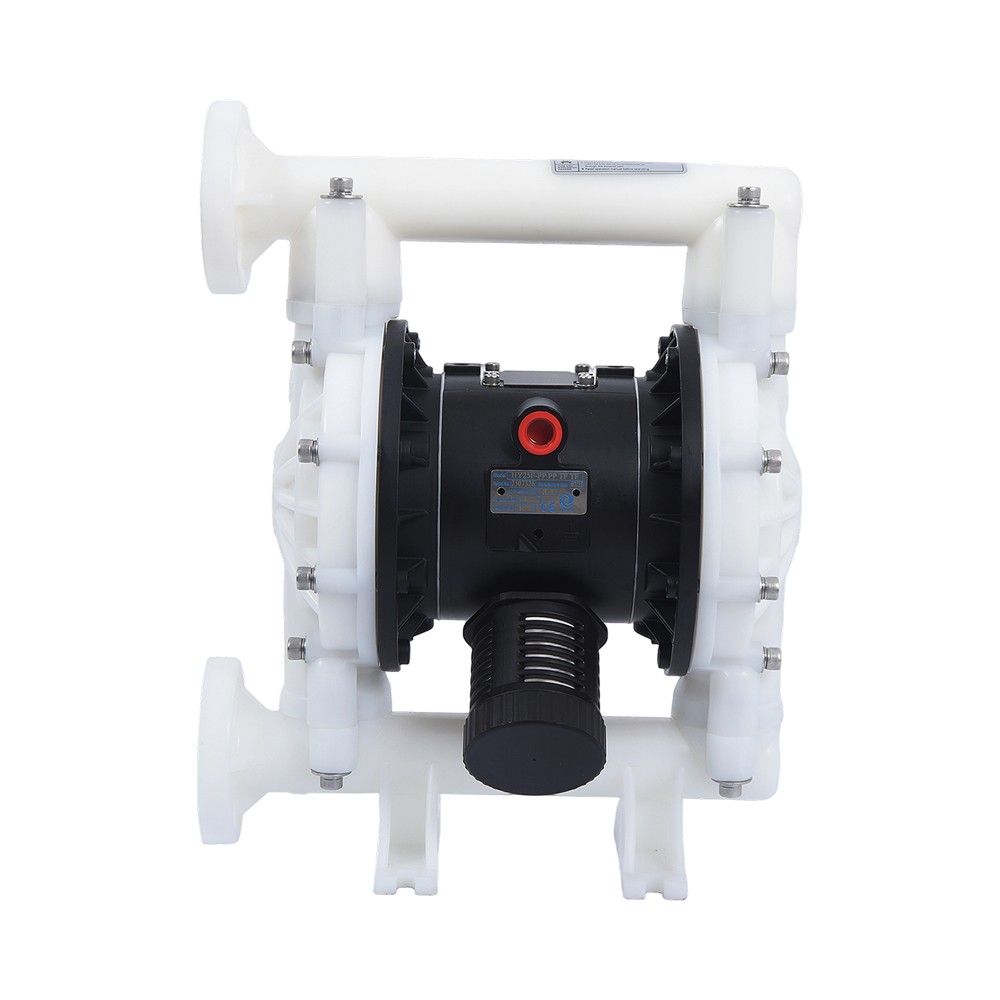
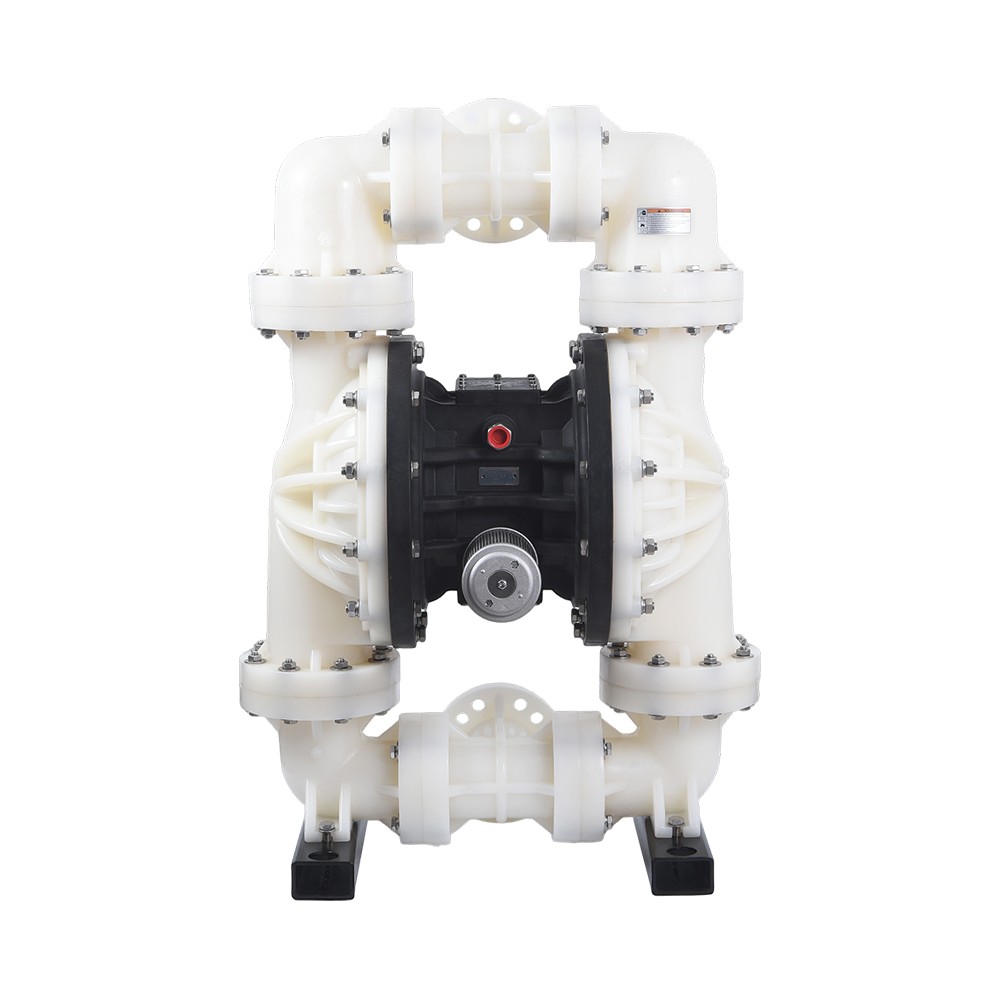
Pump housings are available in polypropylene, PVDF, aluminum, cast iron, and 316L stainless steel. For aggressive chemicals or hygienic applications, PVDF or stainless steel are the standard choices for leak-free diaphragm pump bodies.
Step 5 — Consider Installation and Connection
Evaluate suction lift requirements (most leak-free diaphragm pumps self-prime to 7–9m), connection sizes, and whether the installation requires clamped sanitary fittings, flanged connections, or threaded ports.
Maintenance Best Practices for Long-Term Leak-Free Performance
While leak-free diaphragm pumps are inherently low-maintenance, a proactive maintenance routine extends service intervals and prevents unexpected downtime:
- Diaphragm inspection — Visually inspect every 6–12 months for cracks, delamination, or chemical attack
- Check valve cleaning — Ball and seat valves should be cleaned and inspected annually, particularly in slurry service
- Air valve lubrication — AODD air valves require occasional lubrication unless they are oil-free designs
- Tightening torque verification — Diaphragm clamping bolts should be re-torqued to specification after the first 100 hours of service
- Rupture detection monitoring — Where installed, test diaphragm rupture sensors quarterly to ensure the leak-free alarm system is functional
- Fluid compatibility re-evaluation — Review diaphragm and seal material compatibility whenever process fluid chemistry changes
Frequently Asked Questions (FAQ)
Q: Are leak-free diaphragm pumps truly 100% leak-free?
Yes — under normal operating conditions, a properly specified and maintained leak-free diaphragm pump achieves zero external leakage because the fluid never contacts any rotating shaft or mechanical seal. The only theoretical leakage path is through a ruptured diaphragm, which in modern double-diaphragm designs is detected by a rupture sensor before any fluid reaches the environment.
Q: What is the typical service life of a diaphragm?
Diaphragm life depends heavily on fluid chemistry, operating pressure, cycling frequency, and material selection. In typical chemical service with compatible fluids, PTFE and EPDM diaphragms routinely achieve 1–3 years of continuous service before replacement is needed. Abrasive or thermally extreme applications may require replacement every 6–12 months.
Q: Can a leak-free diaphragm pump handle high-viscosity fluids?
Yes. The positive displacement principle of diaphragm pumps means performance is largely independent of viscosity. Most leak-free diaphragm pumps handle fluids up to 10,000–50,000 cP without modification, though flow rate may need to be derated and larger port sizes selected for fluids above 5,000 cP.
Q: How do I reduce pulsation in a diaphragm pump system?
The inherent pulsation of diaphragm pumps can be mitigated by using double-diaphragm configurations (which overlap flow pulses), installing a pulsation dampener on the discharge line, or using a variable speed electric drive to fine-tune flow characteristics. Hydraulically actuated models provide the smoothest flow profile of all diaphragm pump types.
Q: What certifications should I look for in a leak-free diaphragm pump?
Depending on application, relevant certifications include ATEX/IECEx (explosive atmospheres), FDA 21 CFR (food contact materials), 3-A Sanitary Standards (dairy and food processing), CE marking (European Machinery Directive), and ISO 9001 manufacturing quality. For mining and harsh environments, look for IP65 or IP68 ingress protection ratings.
Q: Is a leak-free diaphragm pump suitable for metering and dosing?
Electrically driven diaphragm metering pumps are specifically engineered for this purpose. By adjusting stroke length, stroke frequency, and motor speed, they can deliver precise doses from microliters to liters per minute with accuracy better than ±1% of setpoint — all while maintaining complete leak-free fluid containment.
Q: How does temperature affect leak-free diaphragm pump performance?
Elevated temperatures reduce the stiffness and chemical resistance of elastomeric diaphragm materials. Always derate the maximum allowable working pressure by 15–25% for every 20°C above the material's standard temperature rating. For high-temperature applications, PTFE-laminated or PVDF-backed diaphragms provide superior thermal stability without compromising leak-free integrity.
Conclusion: Why Leak-Free Diaphragm Pumps Are the Smart Choice
For any application where fluid containment, operator safety, environmental protection, or regulatory compliance is a priority, the leak-free diaphragm pump offers an unmatched combination of reliability, versatility, and low total cost of ownership. Its seal-free design eliminates the single most common cause of pump failure and fluid loss across all industries.
Whether you are selecting a pump for a chemical dosing system, a pharmaceutical filling line, a mining slurry circuit, or a paint transfer application, specifying a leak-free diaphragm pump with the correct materials and configuration will deliver years of trouble-free, zero-emission operation.
When the cost of a leak — in lost product, safety incidents, or environmental penalties — exceeds the cost of the pump itself, the choice of a leak-free diaphragm pump is not just smart engineering. It is essential engineering.