

 EN
EN
 English
 Français
 Español
 عربى
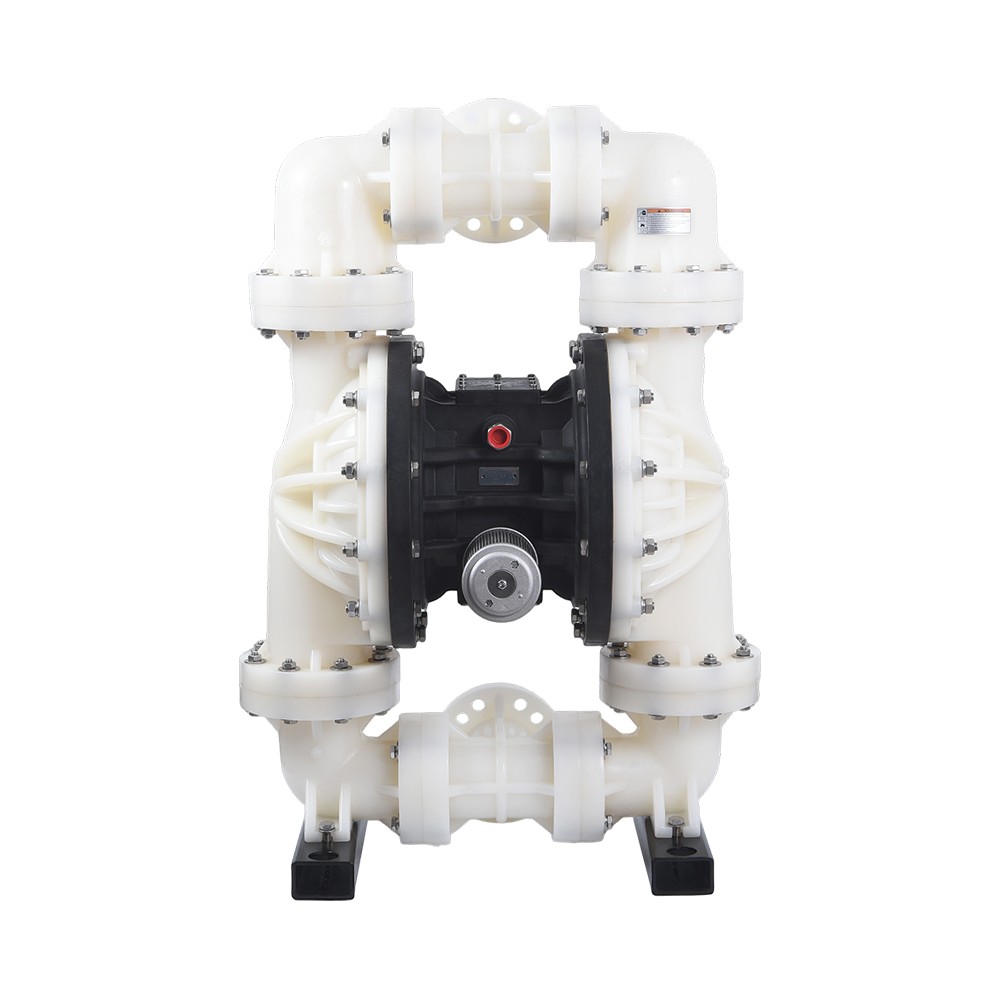
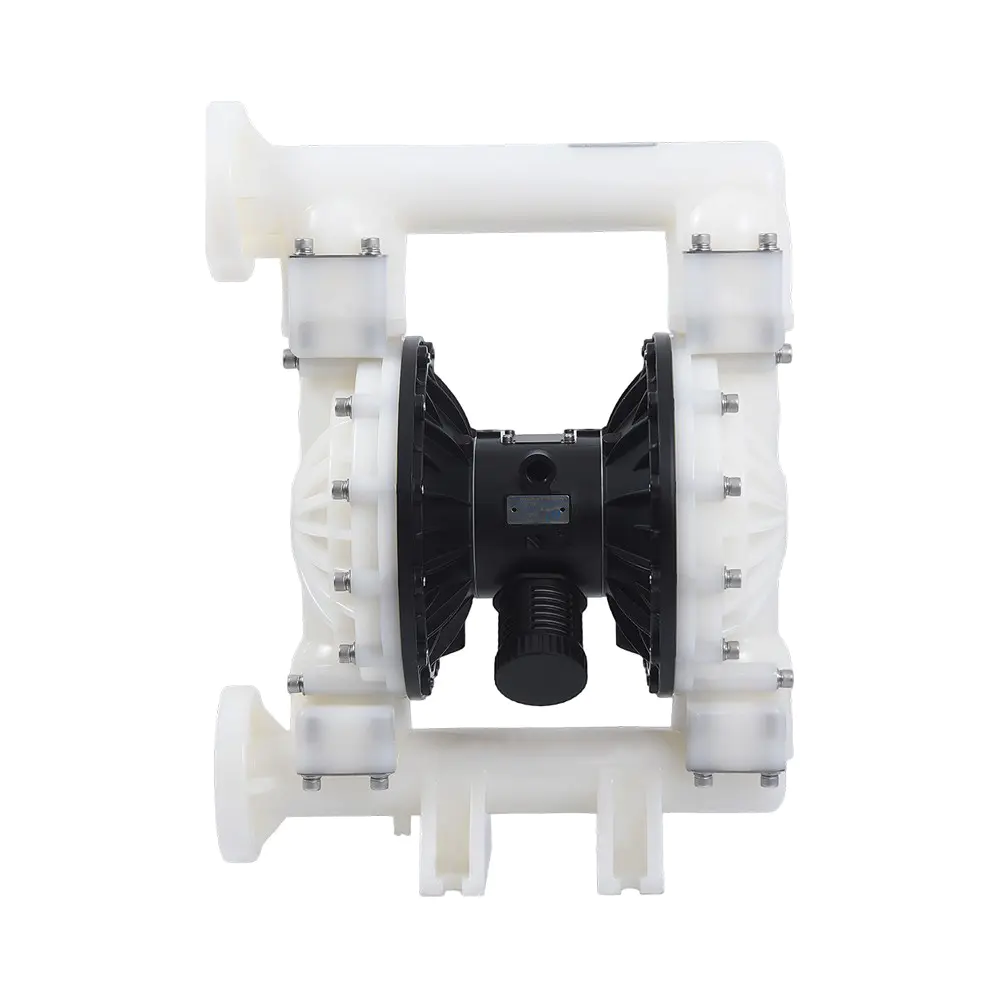
عربىThe primary difference between a Leak-Free Diaphragm Pump and a standard diaphragm pump lies in its design and sealing technology. Unlike conventional diaphragm pumps, which can suffer from fluid leakage at the diaphragm or valve connections, a leak-free model is engineered to completely eliminate external leaks while maintaining high efficiency, durability, and chemical compatibility. This difference makes it a preferred choice in industries where contamination control, safety, and precise fluid handling are critical.
Content
Design and Construction Differences
Understanding how a Leak-Free Diaphragm Pump is constructed can clarify why it outperforms standard diaphragm pumps in terms of reliability and safety.
1. Diaphragm Material and Sealing
- Standard Diaphragm Pump: Uses elastomeric or flexible materials prone to wear and micro-leakage over time.
- Leak-Free Diaphragm Pump: Incorporates high-performance materials such as PTFE, reinforced composites, or multi-layer diaphragms, ensuring absolute sealing and chemical resistance.
2. Valve System
- Standard Pump: Often uses traditional ball or flap valves that can allow backflow or leakage under high pressure.
- Leak-Free Pump: Equipped with precision-engineered check valves or hermetically sealed valve systems to prevent any leakage.
3. Casing and Connections
- Standard Pump: Connections may rely on threaded joints or gaskets prone to wear, resulting in leaks over time.
- Leak-Free Pump: Uses integrated sealing techniques, such as molded housings and chemically resistant bonding, eliminating external leaks entirely.
Performance Comparison
To highlight the practical differences, the following table compares key performance attributes:
| Feature | Standard Diaphragm Pump | Leak-Free Diaphragm Pump |
|---|---|---|
| Leak Prevention | Moderate; may develop leaks over time | High; designed for zero external leaks |
| Chemical Compatibility | Limited, depends on elastomer | Excellent; PTFE and advanced composites |
| Maintenance Frequency | Higher; diaphragms and seals wear faster | Lower; durable materials reduce servicing |
| Operational Safety | Moderate; risk of leaks or spills | High; leak-proof design ensures safer operation |
| Precision Fluid Handling | Average; minor leaks affect accuracy | Excellent; consistent flow rates and pressure |
Applications Where Leak-Free Pumps Excel
A Leak-Free Diaphragm Pump is ideal for industries requiring contamination-free operations and precise dosing:
- Chemical processing plants handling hazardous or corrosive liquids
- Pharmaceutical production for sterile fluid transfer
- Food and beverage industries for hygienic pumping
- Water treatment and laboratory applications requiring precise dosing
- Oil and gas operations for leak-sensitive fluids
Maintenance and Longevity Benefits
One of the most compelling reasons to choose a Leak-Free Diaphragm Pump is its reduced maintenance requirements. The use of reinforced diaphragms, chemical-resistant materials, and hermetically sealed valves ensures that downtime is minimized. Compared to standard pumps, these pumps:
- Require fewer diaphragm replacements
- Minimize the risk of chemical corrosion on pump components
- Ensure consistent operational efficiency over long periods
- Reduce environmental and safety hazards associated with leaks
Frequently Asked Questions (FAQ)
Q1: Can a standard diaphragm pump be converted to leak-free operation?
A: While some modifications can improve sealing, achieving true leak-free operation typically requires a purpose-built Leak-Free Diaphragm Pump with advanced materials and design features.
Q2: Are leak-free pumps more expensive?
A: Initial costs are generally higher due to premium materials and engineering. However, reduced maintenance, increased safety, and longer lifespan often result in lower total cost of ownership.
Q3: What types of fluids are best suited for leak-free pumps?
A: They are ideal for hazardous chemicals, corrosive fluids, sterile solutions, and any application where contamination or leakage would cause safety or quality issues.
Q4: How long does a leak-free diaphragm typically last?
A: Lifespan varies based on fluid type and operating conditions, but reinforced diaphragms can last several years with proper use, significantly longer than standard elastomer diaphragms.
Q5: Can leak-free pumps operate at high pressures?
A: Yes, most Leak-Free Diaphragm Pumps are engineered to maintain zero leakage under moderate to high-pressure conditions, unlike standard pumps where leaks often increase with pressure.
Conclusion
In summary, the Leak-Free Diaphragm Pump distinguishes itself from standard diaphragm pumps through superior sealing, advanced diaphragm materials, hermetic valve systems, and robust housings. These features make it indispensable in applications demanding high safety, chemical compatibility, and precise fluid handling. While the upfront investment may be higher, the long-term benefits—reduced maintenance, safer operation, and extended service life—make leak-free pumps the preferred solution across numerous industries.