

 EN
EN
 English
 Français
 Español
 عربى
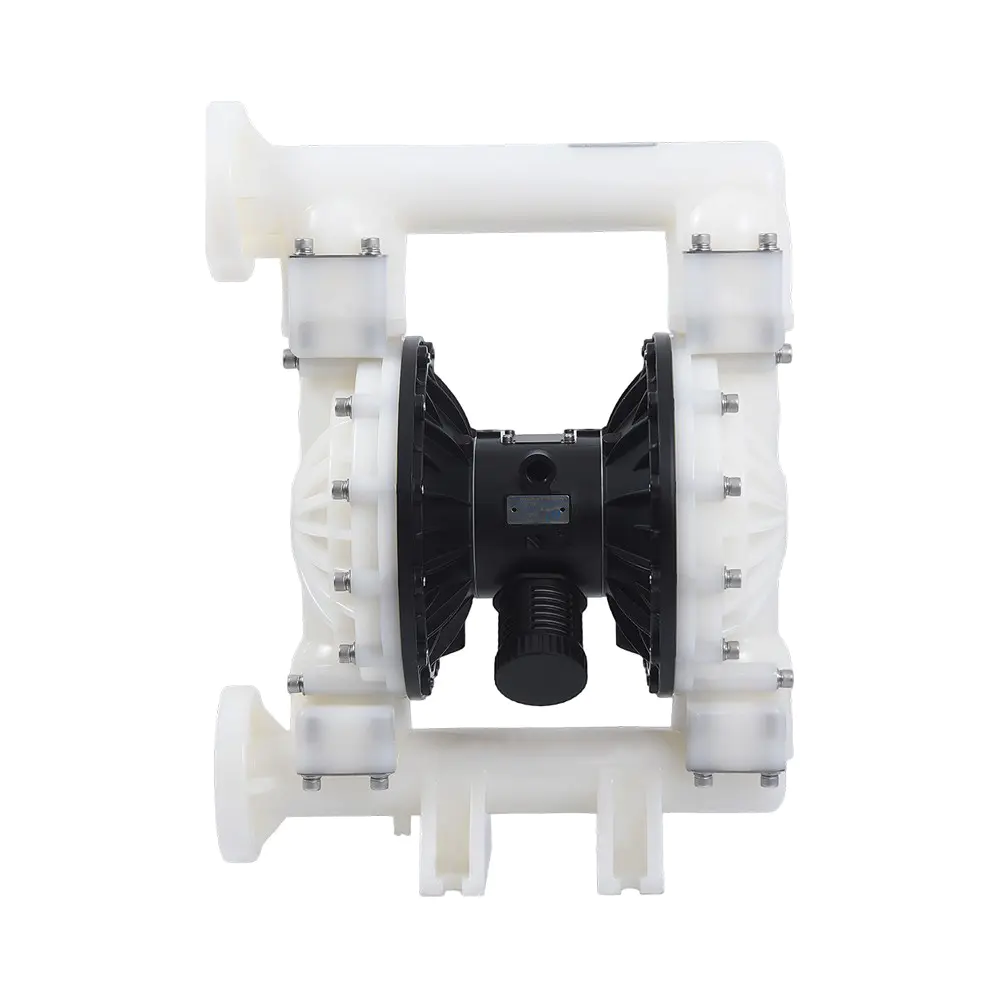
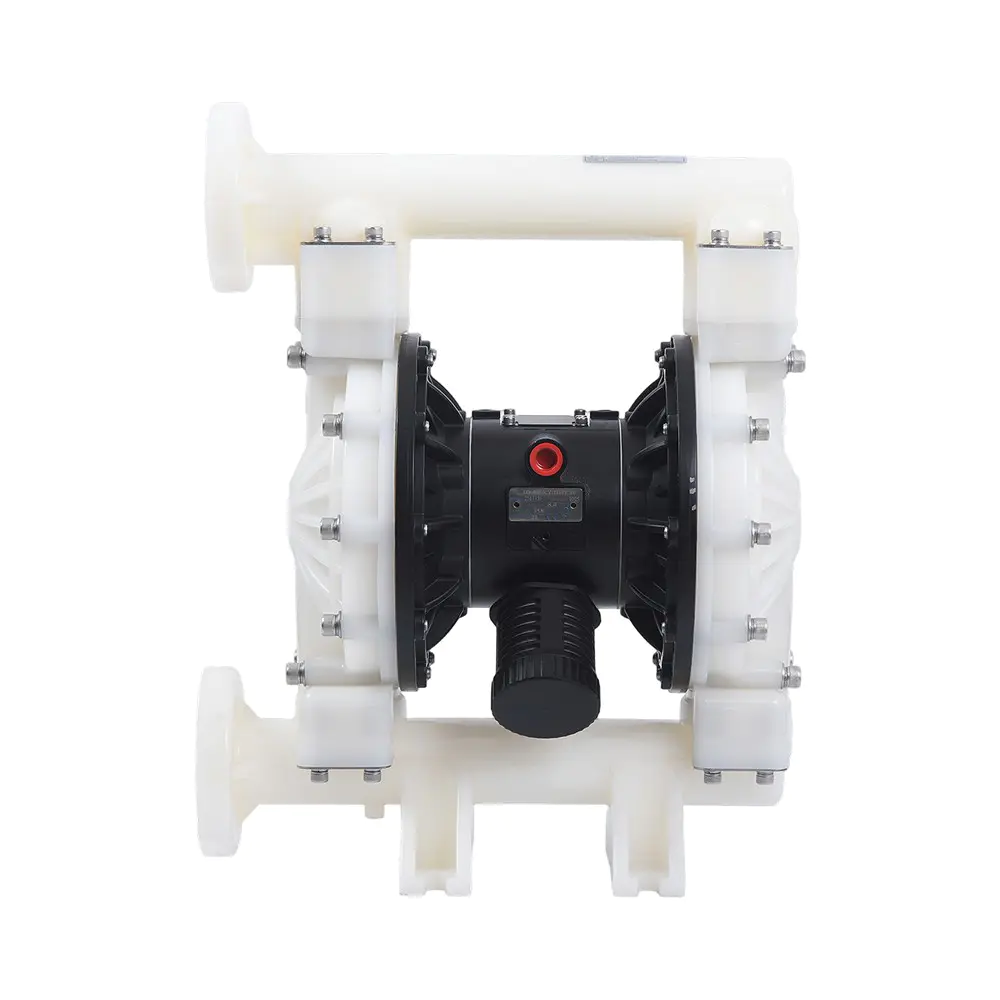
عربىWhen handling aggressive acids, bases, or solvents, the definitive choice for a leak-free diaphragm pump material depends on the chemical’s concentration, temperature, and abrasiveness. For maximum universal resistance, PTFE (Teflon) and PVDF (Kynar) are the gold standards. However, for high-pressure or high-temperature corrosive environments, Stainless Steel (316L) or Hastelloy alloys provide the necessary structural integrity where plastics might fail.
Content
- 1 Understanding the Importance of Material Compatibility
- 2 Top Materials for Corrosive Chemical Pumping
- 3 Comprehensive Material Comparison Table
- 4 Factors Influencing the Choice of a Leak-Free Diaphragm Pump
- 5 Advanced Diaphragm Technologies
- 6 Installation and Maintenance for Corrosive Applications
- 7 Frequently Asked Questions (FAQ)
- 8 Final Verdict: Choosing the Right Setup
Understanding the Importance of Material Compatibility
In industrial fluid handling, the "leak-free" promise of a leak-free diaphragm pump is only as reliable as the materials in contact with the fluid. Corrosive chemicals can degrade pump components through oxidation, swelling, or embrittlement, leading to catastrophic seal failure and environmental hazards. Selecting the right combination of housing and diaphragm materials is not just about performance—it is a critical safety requirement.
The Role of the Diaphragm in Leak Prevention
The diaphragm acts as the primary barrier between the processed chemical and the pump's internal drive mechanism. If the material is not perfectly suited to the chemical, it can develop micro-cracks or lose elasticity. A high-quality leak-free diaphragm pump often utilizes a "sandwich" or composite diaphragm design to ensure that even if one layer fails, the chemical remains contained.
Top Materials for Corrosive Chemical Pumping
1. PTFE (Polytetrafluoroethylene)
Often referred to by its brand name Teflon, PTFE is nearly inert. It is the most common material for a leak-free diaphragm pump handling strong acids like sulfuric or nitric acid.
- Pros: Exceptional chemical resistance, wide temperature range, and low friction.
- Cons: Susceptible to "cold flow" (deformation under pressure) and not ideal for highly abrasive slurries.
2. PVDF (Polyvinylidene Fluoride)
PVDF is a specialty plastic that offers higher mechanical strength than PTFE. It is frequently used in the construction of a leak-free diaphragm pump intended for the semiconductor and pharmaceutical industries due to its high purity and resistance to abrasion.
3. 316 Stainless Steel and Hastelloy
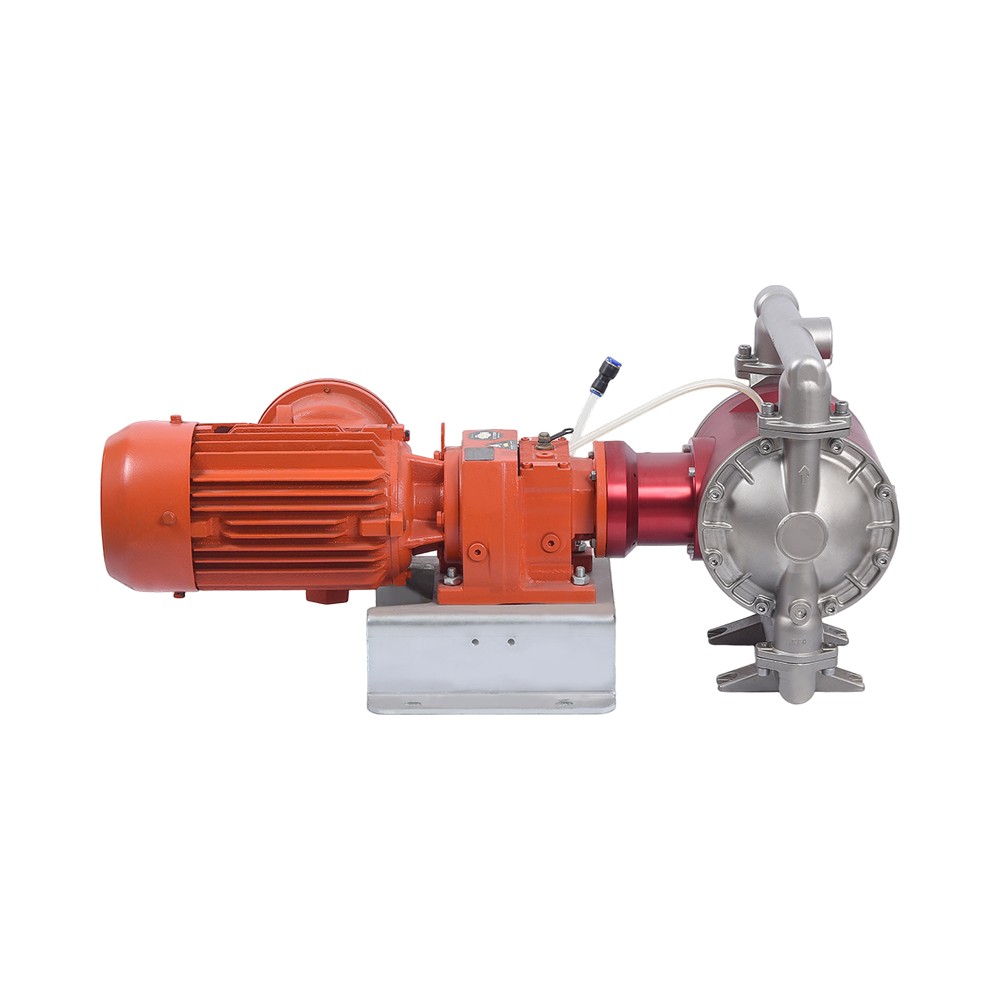
While plastics are great for many corrosives, metallic leak-free diaphragm pump variants are essential when the application involves high discharge pressures. 316 Stainless Steel handles many mild corrosives, while Hastelloy C is reserved for the most extreme chemical cocktails that would eat through standard steel.
Comprehensive Material Comparison Table
Below is a structural analysis of common materials used in a leak-free diaphragm pump for chemical processing.
| Material Name | Chemical Resistance | Max Temp (Approx) | Best For |
|---|---|---|---|
| PTFE | Excellent (Universal) | 120°C | Strong Acids/Solvents |
| PVDF | Very Good | 105°C | Chlorine, High Purity |
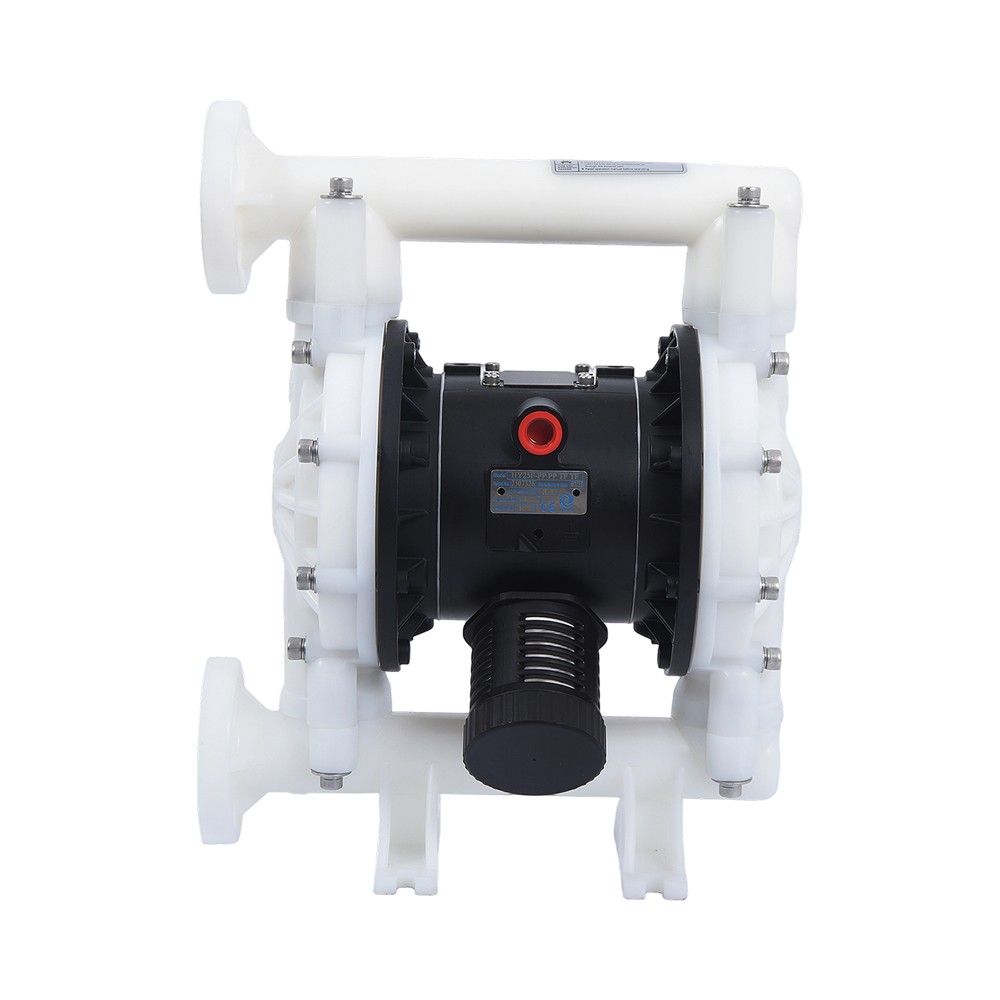
| Polypropylene | Good | 80°C | Waste Water, General Chemicals |
| Stainless Steel | Moderate | 200°C+ | High Pressure, Bases |
| Hastelloy C | Outstanding | 200°C+ | Extremely Aggressive Fluids |
Factors Influencing the Choice of a Leak-Free Diaphragm Pump
Chemical Concentration
A material that works for 10% hydrochloric acid might fail instantly at 35%. Always verify the specific concentration before selecting your leak-free diaphragm pump. PTFE remains the safest choice for varying concentrations.
Operating Temperature
Heat accelerates chemical reactions. A chemical that is dormant at room temperature can become highly aggressive at 60°C. Plastic leak-free diaphragm pump bodies can expand or lose structural integrity at high temperatures, making metallic alloys or specialized fluoropolymers necessary.
Viscosity and Solids Content
If the corrosive fluid contains particles, "soft" materials like PTFE might wear down quickly. In these cases, a leak-free diaphragm pump with reinforced elastomers or hardened metallic internals is required to prevent abrasive wear from compromising the leak-free seal.
Advanced Diaphragm Technologies
Modern engineering has introduced PTFE-bonded EPDM diaphragms. This combines the chemical resistance of PTFE with the flexibility and "memory" of an elastomer. This hybrid approach allows a leak-free diaphragm pump to operate for millions of cycles without fatigue, ensuring that the term "leak-free" isn't just a marketing slogan but a mechanical reality.
Installation and Maintenance for Corrosive Applications
To maintain the leak-free diaphragm pump's integrity, regular inspections are mandatory. Even with the best materials, chemical vapor can occasionally permeate certain plastics over long periods.
- Tightening Torques: Always follow manufacturer specs for housing bolts to ensure a proper seal.
- Suction Conditions: Cavitation can damage diaphragms regardless of the material.
- Flushing: Always flush your leak-free diaphragm pump with a neutral fluid before long periods of downtime.
Frequently Asked Questions (FAQ)
Q1: Can a leak-free diaphragm pump handle dry running?
Yes, most leak-free diaphragm pump designs are capable of running dry without damage, as they do not rely on the fluid for lubrication in the same way centrifugal pumps do.
Q2: How often should I replace the PTFE diaphragm?
It depends on the duty cycle and chemical severity. However, a high-quality leak-free diaphragm pump should typically have its diaphragms replaced every 6 to 12 months in continuous corrosive service.
Q3: Is Polypropylene suitable for strong solvents?
No. While Polypropylene is excellent for many acids, it tends to swell and fail when exposed to aromatic solvents. PTFE is a much safer bet for a leak-free diaphragm pump in solvent applications.
Q4: What happens if a diaphragm ruptures?
In a true leak-free diaphragm pump, a secondary containment system or a leak detection sensor will alert the operator and contain the fluid, preventing it from reaching the environment or the pump's air/motor side.
Final Verdict: Choosing the Right Setup
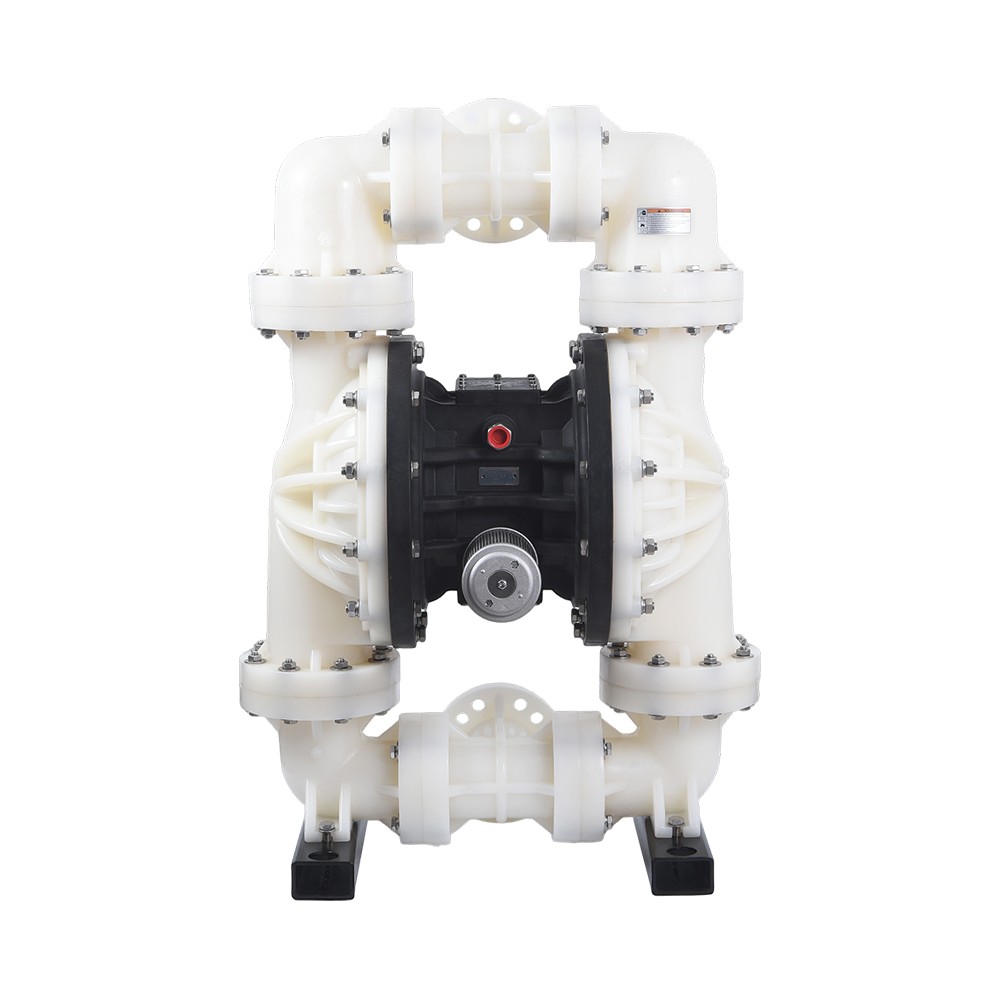
For the majority of corrosive chemical transfers, a leak-free diaphragm pump constructed with PVDF housing and PTFE diaphragms offers the best balance of cost-efficiency and safety. If you are dealing with extreme temperatures or pressures, upgrading to Hastelloy or Stainless Steel with specialized coatings is the only way to ensure a long-term, leak-proof operation.