

 EN
EN
 English
 Français
 Español
 عربى
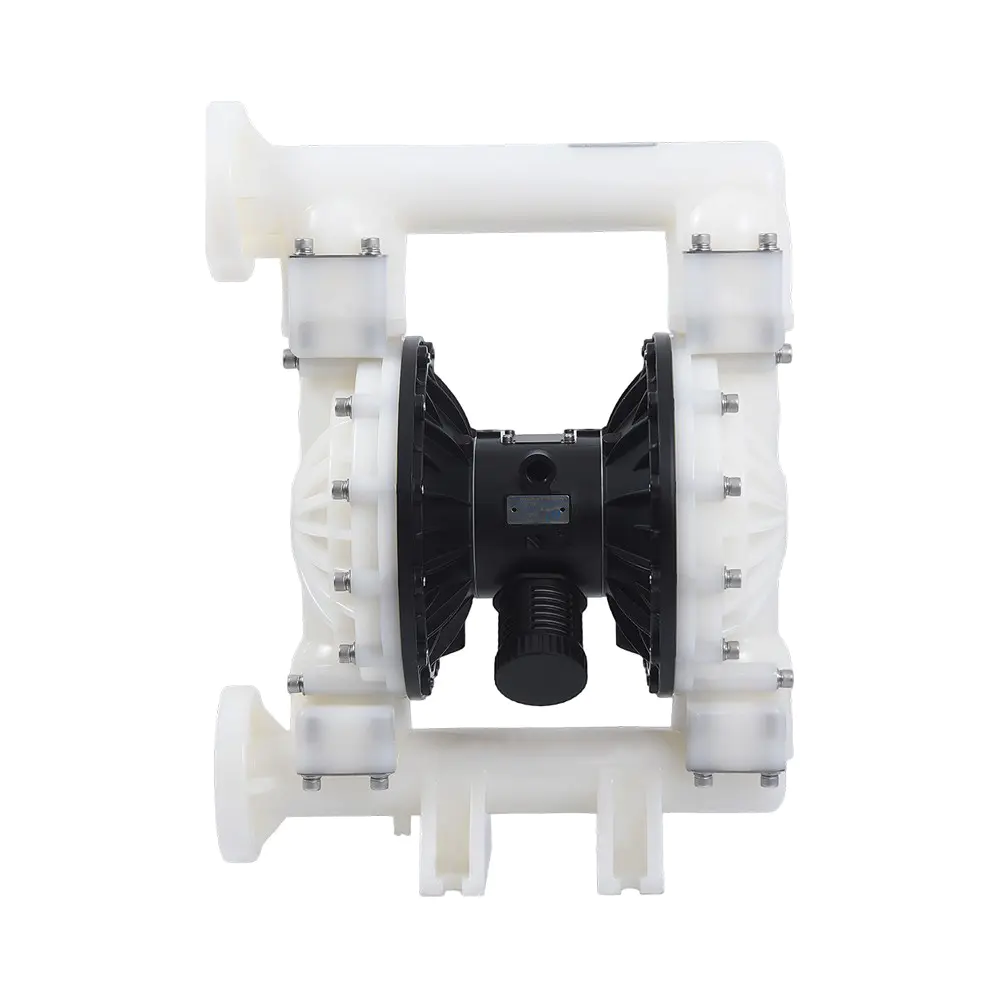
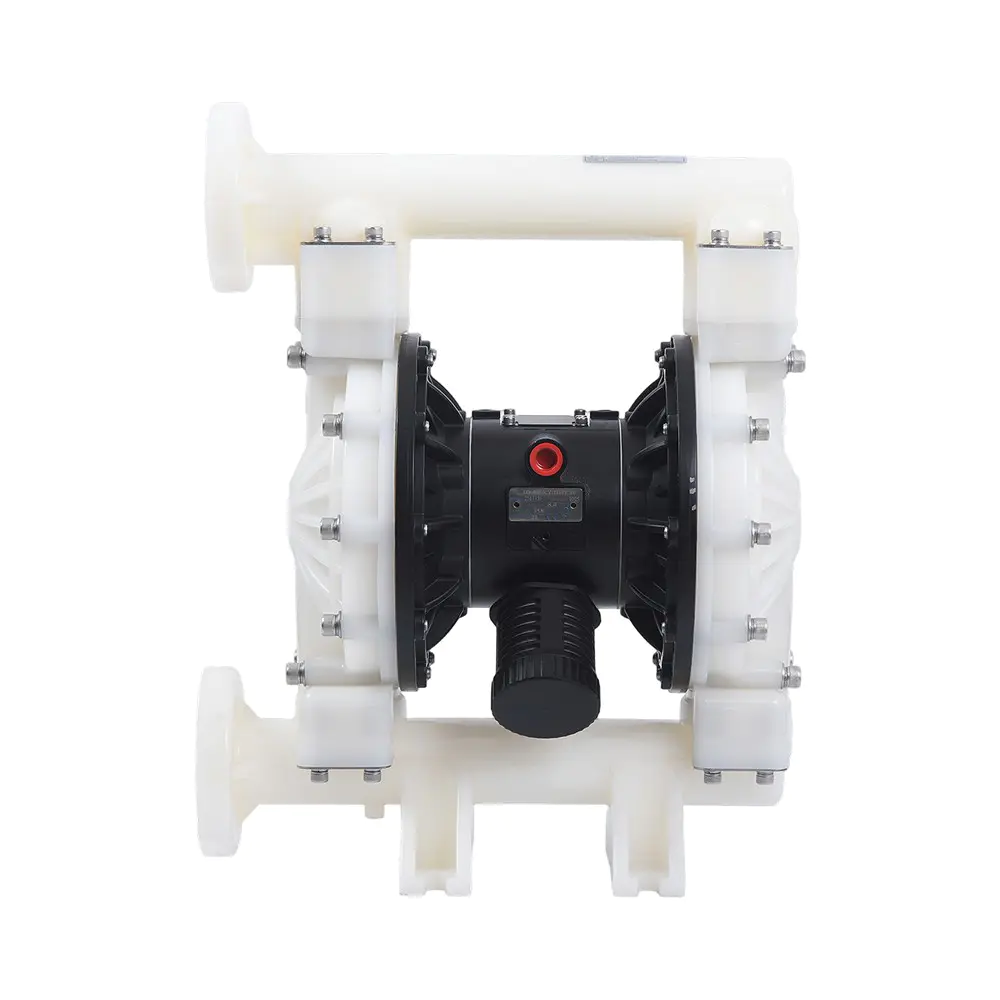
عربىAn AOD pump (Air-Operated Diaphragm pump) is a type of positive displacement pump that uses compressed air as its power source to move fluids through the reciprocating action of two flexible membranes. This technology is essential because it provides a leak-free, self-priming, and explosion-proof solution for transporting everything from clean water to highly viscous, abrasive, or chemically aggressive slurries without the need for complex electrical motors.
Content
- 1 Understanding the Fundamental Mechanics of an AOD Pump
- 2 Why Should Industries Choose an AOD Pump Over Electric Alternatives?
- 3 Comparative Analysis: AOD Pump vs. Centrifugal Pump
- 4 Materials of Construction for the AOD Pump
- 5 Maintenance and Longevity of your AOD Pump
- 6 Common Applications for the AOD Pump
- 7 Frequently Asked Questions (FAQ) about the AOD Pump
- 8 Summary: Is the AOD Pump the Right Investment?
Understanding the Fundamental Mechanics of an AOD Pump
The operational efficiency of an AOD pump relies on the balanced pressure between compressed air and the processed fluid to ensure smooth, pulse-like delivery.
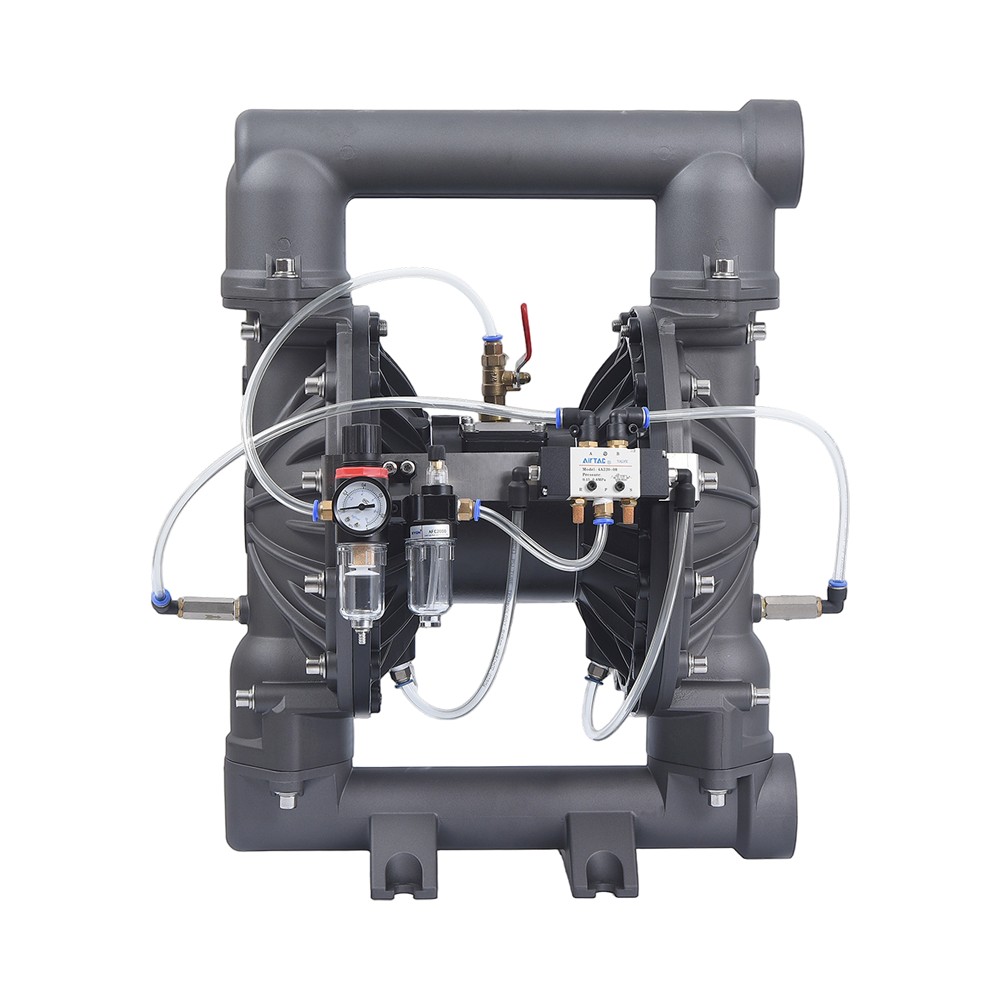
Inside the housing of an AOD pump, there are two chambers, each containing a diaphragm. These diaphragms are connected by a common shaft. An air distribution valve directs compressed air to the back of one diaphragm, pushing it forward and forcing the fluid out of the discharge manifold. Simultaneously, the other diaphragm is pulled inward, creating a vacuum that draws new fluid into the opposite chamber. This alternating cycle ensures a continuous flow of material.
The Role of the Air Distribution System
The air valve is the "brain" of the AOD pump, ensuring that the unit does not stall even at low pressures. Unlike electric pumps, the AOD pump can be regulated simply by adjusting the incoming air pressure, allowing for precise control over flow rates without expensive Variable Frequency Drives (VFDs).
Why Should Industries Choose an AOD Pump Over Electric Alternatives?
The primary advantage of an AOD pump is its inherent safety and versatility in hazardous environments where electricity poses a fire risk.
- Explosion-Proof by Design: Since an AOD pump runs entirely on compressed air, there are no electrical sparks, making them ideal for ATEX-rated zones.
- Dry-Run Capability: An AOD pump can run dry for extended periods without damage to the internal components, unlike centrifugal pumps which overheat quickly.
- Self-Priming: These pumps can lift fluids from a significant depth or height without needing to be pre-filled with liquid.
- Shear Sensitivity: The gentle pumping action of the AOD pump makes it perfect for fluids that break down under high-speed mechanical agitation, such as polymers or food products.
Comparative Analysis: AOD Pump vs. Centrifugal Pump
Choosing an AOD pump provides superior handling of solids and viscous materials compared to standard centrifugal models.
| Feature | AOD Pump | Centrifugal Pump |
|---|---|---|
| Power Source | Compressed Air | Electric Motor |
| Solids Handling | Excellent (up to 3 inches) | Poor (prone to clogging) |
| Viscosity Range | Very High (up to 100,000 cps) | Low (Water-like only) |
| Dry Running | Safe / No Damage | Immediate Seal Failure |
| Maintenance | Simple (few moving parts) | Complex (seals/bearings) |
Materials of Construction for the AOD Pump
Selecting the right material for an AOD pump is critical to ensuring chemical compatibility and maximizing the lifespan of the equipment.
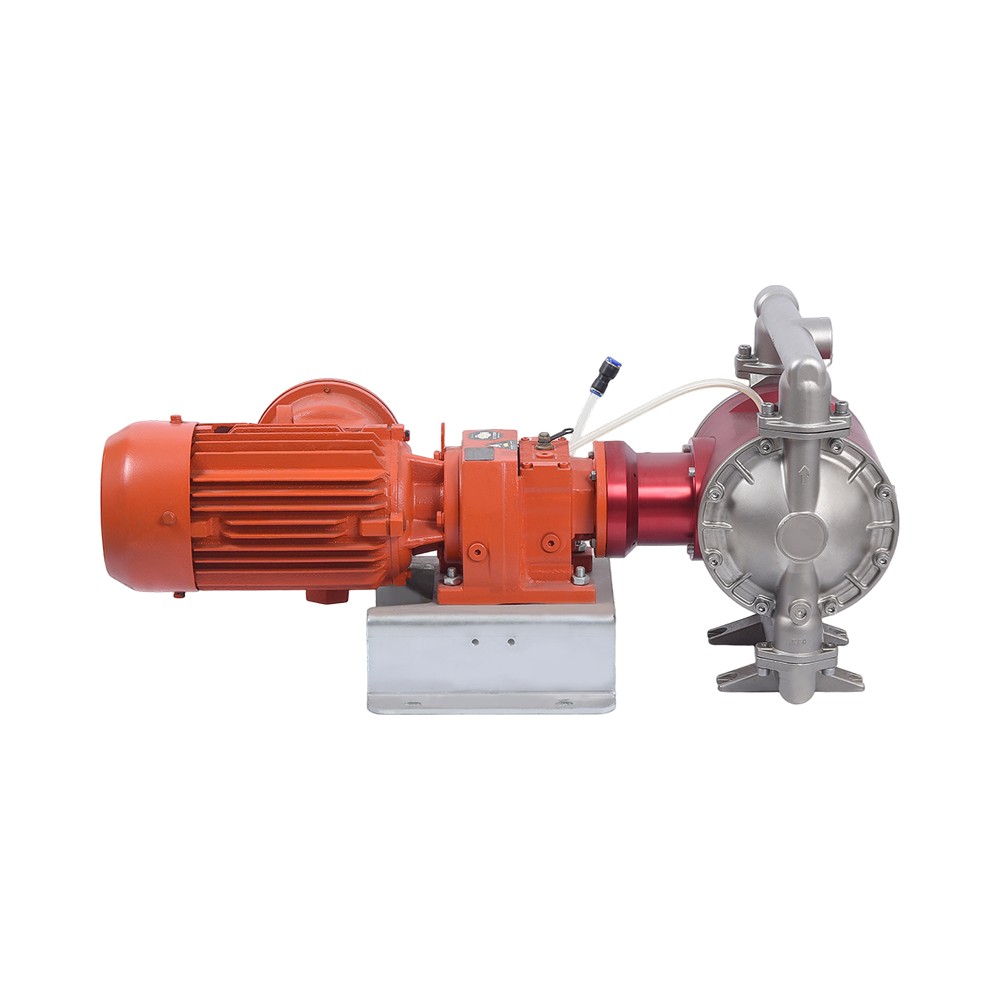
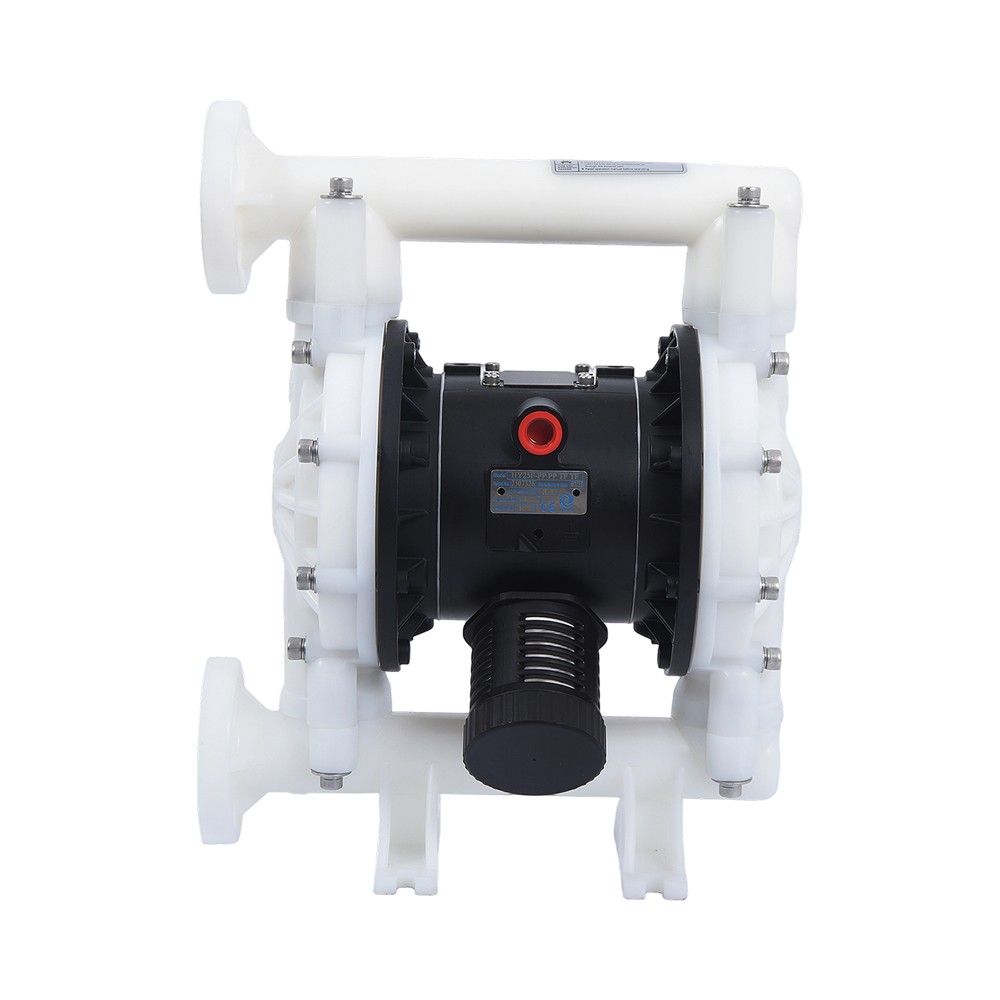
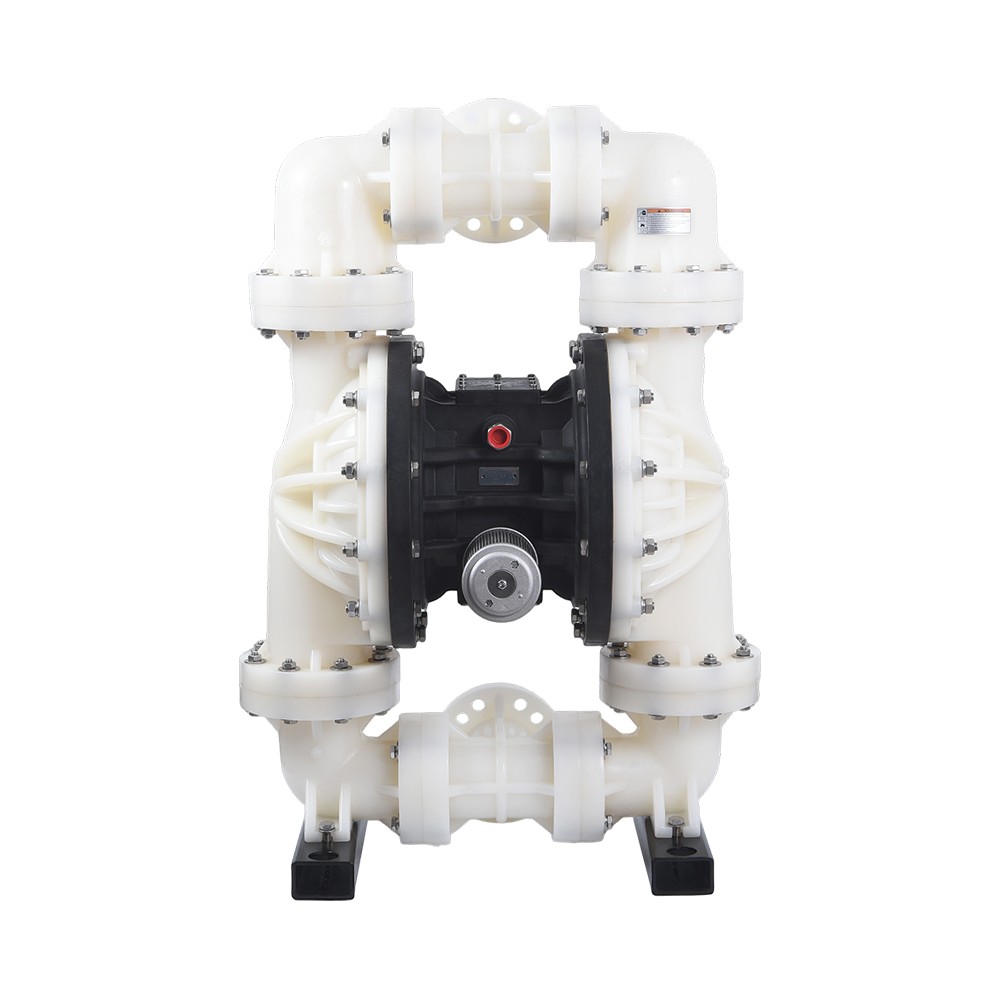
An AOD pump can be manufactured from metallic or non-metallic materials. For corrosive acids, plastic housings like Polypropylene or PVDF are preferred. For high-pressure or abrasive applications, metallic options such as Stainless Steel, Aluminum, or Cast Iron are the standard. The diaphragms themselves are available in various elastomers, including PTFE (Teflon), Nitrile, and Santoprene, each offering specific resistance to temperature and chemical degradation.
Maintenance and Longevity of your AOD Pump
A well-maintained AOD pump can last for decades if the air quality is filtered and the diaphragms are inspected regularly.
One of the most common causes of AOD pump failure is "dirty" air. Compressed air often contains moisture and oil particles that can gum up the air valve. Installing a Filter-Regulator (FRL) unit before the pump inlet significantly extends the service interval. Furthermore, choosing the right stroke speed is vital; running an AOD pump at its maximum speed constantly will wear out the membranes prematurely.
Common Applications for the AOD Pump
The versatility of the AOD pump allows it to span across numerous sectors including chemical processing, wastewater treatment, and mining.
- Chemical Industry: Handling aggressive acids, bases, and solvents where leaks cannot be tolerated.
- Paint and Ink: Transferring shear-sensitive resins and pigments without causing foaming or degradation.
- Mining and Construction: De-watering pits and moving abrasive slurries containing rocks and grit.
- Food and Beverage: Pumping viscous ingredients like tomato paste, chocolate, or fruit pulps using sanitary grade AOD pump models.
Frequently Asked Questions (FAQ) about the AOD Pump
1. Can an AOD pump handle thick sludge?
Yes, the AOD pump is specifically designed to handle high-viscosity fluids and sludges that would stall or damage other types of pumps.
2. Does an AOD pump require lubrication?
Most modern AOD pump designs feature lube-free air valves, reducing maintenance needs and ensuring that the exhaust air remains clean.
3. How do I control the flow rate of an AOD pump?
You can control the flow of an AOD pump simply by adjusting the air pressure regulator or by installing a needle valve on the air discharge.
4. Why is my AOD pump vibrating excessively?
Vibration in an AOD pump is usually caused by "water hammer" or cavitation. Ensuring the suction line is properly sized and using pulsation dampeners can solve this.
Summary: Is the AOD Pump the Right Investment?
Investing in an AOD pump is a cost-effective decision for any facility looking for a durable, flexible, and safe fluid transfer solution.
In conclusion, while there are many pumping technologies available, the AOD pump remains the most resilient choice for challenging environments. Its ability to handle solids, run dry, and operate without electricity makes it a cornerstone of industrial efficiency. By understanding the specific needs of your fluid—such as viscosity, chemical makeup, and temperature—you can select the perfect AOD pump configuration to maximize your operational uptime and minimize long-term costs.