

 EN
EN
 English
 Français
 Español
 عربى
عربىDiaphragm pumps work by using a flexible membrane that oscillates back and forth to create a vacuum to intake fluid and a positive pressure to discharge it. This reciprocating displacement mechanism ensures a seal between the drive mechanism and the pumped liquid, making it ideal for handling corrosive, abrasive, or viscous fluids without leakage.
Content
- 1 The Core Mechanism: How Does a Diaphragm Pump Function?
- 2 Types of Diaphragm Pumps and Their Unique Operations
- 3 Performance Comparison: AODD vs. Mechanical vs. Hydraulic
- 4 Key Advantages of Using Diaphragm Pumps
- 5 Maintenance and Common Challenges
- 6 FAQs: Understanding Diaphragm Pump Operation
- 7 Conclusion
The Core Mechanism: How Does a Diaphragm Pump Function?
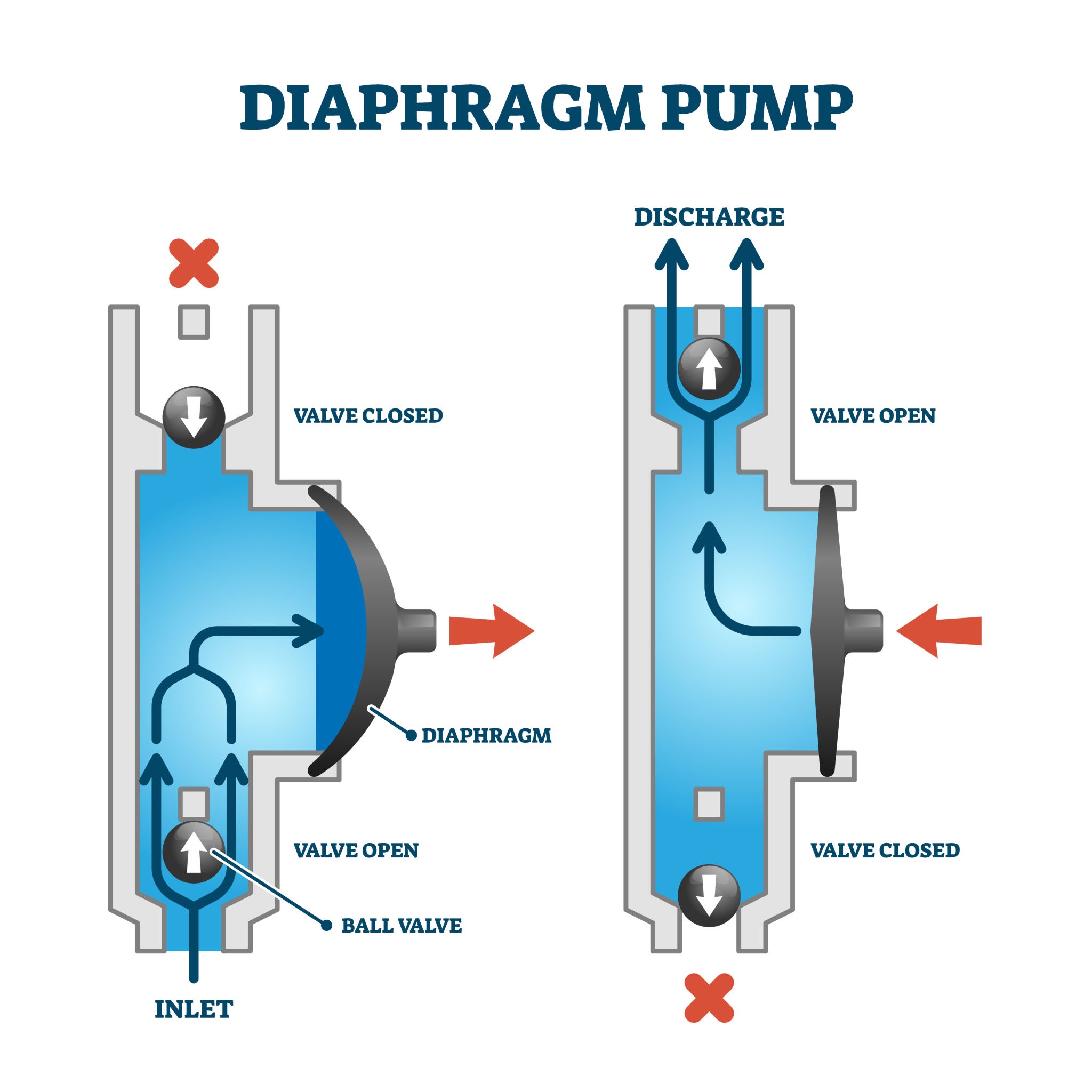
The fundamental operation of a diaphragm pump relies on the volume change within a pump chamber facilitated by the movement of a flexible diaphragm. When the diaphragm is pulled away from the pump head, the volume of the chamber increases, decreasing the internal pressure. This creates a vacuum that draws fluid through the inlet valve. Conversely, when the diaphragm is pushed toward the pump head, the volume decreases, increasing the pressure and forcing the fluid out through the discharge valve.
To understand how do diaphragm pumps work in detail, one must look at the two-stroke cycle:
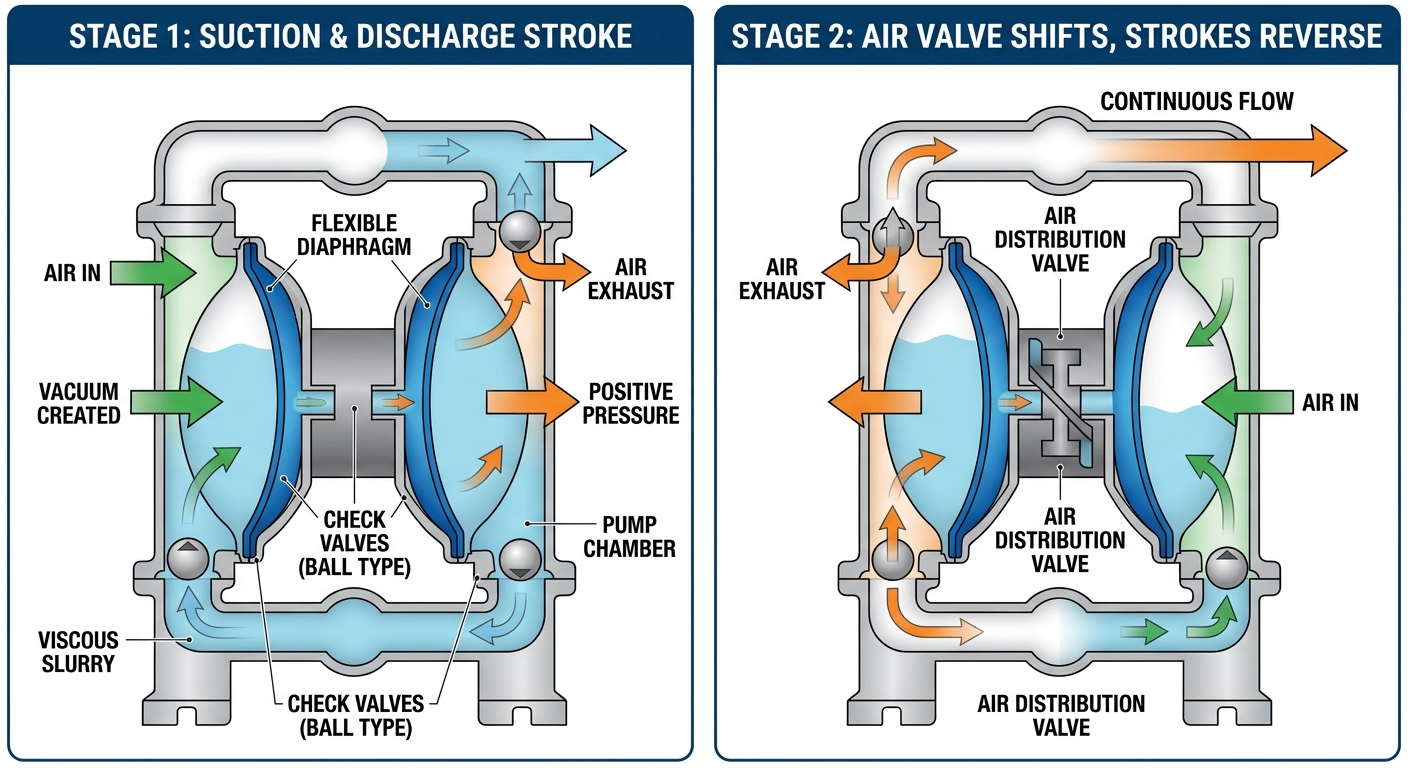
- The Suction Stroke: The diaphragm moves outward, creating a low-pressure zone. The inlet check valve opens due to the pressure differential, allowing fluid to enter the chamber, while the outlet check valve remains tightly sealed.
- The Discharge Stroke: The diaphragm moves inward, compressing the fluid. The increased pressure forces the inlet check valve to close and the outlet check valve to open, expelling the fluid into the discharge pipe.
Types of Diaphragm Pumps and Their Unique Operations
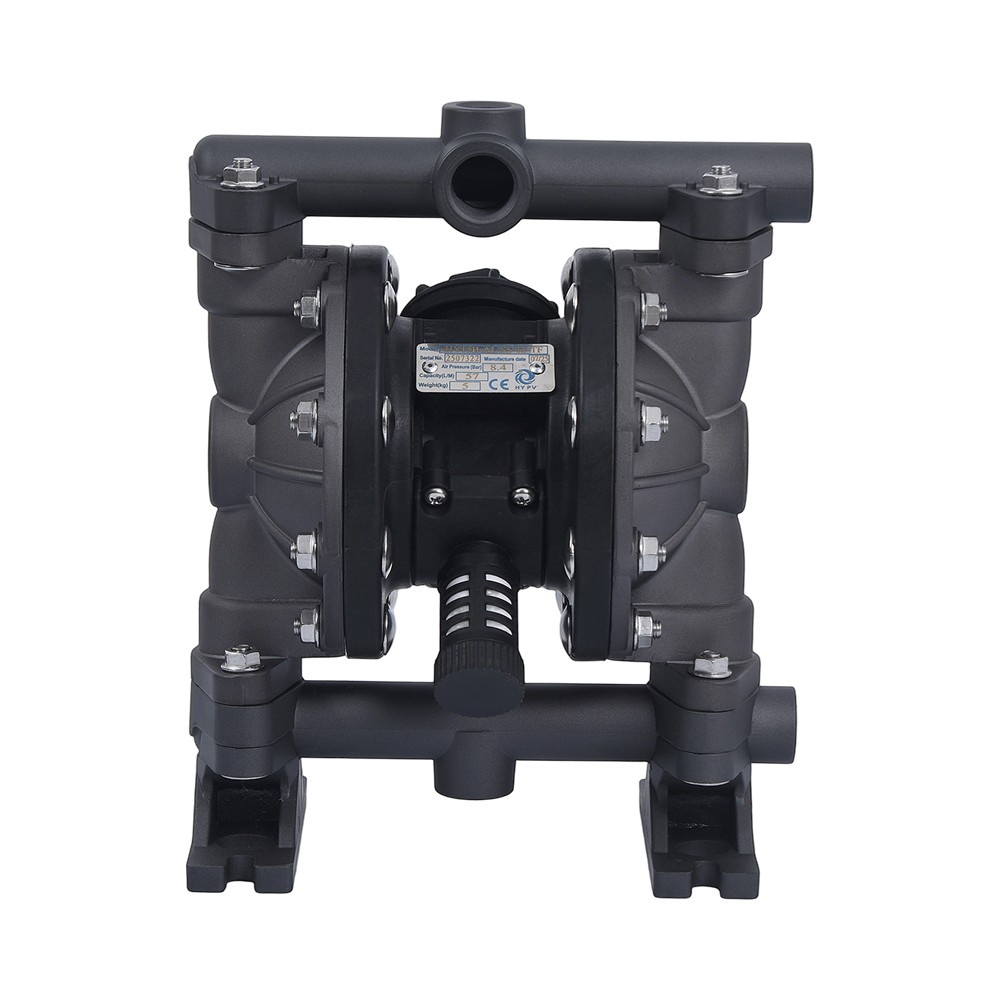
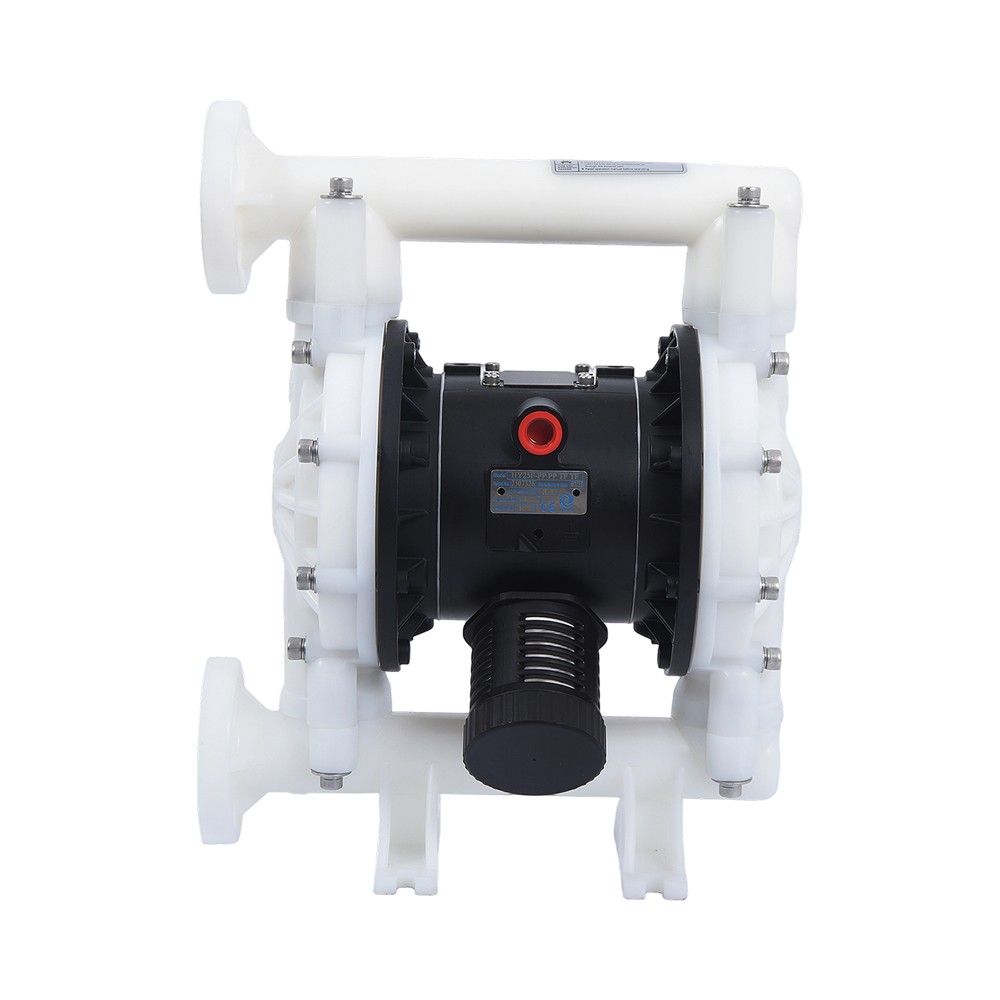
Diaphragm pumps are categorized primarily by their power source: Air-Operated Double Diaphragm (AODD) pumps and Motor-Driven (Mechanical/Hydraulic) pumps. Each type utilizes the same basic membrane movement but differs in how the energy is transferred to the diaphragm itself.
1. Air-Operated Double Diaphragm (AODD) Pumps
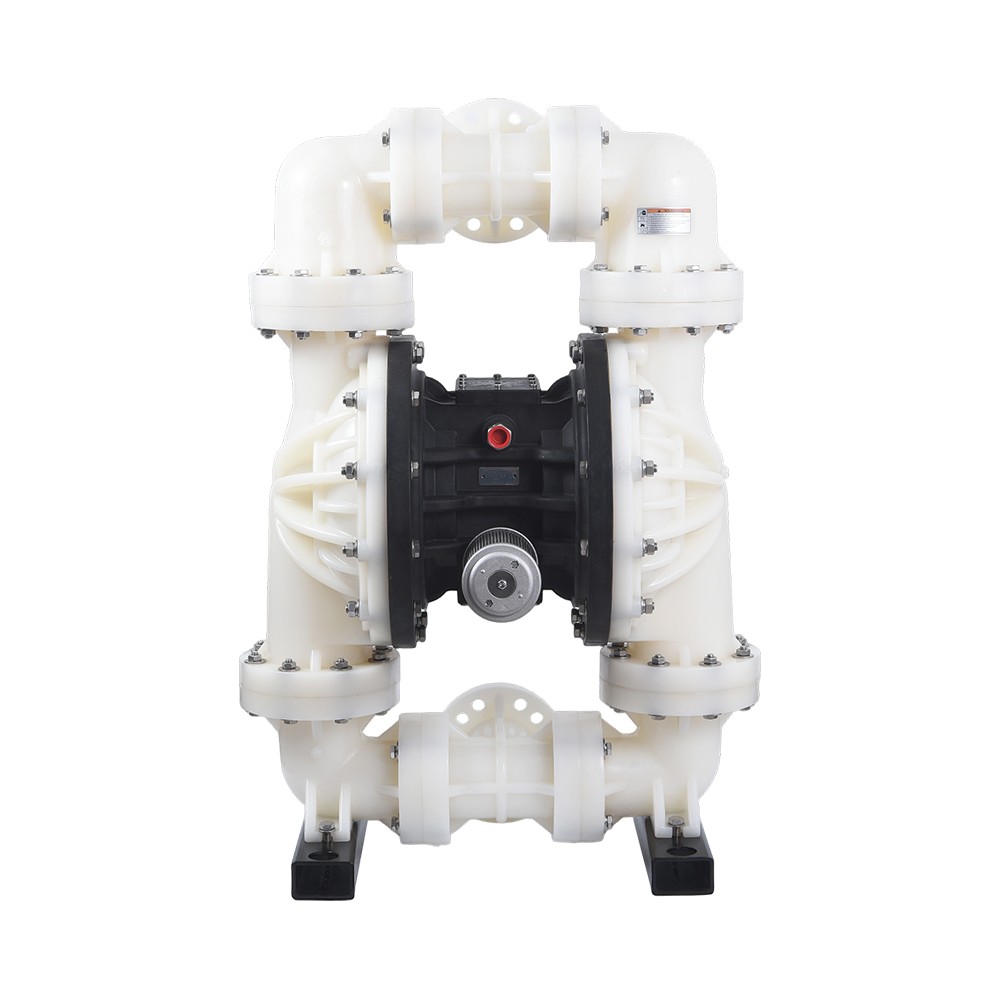
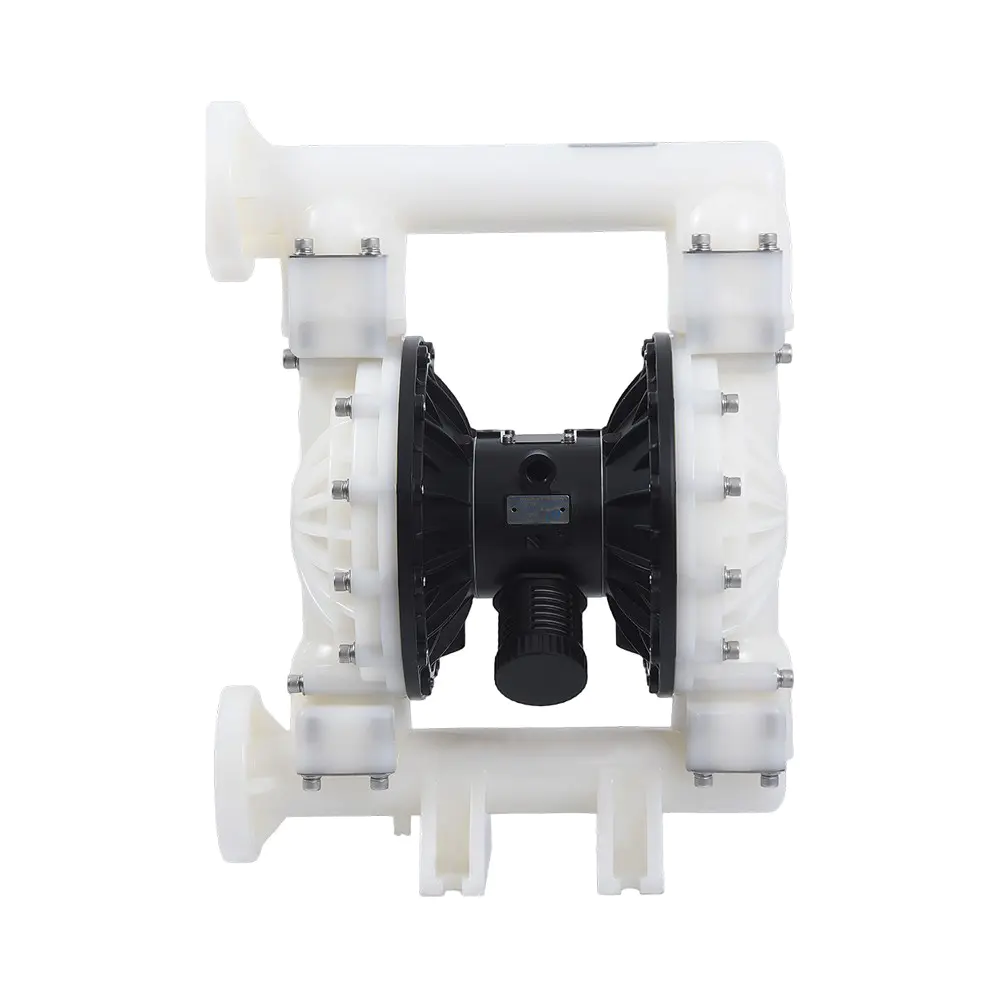
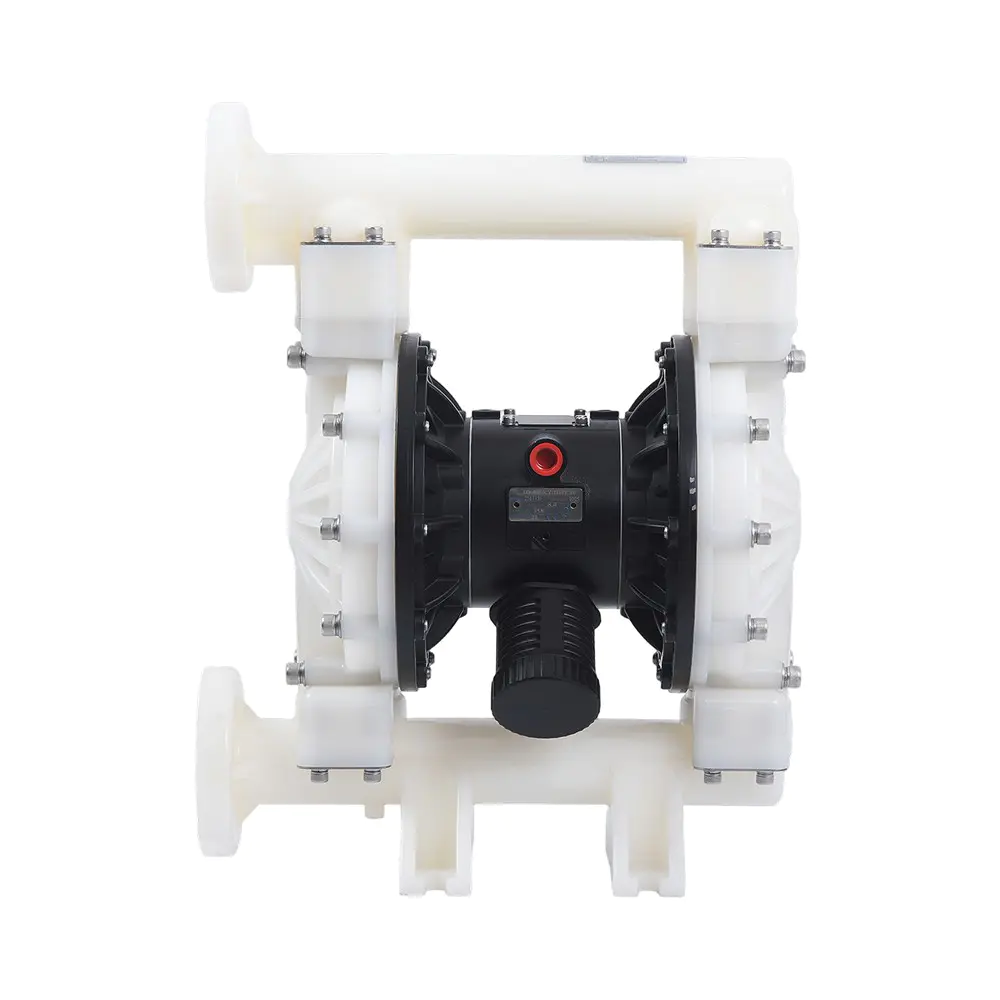
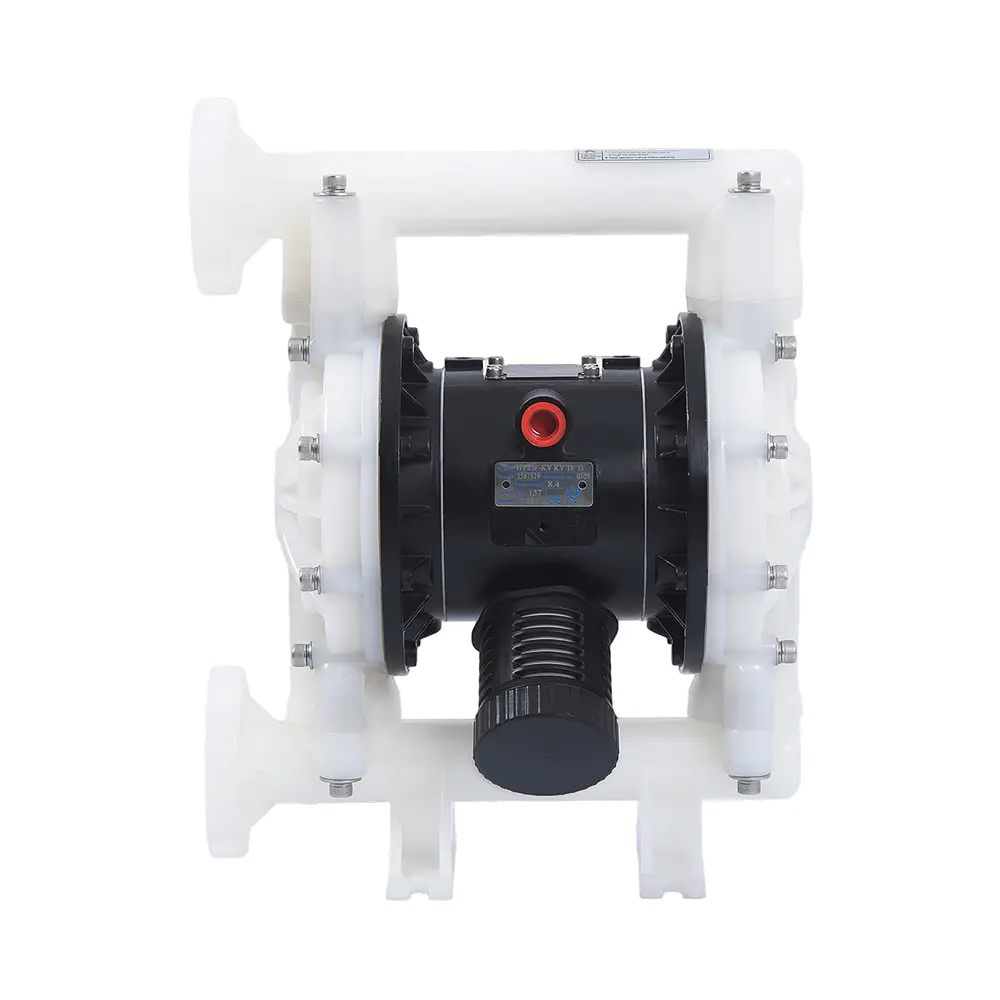
AODD pumps utilize compressed air to shift a common shaft connecting two diaphragms, allowing for a continuous pumping action. As air is directed to the back of diaphragm A, it pushes fluid out of the first chamber. Simultaneously, diaphragm B is pulled inward, creating suction in the second chamber. An air distribution valve ensures the air supply alternates between the two sides.
2. Mechanically Actuated Diaphragm Pumps
Mechanically driven pumps use a crank or eccentric gear mechanism to physically pull and push the diaphragm. This design is common in smaller applications and metering pumps where precise control over the stroke length is required. It is highly efficient for low-pressure chemical dosing.
3. Hydraulically Actuated Diaphragm Pumps
Hydraulic diaphragm pumps use a plunger to pressurize a hydraulic fluid, which then moves the diaphragm. Because the diaphragm is "balanced" between the hydraulic fluid and the pumped liquid, it experiences less mechanical stress, making this type suitable for high-pressure industrial applications (up to 100 bar or more).
Performance Comparison: AODD vs. Mechanical vs. Hydraulic
Selecting the right diaphragm pump depends on the required pressure, flow rate, and the nature of the fluid being handled. Below is a detailed comparison of the three primary technologies.
| Feature | AODD Pumps | Mechanical Pumps | Hydraulic Pumps |
| Power Source | Compressed Air | Electric Motor | Electric/Hydraulic |
| Max Pressure | Medium (8-10 bar) | Low to Medium | Very High (100+ bar) |
| Self-Priming | Excellent | Good | Good |
| Solids Handling | Excellent | Limited | Limited |
| Best Use Case | Slurries/Chemicals | Water Treatment | High-Pressure Dosing |
Key Advantages of Using Diaphragm Pumps
The primary advantage of a diaphragm pump is its sealless design, which eliminates the risk of leaks and reduces maintenance requirements. Unlike centrifugal pumps that require mechanical seals or packing, the flexible diaphragm acts as a static seal.
- Run-Dry Capability: Most AODD pumps can run dry for extended periods without damage to the internal components, as there are no rotating parts that generate heat from friction.
- Submersible Options: Many diaphragm pumps are designed to be fully submerged in the fluid they are pumping, provided the air exhaust is vented above the liquid level.
- Shear Sensitivity: They provide a gentle pumping action, which is critical for shear-sensitive liquids like food products (sauces, creams) or polymers that might break down under the high-speed rotation of other pump types.
- Explosion Proof: Since AODD pumps run on air rather than electricity, they are inherently ATEX-rated and safe for use in hazardous or explosive environments.
Maintenance and Common Challenges
The most common point of failure in these systems is the diaphragm itself, which eventually fatigues due to the constant reciprocating motion. Understanding how do diaphragm pumps work involves recognizing that the diaphragm is a wear part.
Diaphragm Material Selection
Selecting the correct material is vital for longevity. For example, PTFE (Teflon) offers superior chemical resistance but is less flexible than Santoprene or Nitrate. In a study of chemical processing plants, switching to a more compatible elastomer increased diaphragm life by over 300%, reducing downtime significantly.
Valve Obstructions
The check valves (ball or flap type) must seat perfectly to maintain flow. If a solid particle lodges in the valve seat, the pump will lose its prime. Utilizing weighted valve balls can often solve issues where the fluid is too viscous for standard balls to seat quickly.
FAQs: Understanding Diaphragm Pump Operation
Q: Why is my diaphragm pump pulsating?
A: Pulsation is a natural characteristic of the reciprocating action. To achieve smooth flow, many operators install a pulsation dampener on the discharge side to absorb pressure spikes.
Q: Can diaphragm pumps handle solids?
A: Yes, especially AODD pumps. Depending on the pump size, some can handle solids up to 75mm (3 inches) in diameter without clogging, provided they are equipped with flap valves.
Q: How do I control the flow rate?
A: In air-operated versions, you simply adjust the air pressure or volume entering the pump. For motor-driven versions, a Variable Frequency Drive (VFD) or adjusting the stroke length is the standard method.
Q: What is the maximum suction lift?
A: Typical diaphragm pumps can achieve a dry suction lift of 3 to 6 meters. Once the pump is "wetted" (primed), the suction lift can increase significantly to 8 or 9 meters.
Conclusion
Mastering the question of "how do diaphragm pumps work" allows industries to optimize their fluid transfer processes for safety and efficiency. Whether you are dealing with aggressive chemicals, thick slurries, or sensitive food products, the diaphragm pump remains one of the most versatile and reliable tools in modern engineering. By choosing the right drive type and material, you can ensure a long-lasting, leak-free solution for your most challenging pumping needs.