


 EN
EN
 English
 Français
 Español
 عربى
عربى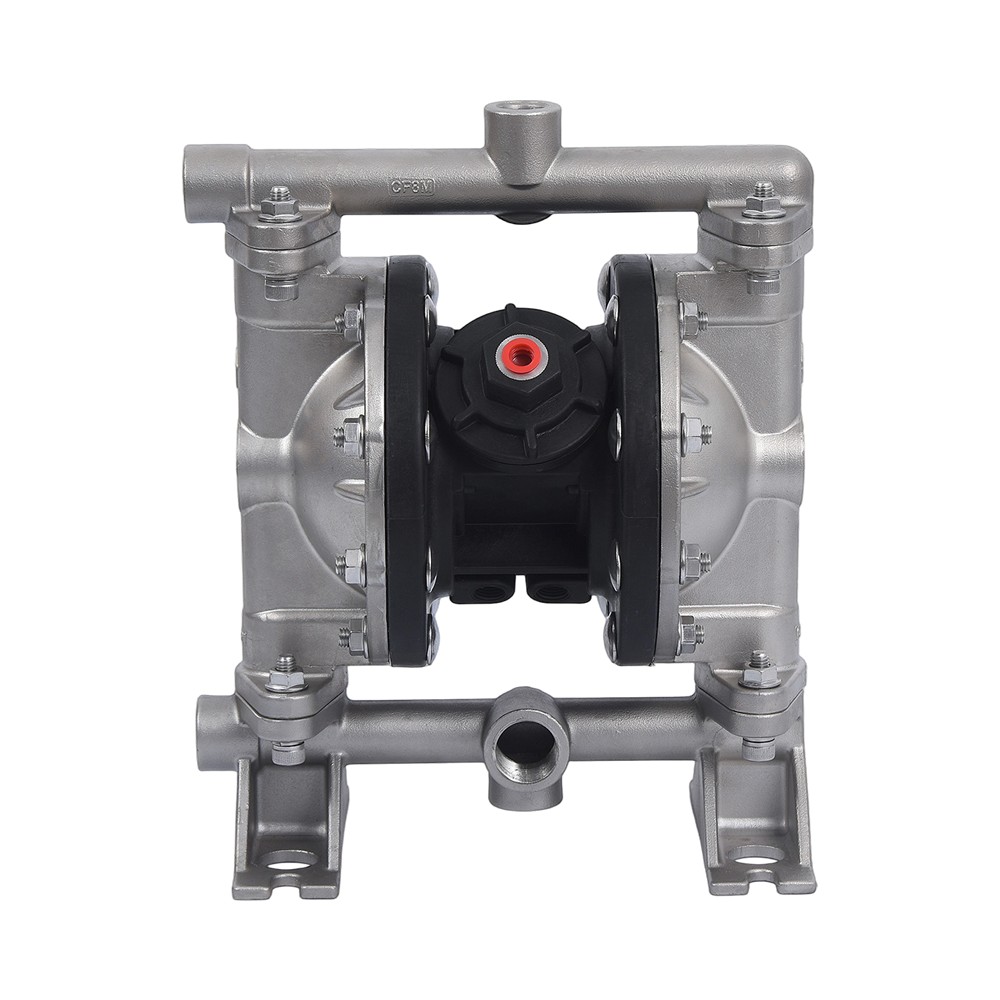
Fluid inlet/outlet size 1/2",3/4" Air inlet size 1/4" Max suction lift D...
Home / Products / Pneumatic Diaphragm Pump / Stainless Steel Diaphragm Pump / 1/2"|3/4" Stainless steel diaphragm pump
Stainless Steel Diaphragm Pump
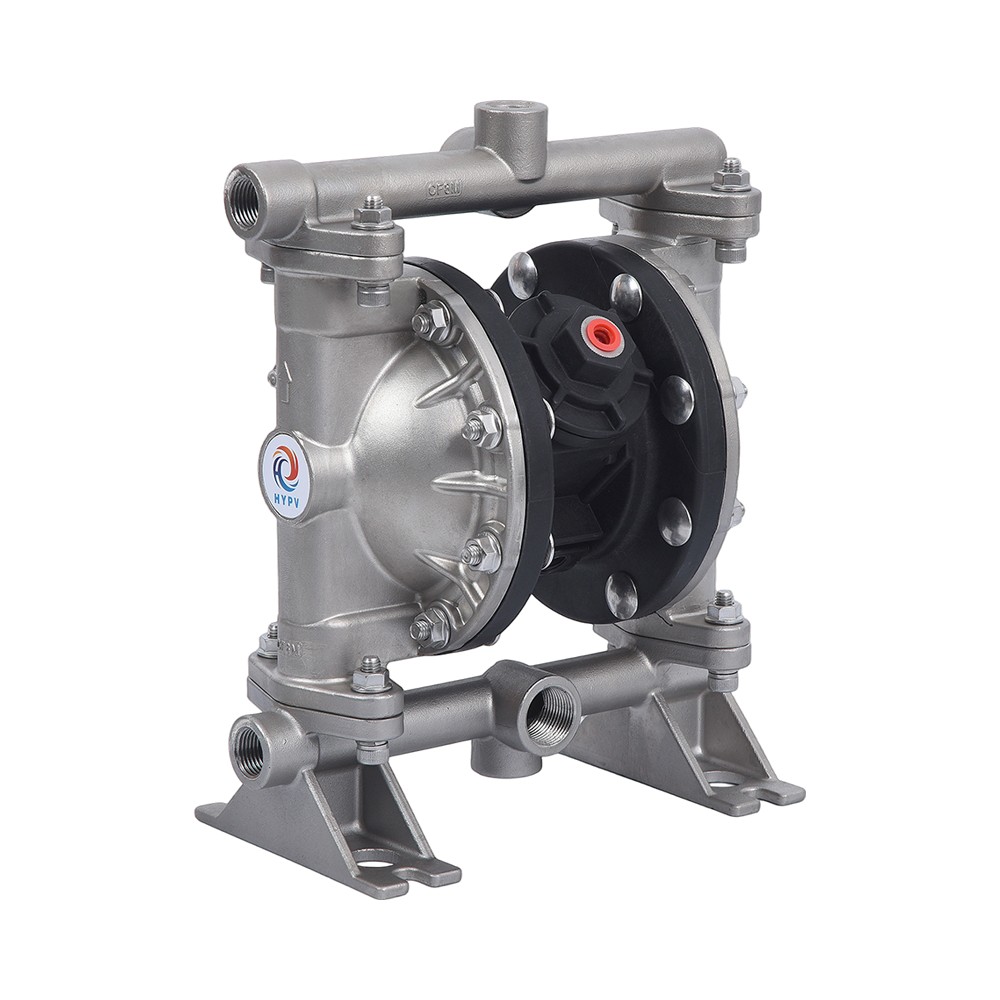
1/2"|3/4" Stainless steel diaphragm pump
Product Description
|
Fluid inlet/outlet size |
1/2",3/4" |
|
Air inlet size |
1/4" |
|
Max suction lift |
Dry: 4m Wet: 7.6m |
|
Max solid passing |
2.5mm |
|
Max flow rate |
57L/min |
|
Max delivery head |
84m |
|
Max air pressure |
8.4bar |
|
Max solid passing |
2.5mm |
|
Max air consumption rate |
28scfm (0.79m³/min) |
|
Main body material |
Stainless steel |
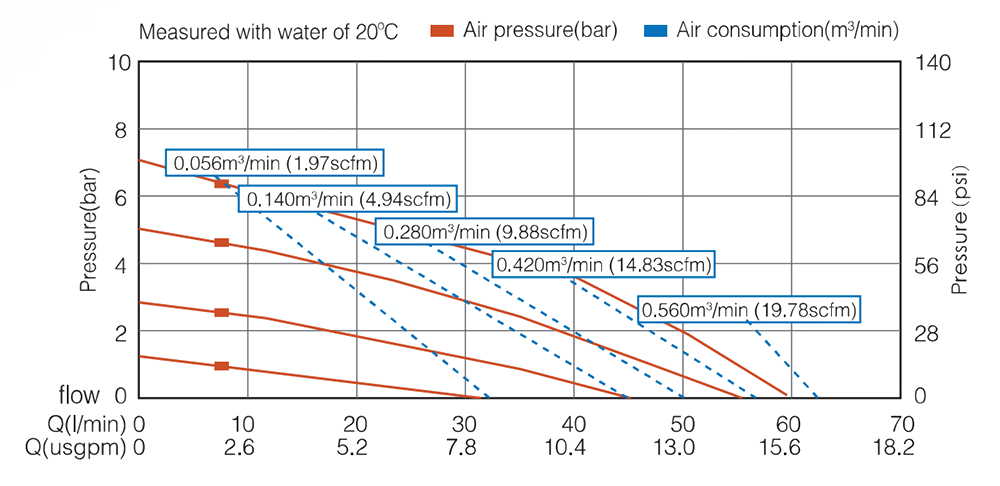
Performance curve:
|
Technical parameters |
|
|
Max. Suction Lift Suction height changes with the different combinations of ball, seat and the diaphragm materials. |
Dry 4m Net 7.6m |
|
Max. particle diameter |
2.5mm |
|
Suction and discharge size |
1/23/4in/Npt |
|
Air inlet size |
1/4in |
|
Max. flow rate |
57 L/min |
|
Max. head |
84m |
|
Max. air inlet pressure |
8.4bar |
|
Max. air consumption |
28scfm(0.672m³/min) |
|
Main body material |
304SST 316SST |
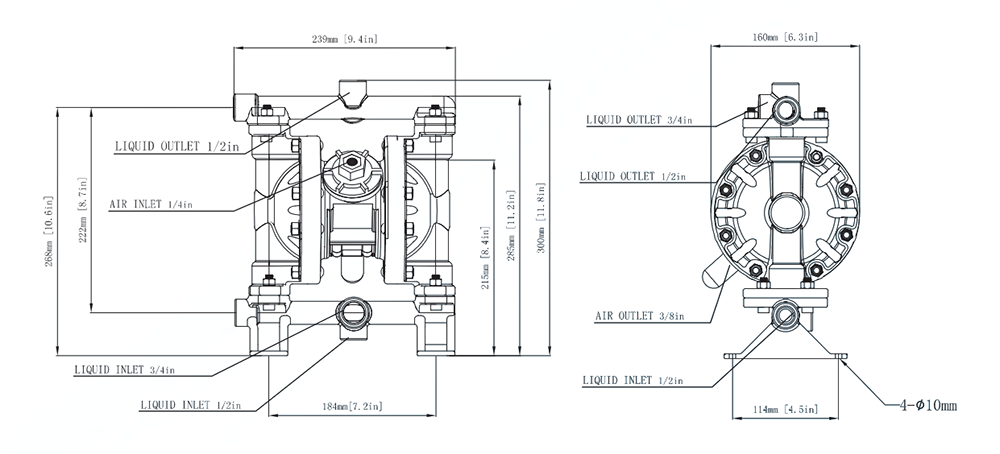
Installation size
Related products
-
-
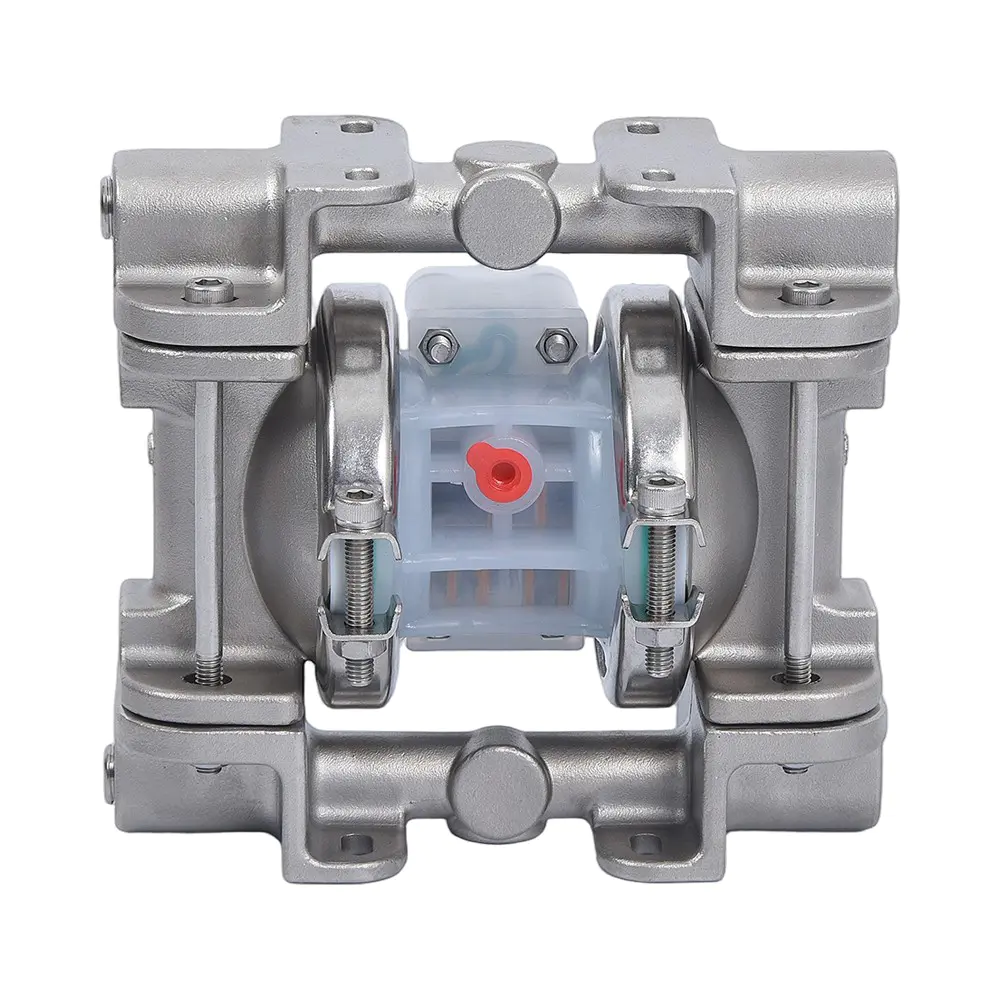 1/4" Stainless steel diaphragm pump
Fluid inlet/outlet size 1/4" Air inlet size 1/8" Max suction lift Dry:...
-
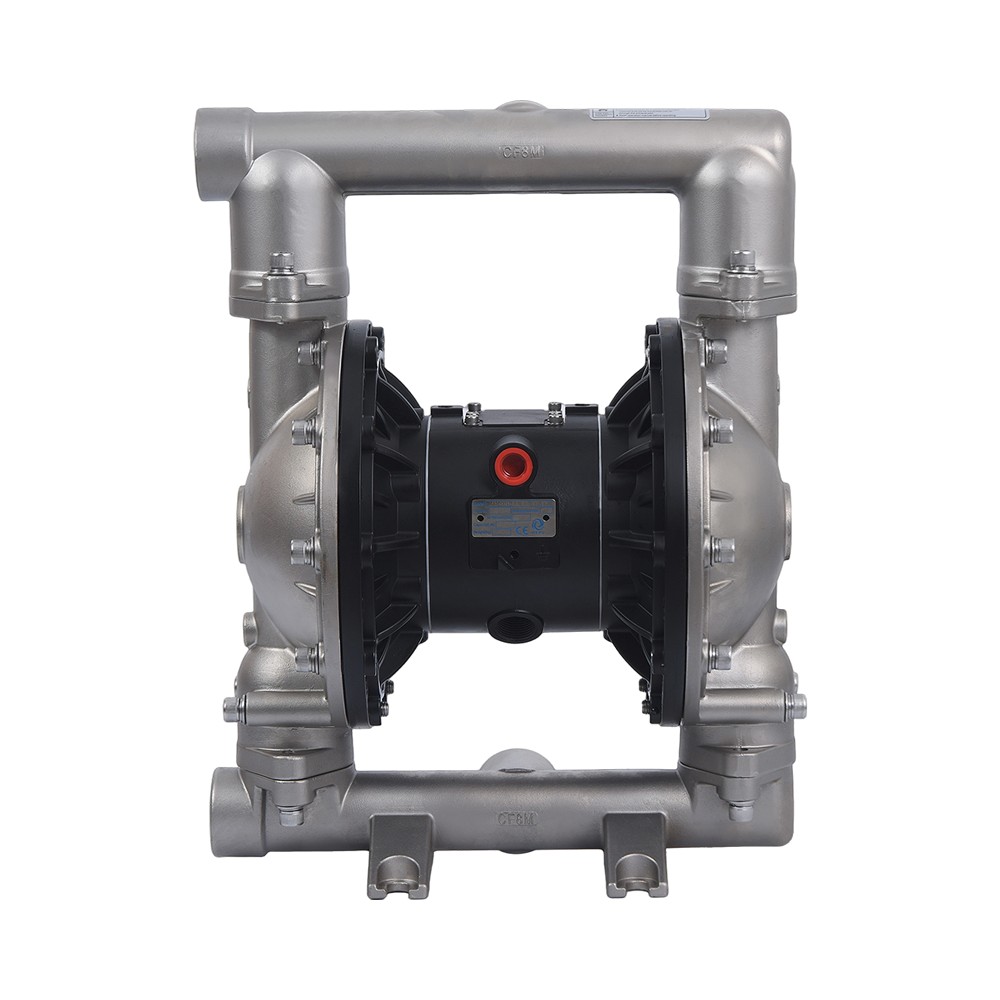 1-1/2" Stainless steel diaphragm pump
Fluid inlet/outlet size 1.5" Air inlet size 1/2" Max suction lift Dry:...
-
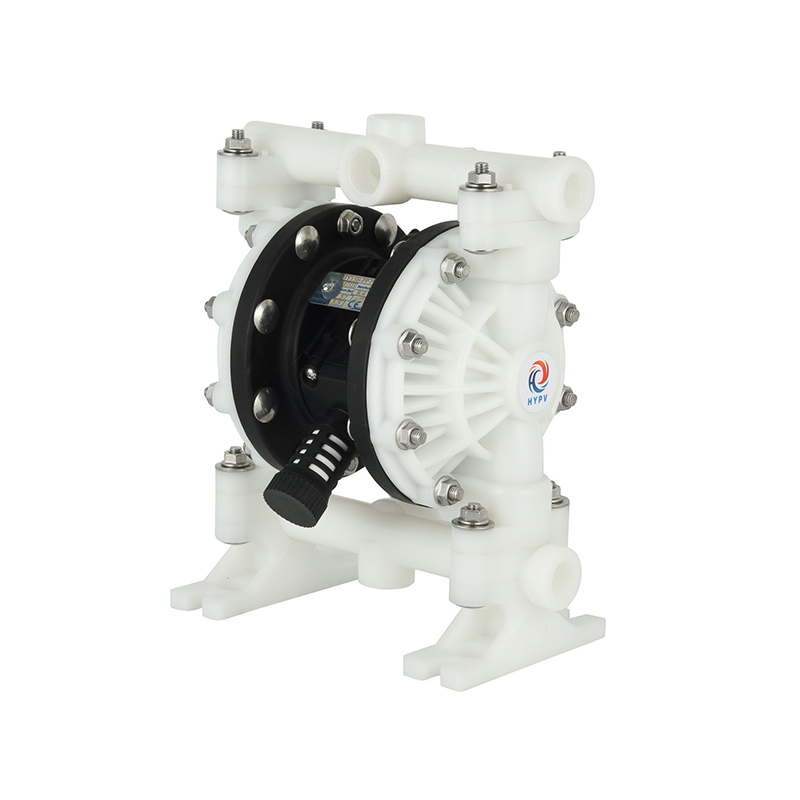 1/2"|3/4" PP diaphragm pump
Fluid inlet/outlet size 1/2",3/4" Air inlet size 1/4" Max suction lift ...
-
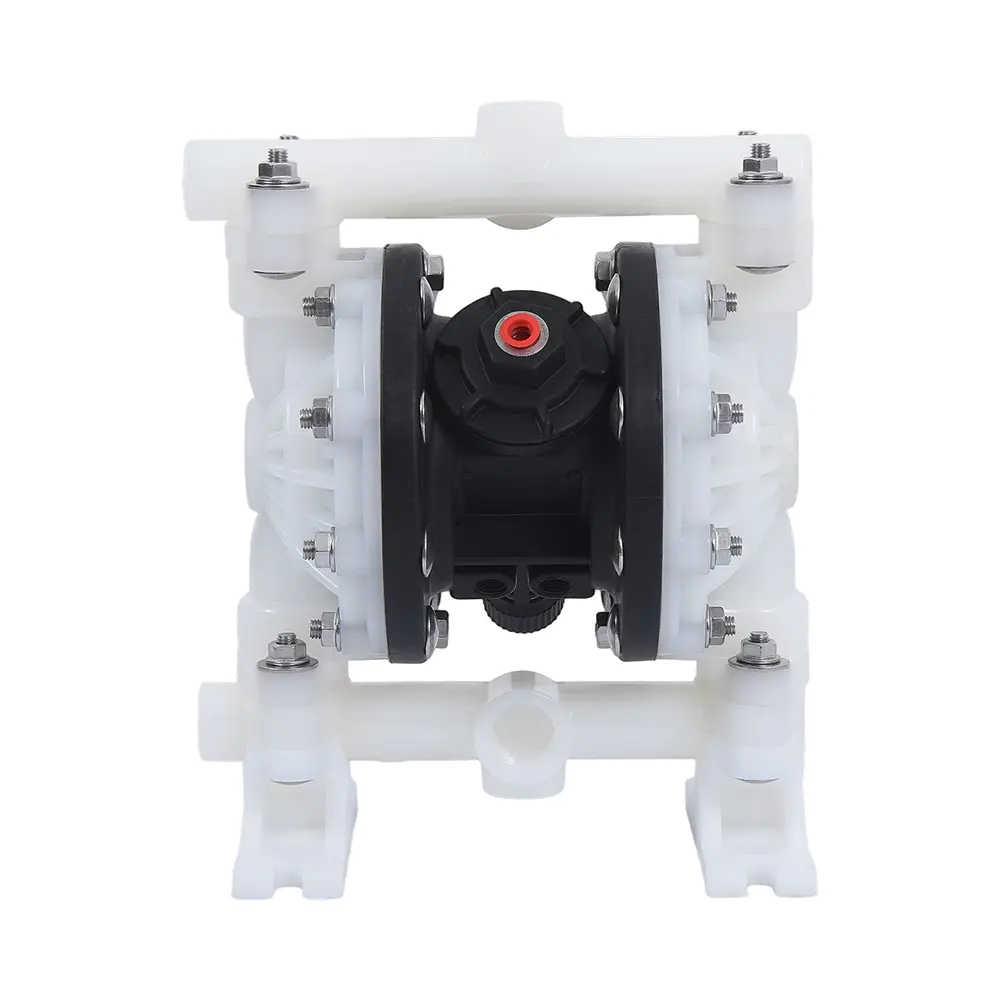 1/2"|3/4" PVDF diaphragm pump
Fluid inlet/outlet size 1/2",3/4" Air inlet size 1/4" Max suction lift ...
-
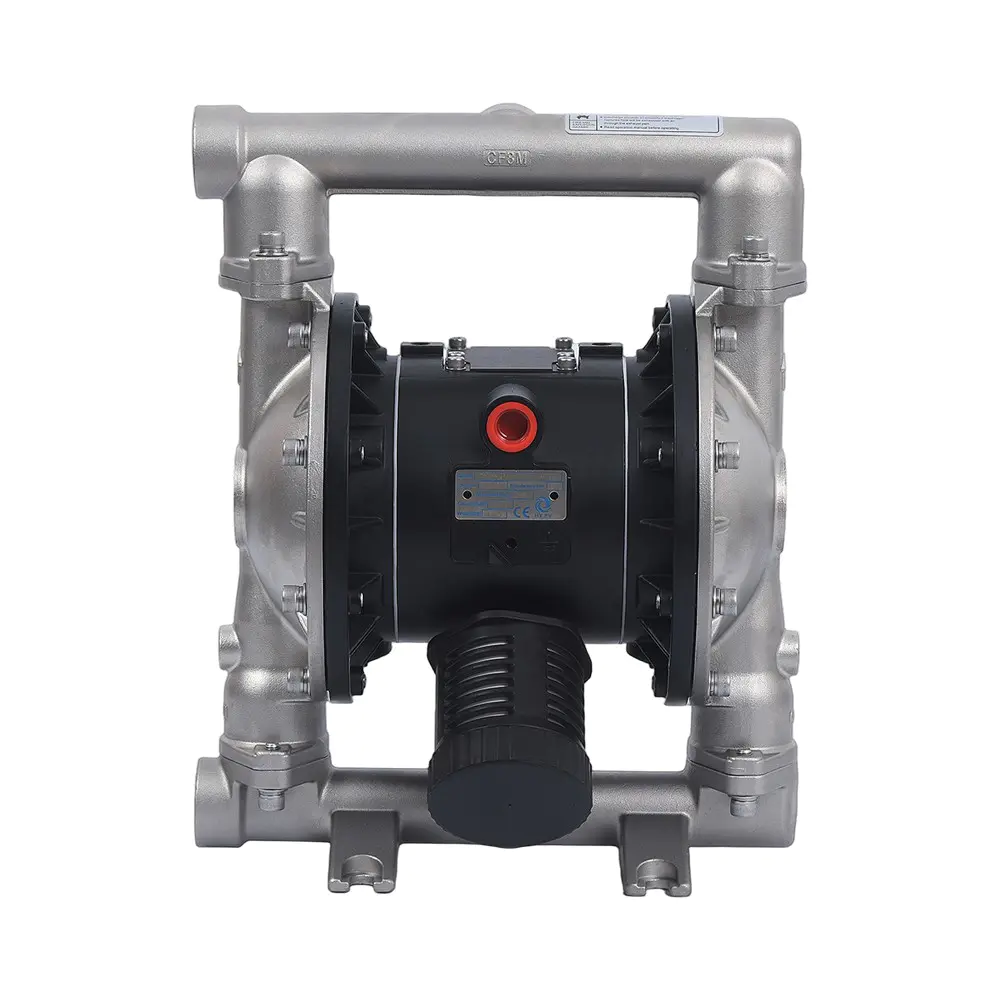 1" Stainless steel diaphragm pump
Fluid inlet/outlet size 1" Air inlet size 1/2" Max suction lift Dry: 4...
AUTHORITATIVE INSTITUTIONS
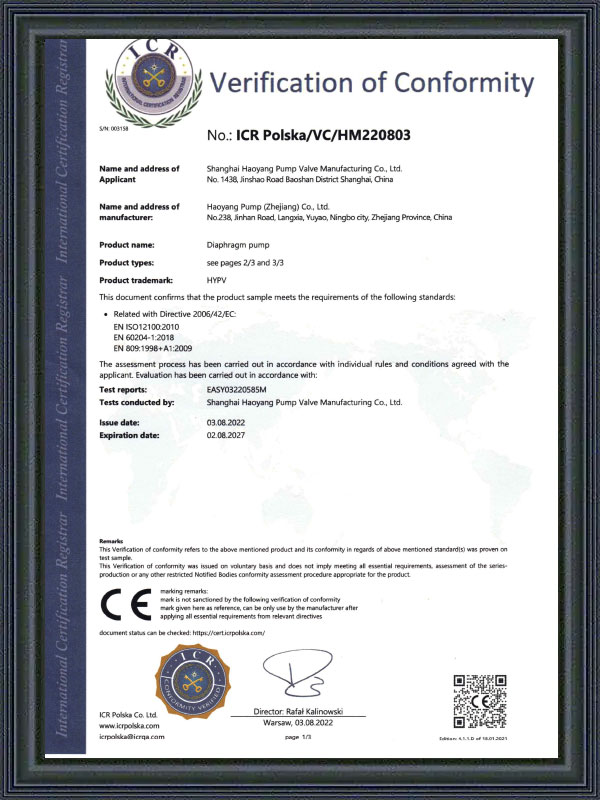
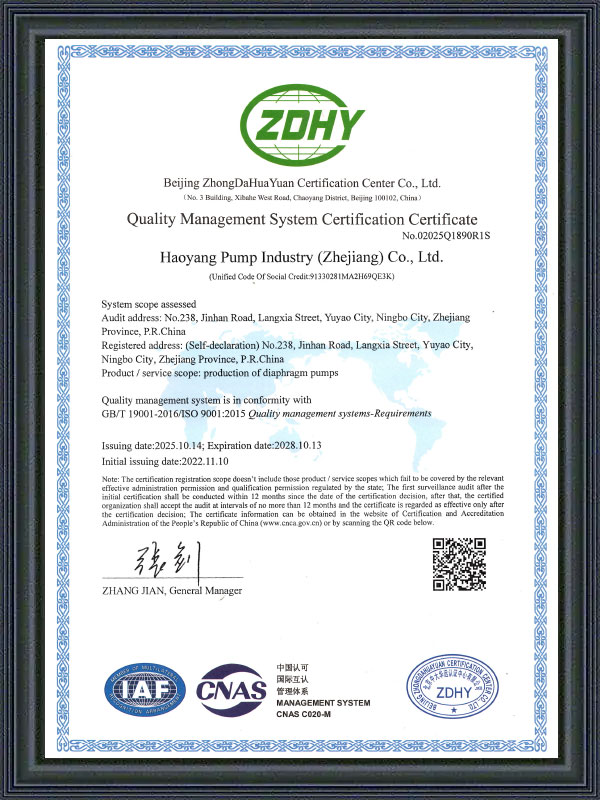
MULTIPLE CERTIFICATIONS
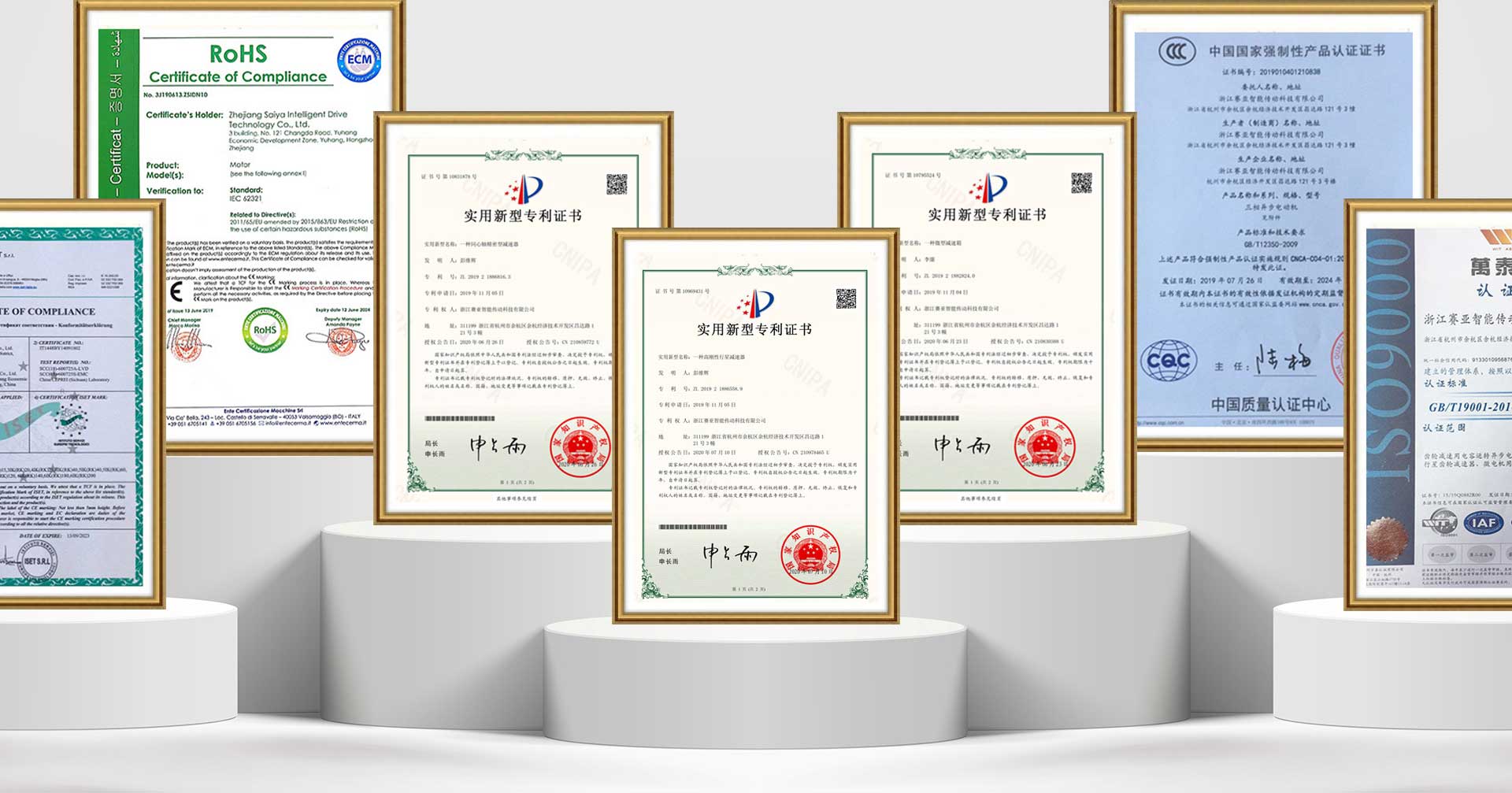
MULTIPLE CERTIFICATIONS
Contact Us

ABOUT US
Your Expert in Fluid Transportation
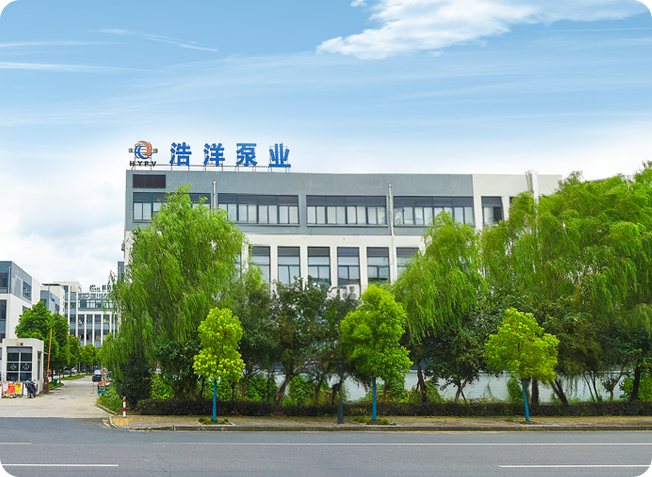
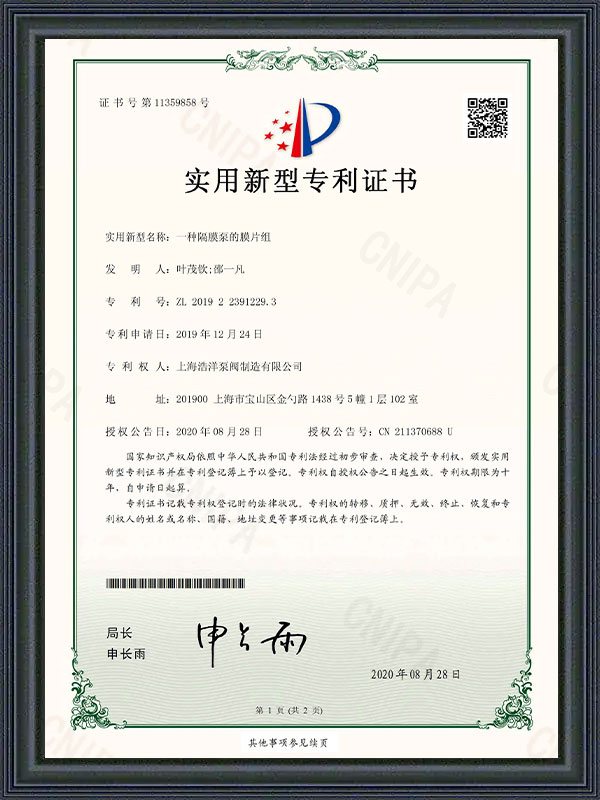
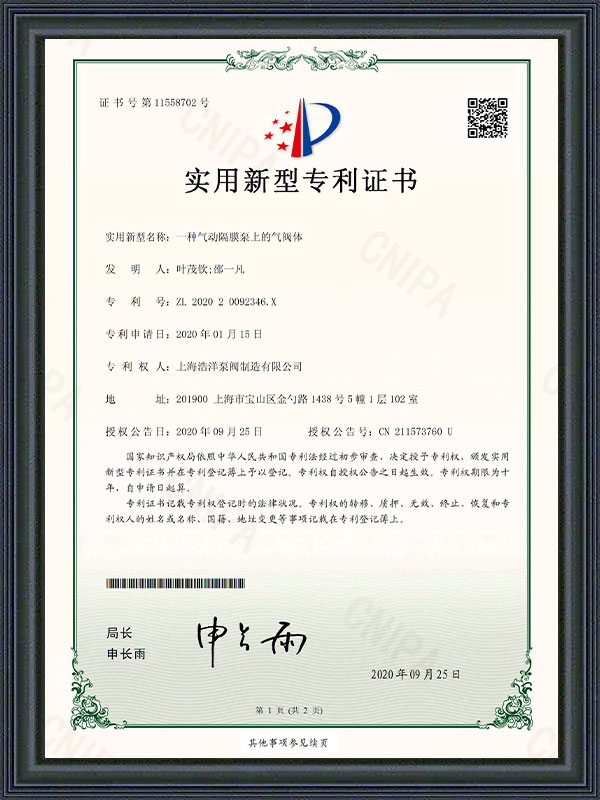
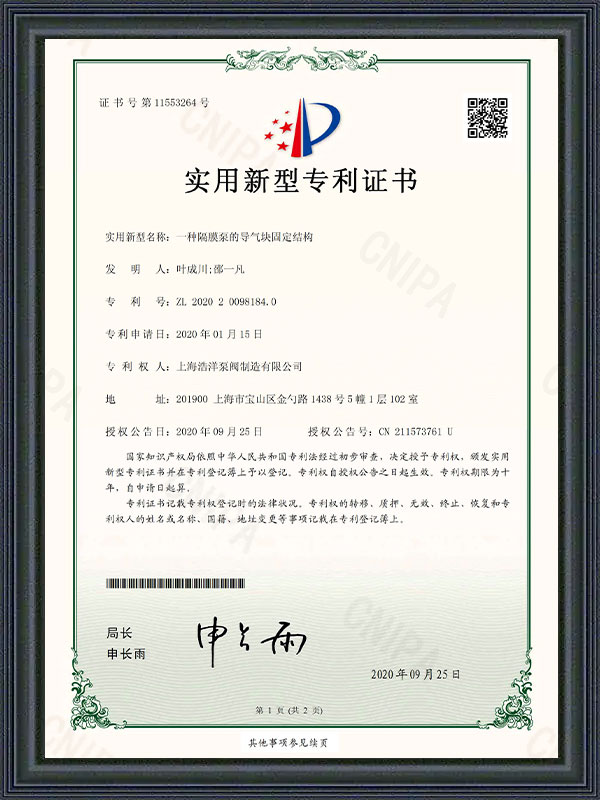
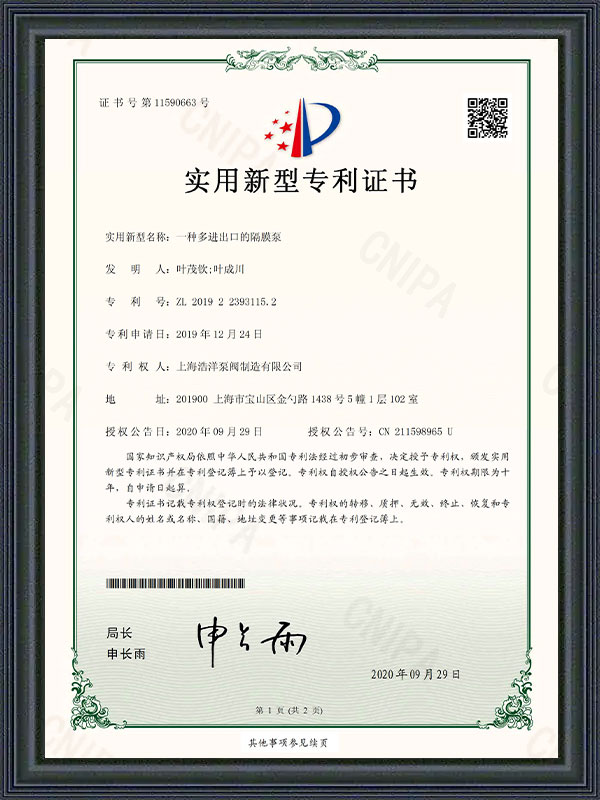
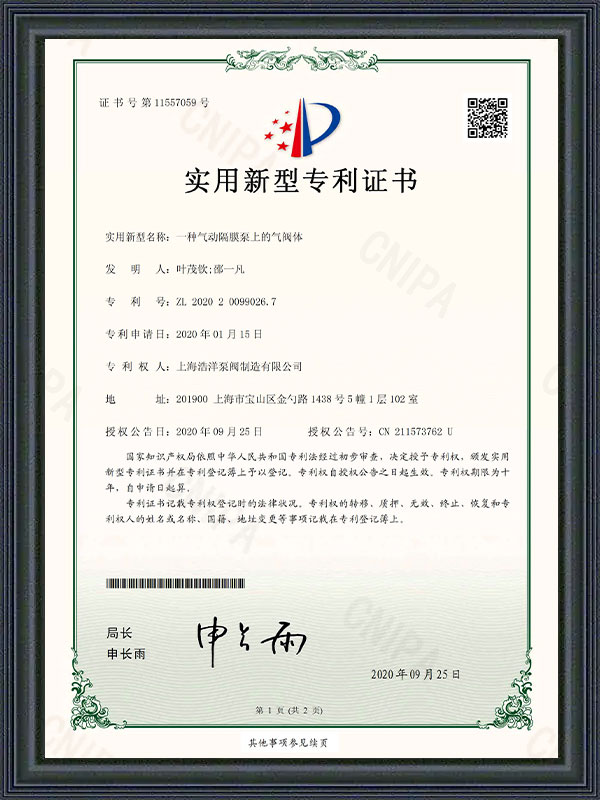
Shanghai Haoyang Pump Valve Manufacturing Co., Ltd. is a China 1/2"|3/4" Stainless steel diaphragm pump manufacturer and Custom 1/2"|3/4" Stainless steel diaphragm pump factory. Established in 2006, Shanghai Haoyang Pump Valve Manufacturing Co., Ltd. is a specialized enterprise dedicated to the development, design, manufacturing, sales, and service of diaphragm pumps. Our company boasts modern standard workshops and has introduced advanced automation equipment along with reliable processing technologies. Recognized as a "High and New Technology Enterprise" by the state in 2020, we have been granted multiple patents and all our products have received the European CE certification, in addition to passing the ISO 9001 quality management system certification.
Our HY series of air-operated diaphragm pumps, while retaining the advantages of similar products, have been meticulously refined, absorbed, and innovated upon. They are characterized by their environmental friendliness, energy efficiency, explosion-proof capabilities, versatility, high stability, and trouble-free operation.
Our HY series of air-operated diaphragm pumps, while retaining the advantages of similar products, have been meticulously refined, absorbed, and innovated upon. They are characterized by their environmental friendliness, energy efficiency, explosion-proof capabilities, versatility, high stability, and trouble-free operation.


-
0m²
Production Base Area
-
0+
Export Country
-
0+
Technical staff
-
0+
Project Case
Certificate Of Honor
NEWS CENTER
Latest News and Events Share With You
-
Diaphragm Pump Advantages and Disadvantages: Key Facts Engineers Need to Know
A chemical plant must transfer 3% hydrochloric acid at 8 bar and tolerate occasional dry running. A centrifugal pump would leak through its mechanical seal and overheat in seconds without liquid, bu...

-
Chemical Resistant Diaphragm Pump: Materials, Drive Types & Buying Guide
A chemical resistant diaphragm pump is a positive displacement pump that uses flexible diaphragms to transfer corrosive liquids without leaking through a shaft seal. Its ability to handle acids, alk...
-
How Does a Diaphragm Pump Work? Working Principle and Key Components Explained
A diaphragm pump works by flexing a flexible membrane back and forth inside a closed chamber, creating suction on the inlet stroke and positive pressure on the discharge stroke. It is a positive dis...
-
Diaphragm Pump Diagram Explained: Parts, Working Principle & Buying Guide
A diaphragm pump diagram is a cross-section illustration that shows every internal part of the pump and how those parts work together to move fluid. A diaphragm pump is a positive-displacement pump ...

QUICK LINKS
ABOUT US
CONTACT INFO.
-
 +86-21-66769112
+86-21-66769113 -
 [email protected]
-
 NO.1438 Jinshao Rd. Baoshan District Shanghai, China.
QR CODE
Copyright © 2025 Shanghai Haoyang Pump Valve Manufacturing Co., Ltd.
All Rights Reserved.

