

 EN
 English
 Français
 Español
 عربى
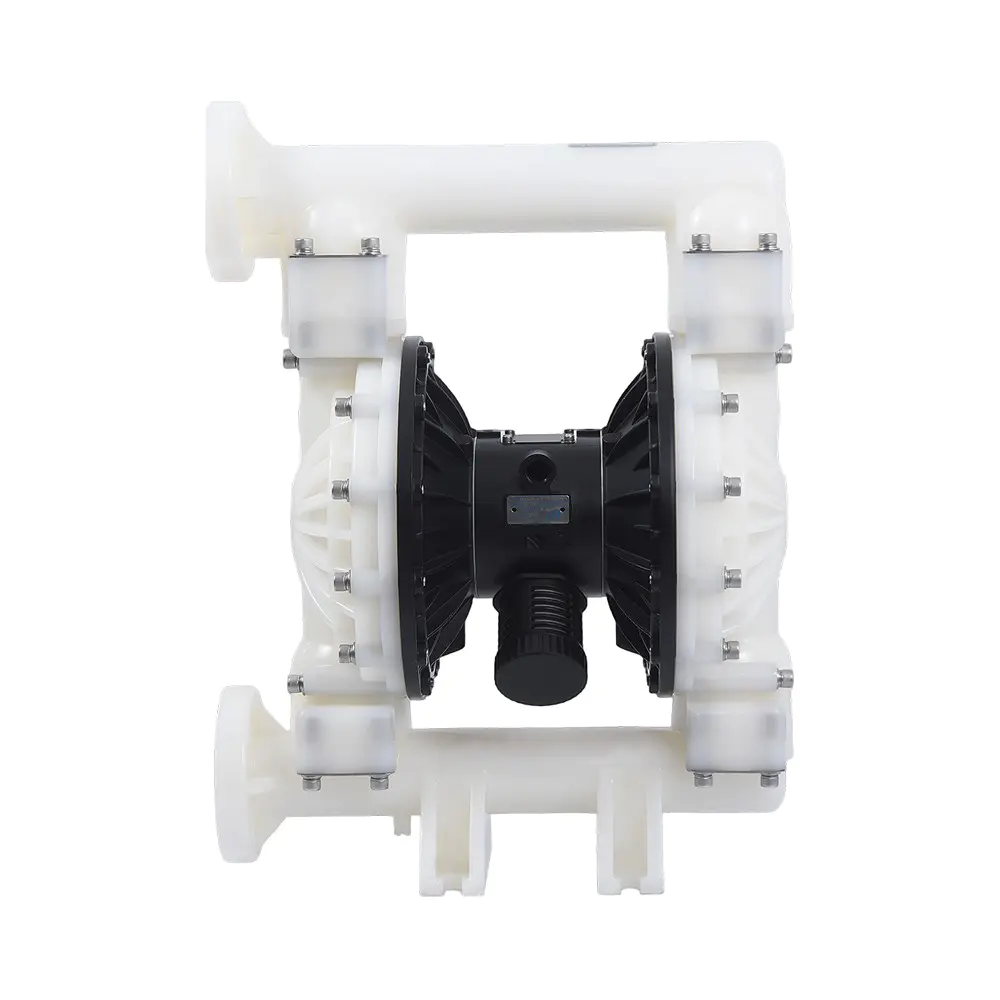
A diaphragm pump that is "not pumping" is usually not dead — it has lost prime, hit a blocked line, or lost its drive air or power. A diaphragm pump is a positive-displacement pump that flexes an elastic membrane to draw fluid in and push it out, so when it stops delivering, the cause is almost always one of six problems: a blocked line, a worn diaphragm, stuck check valves, weak drive energy, air in the suction line, or an electrical fault. From the repair records we keep at Shanghai Haoyang, more than half of all "not pumping" calls are resolved by checking the piping and valves before the pump is ever opened. This guide explains each cause, how to confirm it in minutes, and a maintenance routine that prevents most failures.
Content
First, Identify the Exact Symptom
The correct fix for a diaphragm pump not pumping depends on what the pump actually does when you start it. "Not pumping" can mean no cycling, cycling with no flow, low flow, or leaking, and each symptom points to a different set of causes.
| Symptom | Most Likely Cause | First Check |
|---|---|---|
| Pump will not cycle | No drive air, no power, or a seized air valve | Air supply, power supply, regulator |
| Pump cycles, no flow | Blocked suction line, closed valve, stuck check valve | Suction strainer, ball valves, isolation valves |
| Pump cycles, low flow | Partially blocked line, air leak, worn diaphragm | Line restrictions, fittings, diaphragm |
| Pump cycles erratically | Entrained air, check valve wear, pulsation | Valve seats, suction lift, dampener |
| Liquid leaks from air exhaust | Ruptured diaphragm or loose seals | Diaphragm and manifold gaskets |
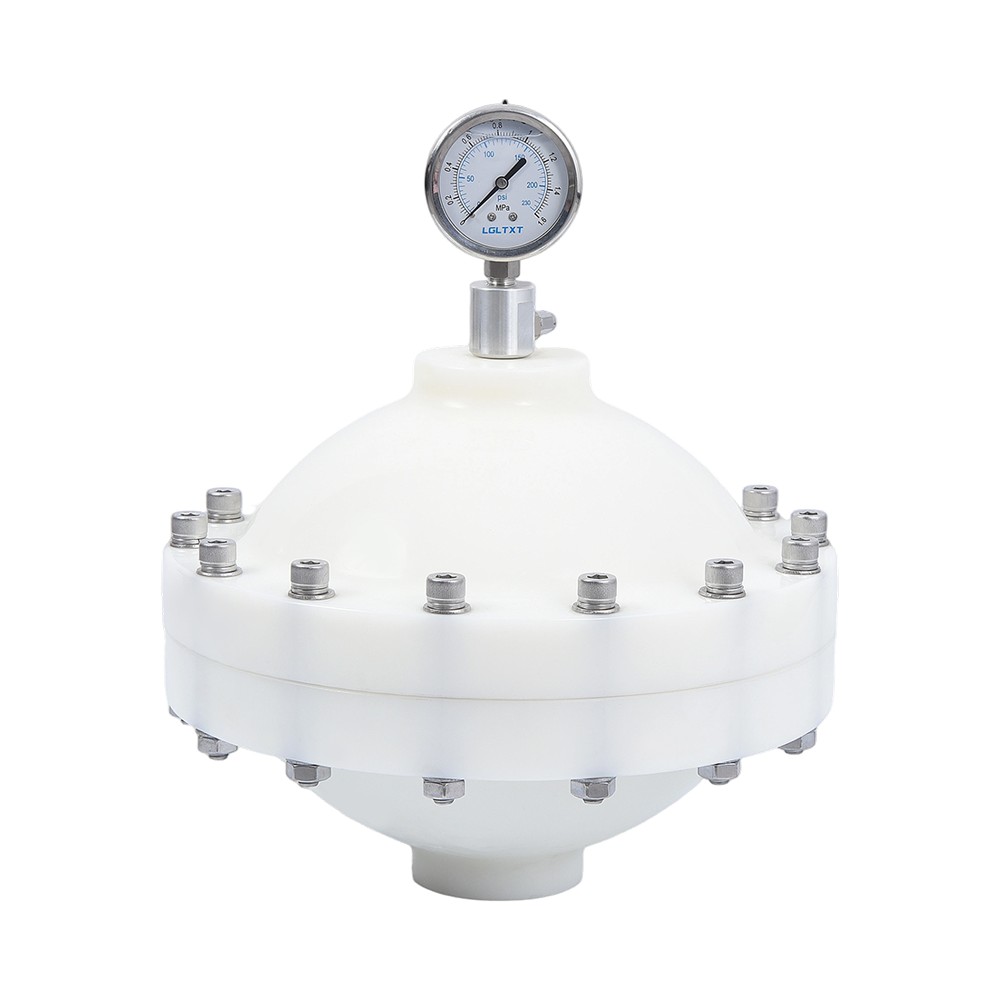
Erratic cycling and discharge pulsation usually appear when check valves are beginning to wear and there is no cushioning volume on the discharge side. A pulsation dampener fitted after the pump absorbs pressure spikes, stabilizes flow, and reduces stress on downstream equipment.
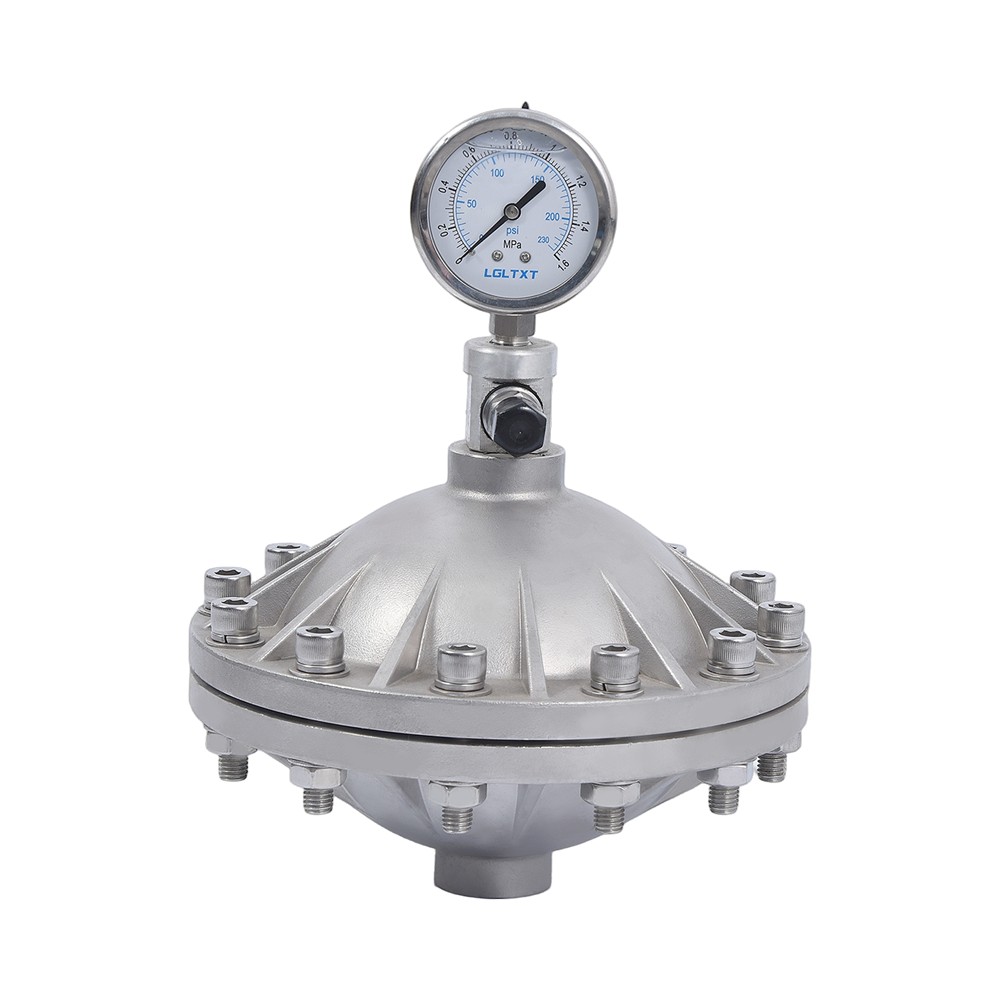 Pulsation Dampener for Stabilizing Discharge FlowThis unit is mounted after the pump to absorb pressure spikes, smooth pulsation, and protect downstream piping and equipment from stress caused by erratic cycling.View Product →
The Most Common Causes of a Diaphragm Pump Not Pumping
1. Blocked Suction or Discharge Lines
A blocked or partly closed line is the most frequent reason a diaphragm pump cycles but delivers no fluid. Debris collects in the suction strainer, a manual valve is left half closed, or a hose kinks, and the pump simply cannot draw liquid.
Open every manual valve fully, clean the suction strainer and foot valve, and check for kinked or collapsed hoses. Then disconnect the suction hose, put it in a bucket of clean water, and run the pump. If it draws and discharges normally, the problem is upstream in your system, not in the pump.
2. Worn or Damaged Diaphragms
A worn diaphragm causes leaking, sputtering flow, or fluid in the air chamber — but it rarely stops the pump completely. The diaphragm is the pump's only flexible sealing element, and it fatigues after millions of strokes.
Remove the outer chamber cover and look for cracks, pinholes, or distortion. If you find liquid inside the air side of the chamber, the diaphragm has ruptured and must be replaced. Always replace both diaphragms at the same time, and tighten the chamber screws evenly to the torque in the manual, usually 8 to 15 Nm on small pumps, to avoid distorting the new diaphragm.
3. Stuck or Worn Check Valves
Stuck or worn check valves are the most common internal cause of low or zero flow in a diaphragm pump. Each stroke depends on the inlet and outlet ball valves seating cleanly to keep fluid moving in one direction.
Remove the valve balls and seats, wash them in warm soapy water, and inspect the seating surfaces for grooves or pitting. Debris, swollen elastomers, and hard water scale all stop the balls from sealing. If a ball is scored or a seat is pitted, replace them as a matched set — mixing old and new parts is the fastest way to repeat the failure.
4. Insufficient Air Supply for Air-Operated Pumps
For an air-operated double-diaphragm (AODD) pump, low air pressure or low air volume is the first thing to verify when the pump will not cycle. An AODD pump needs pressure to overcome system head and volume to fill the chambers.
Measure air pressure at the pump inlet with a gauge — most 1-inch AODD pumps need roughly 0.2 to 0.7 MPa (2 to 7 bar) depending on discharge head. Clean or replace the air filter, check the air hose size against the pump inlet port, and inspect the muffler for ice; in humid conditions, expanding air can freeze the exhaust and stall the pump.
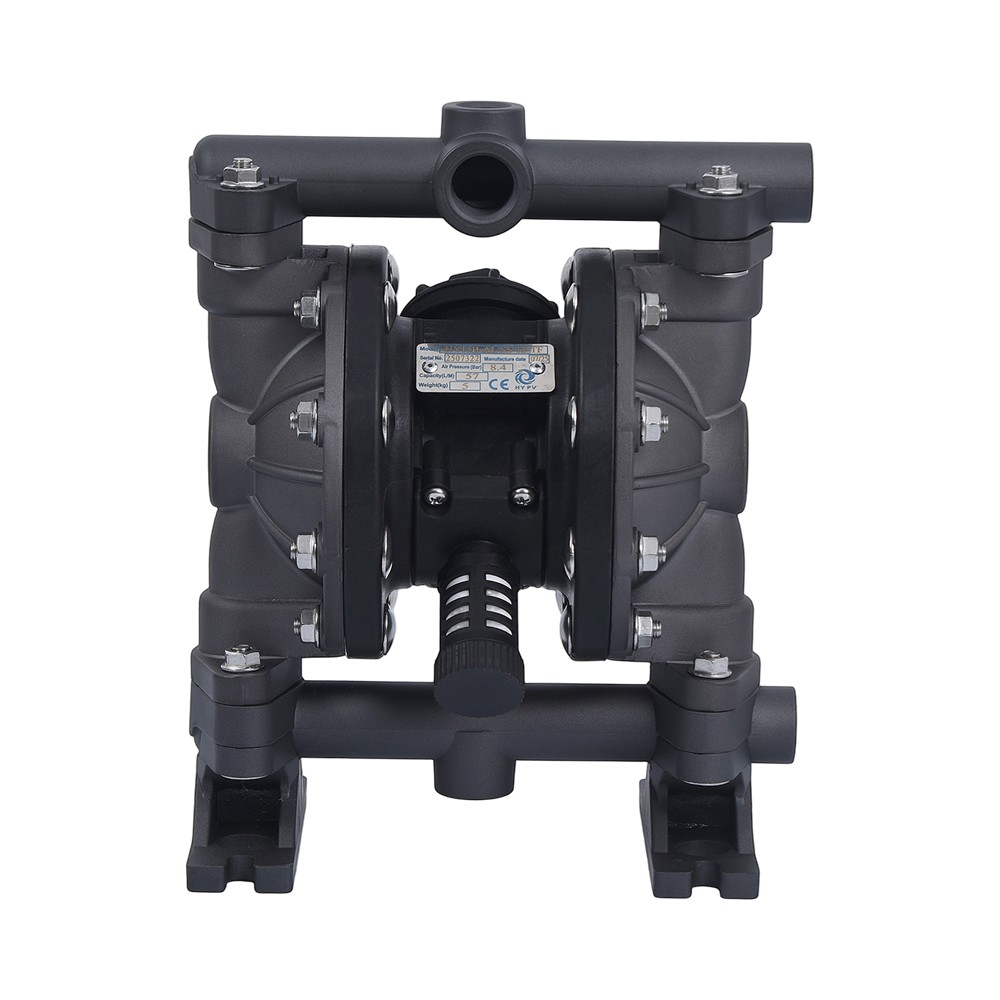
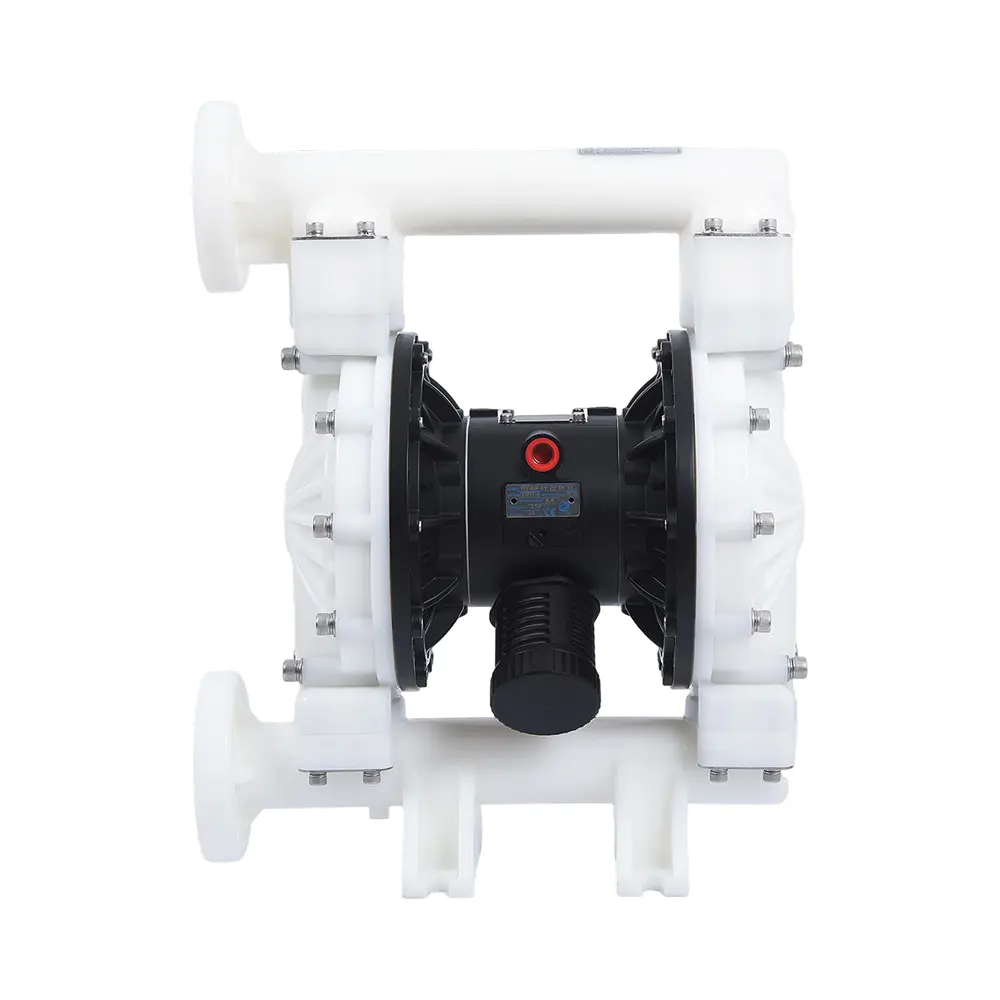
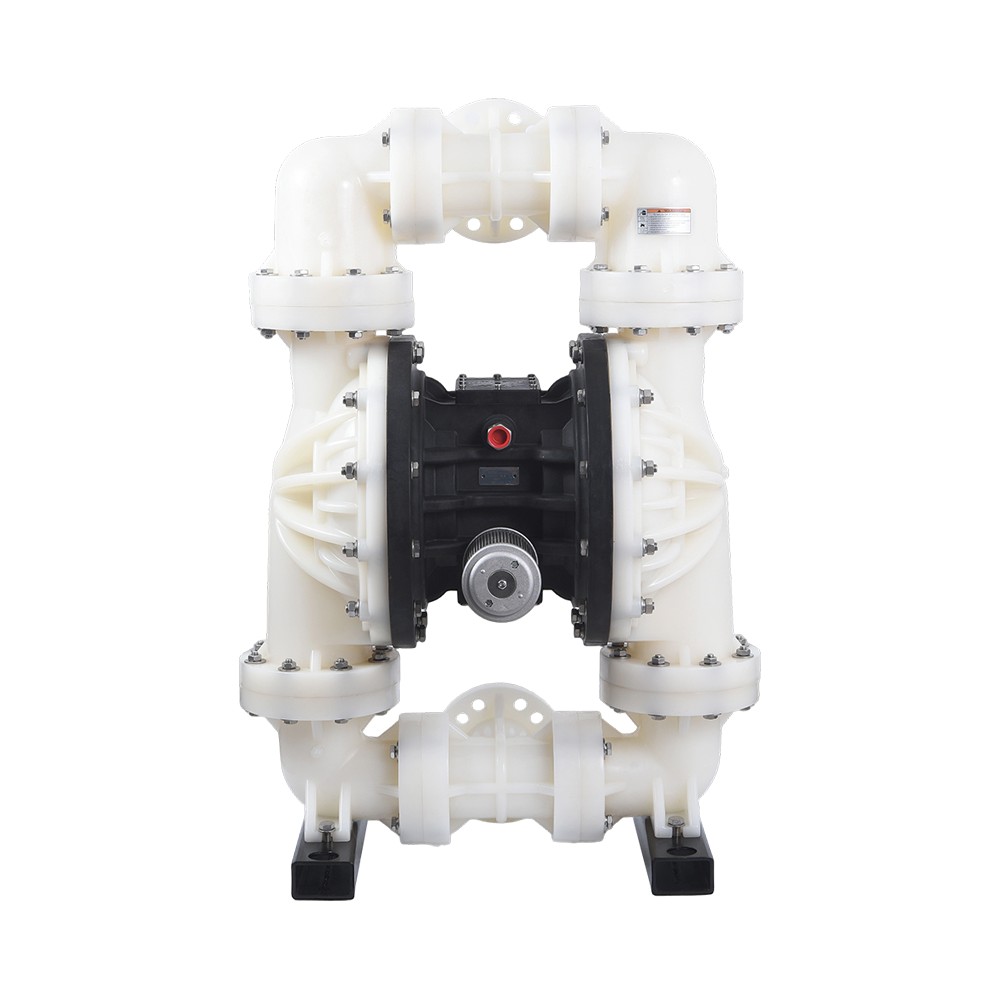
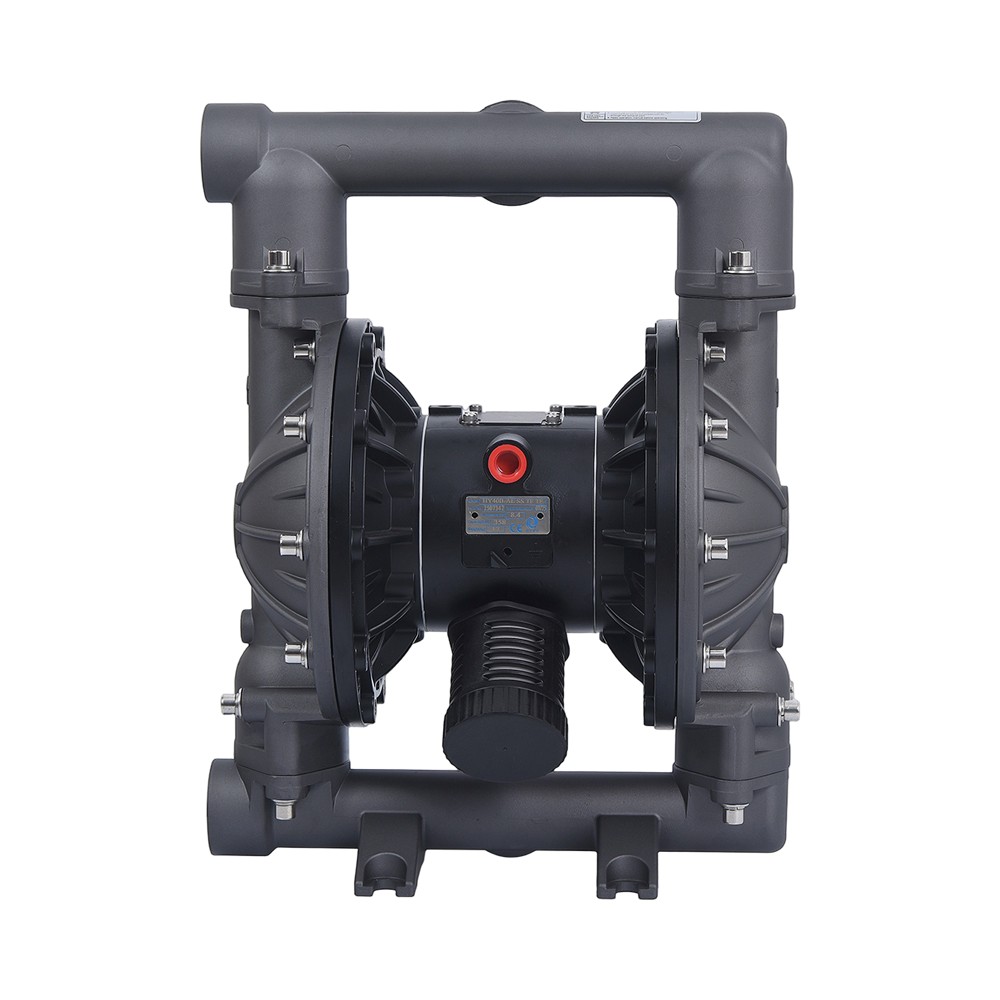 Air-Operated Diaphragm Pump for Dry-Run Self-PrimingA pneumatic diaphragm pump that runs dry without damage, features a quick-acting air valve, and offers zero leakage—useful when checking air supply issues that cause stalling.View Product →
5. Cavitation or Loss of Prime
A pump that runs fast but moves no fluid has most likely lost prime or exceeded its suction lift capability. Air leaking into the suction line, a lift that is too high, or a suction hose that is too long all let the pump pass air instead of liquid.
Tighten every fitting on the suction side, use a rigid or wire-reinforced suction hose to prevent collapse under vacuum, and confirm the lift is within the pump rating — typically 4 to 6 meters of water column for standard elastomer diaphragms. For difficult installations, place the pump below the fluid level so the suction is always flooded.
6. Electrical or Motor Faults in Electric Diaphragm Pumps
For an electric diaphragm pump, a "not pumping" condition is usually electrical — a tripped breaker, a failed capacitor, or an overheated motor. Mechanical wear exists, but it is rarely the first reason an electric pump stops.
Check for voltage at the outlet, test the motor windings for continuity, and listen for a humming motor, which usually indicates a dead starting capacitor. Reset the thermal overload and confirm the pump was not run dry; an electric diaphragm pump can overheat within minutes without fluid.
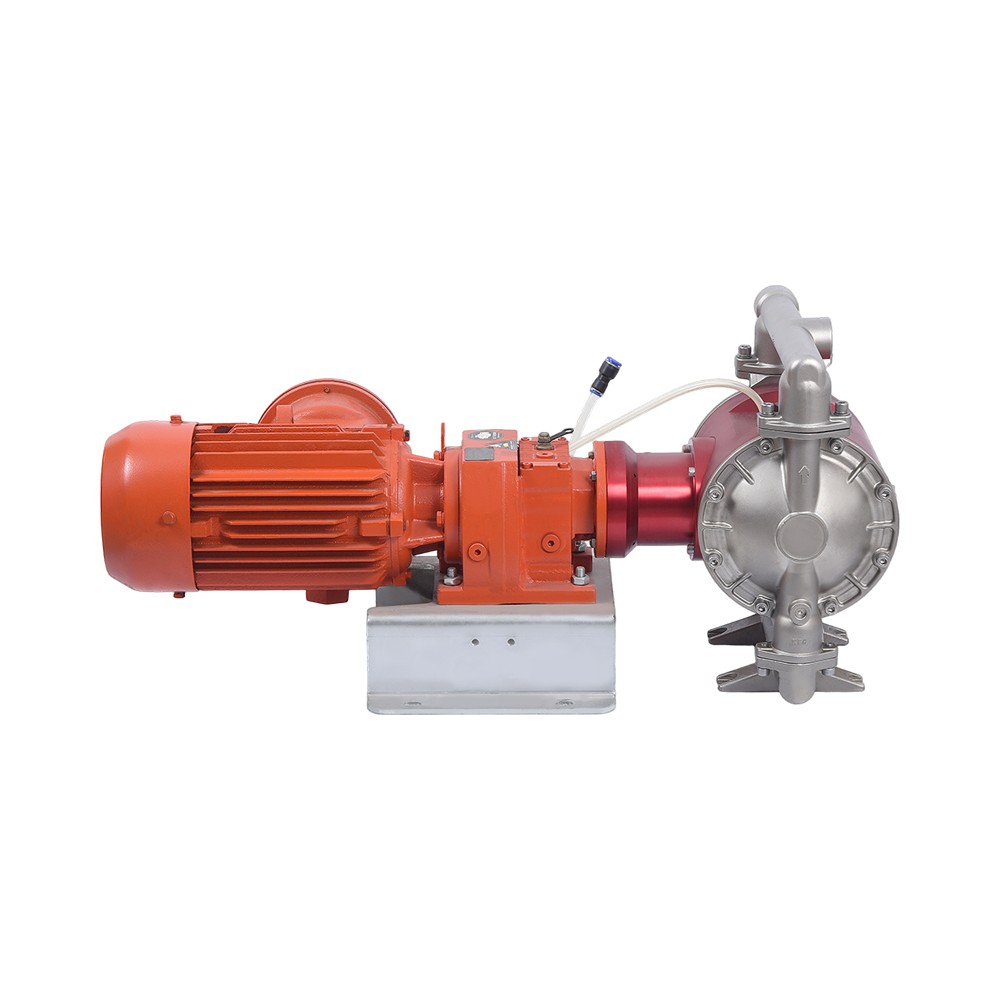 Electric Diaphragm Pump for Chemical and Water TransferA sealless electric diaphragm pump suitable for corrosive liquids and high-flow water transfer, with reliable motor operation—relevant when diagnosing electrical faults that prevent starting.View Product →
Step-by-Step Diaphragm Pump Troubleshooting Checklist
Work through these checks in order. Each step eliminates a whole class of causes in under five minutes.
- Verify that the drive supply reaches the pump: air pressure at the inlet, or voltage at the motor terminals.
- Open all manual valves on the suction and discharge lines fully.
- Clean the suction strainer and foot valve; remove any debris.
- Inspect all hoses and pipes for kinks, collapse, or internal scaling.
- Confirm the suction lift is within the pump rating and that no suction-side fitting leaks air.
- Test the pump with its suction hose in a bucket of clean water to separate pump faults from system faults.
- If flow is still absent, remove the chamber covers and inspect both diaphragms for holes, cracks, and distortion.
- Remove, clean, and inspect all check valve balls and seats; replace damaged parts as a set.
- For AODD pumps, check the air filter, regulator, and muffler for icing or blockage.
- For electric pumps, test the capacitor, thermal overload, and motor windings.
- Reassemble with new gaskets where sealing surfaces are damaged, then re-prime and restart the pump.
Preventive Maintenance That Keeps a Diaphragm Pump Pumping
Most "not pumping" failures are preventable with a simple routine: check the pump visually every month, inspect valves quarterly, and replace diaphragms on the interval recommended for your fluid and stroke rate. A few minutes of preventive care costs far less than an unplanned line stoppage.
- Flush the pump with clean water or a compatible solvent after every shift when pumping abrasive, sticky, or crystallizing fluids.
- Keep the air filter clean on air-operated pumps and drain moisture from the air line weekly.
- Inspect diaphragms and check valves during planned downtime instead of waiting for a failure.
- Stock one diaphragm kit and one check valve kit; most diaphragm pump repairs take less than 45 minutes with these two spares.
For field-tested maintenance routines and real installation examples across different industries, browse our industry news hub.
Frequently Asked Questions
Why does my diaphragm pump run but not prime?
A pump that runs but will not prime almost always has an air leak on the suction side or a suction lift that is too high. Check every suction fitting, tighten the clamps, and move the pump closer to the fluid level. If the pump must stay high, consider a flooded suction arrangement or a foot valve with better sealing.
How do I know if the diaphragm is bad?
The clearest signs of a bad diaphragm are fluid leaking from the air exhaust, liquid found inside the air chamber, or a visible crack in the diaphragm when the cover is removed. A small pinhole can be missed because the pump still runs, but flow and pressure gradually drop, and you may hear a slight hiss of air in the fluid.
Can a diaphragm pump run dry and not pump?
Air-operated diaphragm pumps can run dry for short periods without serious damage, but electric diaphragm pumps should never be run dry. Running dry overheats the motor, over-flexes the diaphragm, and can melt some elastomer valves, so fix the suction problem quickly.
How often should diaphragm pump diaphragms be replaced?
A typical replacement interval is 6 to 12 months in continuous service, depending on fluid, temperature, and stroke speed. Abrasive fluids and high temperatures shorten diaphragm life, so schedule replacements based on your actual duty cycle rather than a fixed calendar date alone.
The Bottom Line
When a diaphragm pump is not pumping, the cause is almost always found in the system around the pump, not inside it. Identify the symptom, check the lines and valves, verify the drive supply, and only then open the pump. With a basic tool kit and a few spare parts, most repairs take under an hour, and you avoid the cost of a specialist call-out.
If the pump is beyond repair or you need a spare unit for critical duty, browse the complete selection of pneumatic and electric diaphragm pumps on our pump directory.