

 EN
EN
 English
 Français
 Español
 عربى
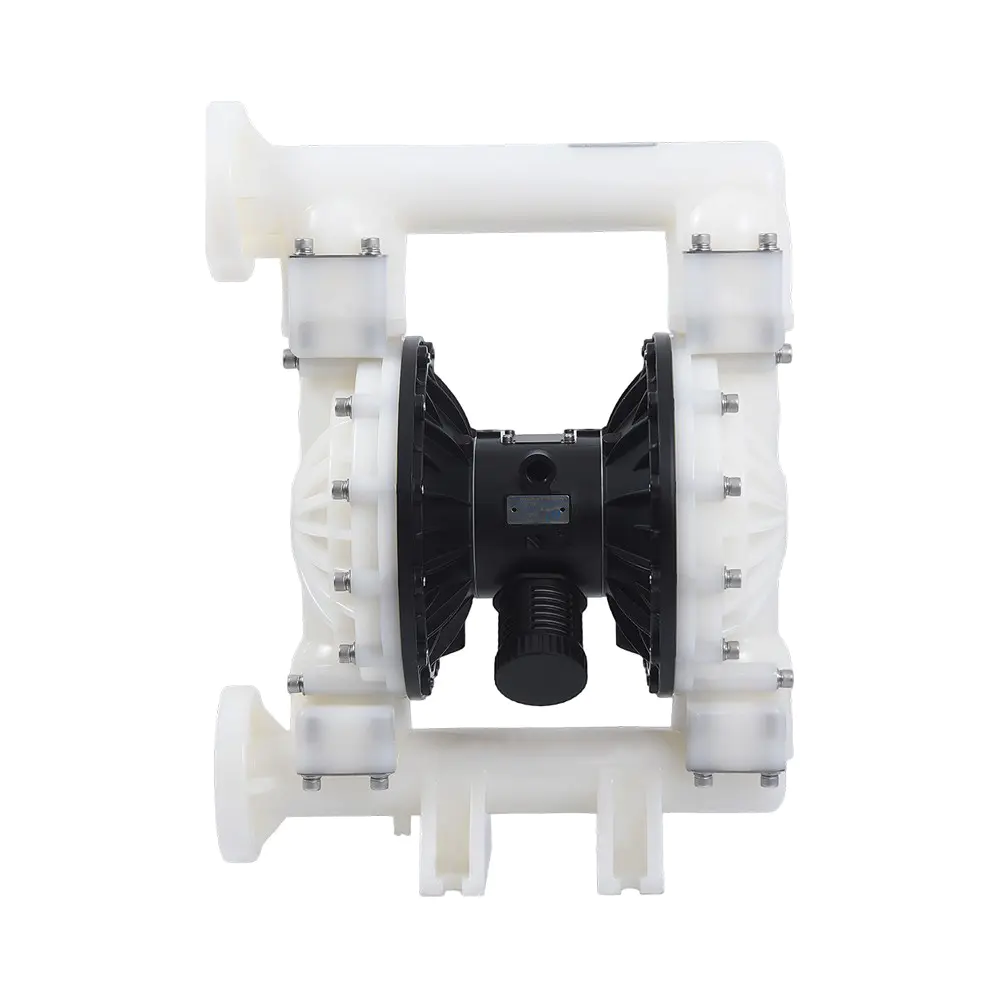
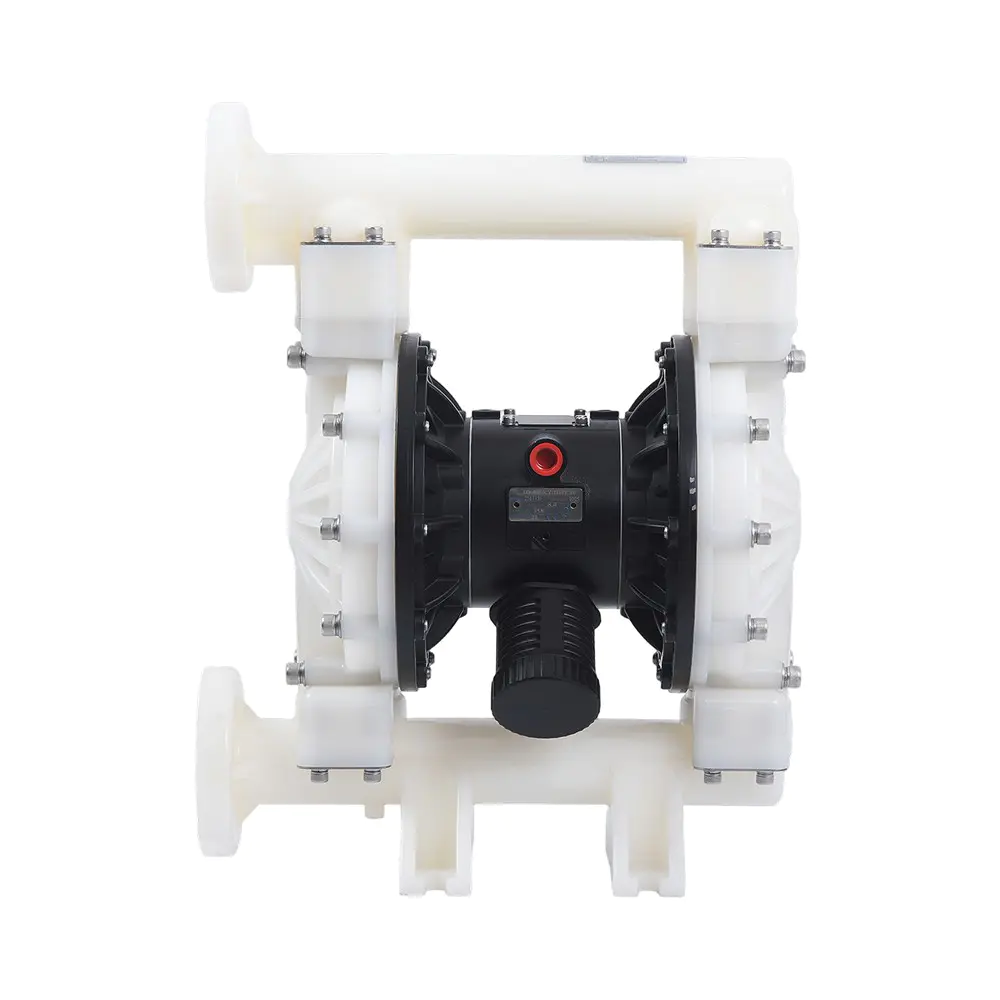
عربىAir diaphragm pump air consumption is determined primarily by CFM (cubic feet per minute), not by the PSI reading on the gauge — a common misunderstanding that leads many operators to undersize their compressor and lose flow rate. An air operated double diaphragm (AODD) pump's actual output in gallons per minute (GPM) is governed by how much compressed air volume reaches it, while air pressure alone only overcomes the discharge head. Understanding this distinction, along with the standard sizing formulas and the design factors that reduce SCFM per gallon pumped, is the fastest way to lower compressed-air spending, which is consistently ranked as one of the most expensive utilities in industrial facilities.
Content
- 1 Why CFM — Not PSI — Controls Your Pump's Output
- 2 How to Calculate Air Diaphragm Pump Air Consumption
- 3 Typical Air Consumption Sizing Reference Table
- 4 What Drives Air Consumption Up or Down
- 5 Step-by-Step Guide to Properly Sizing Your Compressor
- 6 Common Air Consumption Sizing Mistakes
- 7 Frequently Asked Questions
- 8 Key Takeaway
Why CFM — Not PSI — Controls Your Pump's Output
CFM controls the speed of an air diaphragm pump, while PSI only determines whether the pump has enough force to overcome the discharge head. According to industry technical guidance published by Pumps & Systems, many end users mistakenly adjust the regulator to control pump speed, when in fact adjusting pressure at the regulator inadvertently changes the CFM delivered through its internal orifice. A pump can show a full 100 PSI on the gauge and still fail to reach its rated GPM if the available CFM is too low. For applications requiring a fixed, repeatable pump speed, installing a needle valve downstream of the regulator — set to the desired CFM — is the correct way to maintain consistent output regardless of pressure fluctuations.
The Relationship Between BHP, CFM, and Pump Output
One brake horsepower (BHP) of air power is roughly equivalent to 5 CFM, a benchmark figure used across the pump industry to translate compressor capacity into usable pumping power. This conversion matters when comparing a facility's existing air compressor rating against a pump's stated air consumption requirement, since a mismatch between the two is the single most common reason a diaphragm pump underperforms its published flow curve.
How to Calculate Air Diaphragm Pump Air Consumption
The most widely used rule of thumb multiplies the pump's rated liquid flow rate by 0.75 to estimate the required CFM for most applications. For example, a pump rated at 49 GPM would need approximately 37 CFM of compressed air supply to sustain that flow rate under typical operating conditions. This shortcut works well for initial sizing, but for precision applications, manufacturers publish a full performance curve showing exact SCFM draw at each pressure and flow combination.
Reading a Performance Curve for Exact Air Consumption
A performance curve plots flow rate on the X-axis against discharge pressure or head on the Y-axis, with air consumption values layered on top in SCFM or cubic meters per minute. To read one correctly, locate the required inlet air pressure on the Y-axis, trace across to the target flow rate on the X-axis, and the intersection identifies the corresponding air consumption box. A compressor sizing example published by TDS-DYISHENG Pump illustrates the calculation: after applying the standard horsepower formula and adding a 1.3 safety multiplier for continuous-duty overheating margin, a pump tested at 8 bar came out to approximately 2.9 HP, leading to a recommendation of at least a 3 HP compressor for that specific model.
Typical Air Consumption Sizing Reference Table
The table below summarizes the standard formulas and rules of thumb used across the industry for estimating air diaphragm pump air consumption at different stages of planning.
| Sizing Method | Formula / Reference | Best Used For | Accuracy Level |
|---|---|---|---|
| Quick Estimate | GPM x 0.75 = CFM required | Initial compressor budgeting | Approximate |
| Horsepower Conversion | 1 BHP is approximately 5 CFM | Matching pumps to compressor HP rating | Moderate |
| Performance Curve Reading | Cross-reference PSI and GPM against SCFM chart | Final equipment selection | High |
| Manufacturer Data Sheet | Exact tested SCFM at rated pressure | Critical or continuous-duty applications | Highest |
Comparison of common sizing methods used to estimate or verify air diaphragm pump air consumption before purchasing a compressor.
What Drives Air Consumption Up or Down
Fluid viscosity, discharge head, and pump design efficiency are the three biggest variables that push air diaphragm pump air consumption higher or lower for the same flow rate. A pump handling a thin, low-viscosity liquid will typically consume less compressed air per gallon than the same pump moving an abrasive slurry or high-viscosity fluid, since thicker or solids-laden media demand more air-driven force per stroke to maintain consistent output.
- Fluid viscosity: Thicker fluids and abrasive slurries increase the air volume needed per diaphragm stroke to prevent clogging or inconsistent flow.
- Discharge head and pressure: Greater vertical lift or pipeline resistance requires higher inlet pressure, which in turn changes the SCFM draw shown on the performance curve.
- Pump size and stroke design: Larger diaphragm chambers move more fluid per cycle but also require proportionally more compressed air to actuate.
- Air valve efficiency: Advanced air valve systems reduce stalling and icing, two common inefficiencies in older pump designs that waste compressed air without adding flow.
- Regulator and needle valve setup: Incorrect inline control components can cause a pump to consume more air than necessary just to reach the same GPM.
Why Lower Air Consumption Directly Cuts Operating Cost
Every SCFM saved translates directly into lower energy draw at the compressor, since compressed air generation is widely recognized as one of the most expensive utilities to produce in an industrial plant. Pump designs engineered to reduce SCFM required per gallon pumped deliver the same output for less energy input, which compounds into meaningful savings across continuous-duty operations, and also supports facility-level sustainability and ESG efficiency targets.
Step-by-Step Guide to Properly Sizing Your Compressor
Correct compressor sizing prevents the most common performance complaint in the field: adequate pressure but insufficient flow. Follow these steps in order.
- Identify your required liquid flow rate in GPM based on the application's process demand.
- Apply the quick estimate formula — multiply GPM by 0.75 — to get a preliminary CFM target.
- Pull the manufacturer's performance curve for the specific pump model under consideration.
- Cross-reference your required discharge pressure and flow rate on the curve to find the exact SCFM value.
- Compare that SCFM figure against your existing or planned compressor's rated output, remembering that tank size in gallons does not indicate air-generating capacity.
- Add a safety margin — commonly around 1.3x for continuous-duty operation — to account for heat buildup and pressure drop over time.
- Install a needle valve downstream of the regulator if constant pump speed is required regardless of pressure changes elsewhere in the system.
Common Air Consumption Sizing Mistakes
Most flow rate complaints trace back to a small set of recurring sizing and setup errors.
- Confusing tank gallons with CFM output. A compressor's tank size only indicates storage capacity, not how much air it can actually generate per minute.
- Using the regulator alone to control pump speed. This inadvertently changes CFM delivery and can leave insufficient pressure to overcome the discharge head.
- Ignoring viscosity when estimating air demand. The same pump model can require significantly more SCFM when switched from a thin fluid to an abrasive slurry.
- Skipping the safety margin. Sizing a compressor to the bare minimum calculated CFM leaves no buffer for continuous-duty heat buildup or future capacity needs.
- Overlooking pump age and valve condition. Older air valve designs are more prone to stalling and icing, which increases air consumption without improving flow.
Frequently Asked Questions
Does higher PSI mean higher air consumption?
Not directly. PSI overcomes discharge head, while CFM determines actual pump speed and output; adjusting a regulator changes both pressure and CFM simultaneously, which is why the two are often confused in the field.
What is a normal air diaphragm pump air consumption rate?
It varies by pump size and application, but a widely used starting estimate is roughly 0.75 CFM for every 1 GPM of required liquid flow, with exact figures confirmed on the manufacturer's performance curve.
Can a compressor with a large tank but low CFM still run my pump?
No. Tank size only reflects stored air volume, not generation rate; if the compressor's CFM output is lower than the pump's consumption, the pump will lose flow once the stored air is depleted.
Why does my pump have full pressure but low flow rate?
This typically indicates insufficient CFM reaching the pump; the gauge shows adequate pressure, but without enough air volume, the diaphragms cannot cycle fast enough to reach the rated GPM.
How can I reduce air consumption without losing flow rate?
Upgrading to a pump with a more efficient air valve system, correcting regulator and needle valve setup, and matching pump size precisely to the required GPM are the most effective ways to lower SCFM per gallon pumped while maintaining output.
Key Takeaway
Accurately managing air diaphragm pump air consumption starts with recognizing that CFM, not PSI, drives actual pump output, then applying the correct sizing formula — GPM multiplied by 0.75 as a baseline, refined against the manufacturer's performance curve for precision. Combined with attention to fluid viscosity, valve efficiency, and proper regulator setup, this approach ensures a compressor that reliably meets pump demand while keeping one of the most expensive industrial utilities under control.