

 EN
EN
 English
 Français
 Español
 عربى
عربىA diaphragm pump is a type of positive displacement pump, meaning it moves fluid by trapping a fixed volume and physically forcing it through the discharge outlet using a flexing diaphragm membrane, rather than relying on the spinning impeller motion used by centrifugal pumps. This single classification explains almost everything practical about how a diaphragm pump behaves: why it can run dry without damage, why it handles thick or abrasive fluids well, and why its flow rate stays consistent even as discharge pressure changes. This guide breaks down exactly how diaphragm pumps work, where they fit within the broader pump classification system, and how they compare to other common pump types.
Content
- 1 How Positive Displacement Pumps Differ From Centrifugal Pumps
- 2 How a Diaphragm Pump Actually Moves Fluid
- 3 Diaphragm Pumps vs. Other Common Pump Types
- 4 Which Types of Diaphragm Pumps Exist, and How Do They Differ?
- 5 What Makes Diaphragm Pumps Well Suited to Difficult Fluids?
- 6 Why Diaphragm Pumps Are the Standard Choice for Metering and Dosing
- 7 What Are the Main Limitations of Diaphragm Pumps?
- 8 Frequently Asked Questions About Diaphragm Pumps
- 8.1 Can a diaphragm pump run dry without being damaged?
- 8.2 Is a diaphragm pump self-priming?
- 8.3 What materials are diaphragm pumps typically made from?
- 8.4 How often does a diaphragm need to be replaced?
- 8.5 Can diaphragm pumps handle solids or slurries?
- 8.6 Why are diaphragm pumps commonly used for hazardous or flammable liquids?
- 9 Conclusion
How Positive Displacement Pumps Differ From Centrifugal Pumps
Positive displacement pumps move a fixed, defined volume of fluid with each cycle regardless of discharge pressure, while centrifugal pumps rely on rotational kinetic energy from a spinning impeller, meaning their flow rate varies significantly depending on the resistance (head pressure) they're pumping against. Almost every pump used in industrial, agricultural, and fluid-handling applications falls into one of these two broad categories, and understanding which category a diaphragm pump belongs to is the foundation for understanding its entire performance profile.
The U.S. Department of Energy's pumping systems guidance materials, developed to help industrial facilities improve pump selection and energy efficiency, classify diaphragm pumps specifically under the positive displacement category, alongside other types like piston, gear, and peristaltic pumps. This classification has real engineering consequences: positive displacement pumps generally provide more predictable, pressure-independent flow rates, which is a major reason they're chosen for metering and dosing applications where precise, consistent volume delivery matters more than raw throughput speed.
Why This Classification Matters in Practice
Because a diaphragm pump is positive displacement rather than centrifugal, it can generate suction strong enough to self-prime and run safely without fluid present (dry running) for limited periods, two characteristics that set it apart from centrifugal pumps, which generally lose effectiveness and can be damaged when air enters the system or when run dry for extended periods.
How a Diaphragm Pump Actually Moves Fluid
A diaphragm pump moves fluid through a repeating cycle of expansion and contraction inside a sealed chamber, where a flexible diaphragm — typically made of rubber, PTFE, or another flexible polymer — is pulled back to draw fluid in through an inlet check valve, then pushed forward to expel that fluid through an outlet check valve.
The Suction Stroke
During the suction stroke, the diaphragm flexes backward, increasing the chamber volume and creating a localized vacuum. This vacuum opens the inlet check valve while keeping the outlet check valve closed, drawing fluid into the now-expanded chamber from the supply line.
The Discharge Stroke
During the discharge stroke, the diaphragm flexes forward, decreasing the chamber volume and pressurizing the trapped fluid. This pressure closes the inlet check valve and opens the outlet check valve, forcing the fluid out through the discharge line and toward its destination.
What Powers the Diaphragm's Movement
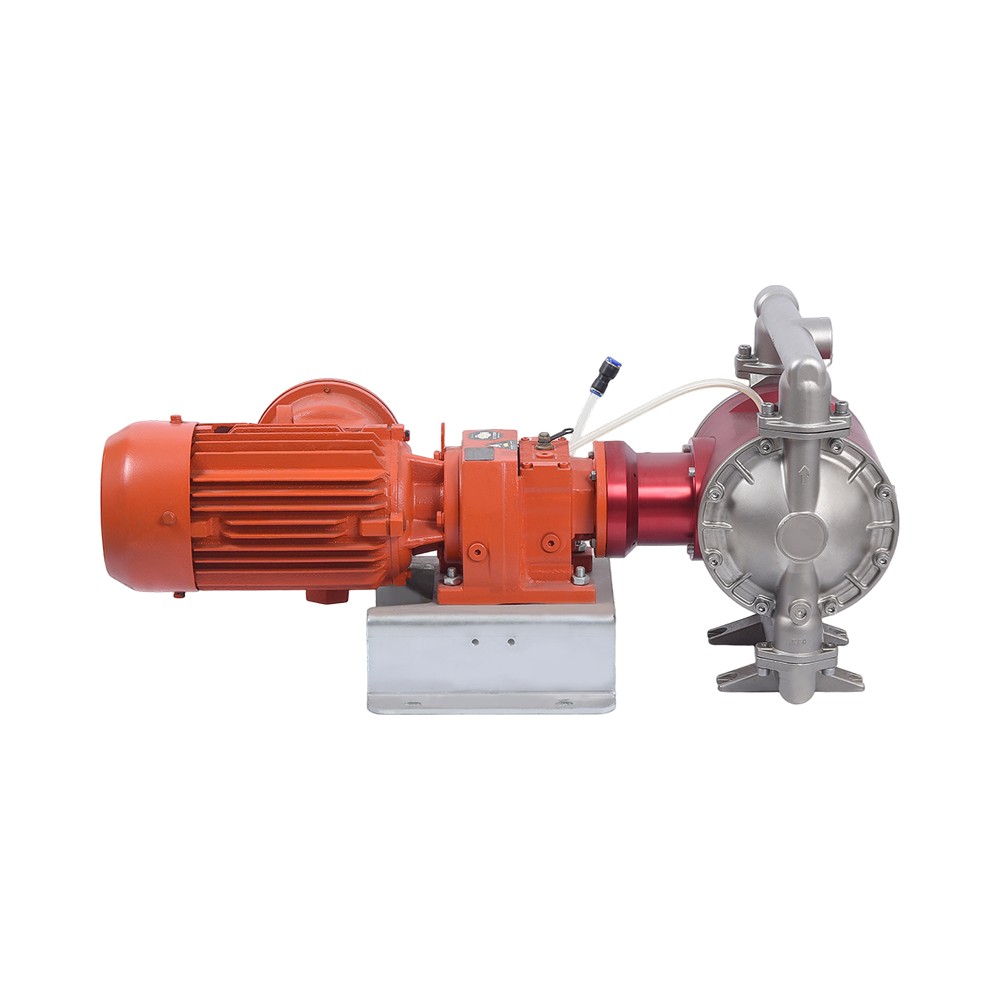
The diaphragm itself can be driven by compressed air (air-operated diaphragm pumps), a mechanical linkage connected to a motor-driven cam or crankshaft (mechanically actuated diaphragm pumps), or a solenoid (electromagnetic diaphragm pumps), with the choice of actuation method largely determining the pump's typical flow capacity, pressure range, and ideal application.
Diaphragm Pumps vs. Other Common Pump Types
Comparing diaphragm pumps against centrifugal, piston, and peristaltic pumps highlights the specific performance trade-offs that make diaphragm pumps the right choice for some applications and the wrong choice for others.
| Pump Type | Pump Category | Dry-Run Tolerance | Flow vs. Pressure Behavior |
| Diaphragm pump | Positive displacement | Good — can run dry briefly without damage | Relatively consistent flow regardless of pressure |
| Centrifugal pump | Dynamic / kinetic | Poor — dry running risks seal and bearing damage | Flow rate drops significantly as pressure increases |
| Piston pump | Positive displacement | Fair, varies by design | Consistent flow, capable of very high pressure |
| Peristaltic pump | Positive displacement | Excellent — naturally tolerant of dry running | Consistent flow, generally limited to lower pressure |
| Gear pump | Positive displacement | Poor — dry running risks gear and seal wear | Consistent flow, well suited to viscous fluids |
Caption: Comparison of diaphragm pumps against other common pump types by classification category, dry-run tolerance, and flow-pressure behavior.
Which Types of Diaphragm Pumps Exist, and How Do They Differ?
The three main diaphragm pump categories — air-operated double diaphragm (AODD), mechanically actuated, and electromagnetic — differ primarily in their power source and resulting flow capacity, making the choice between them dependent heavily on the application's required flow rate, available utilities, and environment.
| Diaphragm Pump Type | Power Source | Typical Flow Range | Common Application |
| Air-operated double diaphragm (AODD) | Compressed air | Moderate to high | Industrial transfer, hazardous/flammable fluid handling |
| Mechanically actuated | Electric motor with cam/crankshaft | Low to moderate | Metering, dosing, chemical injection |
| Electromagnetic (solenoid) | Electric solenoid | Low | Small appliances, aquarium and medical devices |
Caption: Common diaphragm pump subtypes by power source, typical flow capacity range, and the applications each subtype is best suited for.
Why Air-Operated Double Diaphragm (AODD) Pumps Dominate Industrial Use
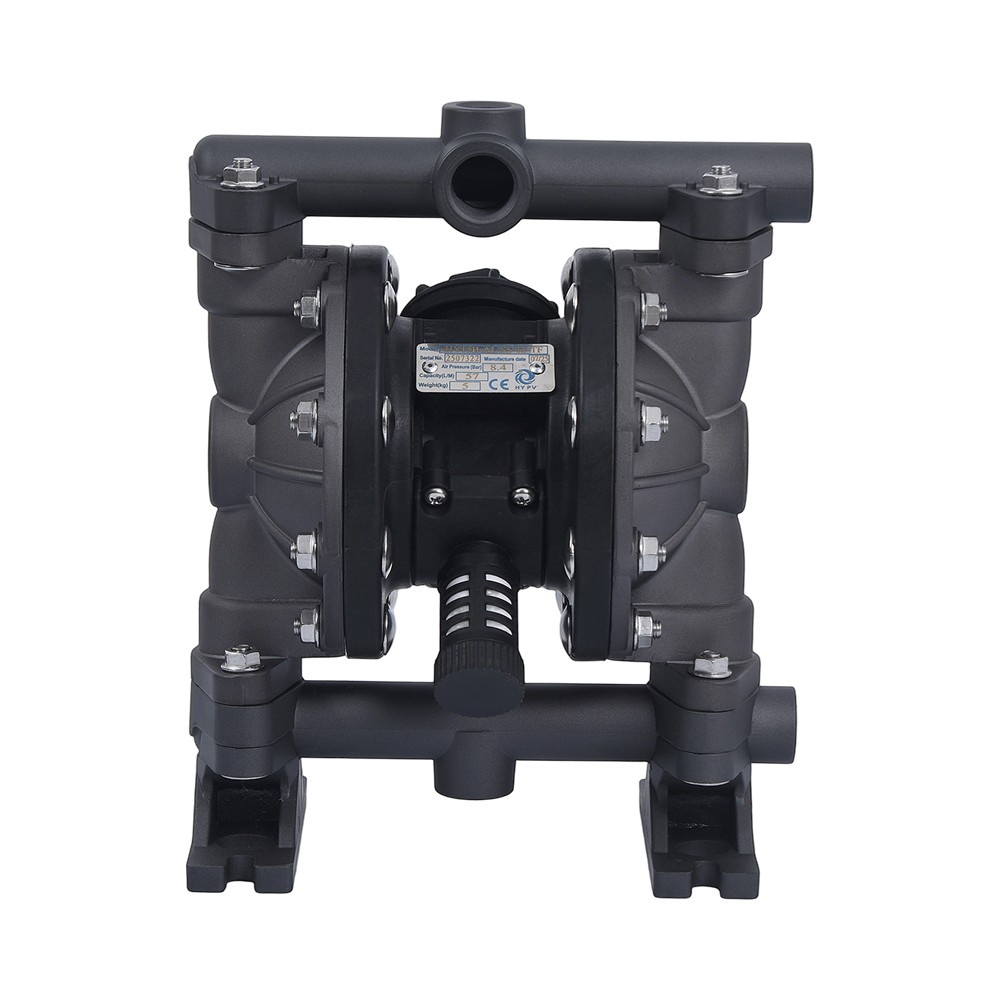
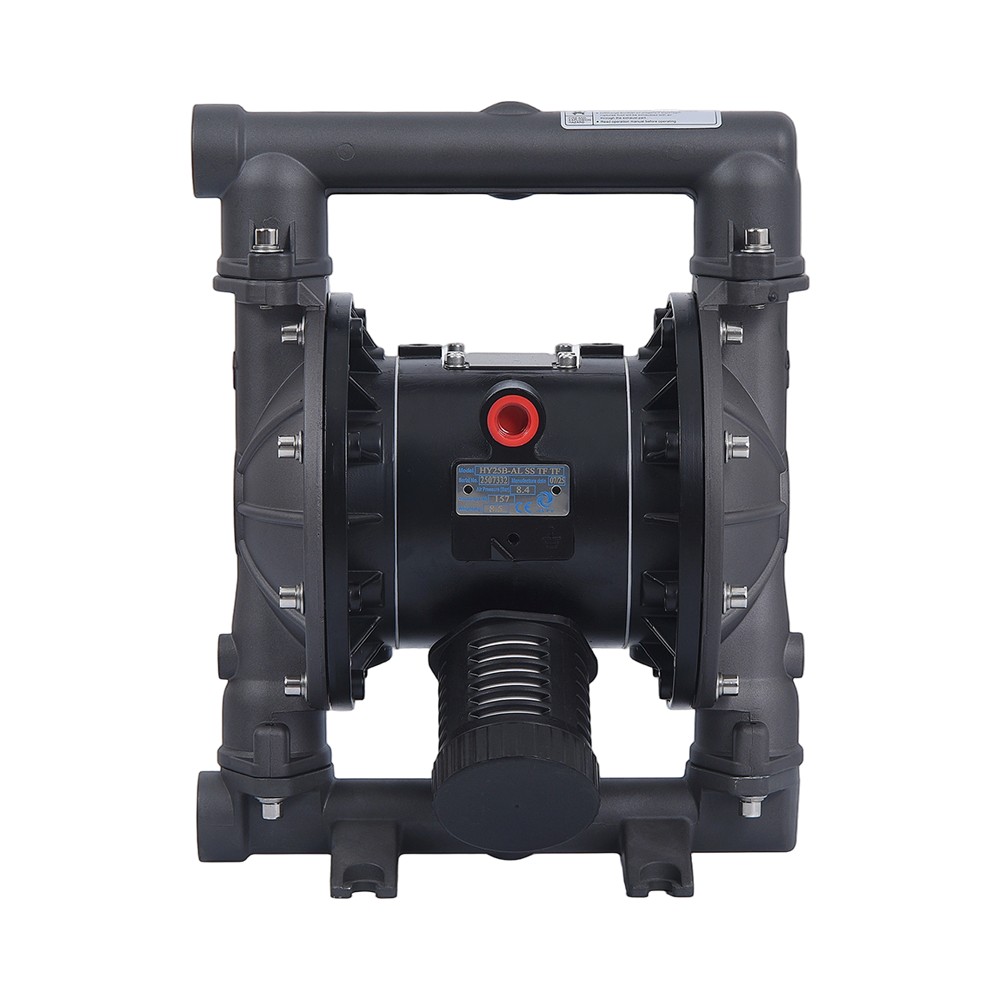
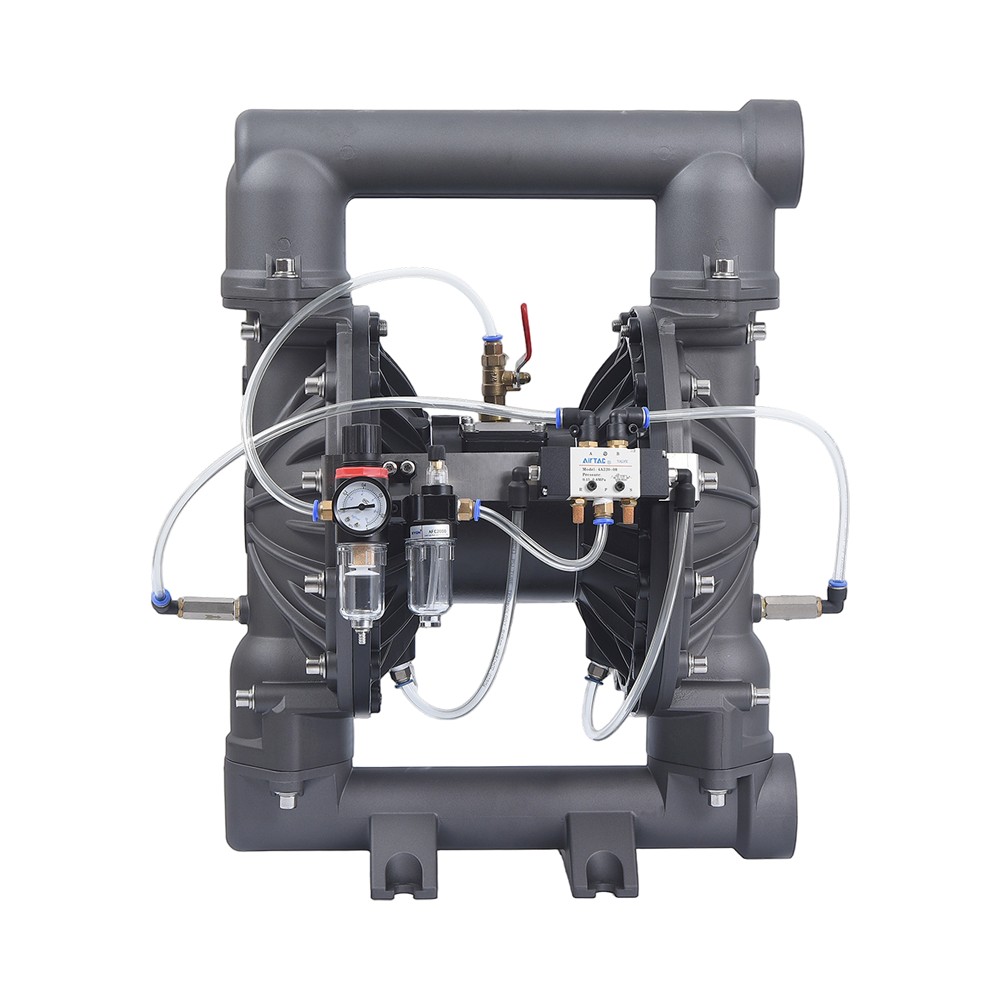
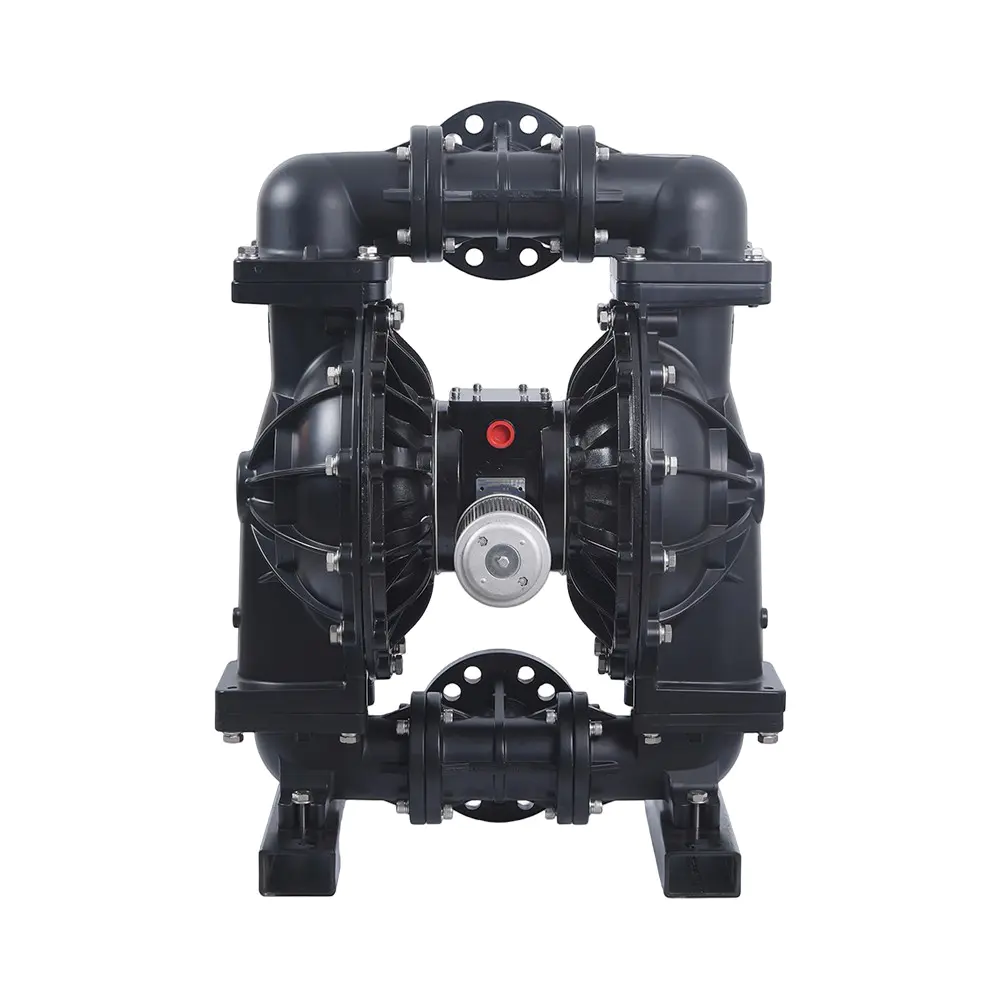
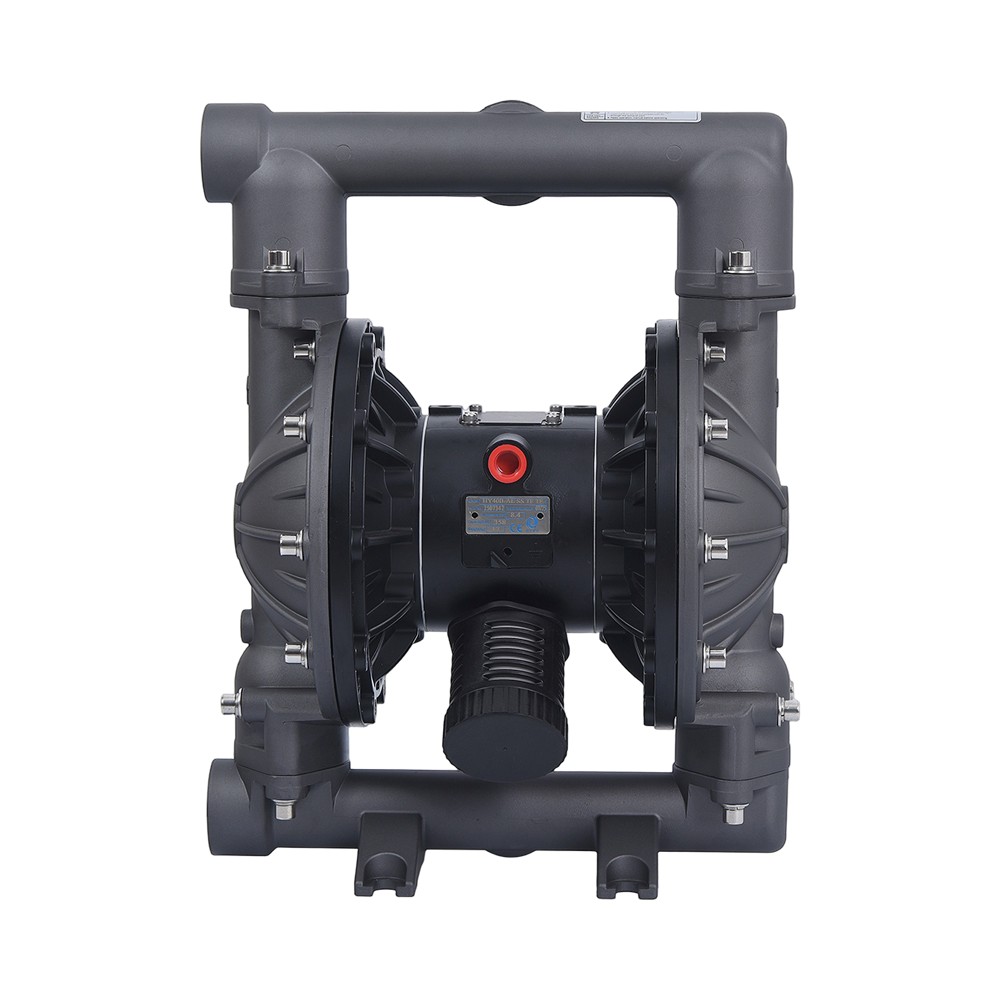
AODD pumps use two opposing diaphragms connected by a shared shaft, with compressed air alternately pushing one diaphragm while the other retracts, creating continuous, pulsing flow without relying on any electrical components inside the pump itself — a critical safety advantage when handling flammable, explosive, or hazardous fluids in environments where electrical ignition sources must be avoided. This electricity-free operation is one of the biggest reasons AODD pumps are the standard choice in industries like chemical processing, paint and coatings manufacturing, and fuel transfer.
What Makes Diaphragm Pumps Well Suited to Difficult Fluids?
Diaphragm pumps handle abrasive, viscous, and solids-laden fluids better than many other pump types because the diaphragm and check valves are typically the only components in direct contact with the pumped fluid, with no tight-tolerance rotating parts like an impeller or gear set that abrasive particles could quickly wear down or jam.
- Abrasive slurries — Mining and wastewater applications often use diaphragm pumps specifically because the simple check-valve design tolerates suspended solids and grit far better than close-tolerance rotating equipment.
- High-viscosity fluids — Thick fluids like adhesives, resins, and heavy oils can be moved effectively since the diaphragm's positive displacement action isn't as dependent on fluid viscosity as centrifugal designs, which lose efficiency rapidly as viscosity increases.
- Shear-sensitive fluids — Certain food, pharmaceutical, and biological fluids that could be damaged by high-shear impeller designs are often better suited to the gentler displacement action of a diaphragm pump.
- Corrosive chemicals — Diaphragms and pump housings can be manufactured from chemically resistant materials like PTFE or specific elastomers, allowing diaphragm pumps to handle aggressive chemicals that would damage standard metal pump components.
Why Diaphragm Pumps Are the Standard Choice for Metering and Dosing
Because diaphragm pumps deliver a fixed, repeatable volume per stroke regardless of moderate pressure changes, they are widely used in metering and dosing applications where precise, consistent chemical or fluid delivery is critical — such as water treatment chemical injection, agricultural fertilizer dosing, and industrial process additive control.
The U.S. Environmental Protection Agency's guidance on water treatment processes specifically references metering pump accuracy as an important factor in achieving consistent chemical dosing for disinfection and water quality control, since under- or over-dosing treatment chemicals can have direct public health and regulatory compliance consequences. Mechanically actuated diaphragm pumps, with their precisely controllable stroke length and stroke frequency, are frequently specified in these applications specifically because of the fine, repeatable dosing control they provide compared to less precisely controllable pump types.
What Are the Main Limitations of Diaphragm Pumps?
Diaphragm pumps generally produce pulsing rather than perfectly smooth flow, have a finite diaphragm service life that requires periodic replacement, and typically offer lower maximum flow rates than comparably sized centrifugal pumps — limitations that matter for some applications more than others.
- Pulsing flow output — The cyclical expansion and contraction of the diaphragm naturally produces pulsing rather than perfectly steady flow, which can require a pulsation dampener in applications where smooth, continuous flow is specifically required.
- Diaphragm wear and replacement — The flexing diaphragm itself is a wear component that experiences continuous flexing stress, meaning it has a finite service life and requires periodic inspection and replacement as part of routine maintenance.
- Lower maximum flow rates — For very high-volume transfer applications, centrifugal pumps generally offer higher achievable flow rates at lower relative cost per unit of flow compared to diaphragm pumps of similar physical size.
- Air consumption (for AODD types) — Air-operated diaphragm pumps require a reliable, adequately sized compressed air supply, which adds an operating cost and infrastructure dependency not present with purely electric pump types.
Frequently Asked Questions About Diaphragm Pumps
Can a diaphragm pump run dry without being damaged?
Yes, generally — diaphragm pumps are well known for their ability to run dry for limited periods without damage, unlike centrifugal pumps, which depend on the pumped fluid itself for seal lubrication and cooling. This dry-running tolerance is one of the most frequently cited practical advantages of diaphragm pumps, particularly in applications like sump drainage or tank emptying where the pump may briefly run dry as the final fluid is removed.
Is a diaphragm pump self-priming?
Yes — diaphragm pumps are self-priming, meaning they can draw fluid up from a source positioned below the pump without needing the suction line manually filled with fluid beforehand, a capability that comes directly from their positive displacement design generating strong suction force during the intake stroke. This is a significant practical advantage over many centrifugal pumps, which often require manual priming before they can begin pumping effectively.
What materials are diaphragm pumps typically made from?
Diaphragm pump bodies are commonly available in materials like polypropylene, aluminum, stainless steel, and various specialty alloys, while diaphragms themselves are typically made from rubber compounds, PTFE, or other flexible elastomers chosen specifically for chemical compatibility with the fluid being pumped. Material selection is driven primarily by the specific fluid's chemical properties and the application's temperature and pressure requirements rather than a single universal "best" material across all use cases.
How often does a diaphragm need to be replaced?
Diaphragm service life varies considerably based on the fluid being pumped, operating pressure, cycle frequency, and diaphragm material, ranging anywhere from several months in harsh, continuous-duty industrial applications to several years in lighter-duty or intermittent use cases. Most manufacturers recommend periodic visual inspection as part of routine maintenance to catch early signs of wear, such as small cracks or thinning, before a diaphragm fails completely during operation.
Can diaphragm pumps handle solids or slurries?
Yes, many diaphragm pump designs are specifically built to handle fluids containing suspended solids or particulates, since the pump's check-valve-based design generally tolerates solids passage better than tight-clearance rotating equipment like gear or vane pumps. The specific particle size and concentration a given pump can handle depends on the model's check valve design and ball/seat clearances, so checking manufacturer specifications against your specific slurry characteristics remains important.
Why are diaphragm pumps commonly used for hazardous or flammable liquids?
Air-operated double diaphragm pumps, which contain no internal electrical components and use compressed air rather than electricity as their power source, eliminate a major potential ignition source when handling flammable or explosive liquids, making them a preferred choice in industries like chemical processing and fuel handling where electrical equipment near volatile fluids presents a meaningful safety risk. This inherent design safety advantage is one of the primary reasons AODD pumps remain the standard in these specific high-risk fluid-handling environments.
Conclusion
A diaphragm pump is fundamentally a positive displacement pump, and that single classification explains nearly every practical advantage it offers — reliable self-priming, tolerance for dry running, consistent flow regardless of moderate pressure changes, and strong compatibility with abrasive, viscous, or hazardous fluids that would challenge other pump designs. Whether you're choosing between an air-operated, mechanically actuated, or electromagnetic diaphragm pump, or deciding whether a diaphragm pump is the right category of equipment at all compared to a centrifugal alternative, understanding this core classification gives you the clearest foundation for making that decision correctly.
From water treatment dosing to industrial chemical transfer to simple aquarium aeration, diaphragm pumps continue to serve such a wide range of applications precisely because their underlying positive displacement mechanism solves a consistent set of fluid-handling challenges that other pump categories simply aren't built to address as effectively.