

 EN
EN
 English
 Français
 Español
 عربى
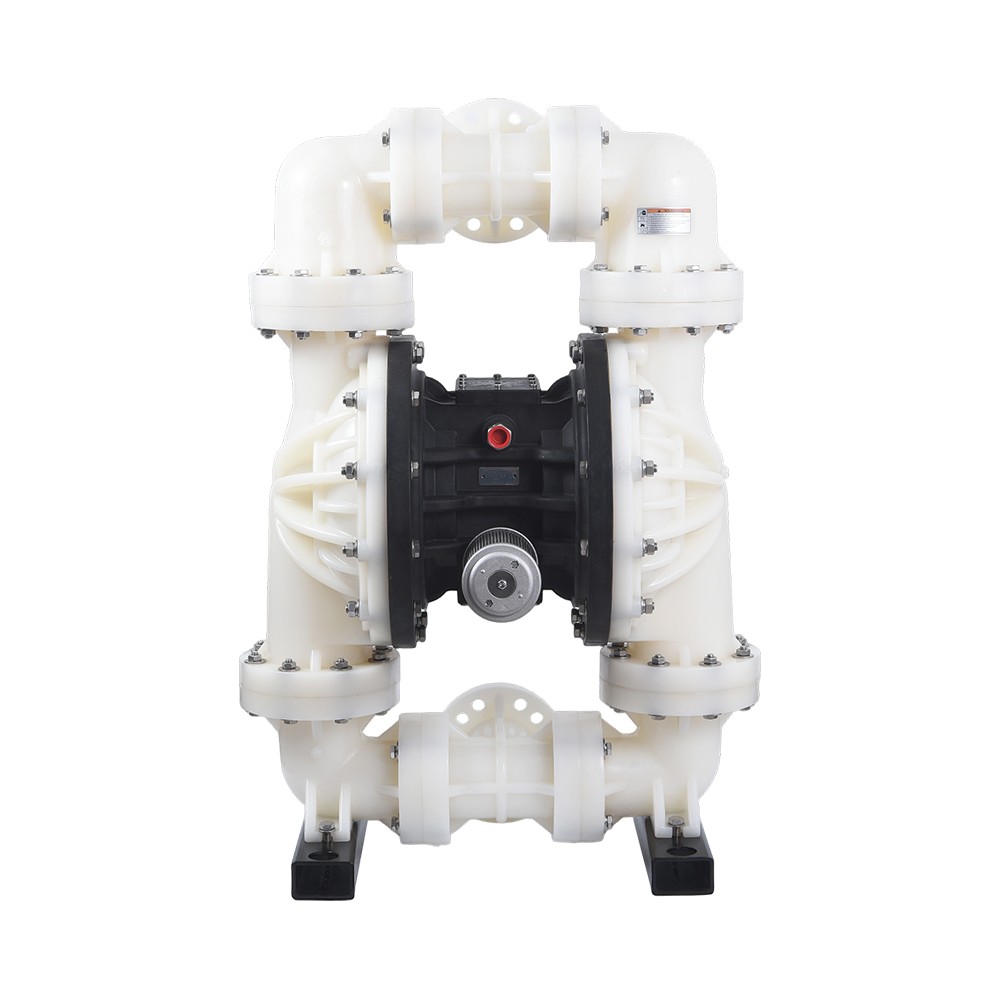
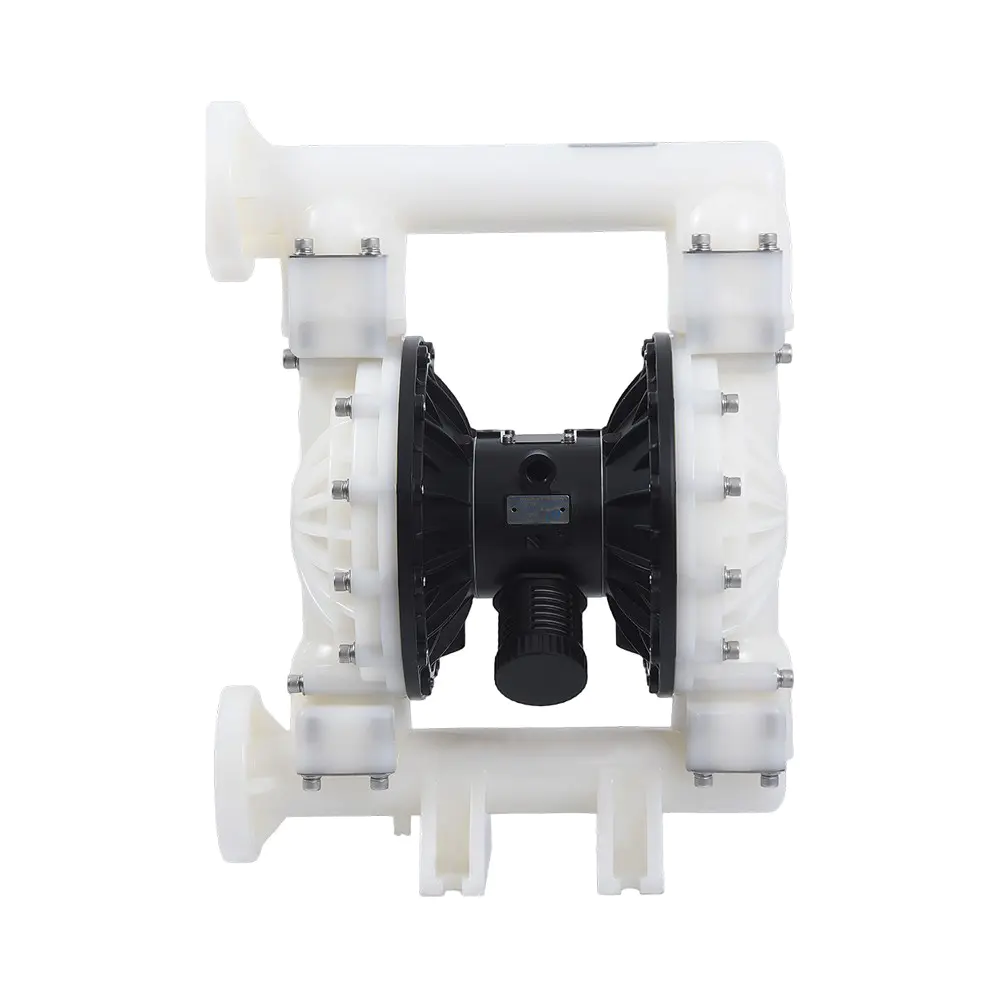
عربىA diaphragm pump is used for transferring, dosing, and spraying fluids that are abrasive, corrosive, viscous, or contain suspended solids, across industries ranging from chemical processing and pharmaceuticals to wastewater treatment, food and beverage production, agriculture, mining, and paint manufacturing. Its core advantage is mechanical: a flexible membrane creates a sealed pumping chamber that moves fluid without any seals, packing, or moving parts ever touching the liquid itself, which is why diaphragm pumps can run dry indefinitely, self-prime from a stopped position, and handle fluids that would destroy a typical centrifugal pump. Below, this guide breaks down exactly how the pump works, which industries depend on it most, how it compares to other pump types, and what to consider when choosing one for a specific application.
Content
- 1 How Does a Diaphragm Pump Actually Work?
- 2 What Industries Rely on Diaphragm Pumps the Most?
- 3 What Specific Tasks Is a Diaphragm Pump Used For Day to Day?
- 4 Why Choose a Diaphragm Pump Over Other Pump Types?
- 5 Air-Operated vs Electric vs Hydraulic Diaphragm Pumps: Which Is Right for Your Application?
- 6 Diaphragm Pumps vs Centrifugal Pumps: What Is the Real Difference?
- 7 Single Diaphragm vs Double Diaphragm Pumps: Why Does It Matter?
- 8 What Should You Consider Before Choosing a Diaphragm Pump?
- 9 Frequently Asked Questions
- 9.1 Can a diaphragm pump run dry without damage?
- 9.2 What fluids can a diaphragm pump handle?
- 9.3 Are diaphragm pumps safe for hazardous or explosive environments?
- 9.4 How efficient is a diaphragm pump compared to other pump types?
- 9.5 What is the difference between an AODD pump and an electric diaphragm pump?
- 9.6 Can diaphragm pumps handle solids without clogging?
How Does a Diaphragm Pump Actually Work?
A diaphragm pump moves fluid by flexing a membrane back and forth inside a chamber, drawing liquid in on the intake stroke and forcing it out on the discharge stroke. According to Wikipedia's engineering overview, a diaphragm pump is a positive displacement pump that combines the reciprocating motion of a rubber, thermoplastic, or PTFE diaphragm with check valves on either side of the chamber to move fluid in a controlled, one-directional cycle. As the diaphragm moves in one direction, the chamber volume increases, pressure drops, and fluid is drawn in through an inlet check valve; as the diaphragm reverses, the chamber volume decreases, pressure rises, and the fluid is pushed out through an outlet check valve.
This action is frequently compared to the way a human heart pumps blood, contracting and relaxing to create the pressure differential that drives circulation, or to the piston in an internal combustion engine. The defining engineering benefit of this design is the hermetic seal the diaphragm creates between the drive mechanism and the fluid chamber, which allows the pump to transfer, compress, or evacuate liquid entirely without lubricants and without any risk of the drive train contaminating or leaking into the pumped fluid.
What Industries Rely on Diaphragm Pumps the Most?
Chemical processing, pharmaceuticals, food and beverage manufacturing, wastewater treatment, mining, and agriculture rely on diaphragm pumps the most because each of these industries regularly handles fluids that are corrosive, abrasive, viscous, or otherwise difficult for standard pumps to manage safely.
- Chemical and paint manufacturing: Diaphragm pumps mix, load, and transfer acrylics, solvents, resins, pigments, and additives between different stages of production, where corrosion resistance and leak-free sealing are critical to both product integrity and worker safety.
- Pharmaceutical production: The pumps support accurate, safe transfer of solvents, acids, bases, and other active ingredients across every stage of formulation and production, where precision and contamination control are non-negotiable.
- Food and beverage processing: Diaphragm pumps move juices, sauces, dairy products, and other liquid ingredients while maintaining hygiene standards and avoiding contamination, a requirement that the pump's seal-less internal design supports directly.
- Municipal wastewater treatment: Treatment plants depend on diaphragm pumps to cost-effectively move sanitary sewage, return activated sludge, and waste activated sludge, fluids that would quickly damage pumps not designed for solids and abrasive content.
- Mining and construction: Diaphragm pumps dewater excavations and move mud, slurry, sludge, and silt on job sites, where abrasive solids content makes many other pump designs impractical.
- Agriculture: Crop spraying, irrigation, and fertilizer transport rely on the pump's self-priming ability and its capacity to convey dirt and small solids without clogging.
What Specific Tasks Is a Diaphragm Pump Used For Day to Day?
Day to day, a diaphragm pump is used for fluid transfer, chemical dosing, spray applications, dewatering, and vacuum generation across both industrial plants and field environments. In automotive and general manufacturing settings, the pumps handle fuel transfer, lubrication systems, coolant circulation, and spray painting, where precise and controlled fluid delivery is required at every stage. In laboratory and environmental monitoring contexts, diaphragm pumps collect and transport samples to test facilities and power air samplers and water quality analyzers, taking advantage of the pump's ability to generate a clean, low-grade vacuum without contaminating the sample stream.
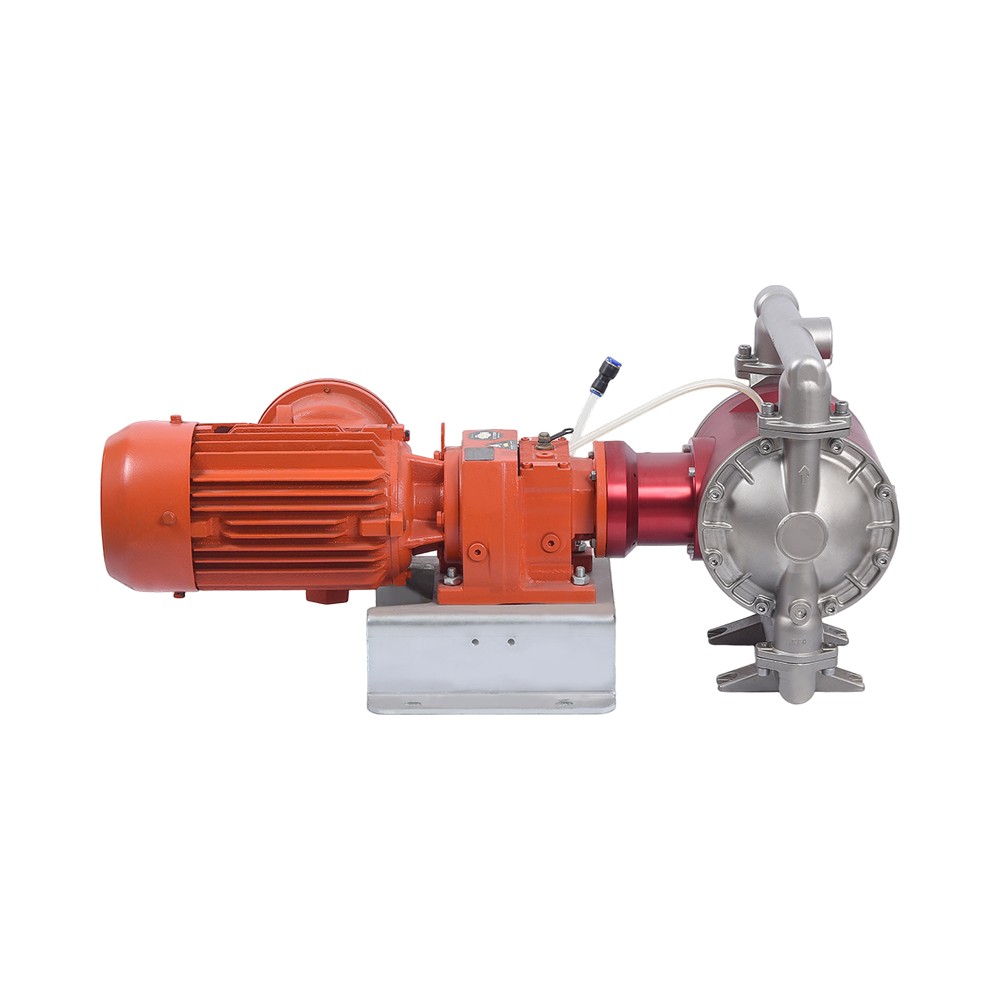
High-pressure variants, which use hydraulic fluid rather than air or an electric motor to move the diaphragm, extend the pump's reach into oil refineries, chemical dosing systems, and water purification plants, where precision under significant pressure is required. On the opposite end of the spectrum, small mechanically activated diaphragm pumps are also used as air compressors and low-grade vacuum sources, valued because, unlike many alternative designs, diaphragm compressors are quiet, inexpensive, and have no moving parts in direct contact with the air stream.
Why Choose a Diaphragm Pump Over Other Pump Types?
The main reasons to choose a diaphragm pump over alternatives are its self-priming ability, dry-run tolerance, leak-free sealing, and broad chemical compatibility, all of which stem directly from the same flexible-membrane design. Unlike centrifugal pumps, diaphragm pumps do not require manual priming before startup, which saves setup time and reduces the risk of operator error in field conditions. The pumps will also run dry indefinitely without damage and are self-priming from a completely empty start, a combination that makes them especially valuable in applications where supply lines might run intermittently empty, such as tank stripping or mobile dewatering.
Efficiency is another strong selling point. Engineering references note that diaphragm pumps can reach efficiencies of up to 97 percent, a figure that reflects how little energy is lost to internal friction or leakage compared with pump designs that rely on rotating seals exposed directly to the pumped fluid. Because a multitude of different diaphragm elastomer materials can be selected for the wetted components, the same basic pump architecture can be configured for compatibility with highly corrosive chemical solutions simply by changing the diaphragm and valve materials, rather than redesigning the pump itself.
Air-Operated vs Electric vs Hydraulic Diaphragm Pumps: Which Is Right for Your Application?
Air-operated diaphragm pumps are best for hazardous or remote locations without reliable power, electric diaphragm pumps are best for energy efficiency and precise flow control, and hydraulic diaphragm pumps are best for high-pressure industrial applications. Choosing between the three comes down to power availability, flow precision needs, and the operating environment.
| Pump Type | Power Source | Best Suited For | Key Limitation |
| Air-Operated (AODD) | Compressed air | Hazardous, remote, or explosion-risk sites | High energy cost, prone to icing in cold conditions |
| Electric (EODD) | Electric motor | Indoor, noise-sensitive, energy-conscious operations | Requires stable electrical supply |
| Hydraulic | Hydraulic fluid pressure | Oil refineries, high-pressure dosing, water purification | Higher system complexity and cost |
Table 1. Comparison of air-operated, electric, and hydraulic diaphragm pump types by power source, ideal use case, and primary limitation, based on industrial pump manufacturer guidance.
The energy difference between air-operated and electric models is substantial enough to influence purchasing decisions on its own. Industry sources report that electric diaphragm pumps can reduce energy consumption by as much as 80 percent compared with air-operated equivalents, since the AODD design loses significant energy compressing and venting air with every stroke, while an electric motor converts power into diaphragm motion far more directly.
Diaphragm Pumps vs Centrifugal Pumps: What Is the Real Difference?
A diaphragm pump is the better choice for abrasive, viscous, or corrosive fluids and intermittent operation, while a centrifugal pump is the better choice for high-volume, low-viscosity fluids in continuous service. The fundamental difference comes down to pumping principle: diaphragm pumps are positive displacement pumps that move a fixed volume of fluid with each stroke regardless of pressure, while centrifugal pumps use a spinning impeller to add velocity to the fluid, a method that performs best with thin, consistent liquids and loses efficiency quickly as viscosity or solids content rises.
| Characteristic | Diaphragm Pump | Centrifugal Pump |
| Pumping Principle | Positive displacement, reciprocating diaphragm | Centrifugal force from a rotating impeller |
| Self-Priming | Yes, from a fully dry start | Generally no, requires manual priming |
| Dry-Run Tolerance | Indefinite, no damage | Limited, risk of seal and bearing damage |
| Handling Abrasive/Viscous Fluids | Excellent | Poor to moderate |
| Best Flow Type | Lower to moderate flow, pulsating | High flow, smooth and continuous |
| Typical Setting | Chemical dosing, slurry transfer, dewatering | Water distribution, HVAC, large-volume transfer |
Table 2. Comparison of diaphragm pumps and centrifugal pumps across the operating characteristics most relevant to pump selection.
Single Diaphragm vs Double Diaphragm Pumps: Why Does It Matter?
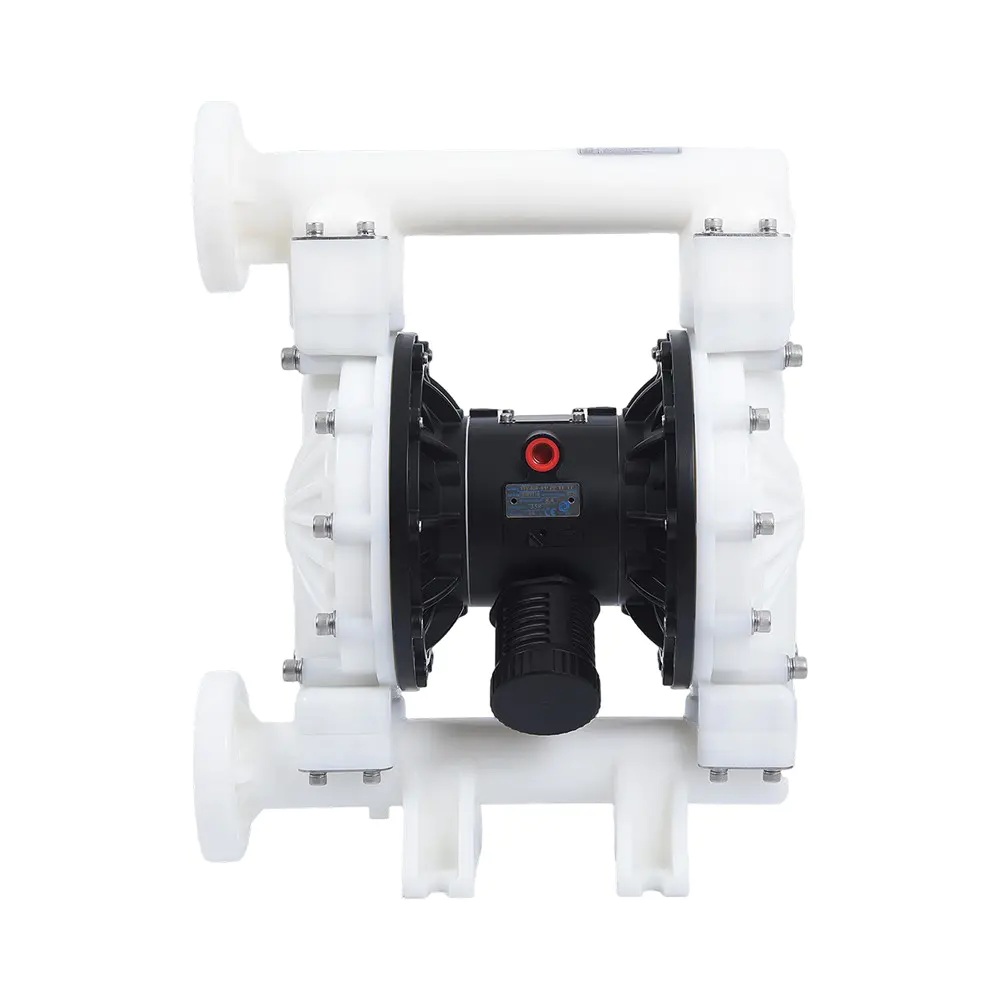
A double diaphragm pump delivers more consistent flow and greater reliability under demanding conditions than a single diaphragm pump, which is why most industrial applications standardize on the double-diaphragm design despite its added mechanical complexity. A single diaphragm pump uses one membrane to move fluid and is typically simpler in design, making it a reasonable choice for applications where the fluid is not overly abrasive or viscous, but single diaphragm pumps face real limitations in handling high pressures or more demanding fluid characteristics.
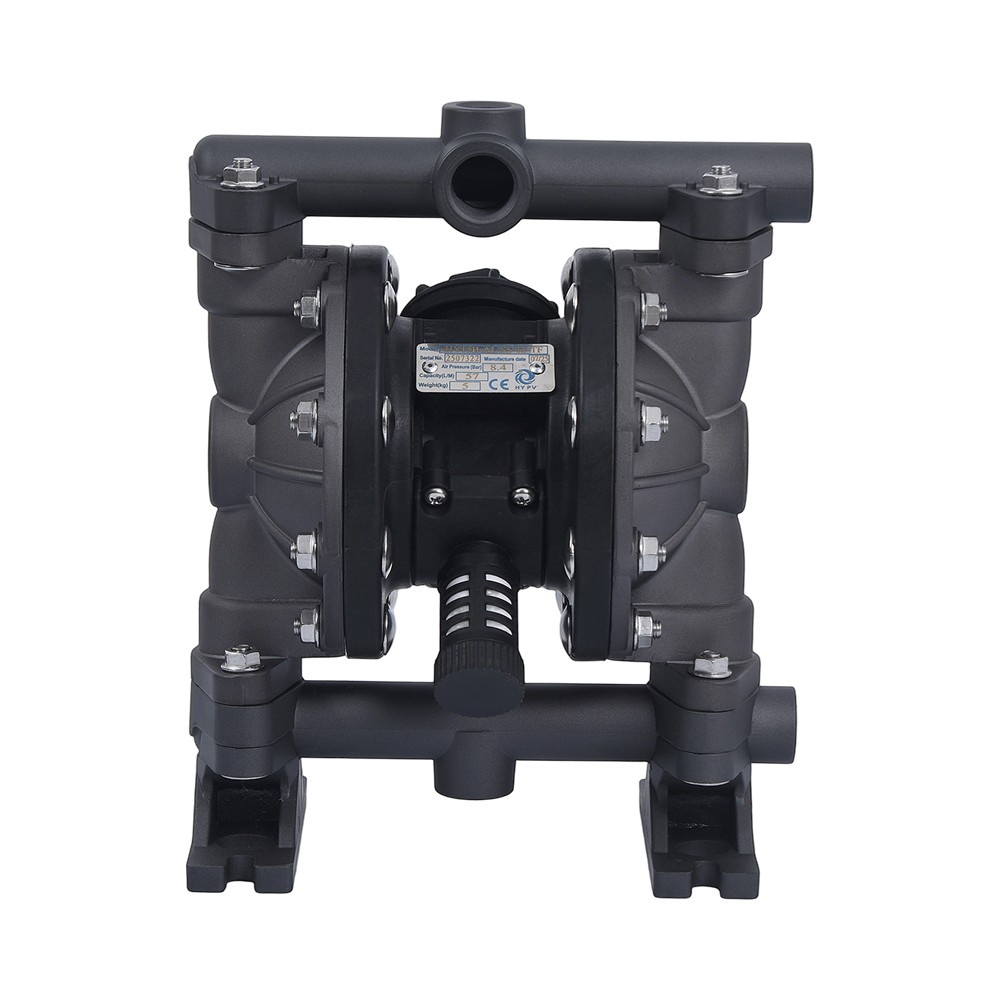
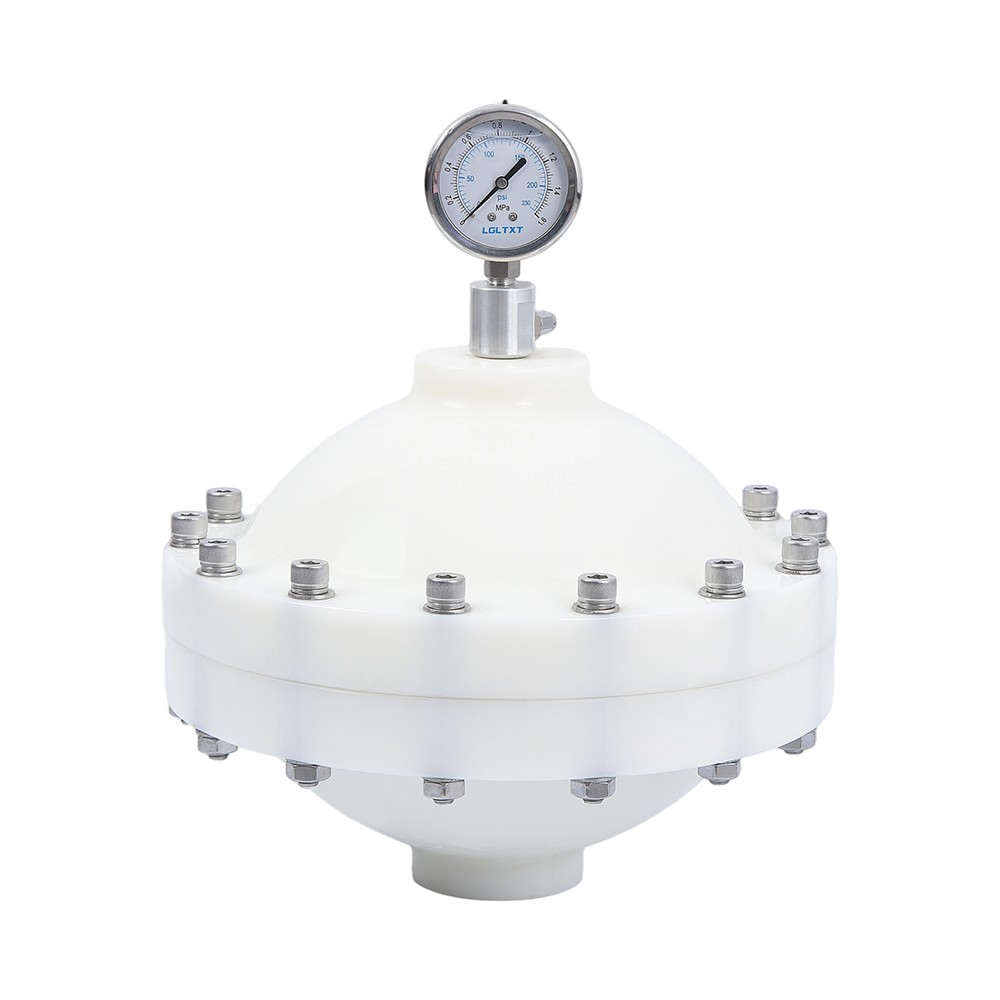
Double diaphragm pumps improve on this by using two diaphragms working in tandem, with one chamber discharging while the other fills, which smooths out the pulsation inherent to a single-chamber design and allows for higher-demand, more continuous-feeling flow. This is the configuration most commonly seen in pneumatic air-operated double diaphragm pumps, often abbreviated AODD, which remain a dominant choice across chemical, mining, and wastewater applications specifically because of this dual-chamber reliability.
What Should You Consider Before Choosing a Diaphragm Pump?
Fluid characteristics, required flow rate and pressure, available power source, and material compatibility are the four factors that should drive any diaphragm pump selection. Skipping any one of these considerations is the most common reason a pump underperforms or fails prematurely in the field.
- Fluid type: Determine whether the fluid is abrasive, corrosive, viscous, or contains solids, since thicker fluids generally require a pump with a larger port to avoid clogging and excess wear.
- Flow rate and pressure requirements: Match the pump's rated flow and discharge pressure to the application's needs, keeping in mind that electric diaphragm pumps generally offer more precise control for processes requiring consistency.
- Power source availability: An unreliable or absent electrical supply points toward an air-operated pump, while a stable power source and a need for quieter, more energy-efficient operation points toward an electric model.
- Wear and corrosion resistance: For high-abrasion fluids, prioritize durable diaphragm and valve materials; for corrosive media, chemical compatibility between the fluid and the pump's wetted materials is essential to avoid premature failure.
Valve design also deserves attention for thicker or solids-laden fluids. Flapper valve pumps are generally preferred for thinner liquids with less than 15 percent solids content, while ball valve pumps are the better option for thicker liquids above that threshold or liquids that dry quickly, since ball valves are capable of breaking up solid material and resisting the clogging that would stall a flapper-valve design.
Frequently Asked Questions
Can a diaphragm pump run dry without damage?
Yes. A diaphragm pump can run dry indefinitely without damage and is self-priming from a fully dry start, a major advantage over pump designs that rely on the fluid itself for seal lubrication and cooling.
What fluids can a diaphragm pump handle?
Diaphragm pumps handle an exceptionally wide range of fluids, including water, viscous liquids, abrasive slurries, corrosive chemicals, and fluids containing suspended solids. The specific elastomer and valve materials used in a given pump are chosen based on the chemical compatibility and abrasiveness of the fluid being moved.
Are diaphragm pumps safe for hazardous or explosive environments?
Air-operated diaphragm pumps are widely used in hazardous and explosion-risk environments because they do not require electricity and therefore carry a much lower risk of generating sparks compared with electrically driven equipment. This makes them a preferred choice in chemical plants and other settings where flammable atmospheres are a concern.
How efficient is a diaphragm pump compared to other pump types?
Diaphragm pumps can reach efficiencies of up to 97 percent according to engineering references, and electric diaphragm pump models specifically can cut energy consumption by up to 80 percent compared with air-operated equivalents, making the electric variant a strong choice where energy costs are a priority.
What is the difference between an AODD pump and an electric diaphragm pump?
An AODD, or air-operated double diaphragm pump, uses compressed air to shift the diaphragm and is favored for remote or hazardous locations without reliable electricity, while an electric diaphragm pump uses an electric motor to achieve the same reciprocating motion with greater energy efficiency, more consistent flow rate, and generally quieter operation.
Can diaphragm pumps handle solids without clogging?
Yes, particularly ball valve diaphragm pumps, which are specifically designed to break up solid material and handle liquids with more than 15 percent solids content, making them well suited to slurry, sludge, and mud transfer in mining, construction, and wastewater applications.
In short, a diaphragm pump is used for any task where reliable, leak-free fluid transfer matters more than raw flow volume, particularly when the fluid involved is abrasive, corrosive, viscous, or solids-laden. From chemical dosing and pharmaceutical formulation to wastewater treatment, mining dewatering, and agricultural spraying, the pump's sealed, valve-controlled design gives it a level of versatility that few other pump types can match. Matching the right drive type, whether air-operated, electric, or hydraulic, along with the correct diaphragm and valve materials to the specific fluid and operating conditions, is the most reliable way to get long-term, trouble-free performance out of the investment.