

 EN
EN
 English
 Français
 Español
 عربى
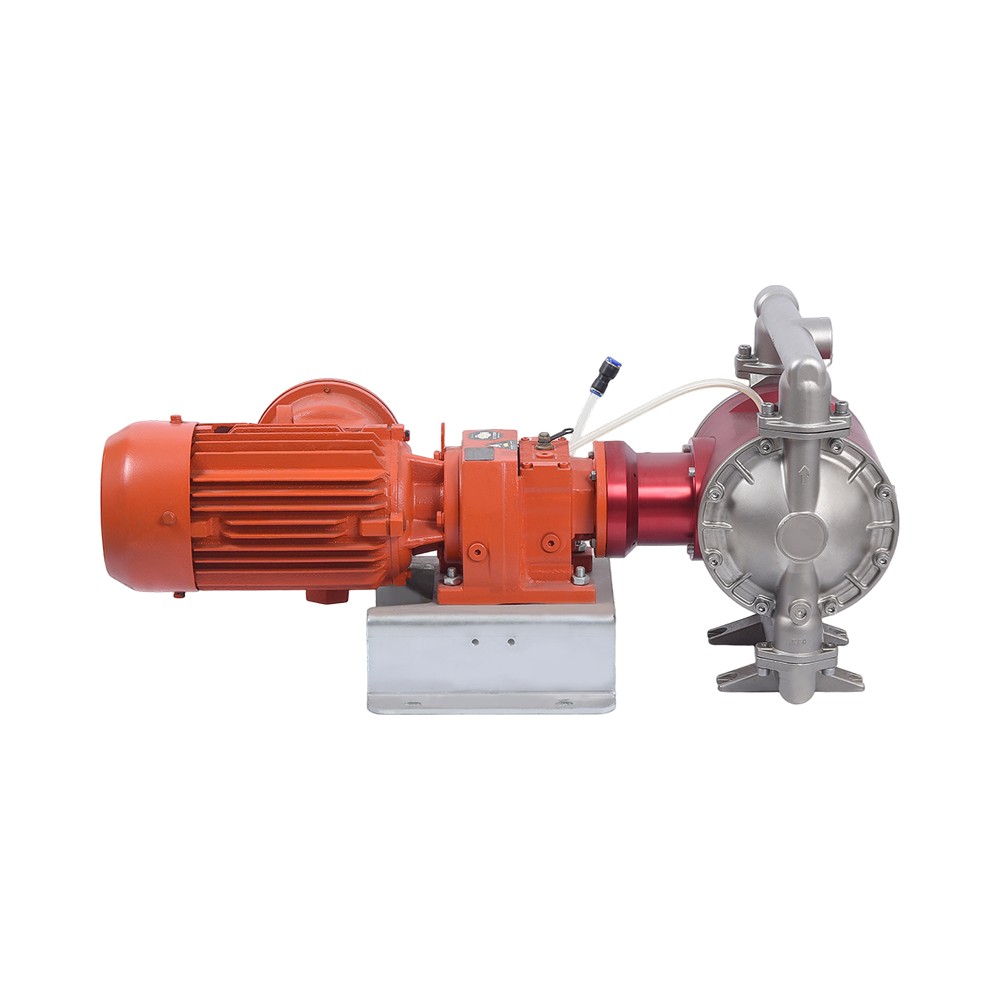
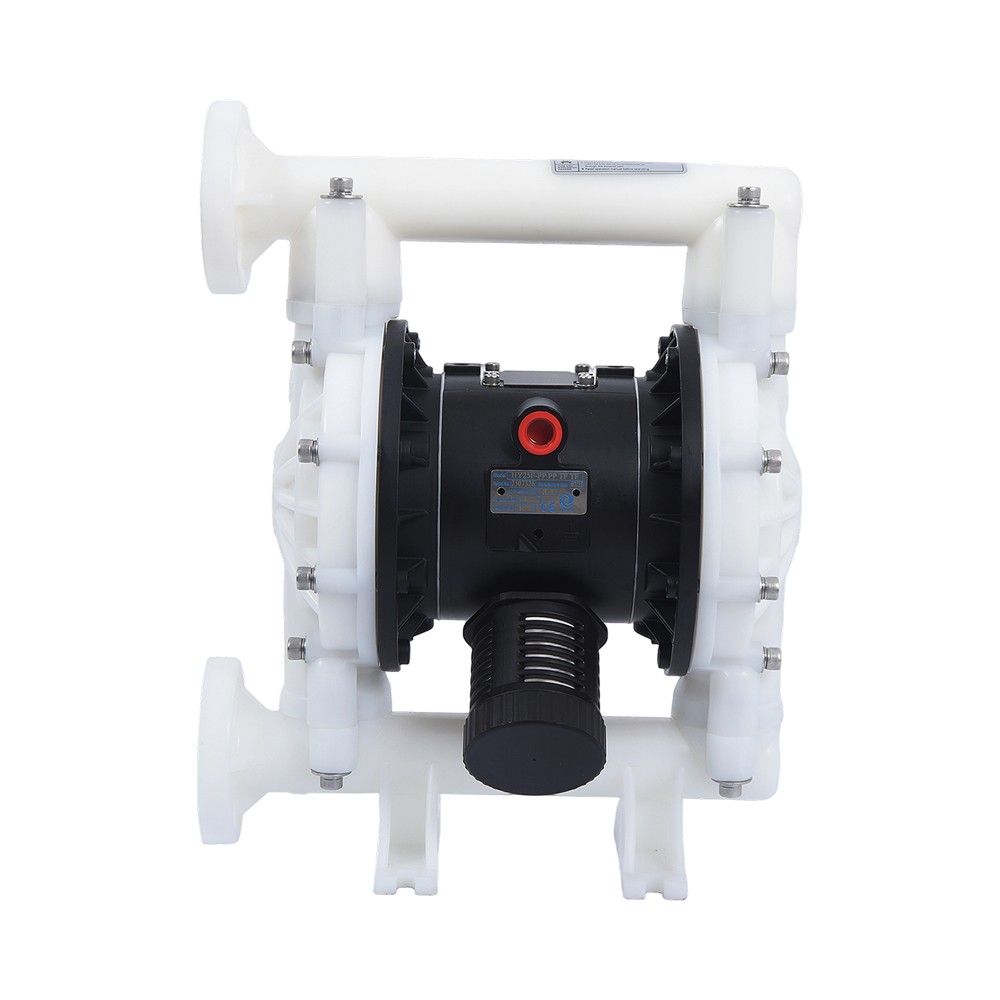
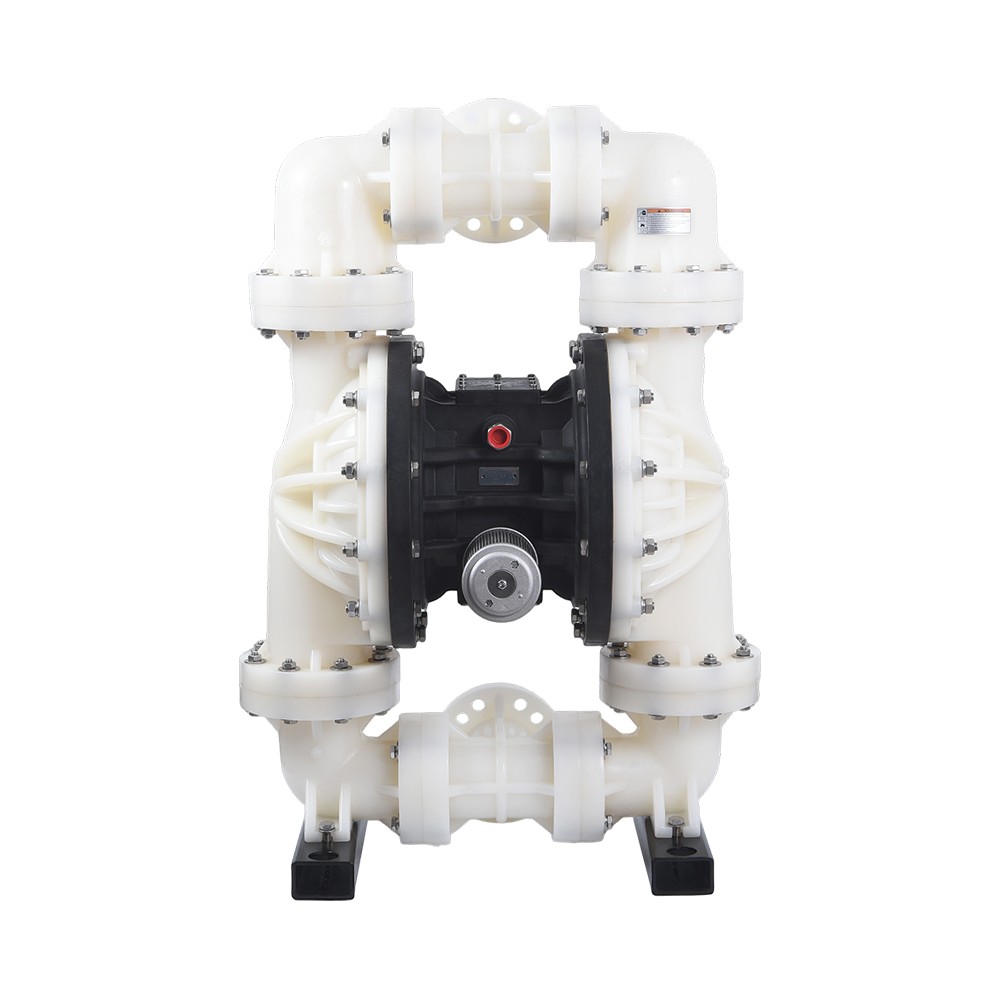
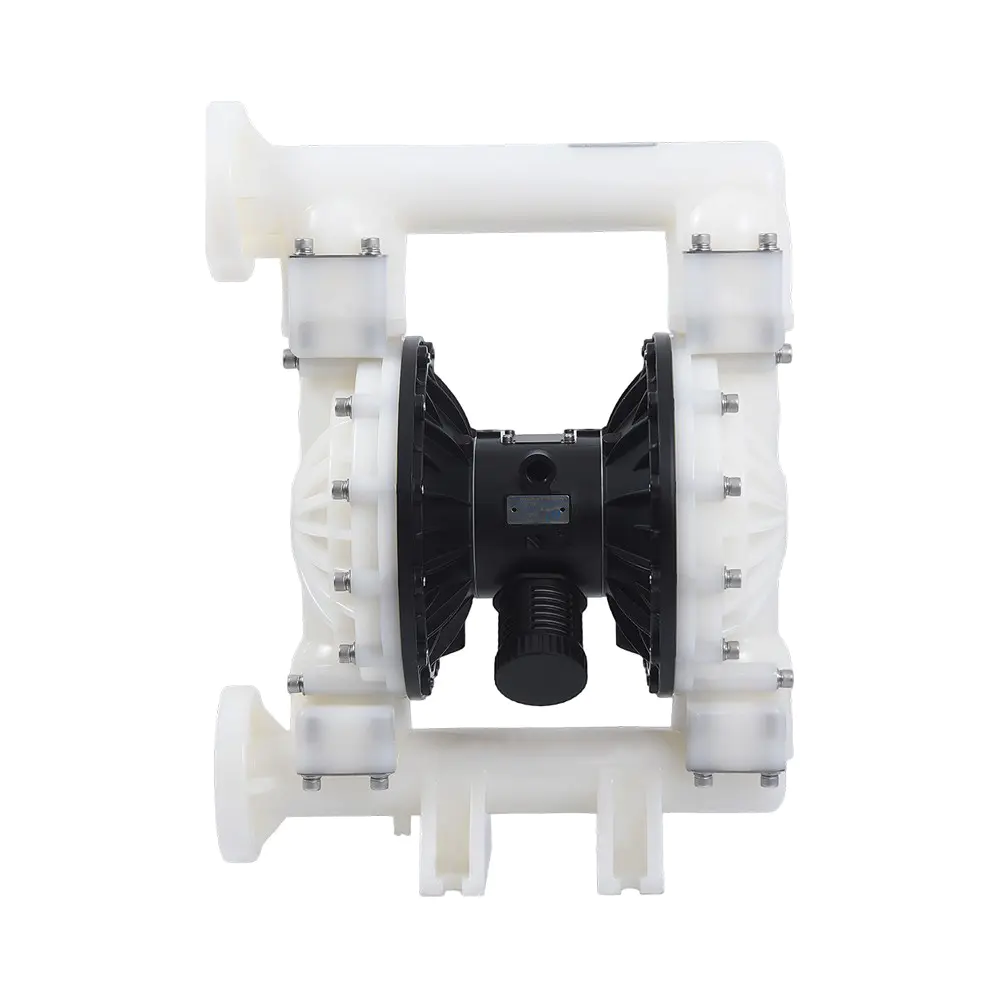
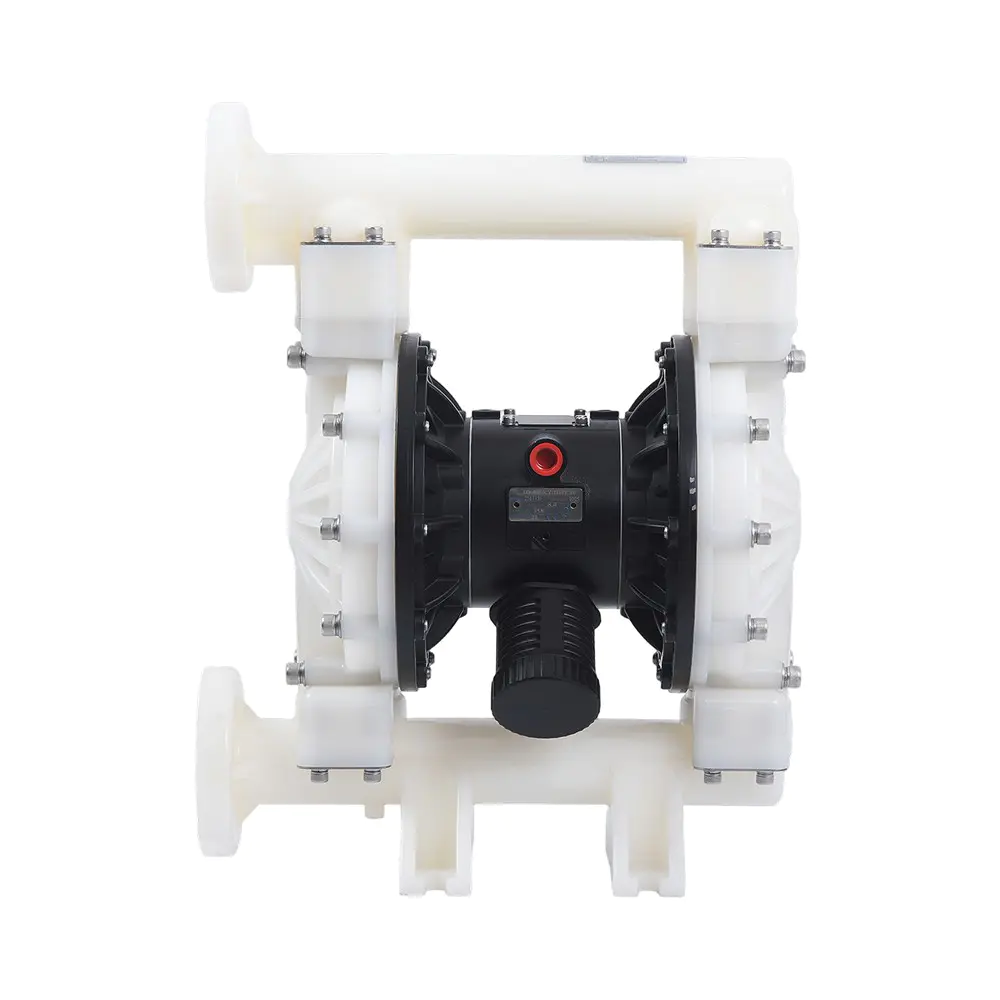
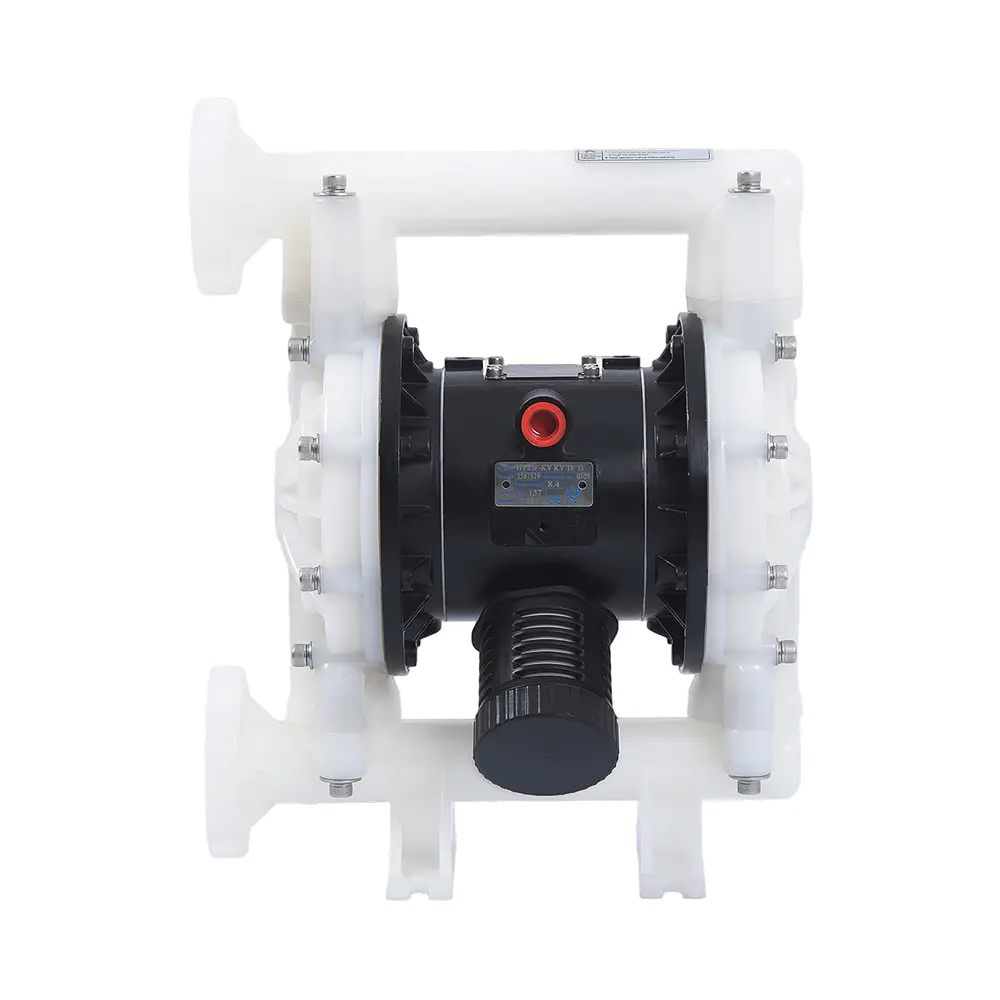
عربىDouble diaphragm pumps — also known as air-operated double diaphragm pumps (AODD pumps) — are positive displacement pumps that use two flexible membranes and compressed air to move fluids. They are widely regarded as one of the most versatile and reliable pumping solutions in industrial settings, capable of handling everything from thin solvents to thick, viscous slurries, corrosive chemicals, and even shear-sensitive materials. Whether you're managing wastewater, paint, food products, or hazardous chemicals, a double diaphragm pump can almost certainly handle the task.
Content
- 1 How Does a Double Diaphragm Pump Work?
- 2 Which Materials Are Double Diaphragm Pumps Made From?
- 3 Why Choose a Double Diaphragm Pump Over Other Pump Types?
- 4 What Industries Use Double Diaphragm Pumps?
- 5 How to Choose the Right Double Diaphragm Pump
- 6 What Are the Key Specifications to Understand?
- 7 How to Maintain a Double Diaphragm Pump for Maximum Service Life
- 8 Frequently Asked Questions About Double Diaphragm Pumps
- 8.1 Q1: Can double diaphragm pumps run continuously 24/7?
- 8.2 Q2: How much air do double diaphragm pumps consume?
- 8.3 Q3: Are double diaphragm pumps suitable for explosive or hazardous environments?
- 8.4 Q4: What is the difference between a double diaphragm pump and a single diaphragm pump?
- 8.5 Q5: Can I throttle or control the flow of a double diaphragm pump?
- 8.6 Q6: How do I reduce pulsation in a double diaphragm pump system?
- 8.7 Q7: What is the typical cost of a double diaphragm pump?
- 9 Summary: Why Double Diaphragm Pumps Remain an Industry Staple
How Does a Double Diaphragm Pump Work?
A double diaphragm pump operates through alternating pressure cycles driven by compressed air. At its core, the pump uses two flexible diaphragms connected by a central shaft. When compressed air enters one side, it pushes that diaphragm outward (discharge stroke), while simultaneously pulling the opposite diaphragm inward (suction stroke). This alternating motion creates a continuous, pulsating flow of fluid.
Step-by-Step Operation
- Step 1 — Air inlet: Compressed air enters the air distribution system (valve) and is directed to one diaphragm chamber.
- Step 2 — Pressure stroke: The pressurized diaphragm flexes outward, pushing fluid through the outlet check valve and into the discharge line.
- Step 3 — Suction stroke: Simultaneously, the opposite diaphragm is pulled inward, drawing fluid in from the inlet through the inlet check valve.
- Step 4 — Air valve switching: Once the diaphragm reaches full stroke, the air distribution valve automatically shifts, reversing the cycle.
- Step 5 — Continuous flow: The two alternating strokes create a near-continuous flow of fluid with minimal dead time.
Unlike centrifugal pumps, double diaphragm pumps are self-priming and can run dry without damage — a significant operational advantage in many industrial environments.
Which Materials Are Double Diaphragm Pumps Made From?
The right material selection determines chemical compatibility, temperature resistance, and service life. Double diaphragm pumps are available in a wide range of housing and diaphragm materials.
| Material | Best For | Typical Applications | Limitations |
| Polypropylene (PP) | Mild acids, alkalis | Water treatment, plating | Low temp resistance |
| PVDF (Kynar) | Strong acids, solvents | Chemical processing | Higher cost |
| Aluminum | Oils, paints, solvents | Manufacturing, automotive | Not for strong acids |
| Stainless Steel (316L) | Food-grade, sanitary use | Food & beverage, pharma | Heavier, more expensive |
| Cast Iron | Heavy-duty fluids | Mining, wastewater | Susceptible to rust |
Table 1: Common housing materials for double diaphragm pumps, their ideal uses, and key limitations.
Diaphragm Materials
The diaphragm itself is the most wear-prone component. Common diaphragm materials include:
- PTFE (Teflon): Maximum chemical resistance; suitable for nearly all fluids including concentrated acids. Typical service life: 3–5 million cycles.
- Neoprene: General-purpose use; excellent for oils and mild chemicals. Cost-effective option for standard applications.
- Buna-N (Nitrile): Superior oil and petroleum resistance; widely used in the automotive and lubrication industries.
- EPDM: Ideal for hot water, steam, and oxidizing chemicals; common in food-grade and pharmaceutical applications.
- Santoprene: Combines rubber flex with thermoplastic durability; long service life with good chemical resistance.
Why Choose a Double Diaphragm Pump Over Other Pump Types?
Double diaphragm pumps outperform many competing technologies in difficult fluid-handling environments. Their self-priming ability, dry-run tolerance, and near-zero maintenance requirements give them a decisive edge in real-world industrial operations.
| Feature | Double Diaphragm Pump | Centrifugal Pump | Gear Pump | Peristaltic Pump |
| Self-priming | Yes | No | Yes | Yes |
| Dry-run safe | Yes | No | No | Yes |
| Handles solids/abrasives | Yes | Limited | No | Yes |
| No electricity required | Yes (air-powered) | No | No | No |
| Shear-sensitive fluid safe | Yes | No | No | Yes |
| Submersible use | Yes | Limited | No | No |
Table 2: Feature comparison between double diaphragm pumps and common alternative pump types.
What Industries Use Double Diaphragm Pumps?
Double diaphragm pumps are deployed across dozens of industries thanks to their exceptional versatility. Nearly every sector that handles fluids — especially difficult ones — benefits from AODD technology.
Chemical Processing
Chemical plants rely on double diaphragm pumps to transfer aggressive acids, bases, and solvents. PTFE-lined AODD pumps are routinely used to handle sulfuric acid at concentrations up to 98% and sodium hydroxide solutions in batch processing. The pumps' ability to handle fluids at up to 120°C (248°F) makes them suitable for heated chemical transfer.
Mining and Slurry Transfer
In mining operations, double diaphragm pumps handle abrasive slurries containing particles up to 12mm in diameter. Cast iron or stainless steel models are deployed for dewatering pits, transferring ore concentrate, and managing tailings — environments where standard pumps fail within weeks.
Food and Beverage
Stainless steel double diaphragm pumps with EPDM or PTFE diaphragms meet FDA and 3-A sanitary standards. They are used for transferring yogurt, chocolate, tomato paste, beer yeast, and fruit pulp — thick, shear-sensitive products that would be damaged by high-speed centrifugal pumps. Flow rates in food-grade AODD pumps typically range from 10 to 800 liters per minute.
Wastewater and Environmental
Municipal and industrial wastewater facilities use double diaphragm pumps for sludge transfer, chemical dosing, and leachate management. The pumps' ability to run submerged and handle sewage sludge with up to 40% solids content makes them indispensable in treatment plants worldwide.
Coatings, Paints, and Adhesives
The manufacturing industry heavily relies on aluminum-body double diaphragm pumps for paint transfer, adhesive dispensing, and ink circulation. These pumps can handle viscosities up to 50,000 cP without losing efficiency — a task beyond most other pump types.
Pharmaceutical and Biotech
In pharmaceutical manufacturing, double diaphragm pumps transfer APIs (active pharmaceutical ingredients), cell cultures, and cleaning agents. The pumps' low shear operation ensures that delicate biological materials are not damaged during transfer, and their easy-to-clean design supports CIP (Clean-in-Place) procedures.
How to Choose the Right Double Diaphragm Pump
Choosing correctly requires evaluating five key parameters: fluid type, required flow rate, discharge pressure, solid particle size, and operating environment.
- Fluid compatibility: Always check the chemical resistance chart for both the pump body and the diaphragm material. A mismatch will cause premature failure. For example, PTFE diaphragms can last 3–5 times longer than Neoprene when handling ketone-based solvents.
- Flow rate requirements: AODD pumps are available from micro-size (as small as 6mm port diameter for laboratory use) to large industrial models handling flows up to 1,200 L/min. Match pump size to your peak demand, not average demand.
- Discharge pressure: Most double diaphragm pumps can generate discharge pressures equal to the supply air pressure — typically up to 8.6 bar (125 PSI). For higher pressures, specialized high-pressure AODD models are available up to 16 bar.
- Solid particle handling: Check the maximum solid size the pump can pass. Standard models handle particles up to 6mm; heavy-duty models pass particles up to 12–19mm. Using an undersized pump will cause frequent blockages.
- ATEX/explosion-proof requirements: For flammable or explosive environments, always select an ATEX-certified AODD pump. Since the pump is air-driven with no electrical components, it naturally qualifies for many ATEX zones — but the air valve and body must still meet certification standards.
What Are the Key Specifications to Understand?
Understanding the specification sheet of a double diaphragm pump is essential before purchase. Here are the most critical parameters explained:
| Specification | Typical Range | What It Means |
| Max Flow Rate | 6 – 1,200 L/min | Volume of fluid moved per minute at 0 back pressure |
| Max Discharge Pressure | Up to 8.6 bar (125 PSI) | Maximum pressure the pump can work against |
| Air Supply Pressure | 1.4 – 8.6 bar (20–125 PSI) | Required compressed air input range |
| Suction Lift | Up to 9 m (dry), 8 m (wet) | Height the pump can pull fluid from below |
| Max Solid Size | 3 – 19 mm | Largest solid particle the pump can safely pass |
| Air Consumption | 5 – 1,500 SCFM | Volume of compressed air used per minute |
| Max Fluid Temperature | Up to 120°C (248°F) | Maximum operating fluid temperature (varies by material) |
Table 3: Key technical specifications for double diaphragm pumps and their practical meaning.
How to Maintain a Double Diaphragm Pump for Maximum Service Life
Proper maintenance extends pump life significantly — well-maintained double diaphragm pumps routinely last 10 to 20 years in service. The most critical maintenance task is periodic diaphragm inspection and replacement.
Routine Maintenance Checklist
- Daily: Check for air leaks at fittings and connections; listen for unusual cycling patterns that may indicate a stalled valve or blocked check valve.
- Weekly: Inspect the air inlet filter/lubricator; drain any moisture from the air supply line to prevent icing of the air valve in cold environments.
- Monthly: Inspect check valves for wear, cracking, or debris buildup. A worn check valve is the leading cause of flow reduction in AODD pumps.
- Quarterly: Inspect diaphragms for signs of fatigue, cracking, or chemical degradation. Replace both diaphragms at the same time to ensure balanced operation.
- Annually: Full strip-down inspection of the air valve and distribution system; replace any worn O-rings and seals; verify torque on all clamping bolts.
Common Problems and Solutions
| Problem | Likely Cause | Solution |
| Pump stalls / won't cycle | Frozen or stuck air valve | Clean or replace air valve; add inline dryer/lubricator |
| Reduced flow rate | Worn or fouled check valves | Inspect and replace check valve balls/seats |
| Fluid in exhaust air | Diaphragm failure | Replace both diaphragms immediately |
| Excessive pulsation | No pulse dampener fitted | Install a pulsation dampener on the discharge line |
| Air leaking externally | Loose outer clamping bolts | Re-torque to manufacturer spec (typically 20–40 Nm) |
Table 4: Common double diaphragm pump problems, their causes, and recommended solutions.
Frequently Asked Questions About Double Diaphragm Pumps
Q1: Can double diaphragm pumps run continuously 24/7?
Yes. Double diaphragm pumps are designed for continuous operation. However, running at maximum speed 24/7 will accelerate diaphragm wear. It is recommended to run the pump at 60–80% of maximum stroke rate for the longest service life. Many industrial facilities use AODD pumps in three-shift operations for years without diaphragm replacement by following this guideline.
Q2: How much air do double diaphragm pumps consume?
Air consumption depends heavily on flow rate and back pressure. As a general rule, AODD pumps consume approximately 1.5–2.5 standard cubic feet of air per gallon of fluid pumped at moderate back pressure. Running a 2-inch (50mm) AODD pump at maximum flow (approximately 250 L/min) may consume 300–500 SCFM of air. Always verify your compressed air system capacity before sizing the pump.
Q3: Are double diaphragm pumps suitable for explosive or hazardous environments?
Yes — this is one of their major advantages. Since double diaphragm pumps are entirely air-driven with no electrical motors or components, they are inherently safe for ATEX Zone 1 and Zone 2 environments. They are widely used in petrochemical refineries, solvent-based coating facilities, and explosive storage areas where electrically driven equipment is prohibited.
Q4: What is the difference between a double diaphragm pump and a single diaphragm pump?
A single diaphragm pump has one membrane and produces an intermittent, one-directional flow — it only pumps on the pressure stroke, not the return stroke. A double diaphragm pump has two membranes working in opposition, so it delivers fluid on both strokes, producing a more continuous and balanced flow. Double diaphragm pumps also have significantly higher flow capacity and better self-priming characteristics than single diaphragm models.
Q5: Can I throttle or control the flow of a double diaphragm pump?
Yes. Flow rate in an AODD pump is directly controlled by adjusting the inlet air pressure and air volume. Reducing the supply air pressure slows the stroke rate and reduces flow. For more precise control, an air flow control valve on the inlet provides proportional flow adjustment. Some advanced installations use electronic air regulators connected to a PLC for automated flow control.
Q6: How do I reduce pulsation in a double diaphragm pump system?
Pulsation is inherent in AODD pump operation. The most effective solution is to install a pulsation dampener on the discharge line, which absorbs pressure spikes and delivers a smoother flow. For precision applications such as spray coating or laboratory fluid delivery, dampeners are essential. Some pump designs also incorporate internal dampening chambers that reduce pulsation by up to 90% without external accessories.
Q7: What is the typical cost of a double diaphragm pump?
Pricing varies widely based on size, material, and configuration. Small polypropylene AODD pumps (1/4" to 1/2" port) start from approximately $150–$400. Standard 1-inch aluminum or polypropylene models for general industrial use range from $400–$1,000. Larger stainless steel or PVDF models for chemical or food-grade applications typically cost $1,500–$5,000 or more. Replacement diaphragm kits cost $30–$300 depending on size and material.
Summary: Why Double Diaphragm Pumps Remain an Industry Staple
Double diaphragm pumps have maintained their position as one of the most trusted fluid transfer technologies in industry for over 60 years — and for very good reasons. Their ability to handle virtually any fluid, from ultra-thin solvents to thick abrasive slurries, combined with intrinsic safety, self-priming ability, and minimal maintenance requirements, makes them genuinely irreplaceable in many applications.
Key selection criteria — fluid compatibility, flow rate, pressure requirements, solid handling capacity, and operating environment — should all be carefully evaluated before purchase. With the right configuration, a well-maintained double diaphragm pump will deliver decades of reliable service, with operating costs far below those of comparable pump technologies.
Whether you're upgrading an existing installation, specifying equipment for a new facility, or troubleshooting an underperforming system, understanding the fundamentals of double diaphragm pump operation and selection is a valuable investment in operational efficiency and safety.