

 EN
EN
 English
 Français
 Español
 عربى
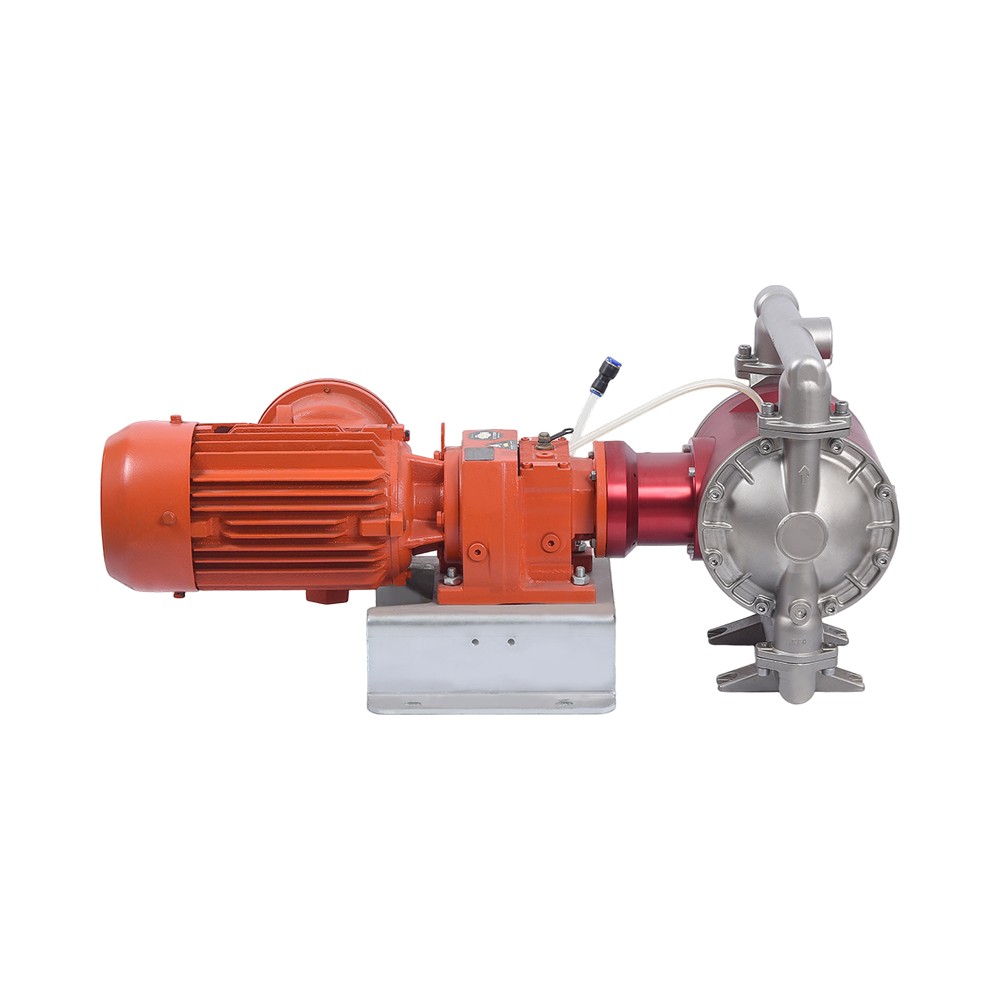
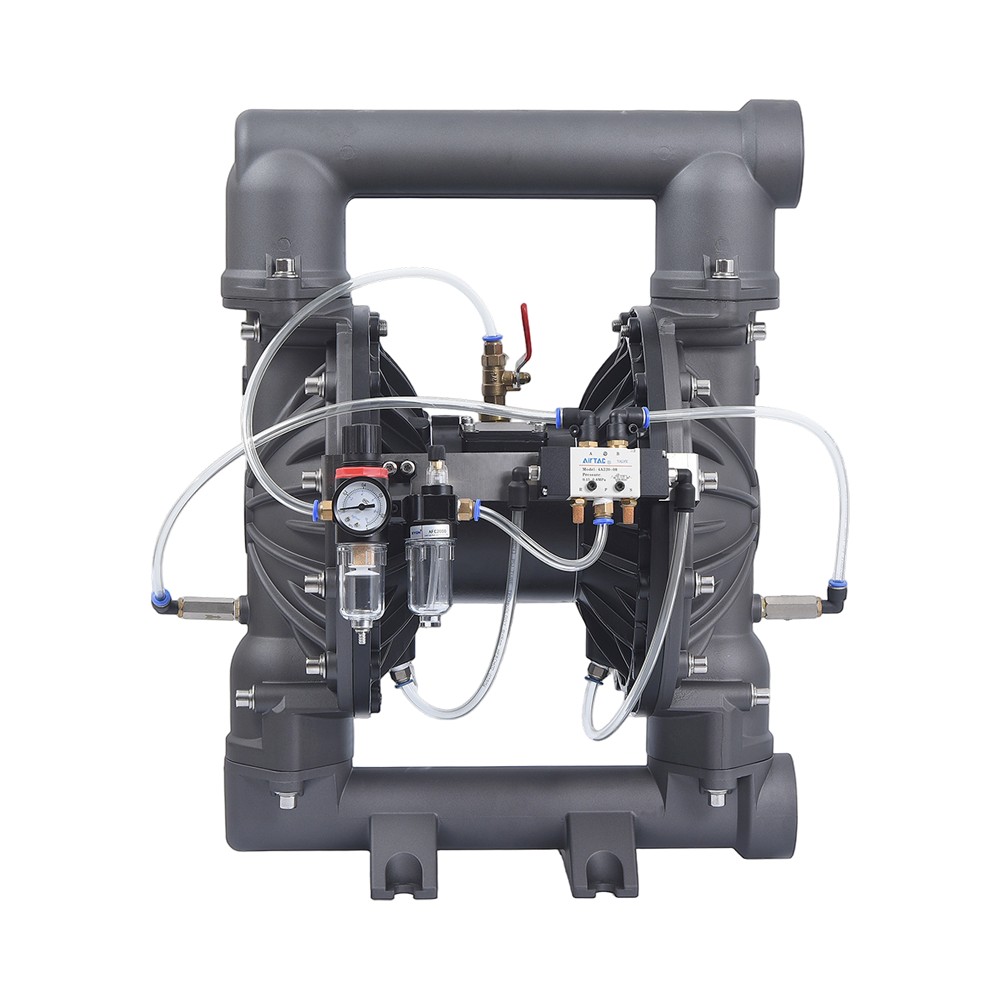
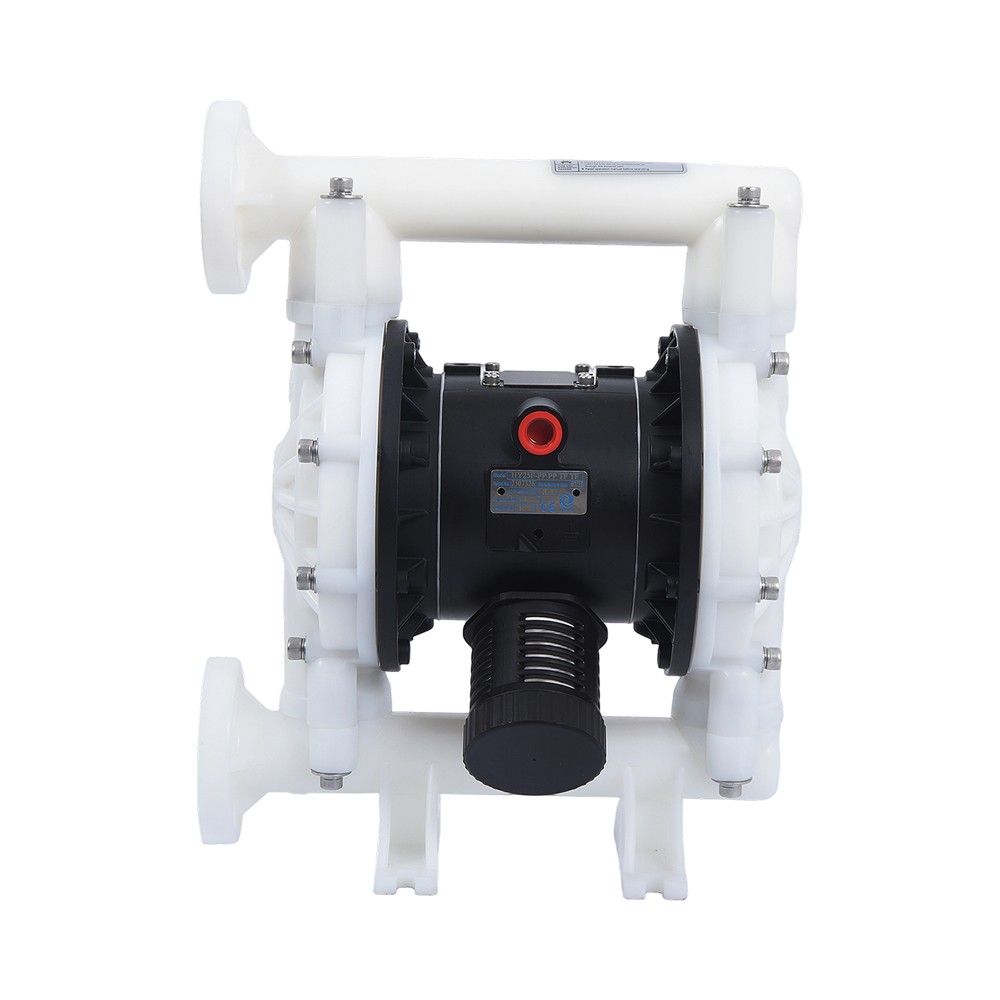
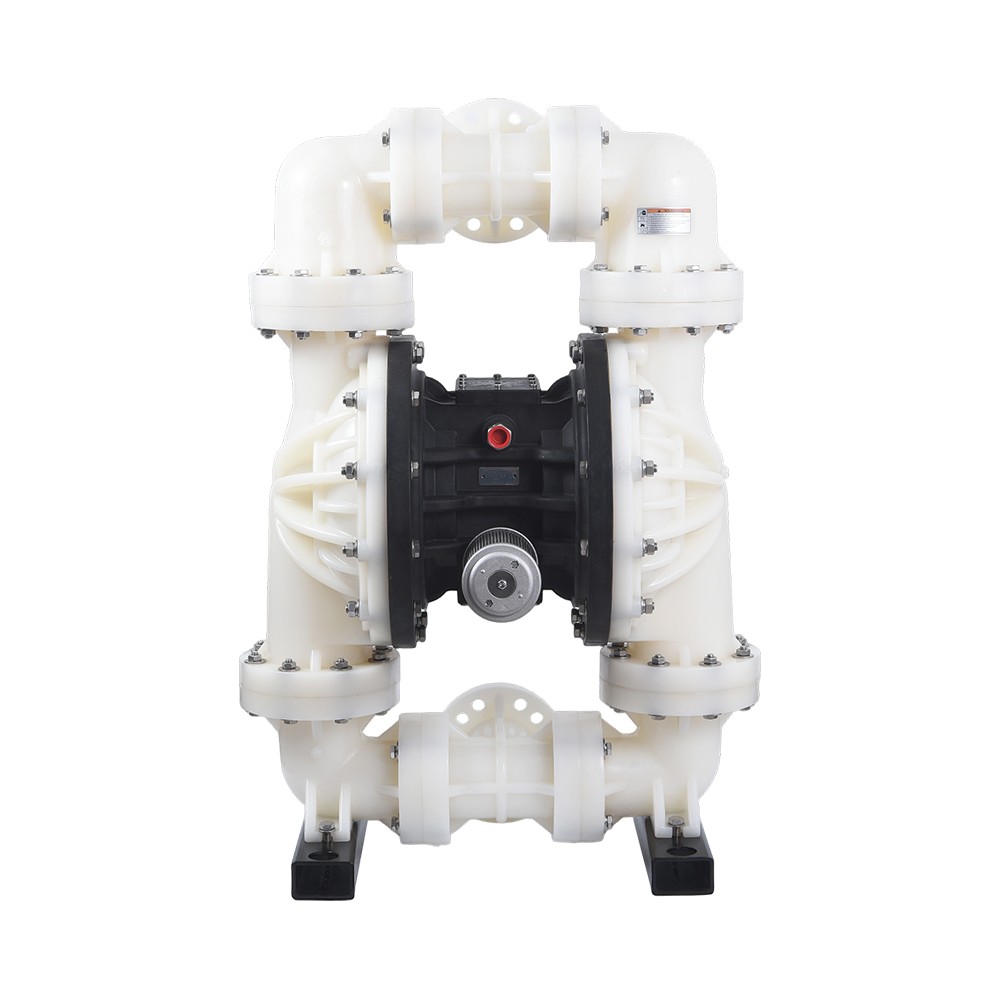
عربىAn electric diaphragm pump works by using an electric motor to drive a flexible membrane — the diaphragm — back and forth inside a pumping chamber, alternately creating suction and pressure to move fluid through a system of check valves. Unlike centrifugal pumps that rely on rotational velocity, an electric diaphragm pump is a positive displacement device: each stroke of the diaphragm displaces a fixed volume of fluid regardless of system backpressure, making it reliable for metering, dosing, and handling viscous or abrasive fluids. With operating flow rates from as low as 0.5 liters per hour in precision dosing pumps up to 1,200 liters per minute in industrial transfer models, and the ability to run dry without damage, the electric diaphragm pump is one of the most versatile fluid-handling solutions across industries ranging from water treatment and chemical processing to food production and agriculture.
Content
- 1 What Is an Electric Diaphragm Pump and How Is It Different from Other Pump Types?
- 2 How Does an Electric Diaphragm Pump Work: The Step-by-Step Mechanism
- 3 Key Components of an Electric Diaphragm Pump and What They Do
- 4 Types of Electric Diaphragm Pumps and Their Specific Applications
- 5 Where Are Electric Diaphragm Pumps Used? Key Industry Applications
- 6 Advantages and Limitations of Electric Diaphragm Pumps
- 7 How to Select the Right Electric Diaphragm Pump for Your Application
- 8 Frequently Asked Questions About Electric Diaphragm Pumps
- 8.1 Q: How long does the diaphragm in an electric diaphragm pump last?
- 8.2 Q: Can an electric diaphragm pump run dry without being damaged?
- 8.3 Q: What causes an electric diaphragm pump to lose prime or stop delivering flow?
- 8.4 Q: What is the difference between a single-diaphragm and a double-diaphragm electric pump?
- 8.5 Q: Are electric diaphragm pumps suitable for high-viscosity fluids like honey, paint, or slurry?
- 8.6 Q: How energy-efficient is an electric diaphragm pump compared to a pneumatic diaphragm pump?
- 9 Conclusion: Why the Electric Diaphragm Pump Remains an Engineering Essential
What Is an Electric Diaphragm Pump and How Is It Different from Other Pump Types?
An electric diaphragm pump is a positive displacement pump that uses electrical power — rather than compressed air — to actuate one or two flexible diaphragms, generating alternating vacuum and pressure cycles to draw in and expel fluid. The defining feature that sets it apart from other pump technologies is the complete physical separation between the pumped fluid and the drive mechanism, which means corrosive, toxic, or contamination-sensitive fluids never contact the motor or actuating components.
The most important distinctions between an electric diaphragm pump and other common pump types are:
- Vs. Centrifugal pumps: Centrifugal pumps rely on impeller rotation and require continuous fluid priming; they lose efficiency dramatically with viscous fluids and cannot self-prime reliably. Electric diaphragm pumps are self-priming up to 5–9 meters of suction lift, can handle fluids with up to 40% solids content, and maintain consistent flow regardless of viscosity.
- Vs. Pneumatic (air-operated) diaphragm pumps: Both share the same diaphragm-based displacement principle. However, pneumatic models require a compressed air supply at 4–8 bar and dedicated compressor infrastructure, whereas electric diaphragm pumps need only a standard power outlet — making them significantly more energy-efficient and suitable for locations without compressed air.
- Vs. Peristaltic pumps: Peristaltic pumps are excellent for sterile or high-purity applications but are limited to lower pressures and smaller flow rates. Electric diaphragm pumps can achieve discharge pressures of up to 16 bar and handle much higher flow volumes.
- Vs. Gear pumps: Gear pumps offer smooth, pulsation-free flow but are poorly suited to abrasive or particle-laden fluids, as particles damage gear surfaces. The diaphragm pump's wetted parts are typically elastomers and plastics that withstand abrasion far better.
| Pump Type | Self-Priming | Dry-Run Safe | Handles Solids | Max Pressure | Energy Source | Pulsation |
| Electric Diaphragm | Yes (up to 9 m) | Yes | Up to 40% | Up to 16 bar | Electric | Moderate |
| Centrifugal | Limited | No | Low | Up to 10 bar | Electric | None |
| Pneumatic Diaphragm | Yes | Yes | Up to 40% | Up to 8 bar | Compressed Air | High |
| Peristaltic | Yes | Yes | Moderate | Up to 4 bar | Electric | Moderate |
| Gear Pump | Limited | No | Very Low | Up to 20 bar | Electric | Low |
Table 1: Comparison of electric diaphragm pumps against other common pump technologies across key operational parameters.
How Does an Electric Diaphragm Pump Work: The Step-by-Step Mechanism
The working principle of an electric diaphragm pump is based on a continuous two-stroke cycle — suction stroke and discharge stroke — driven by an electric motor through a mechanical or electromagnetic actuating system. Understanding each stage helps operators optimize performance and diagnose issues quickly.
Stage 1: Motor Activation and Drive Conversion
When the electric motor starts, its rotational energy is converted into reciprocating (back-and-forth) linear motion through one of two main drive mechanisms: a crankshaft-and-connecting-rod assembly in mechanically driven models, or an electromagnetic solenoid coil in solenoid-driven models. Solenoid-driven electric diaphragm pumps are common in low-flow metering and dosing applications (0.5–50 L/hr), where precise stroke frequency control via electrical signal adjustment is essential. Crankshaft-driven models dominate mid-to-large flow applications above 50 L/hr due to their superior mechanical durability and ability to generate higher pressures.
Stage 2: The Suction Stroke
During the suction stroke, the actuating mechanism pulls the diaphragm away from the pumping chamber, increasing the internal volume. This expansion creates a partial vacuum inside the chamber. The resulting pressure differential forces the inlet check valve open — allowing fluid to flow from the suction line into the pumping chamber — while simultaneously holding the outlet check valve closed to prevent backflow from the discharge line. In a well-functioning pump, this stroke can generate suction lifts of 5–9 meters, enabling the pump to draw fluid from underground tanks or elevated supply lines without any priming procedure.
Stage 3: The Discharge Stroke
When the drive mechanism reverses direction and pushes the diaphragm toward the pumping chamber, the internal volume decreases and pressure builds rapidly inside the chamber. This pressure forces the inlet check valve to close — preventing fluid from being pushed back into the suction line — while simultaneously opening the outlet check valve, expelling the fluid into the discharge line at the target pressure. Each discharge stroke moves a precisely fixed volume of fluid, which is why electric diaphragm pumps are classified as positive displacement devices and used for accurate dosing applications.
Stage 4: Check Valve Coordination
The check valves — typically ball check valves or flap check valves — are the unsung heroes of the diaphragm pump mechanism. They must open and close reliably on every stroke cycle, which can range from 30 to 200 strokes per minute depending on pump design. Ball check valves use gravity-seated or spring-seated balls, while flap valves use elastomer membranes. The choice of check valve material (PTFE, EPDM, Viton, polypropylene) must match the chemical compatibility requirements of the pumped fluid to prevent premature wear or chemical degradation.
Stage 5: Continuous Reciprocating Cycle
The suction and discharge strokes repeat continuously as long as the motor runs, producing a pulsating flow pattern. In single-diaphragm pumps, this pulsation is inherent; in double-diaphragm electric pumps, two diaphragm chambers operate 180 degrees out of phase — one discharging while the other is drawing in fluid — which significantly reduces pulsation amplitude and produces a smoother flow profile. For applications requiring near-pulsation-free flow, a pulsation dampener installed on the discharge line can reduce flow variation to below 5%.
Key Components of an Electric Diaphragm Pump and What They Do
Every electric diaphragm pump contains six core components whose material selection, sizing, and condition directly determine pump performance, chemical compatibility, and service life.
1. The Diaphragm
The diaphragm is the most critical wetted component and the primary reason for the pump's chemical resistance and dry-run capability. It is a flexible membrane — typically 1.5–4 mm thick — clamped between the pump body and the actuating mechanism. Common diaphragm materials include:
- PTFE (Polytetrafluoroethylene): Maximum chemical resistance, suitable for nearly all acids, alkalis, solvents, and oxidizing agents. Service temperature up to 150°C.
- EPDM (Ethylene Propylene Diene Monomer): Excellent for water-based fluids, dilute acids, and alkalis. Good flexibility at low temperatures. Not recommended for hydrocarbons.
- Viton (FKM): Superior resistance to concentrated acids, fuels, and aromatic solvents. Higher cost than EPDM but essential for aggressive chemical environments.
- Neoprene (CR): General-purpose material for oils, moderate chemicals, and mild acids. Cost-effective for non-critical applications.
- PTFE-coated fabric: Used in high-pressure applications where a reinforced structure is needed alongside chemical resistance.
Diaphragm service life in continuous operation typically ranges from 3 million to over 10 million flex cycles depending on material, pressure, fluid temperature, and chemical exposure. For a pump running at 60 strokes per minute, 3 million cycles represents approximately 833 hours of operation, underscoring the importance of choosing the correct diaphragm material from the outset.
2. Pump Body (Fluid Head)
The pump body houses the pumping chamber and check valves and forms the fluid-contact housing. Material options include polypropylene (PP), PVDF, stainless steel 316L, and cast iron. Polypropylene fluid heads cover the majority of chemical dosing and water treatment applications at a low cost. PVDF is specified for aggressive solvents and high-purity applications. Stainless steel 316L is standard in food, pharmaceutical, and high-pressure industrial service.
3. Check Valves
As described above, check valves control the direction of fluid flow through the pump. For clear, low-viscosity fluids, ball check valves (typically using PTFE, ceramic, or stainless steel balls) offer reliable sealing. For viscous fluids, slurries, or particle-laden liquids, flap check valves with larger flow passages are preferred to avoid clogging.
4. Drive Mechanism (Motor and Actuator)
The electric motor — typically a single-phase or three-phase AC induction motor or a DC motor with speed controller — provides the primary power input. Motor sizes range from 0.04 kW in small metering pumps to 15 kW or more in large industrial transfer pumps. In solenoid-driven models, an electromagnetic coil replaces the motor-and-crankshaft assembly entirely, providing compact, low-maintenance operation suited to flow rates under 50 L/hr.
5. Stroke Adjustment Mechanism
Most electric diaphragm metering pumps incorporate a manual or automated stroke length adjustment system, enabling flow rate calibration without changing motor speed. Stroke length adjustment changes the effective displacement volume per cycle and is the primary method for fine-tuning chemical dosing rates. In advanced models, a variable frequency drive (VFD) on the motor allows both stroke frequency and stroke length to be adjusted remotely, providing a 10:1 to 100:1 turndown ratio — meaning the pump can accurately deliver flow rates as low as 1% of its maximum rated output.
6. Relief Valve and Air Bleed Valve
A pressure relief valve protects the pump and piping system from overpressure events caused by blocked discharge lines or closed isolation valves. An air bleed valve (or degassing valve) on the fluid head is essential for dosing pumps handling vaporous or off-gassing chemicals — such as sodium hypochlorite — as accumulated gas bubbles can reduce or completely stop fluid delivery, a condition known as vapor lock.
Types of Electric Diaphragm Pumps and Their Specific Applications
Electric diaphragm pumps are manufactured in several distinct configurations, each optimized for a different flow rate range, pressure requirement, and application environment.
| Type | Drive System | Flow Range | Max Pressure | Typical Use |
| Solenoid Metering Pump | Electromagnetic Coil | 0.5–50 L/hr | Up to 16 bar | Water treatment dosing, chemical injection |
| Motor-Driven Metering Pump | AC Motor + Crankshaft | 5–2,000 L/hr | Up to 12 bar | Industrial chemical dosing, pH control |
| Double-Diaphragm Electric Pump | AC/DC Motor + Cam | 10–1,200 L/min | Up to 8 bar | Chemical transfer, paint, slurry |
| Hydraulically Actuated Diaphragm Pump | Motor + Hydraulic Fluid | 10–500 L/hr | Up to 400 bar | High-pressure chemical injection, oil and gas |
| DC-Powered Diaphragm Pump | DC Motor (12V/24V) | 1–50 L/min | Up to 6 bar | Agriculture spraying, RV water, marine |
Table 2: Types of electric diaphragm pumps with drive systems, flow ranges, pressure ratings, and typical applications.
Where Are Electric Diaphragm Pumps Used? Key Industry Applications
Electric diaphragm pumps are deployed across more industries than virtually any other pump technology because of their combination of chemical compatibility, self-priming ability, and precise flow control.
Water Treatment and Municipal Systems
The largest single application segment for electric diaphragm metering pumps is water and wastewater treatment, where they dose chlorine (as sodium hypochlorite), coagulants, flocculants, pH-adjustment chemicals (sulfuric acid, caustic soda), and disinfection byproduct inhibitors. A typical municipal water treatment plant operating at 50,000 cubic meters per day may run 20–40 diaphragm metering pumps in continuous service. Dosing accuracy of plus or minus 1% is critical in these applications to comply with drinking water safety regulations.
Chemical and Petrochemical Processing
In chemical plants, electric diaphragm pumps handle corrosive acids, caustic solutions, solvents, polymers, and catalyst solutions that would rapidly destroy metal-wetted centrifugal or gear pumps. Hydraulically actuated diaphragm pumps in this sector regularly operate at pressures between 100 and 400 bar for high-pressure reactor feed applications.
Food and Beverage Production
Stainless steel 316L-body electric diaphragm pumps with FDA-compliant EPDM or PTFE diaphragms are used to transfer fruit juices, sauces, dairy products, and flavor concentrates. Their self-priming ability and tolerance for product viscosity variation make them particularly valuable on filling and batching lines where frequent product changeovers occur. Cleanability to CIP (Clean-in-Place) standards is a standard requirement in this sector.
Agriculture and Irrigation
12V and 24V DC electric diaphragm pumps power agricultural sprayers, fertigation systems, and irrigation boosters. A typical agricultural boom sprayer may use a DC diaphragm pump delivering 15–30 L/min at 4–6 bar to maintain consistent nozzle pressure across a 24-meter boom width. Their ability to self-prime from a suction lift of up to 5 meters eliminates the need to mount spray tanks above the pump — a significant practical advantage in field equipment design.
Pharmaceutical and Laboratory
In pharmaceutical manufacturing and laboratory settings, PTFE-lined electric diaphragm pumps transfer reagents, buffer solutions, and active pharmaceutical ingredients (APIs) with the dual assurance of zero contamination from pump internals and accurate, reproducible metering. Many pharmaceutical-grade diaphragm pumps are constructed to USP Class VI material standards and validated for GMP (Good Manufacturing Practice) compliance.
Advantages and Limitations of Electric Diaphragm Pumps
Understanding both the strengths and the constraints of electric diaphragm pumps is essential for specifying the right pump for your application and avoiding costly mismatches.
| Advantage | Detail / Quantified Benefit |
| Self-priming | Suction lift up to 9 m without priming hardware |
| Dry-run safe | Runs dry indefinitely without pump damage |
| Chemical resistance | PTFE wetted parts compatible with 99%+ of industrial chemicals |
| Accurate metering | Dosing accuracy to plus or minus 1% with digital control |
| Handles solids | Pumps slurries with up to 40% solids content |
| No compressed air needed | Operates from standard electrical supply only, reducing infrastructure cost |
| Low maintenance | Diaphragm replacement typically requires 15–30 minutes with basic tools |
Table 3: Key advantages of electric diaphragm pumps with quantified performance benefits.
| Limitation | Detail and Mitigation |
| Pulsating flow | Inherent to positive displacement operation; mitigated with pulsation dampeners or dual-head configuration |
| Flow rate ceiling | Not suited to very high-volume applications above 1,200 L/min; centrifugal pumps are more appropriate there |
| Diaphragm wear | Diaphragm must be periodically replaced; interval depends on material and operating conditions (typically every 1–3 years) |
| Vapor lock risk | Degassing chemicals (e.g. sodium hypochlorite) can cause gas accumulation; an automatic degassing valve eliminates this |
| Check valve sensitivity | Fibrous materials or large particles can prevent check valve seating; use flap valves and inline strainers for such fluids |
Table 4: Key limitations of electric diaphragm pumps and practical mitigation strategies.
How to Select the Right Electric Diaphragm Pump for Your Application
Selecting the correct electric diaphragm pump requires matching five key parameters — flow rate, discharge pressure, fluid properties, diaphragm material, and control requirements — to available pump specifications.
1. Define Required Flow Rate and Pressure
Always size the pump at 70–80% of its maximum rated capacity, not at 100%. Operating at full rated flow increases diaphragm fatigue and reduces service life. For example, if your process requires 100 L/hr at 6 bar, specify a pump rated for 125–140 L/hr at 6 bar. Include all static head, friction losses, and back pressure in your total differential pressure calculation.
2. Assess Fluid Properties
Key fluid parameters to evaluate are: viscosity (in cP or mPa.s), specific gravity, particle content and maximum particle size, chemical composition, and temperature. Fluids with viscosity above 500 cP may require larger valve ports and a derated flow specification. Always confirm full chemical compatibility with both the diaphragm material and pump body material using a chemical resistance chart before finalizing your selection.
3. Choose the Right Diaphragm Material
For most water-based chemical dosing applications, PTFE diaphragms offer the best all-around chemical resistance and longest service life, justifying their higher cost over EPDM or neoprene. Where cost is the primary concern and the fluid is a dilute aqueous solution at near-ambient temperature, EPDM provides adequate performance at significantly lower material cost.
4. Determine Control Requirements
If your application requires flow rate adjustment in response to process signals — such as a 4–20 mA input from a flow meter or pH controller — specify a pump with electronic stroke frequency control or integrated PLC compatibility. For simple fixed-rate dosing with no automation, a manually adjustable motor-driven metering pump is sufficient and more cost-effective.
Frequently Asked Questions About Electric Diaphragm Pumps
Q: How long does the diaphragm in an electric diaphragm pump last?
Diaphragm service life varies widely depending on material, operating pressure, fluid temperature, and chemical exposure. Under typical water treatment dosing conditions at moderate pressure (up to 6 bar), a PTFE diaphragm can last 2–5 years before requiring replacement. EPDM diaphragms in similar conditions typically last 1–3 years. Aggressive chemicals, elevated temperatures, or continuous operation at maximum pressure will shorten service intervals significantly.
Q: Can an electric diaphragm pump run dry without being damaged?
Yes — this is one of the most practically important features of the electric diaphragm pump. Because the diaphragm and check valves operate on displacement rather than fluid film lubrication, the pump does not require fluid present in the chamber to prevent mechanical damage. This makes it safe for applications where the supply tank may occasionally run empty, such as chemical dosing in batch processes or agricultural irrigation systems.
Q: What causes an electric diaphragm pump to lose prime or stop delivering flow?
The most common causes of flow loss in an electric diaphragm pump are: vapor lock from gas accumulation in the fluid head (especially with sodium hypochlorite or other degassing chemicals), worn or debris-fouled check valves that fail to seat properly, a ruptured or fatigued diaphragm, or a blocked inlet strainer. A quick diagnostic check involves isolating and opening the degassing valve first, then inspecting check valves, and finally checking diaphragm integrity by removing and visually inspecting it.
Q: What is the difference between a single-diaphragm and a double-diaphragm electric pump?
A single-diaphragm electric pump has one pumping chamber and produces one pulse of flow per complete stroke cycle, resulting in noticeable flow pulsation. A double-diaphragm electric pump has two chambers working 180 degrees out of phase — when one diaphragm is discharging, the other is drawing in fluid — producing twice the stroke frequency and significantly reducing pulsation amplitude. Double-diaphragm configurations are preferred when flow pulsation could damage downstream instrumentation or affect process quality.
Q: Are electric diaphragm pumps suitable for high-viscosity fluids like honey, paint, or slurry?
Yes, with the correct specification. For viscous fluids above 500 cP, the pump should be specified with oversized valve ports (to reduce inlet flow resistance), a derated flow capacity (expect 15–40% flow reduction versus water at the same speed), and either flap check valves or poppet valves rather than ball check valves to ensure reliable seating. Slow-running crankshaft-driven models are generally better suited to high-viscosity fluid transfer than fast-cycling solenoid pumps.
Q: How energy-efficient is an electric diaphragm pump compared to a pneumatic diaphragm pump?
Electric diaphragm pumps are significantly more energy-efficient than pneumatic equivalents. Generating compressed air in a compressor is only about 10–15% energy-efficient overall (the compressor motor-to-useful-pumping-work ratio). An electric diaphragm pump converts electrical energy to mechanical pumping work at 60–80% efficiency, meaning energy costs for the same pumping duty can be 4–6 times lower with an electric versus a pneumatic diaphragm pump over a full year of operation.
Conclusion: Why the Electric Diaphragm Pump Remains an Engineering Essential
Understanding how an electric diaphragm pump works reveals why this technology has remained a cornerstone of fluid handling engineering for over a century. Its core mechanism — a motor-driven flexible diaphragm creating alternating suction and displacement through a check valve pair — is simple, robust, and inherently suited to the demanding requirements of chemical compatibility, accurate metering, dry-run tolerance, and self-priming that characterize the most challenging industrial fluid-handling tasks.
From a 12V DC diaphragm pump on an agricultural sprayer to a high-pressure hydraulic diaphragm pump injecting catalyst into a petrochemical reactor at 300 bar, the operating principle is the same — only the scale, materials, and drive system differ. When correctly specified for your fluid, pressure, and flow requirements, an electric diaphragm pump offers an unmatched combination of operational flexibility, chemical resistance, and long service life that alternative pump technologies struggle to match across the full breadth of industrial applications.