

 EN
EN
 English
 Français
 Español
 عربى
عربىElectric diaphragm pumps are the best choice for industrial fluid transfer because they combine leak-free operation, chemical resistance, and the ability to handle viscous or abrasive fluids — all without requiring a compressed air supply. Whether you work in chemical processing, wastewater treatment, food manufacturing, or mining, understanding how electric diaphragm pumps work and how to select the right one can directly impact your operational efficiency and total cost of ownership.
Content
- 1 How Does an Electric Diaphragm Pump Work?
- 2 Why Choose an Electric Diaphragm Pump Over a Pneumatic One?
- 3 Which Industries Benefit Most from Electric Diaphragm Pumps?
- 4 How to Select the Right Electric Diaphragm Pump: 6 Critical Parameters
- 5 What Are the Main Types of Electric Diaphragm Pumps?
- 6 How to Maintain an Electric Diaphragm Pump for Maximum Service Life
- 7 Frequently Asked Questions About Electric Diaphragm Pumps
- 7.1 Q: Can an electric diaphragm pump run dry?
- 7.2 Q: What is the difference between a diaphragm metering pump and an electric diaphragm transfer pump?
- 7.3 Q: Are electric diaphragm pumps self-priming?
- 7.4 Q: How long do diaphragms last in an electric diaphragm pump?
- 7.5 Q: What is the energy saving compared to a centrifugal pump for the same duty?
- 7.6 Q: Can electric diaphragm pumps handle flammable or explosive fluids?
- 8 Conclusion: Why Electric Diaphragm Pumps Deserve a Place in Your Fluid Handling System
How Does an Electric Diaphragm Pump Work?
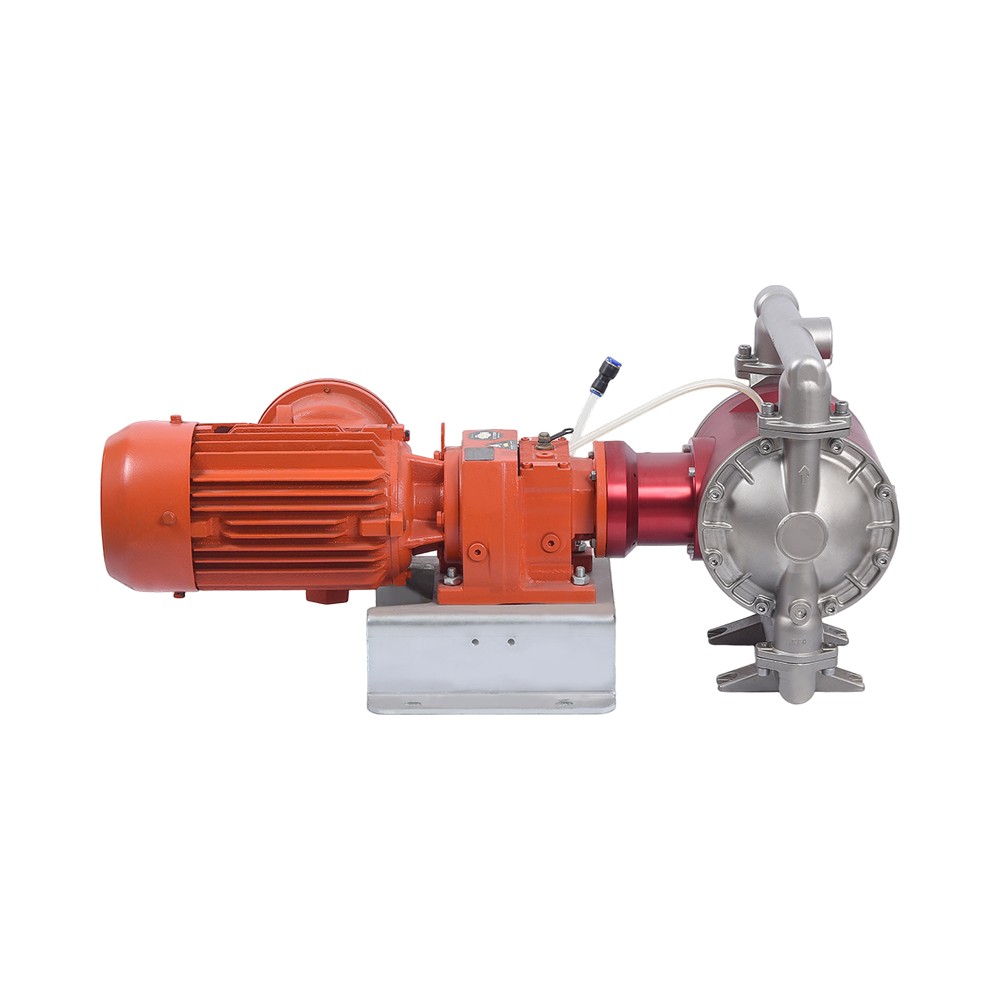
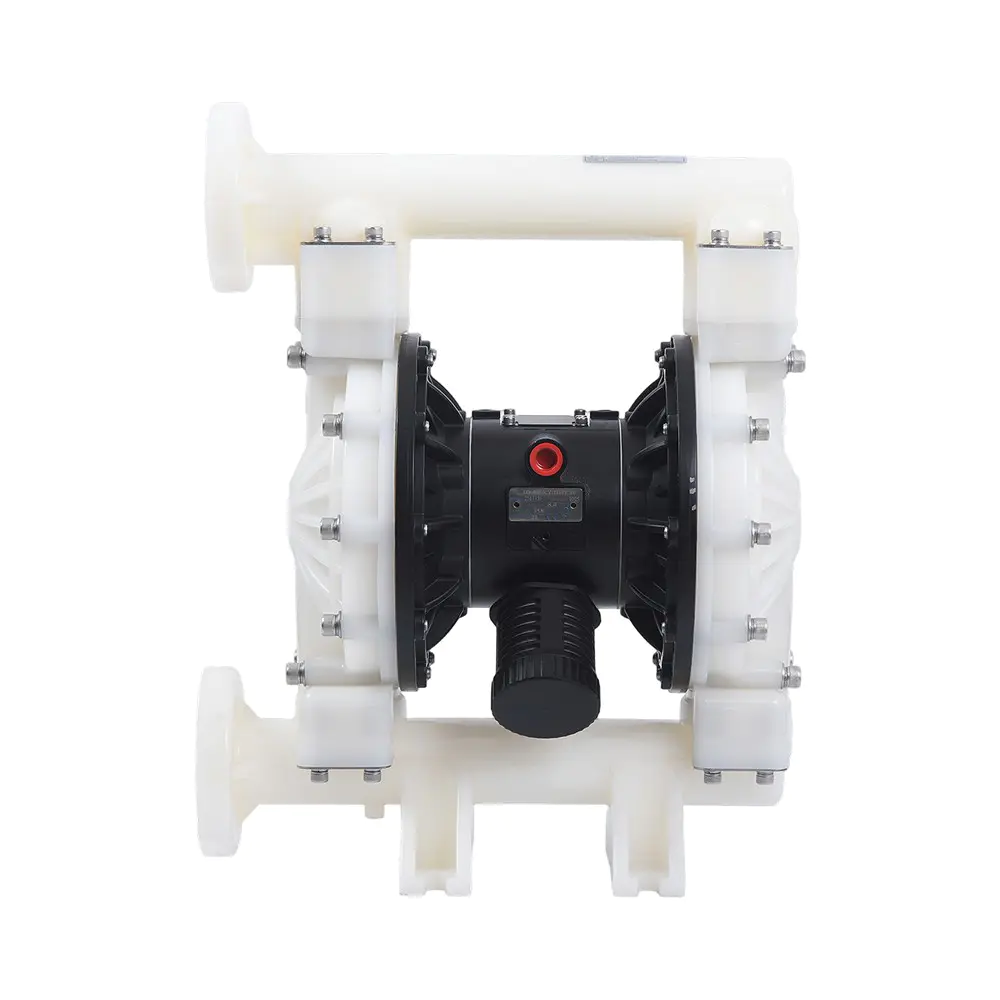
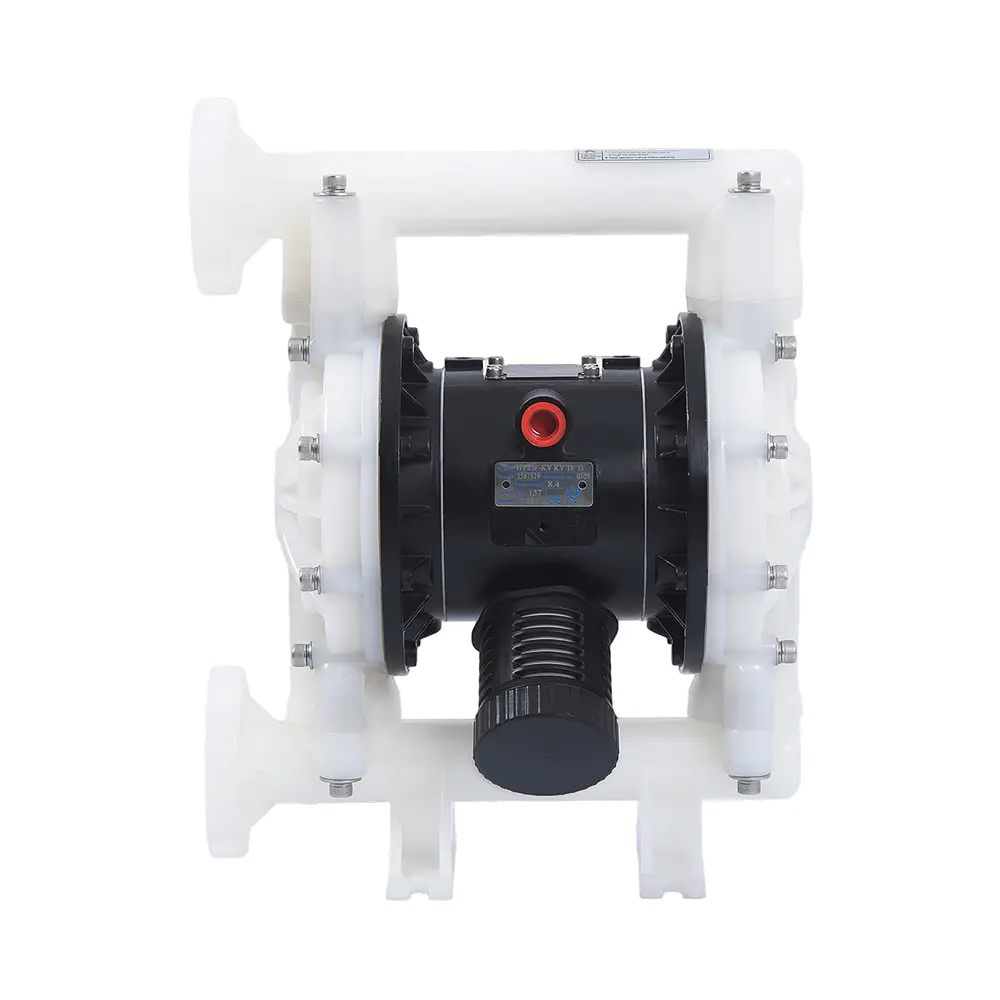
An electric diaphragm pump works by using an electric motor to drive one or two flexible membranes (diaphragms) back and forth, creating alternating pressure and vacuum cycles that move fluid through check valves. Unlike pneumatic models that depend on compressed air, the electric version draws power directly from an electrical source, giving operators precise motor speed control and consistent flow rates.
The diaphragm itself — typically made from PTFE, EPDM, Neoprene, or Santoprene — never contacts the drive mechanism, which means the fluid path remains completely sealed. This architecture is why electric double diaphragm pumps (EDDP) are trusted in applications where contamination or leakage is simply not acceptable.
Key Components at a Glance
- Electric motor — Typically AC or DC; variable-frequency drives (VFD) allow flow-rate adjustment from 0 to 100%
- Diaphragm membrane — The primary sealing element; material selection determines chemical compatibility
- Check valves — Ball or flap type; direct the fluid flow in and out of the pump chamber
- Pump body / manifold — Polypropylene, stainless steel, aluminum, or cast iron depending on application
- Eccentric drive mechanism — Converts rotary motor motion into linear diaphragm displacement
Why Choose an Electric Diaphragm Pump Over a Pneumatic One?
Electric diaphragm pumps offer significantly lower energy costs — up to 50% less energy consumption compared to pneumatic air-operated double diaphragm (AODD) pumps — because they eliminate the energy losses inherent in compressing air. This is the single most compelling financial reason manufacturers and plant engineers make the switch.
The comparison below highlights the most critical differences between electric and pneumatic diaphragm pumps:
| Feature | Electric Diaphragm Pump | Pneumatic (AODD) Pump |
| Energy Efficiency | High (direct drive) | Low (compressed air losses) |
| Flow Control | Precise (VFD compatible) | Limited (air pressure dependent) |
| Noise Level | Low (55–70 dB) | High (85–95 dB) |
| Installation Cost | Moderate (electrical connection only) | High (requires compressor + piping) |
| Dry-Run Capability | Yes (brief, model-dependent) | Yes |
| Self-Priming | Yes | Yes |
| Explosion-Proof Options | Available (ATEX / IECEx) | Inherently non-sparking |
| Remote Monitoring | Easy (IoT / SCADA integration) | Requires add-on sensors |
Table 1: Side-by-side performance and cost comparison between electric diaphragm pumps and pneumatic AODD pumps across eight key operational criteria.
Which Industries Benefit Most from Electric Diaphragm Pumps?
Electric diaphragm pumps deliver the greatest value in industries that handle aggressive chemicals, abrasive slurries, or shear-sensitive fluids. Their sealed, leak-free design and material versatility make them indispensable across multiple sectors.
Chemical and Petrochemical Processing
In chemical plants, electric diaphragm pumps with PTFE wetted parts safely transfer acids (sulfuric, hydrochloric, nitric), caustics, and solvents without contamination risk. A single diaphragm failure does not result in a hazardous spill because the pump housing contains the fluid, making them OSHA- and EPA-compliant solutions.
Wastewater and Municipal Treatment
Municipal wastewater facilities rely on electric diaphragm dosing pumps to meter chemicals like sodium hypochlorite, ferric chloride, and polymer flocculants. Accuracy of ±1% across the full flow range — achievable with modern stepper-motor-driven diaphragm metering pumps — is critical for regulatory compliance.
Food, Beverage, and Pharmaceutical
Sanitary electric diaphragm pumps built to 3-A or FDA standards handle viscous products such as honey, sauces, creams, and pharmaceutical slurries. Because there are no rotating seals in contact with the product, cross-contamination risk is minimal and CIP (clean-in-place) procedures are simplified.
Mining and Mineral Processing
Heavy-duty electric diaphragm pumps handle abrasive slurries with up to 20% solids content and particle sizes up to 10 mm in some models. The pass-through design prevents blockages that would destroy centrifugal pump impellers in minutes.
How to Select the Right Electric Diaphragm Pump: 6 Critical Parameters
Selecting the right electric diaphragm pump starts with accurately defining six core parameters: flow rate, discharge pressure, fluid properties, temperature range, connection size, and material compatibility.
1. Flow Rate and Pressure Requirements
Electric diaphragm pumps are available in flow ranges from as low as 0.5 L/h (metering pumps) to over 50,000 L/h for large industrial models. Discharge pressures typically range from 4 bar to 16 bar, with high-pressure variants reaching up to 100 bar for injection applications. Always size for 80% of the pump's maximum rated flow to ensure a safe operating margin.
2. Fluid Viscosity and Solids Content
Standard electric diaphragm pumps handle fluids up to 10,000 cP (centipoise) without modification. For high-viscosity applications above 50,000 cP, select pumps with enlarged valve passages and slower stroke rates. For slurries, specify pumps with ball-type check valves rather than flap valves to prevent clogging.
3. Diaphragm and Wetted Material Selection
Material compatibility is non-negotiable. The table below summarizes common diaphragm materials and their best-fit applications:
| Diaphragm Material | Temperature Range | Best For | Avoid With |
| PTFE | -40°C to +150°C | Acids, solvents, oxidizers | Molten alkali metals |
| EPDM | -40°C to +120°C | Hot water, steam, caustics | Oils, fuels, hydrocarbons |
| Neoprene | -30°C to +100°C | General purpose, water | Strong oxidizers, aromatics |
| Santoprene | -50°C to +135°C | Food, mild chemicals | Concentrated acids |
| Viton (FKM) | -20°C to +200°C | Fuels, oils, high temps | Ketones, esters, amines |
Table 2: Diaphragm material selection guide for electric diaphragm pumps, showing temperature tolerance, ideal chemical compatibility, and chemicals to avoid for each material type.
4. Motor Type and Power Supply
Most industrial electric diaphragm pumps use single-phase (115V/230V) or three-phase (230V/460V) AC induction motors. For remote or off-grid installations, DC-powered models running on 12V or 24V are available. Adding a variable frequency drive (VFD) allows flow-rate modulation without throttling valves, extending diaphragm service life by 20–35% by reducing mechanical stress.
5. Port Size and Connection Type
Port sizes for electric diaphragm pumps typically range from 1/4 inch (for laboratory metering pumps) to 3 inches (for large transfer pumps). Connection options include NPT threaded, BSP threaded, flanged (ANSI/DIN), and tri-clamp sanitary fittings. Always match the port size to your pipeline velocity target — aim for 1.5–3 m/s suction velocity to avoid turbulence and cavitation.
6. Certifications and Compliance Standards
For hazardous area installations, confirm that the electric diaphragm pump motor carries ATEX or IECEx certification. Food-grade and pharmaceutical applications require pumps certified to FDA 21 CFR, USP Class VI, or 3-A Sanitary Standards. CE marking is mandatory for equipment sold in Europe, while UL/CSA listing is required for North American markets.
What Are the Main Types of Electric Diaphragm Pumps?
The four main types of electric diaphragm pumps are single-diaphragm transfer pumps, double-diaphragm (EDDP) pumps, electromagnetic metering pumps, and motor-driven metering pumps — each optimized for different flow profiles and accuracy requirements.
| Pump Type | Flow Range | Accuracy | Typical Application |
| Single Diaphragm Transfer | 10 – 5,000 L/h | N/A (bulk transfer) | Drum/IBC unloading, slurry transfer |
| Electric Double Diaphragm (EDDP) | 100 – 50,000 L/h | ±3–5% | Process transfer, wastewater |
| Electromagnetic Metering | 0.5 – 60 L/h | ±1–2% | Chemical dosing, water treatment |
| Motor-Driven Metering | 1 – 10,000 L/h | ±0.5–1% | Pharmaceutical, petrochemical dosing |
Table 3: Comparison of the four main electric diaphragm pump types by flow range, metering accuracy, and primary industrial application.
How to Maintain an Electric Diaphragm Pump for Maximum Service Life
Proper maintenance of an electric diaphragm pump starts with a regular inspection schedule focused on the diaphragm, check valves, and motor — the three components most likely to cause downtime if neglected.
Recommended Maintenance Intervals
- Daily: Check for external leaks, unusual vibration, or abnormal noise. Verify motor temperature is within rated limits.
- Monthly: Inspect check valve seats and balls for wear or chemical degradation. Clean strainer screens on suction lines.
- Every 3–6 months: Replace diaphragm membranes proactively — even if no failure is visible. A failed diaphragm in aggressive chemical service can damage the motor gearbox in minutes.
- Annually: Inspect motor bearings, lubricate per manufacturer specifications, and check electrical connections for corrosion.
Common Failure Modes and Solutions
- Loss of prime / reduced flow: Most often caused by worn check valve balls that no longer seal. Replace ball and seat as a set.
- Pulsating flow: Normal for diaphragm pumps but excessive pulsation indicates a diaphragm approaching failure. Install a pulsation dampener if process sensitivity requires smooth flow.
- Diaphragm rupture: Usually caused by over-pressurization, chemical incompatibility, or fatigue. Always install a pressure relief valve set at 110% of rated discharge pressure.
- Motor overheating: Check ambient temperature limits and ensure the motor enclosure (TEFC, ODP) is appropriate for the environment. Verify VFD settings if applicable.
Frequently Asked Questions About Electric Diaphragm Pumps
Q: Can an electric diaphragm pump run dry?
Yes, most electric diaphragm pumps can tolerate brief dry-run periods (typically 30 seconds to 5 minutes depending on the model and diaphragm material). However, extended dry running generates heat that accelerates diaphragm fatigue and can damage check valve seats. For applications with frequent dry-start risk, install a dry-run protection relay or flow switch.
Q: What is the difference between a diaphragm metering pump and an electric diaphragm transfer pump?
A diaphragm metering pump is engineered for precision dosing at low flow rates, typically with an adjustable stroke length and electronic pulse control to achieve accuracy of ±1% or better. A diaphragm transfer pump prioritizes higher flow volume and solids-handling capability at the expense of metering precision. Both use the same fundamental diaphragm-and-check-valve design.
Q: Are electric diaphragm pumps self-priming?
Yes. Electric diaphragm pumps are inherently self-priming and can typically lift fluid from a suction depth of 3 to 7 meters depending on model specifications and fluid vapor pressure. This makes them ideal for applications where the pump is installed above the fluid source, such as tank-top mounting or basement sump configurations.
Q: How long do diaphragms last in an electric diaphragm pump?
Under normal operating conditions, PTFE diaphragms in electric pumps typically last 8,000 to 15,000 operating hours. Elastomeric diaphragms (EPDM, Neoprene) generally last 3,000 to 8,000 hours. Service life is shortened by chemical attack, over-pressurization, excessive temperature, or running the pump at over 95% of maximum stroke frequency. Manufacturers typically publish diaphragm life expectancy curves in their product documentation.
Q: What is the energy saving compared to a centrifugal pump for the same duty?
For low-flow, high-pressure duties below 10 m3/h, an electric diaphragm pump typically consumes 30–60% less energy than a centrifugal pump that would need throttling to operate at low flow rates. Centrifugal pumps are most efficient at or near their best efficiency point (BEP); diaphragm pumps maintain consistent efficiency across a wide flow range, making them superior for variable-duty applications.
Q: Can electric diaphragm pumps handle flammable or explosive fluids?
Yes, but only when the motor meets ATEX Zone 1 or Zone 2 (or IECEx equivalent) requirements for the specific gas group and temperature class of the hazardous fluid. ATEX-rated electric diaphragm pumps use explosion-proof (Ex d) or increased-safety (Ex e) motor enclosures. Always confirm that both the pump body material and motor certification are appropriate before handling flammable media.
Conclusion: Why Electric Diaphragm Pumps Deserve a Place in Your Fluid Handling System
Electric diaphragm pumps represent a mature, proven technology that continues to evolve with advances in motor controls, smart monitoring, and materials science. They offer a compelling combination of chemical compatibility, self-priming capability, dry-run tolerance, and energy efficiency that few pump technologies can match across such a wide range of industrial applications.
Whether you are replacing an aging pneumatic AODD pump to cut energy costs, specifying a new dosing system for a water treatment plant, or selecting a sanitary pump for food production, the six-parameter selection framework — flow, pressure, fluid properties, temperature, connections, and certifications — provides a reliable starting point. Pair it with a proactive maintenance plan focused on diaphragm and check valve inspection, and your electric diaphragm pump will deliver years of reliable, leak-free service.