

 EN
EN
 English
 Français
 Español
 عربى
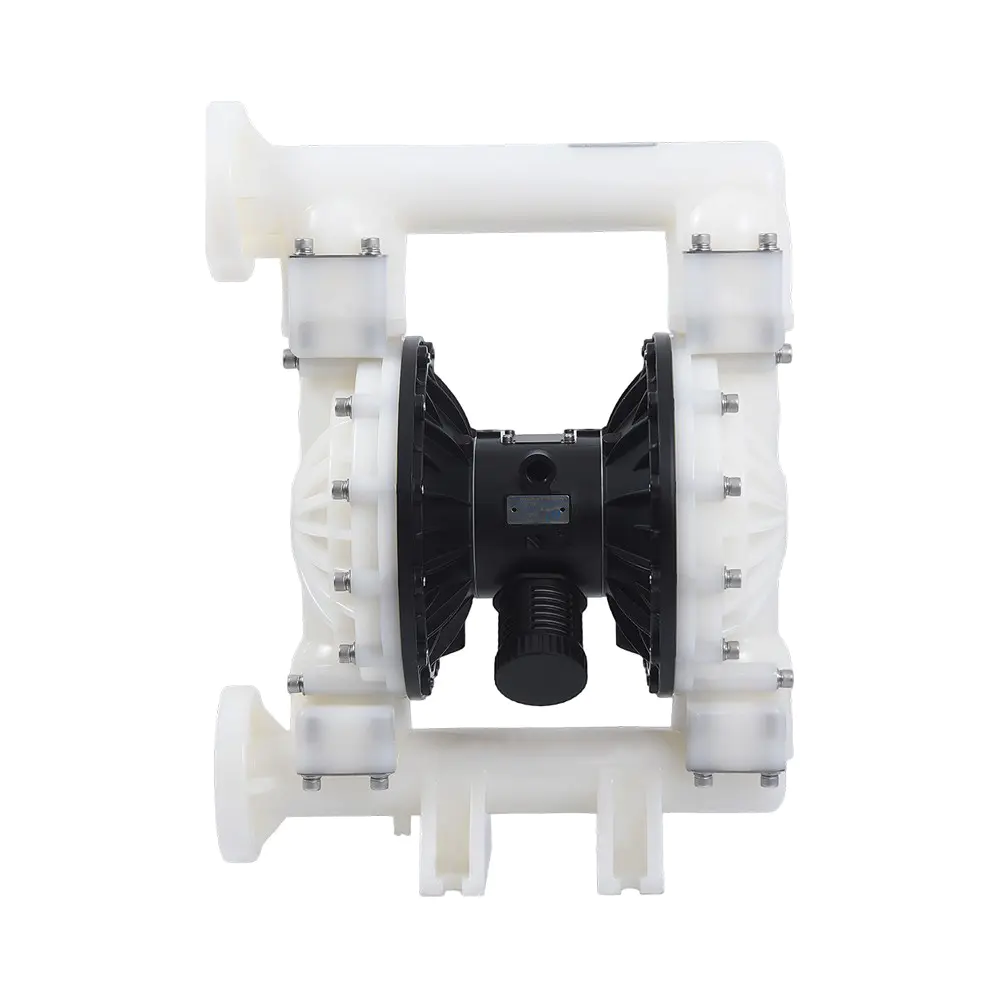
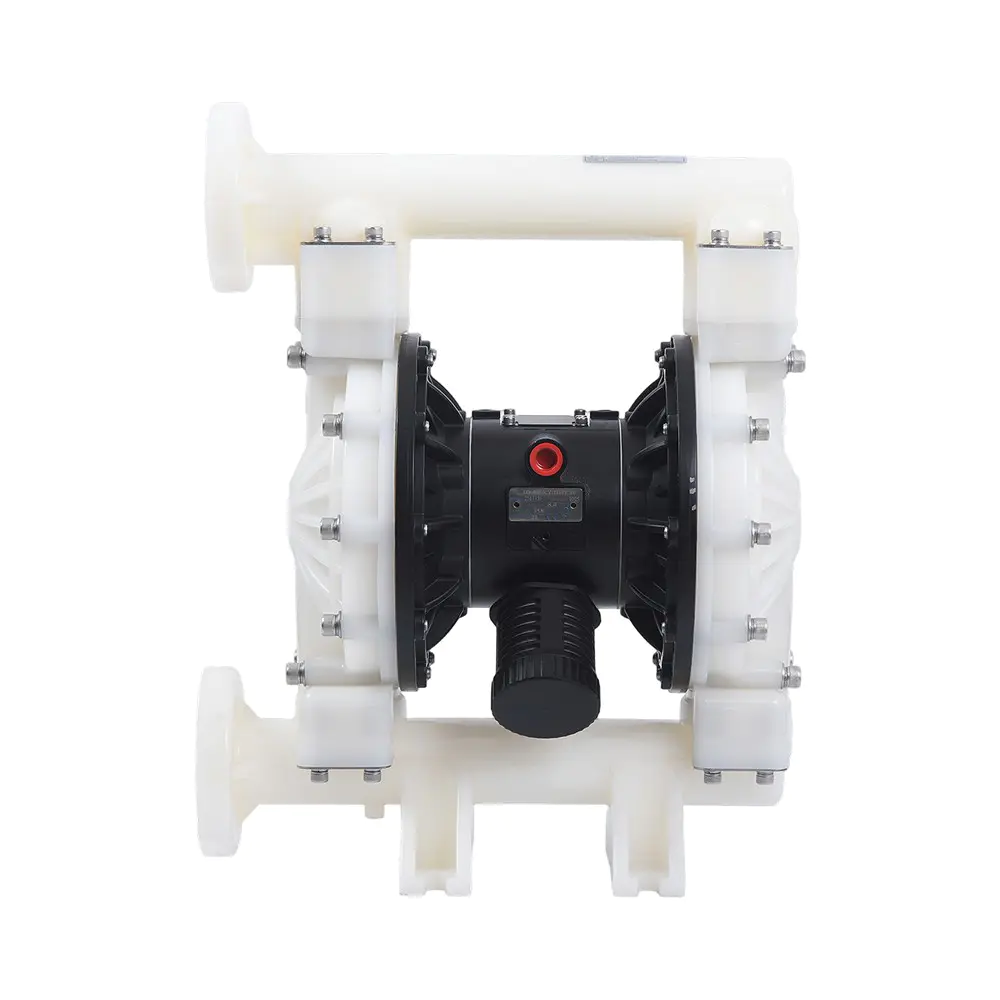
عربىA diaphragm pump adjusts its pressure switch by changing the tension on an internal spring mechanism, which determines the cut-in and cut-out pressure thresholds. The pressure switch is a mechanical or electronic device that monitors the system pressure and controls the pump's motor to maintain a desired pressure range. According to the Hydraulic Institute's standards for pump controls, a properly adjusted pressure switch can maintain pressure within plus or minus 2 psi of the setpoint. In a diaphragm pump, the switch is typically mounted directly on the pump head or in the discharge line. This article explains the working principle, adjustment procedure, and troubleshooting for the pressure switch on a diaphragm pump, using data from manufacturer specifications and field maintenance guides.
Content
- 1 How a Diaphragm Pump and Pressure Switch Work Together
- 2 The Internal Mechanism of a Pressure Switch
- 3 Step-by-Step Procedure to Adjust a Diaphragm Pump Pressure Switch
- 4 Common Problems When Adjusting the Pressure Switch
- 5 Adjusting Electronic Pressure Switches on Modern Diaphragm Pumps
- 6 Frequently Asked Questions About Diaphragm Pump Pressure Switch Adjustment
- 6.1 What is the factory default pressure switch setting for a typical 12V diaphragm pump?
- 6.2 Can I adjust the pressure switch while the pump is running?
- 6.3 How do I know if the pressure switch is faulty rather than just out of adjustment?
- 6.4 Why does my diaphragm pump pressure switch click repeatedly without the motor starting?
- 6.5 Can I use a pressure switch from a different pump on my diaphragm pump?
- 7 Conclusion: Proper Adjustment Ensures Pump Longevity and System Performance
How a Diaphragm Pump and Pressure Switch Work Together
A diaphragm pump moves fluid by reciprocating a flexible diaphragm, while the pressure switch turns the pump on and off based on the system's pressure. The pump's motor drives a piston or wobble plate that flexes the diaphragm, creating suction and discharge strokes. The pressure switch senses the outlet pressure via a small port connected to the pump housing. When the pressure drops to a preset cut-in point (e.g., 30 psi), the switch closes an electrical circuit, starting the pump motor. When the pressure rises to the cut-out point (e.g., 50 psi), the switch opens the circuit, stopping the motor. This cycle repeats automatically. Common applications include agricultural sprayers, RV water systems, and industrial cleaning equipment. The U.S. Department of Energy's Motor Systems Efficiency Guide notes that properly adjusted pump controls can reduce energy consumption by up to 20% compared to continuously running pumps.
The Internal Mechanism of a Pressure Switch
A standard mechanical pressure switch uses a spring-loaded diaphragm that compresses against an adjustable spring, with the spring tension directly determining the switching pressures. There are two main types: single-spring switches, where one spring controls both cut-in and cut-out (with a fixed differential), and dual-spring switches, where separate springs independently set the cut-in and cut-out pressures. The differential is typically 15 to 25 psi in water pump applications. For example, a switch set at 30-50 psi has a cut-in of 30 and a differential of 20 psi. The spring tension is adjusted by turning a nut or screw. A larger spring for the cut-out pressure and a smaller spring for the cut-in pressure are common in dual-spring designs. The table below summarizes typical pressure switch settings for diaphragm pump applications.
| Application | Typical Cut-In (psi) | Typical Cut-Out (psi) | Differential (psi) | Common Diaphragm Pump Types |
|---|---|---|---|---|
| RV / marine water system | 30 – 40 | 50 – 60 | 20 | 12V DC diaphragm pump |
| Agricultural sprayer | 20 – 40 | 40 – 100 | 20 – 60 | Engine-driven or PTO diaphragm pump |
| Industrial cleaning | 40 – 60 | 80 – 120 | 20 – 60 | Air-operated double diaphragm pump (AODD) |
| Booster / house water system | 30 – 40 | 50 – 70 | 20 – 30 | Electric diaphragm pump |
Table: Typical pressure switch settings for diaphragm pumps in various applications, based on manufacturer data from pump equipment catalogs and Hydraulic Institute guidelines.
Step-by-Step Procedure to Adjust a Diaphragm Pump Pressure Switch
Adjusting the pressure switch requires safely isolating the pump, identifying the adjustment screws, and making small incremental changes while monitoring a pressure gauge. The following ordered list describes the standard procedure for a mechanical switch found on most electric diaphragm pumps.
- Turn off the pump and release system pressure: Disconnect the power supply. Open a faucet or drain valve to drop the pressure to zero. Verify with a gauge that the reading is 0 psi before proceeding. This step is a safety requirement per OSHA Lockout/Tagout standard 1910.147.
- Locate the pressure switch and remove the cover: The switch is typically a plastic or metal box mounted on the pump head or nearby piping. Remove the cover by unscrewing a single nut or snapping it off, exposing the spring assembly and electrical terminals.
- Identify the adjustment screws: In a dual-spring switch, the larger spring (often with a larger nut) controls the cut-out pressure, while the smaller spring sets the cut-in pressure. Some switches have a single nut that adjusts the cut-in pressure, with the differential factory-fixed. If uncertain, consult the pump manual or the label inside the cover, which usually shows a diagram.
- Connect a pressure gauge and turn on the pump: With the cover off and caution taken to avoid touching live parts, temporarily reconnect power and observe the gauge. Note the current cut-in and cut-out pressures as the pump cycles. It may be helpful to have a second person watch the gauge while you adjust.
- Adjust the cut-in pressure first (if dual-spring): Turn the smaller spring nut clockwise to increase the cut-in pressure, or counterclockwise to decrease it. Each quarter turn typically changes the pressure by 2 to 3 psi. Adjust, then cycle the pump to measure the new cut-in point.
- Adjust the cut-out pressure (larger spring): With the cut-in set correctly, turn the larger spring nut clockwise to increase the cut-out pressure (wider differential), or counterclockwise to decrease it. For example, if you want a 30-50 psi range, set the cut-in to 30 psi and then adjust the cut-out until it stops at 50 psi. Tightening the large spring increases the differential.
- Check the system under normal operation: Once the desired pressures are achieved, cycle the pump at least three times to confirm the settings are stable. Replace the cover. Ensure the pump does not rapid-cycle (short cycling), which indicates a waterlogged pressure tank or too narrow a differential.
Common Problems When Adjusting the Pressure Switch
Incorrect adjustment can lead to short cycling, insufficient pressure, or pump run-on. The following unordered list highlights typical issues and their causes.
- Switch does not turn off the pump: The cut-out pressure may be set too high, exceeding the pump's maximum rated pressure. A diaphragm pump has a maximum working pressure (e.g., 60 psi) that must not be exceeded. Check for a clogged pressure switch port or a ruptured diaphragm inside the switch.
- Pump starts and stops rapidly (short cycling): The differential between cut-in and cut-out is too small, or the pressure tank's air charge is insufficient. The differential should be at least 15 psi. If the pump is a demand-type without a tank, the switch itself may have a minimum differential of 5 to 10 psi built in.
- Pump fails to start: The cut-in pressure may be set above the available system pressure, or the contact points inside the switch are burned or pitted. File the points lightly or replace the switch if continuity is lost.
- Inconsistent cycling: A dirty or partially blocked pressure sensing port causes erratic behavior. Clean the small port on the pump head where the switch mounts, using a thin wire or compressed air.
Adjusting Electronic Pressure Switches on Modern Diaphragm Pumps
Some late-model diaphragm pumps feature an electronic pressure switch with a digital display and push-button adjustment, eliminating mechanical springs. These switches use a pressure transducer and a microcontroller. The operator enters the desired cut-in and cut-out pressures directly in psi or bar. The controller can also include features such as dry-run protection, soft start, and fault logging. According to a 2023 review by Pump Industry Magazine, electronic pressure switches improve pressure regulation accuracy to plus or minus 1 psi, compared to plus or minus 3-5 psi for mechanical switches. The adjustment procedure is manufacturer-specific but generally involves pressing a mode button, using up/down arrows to set values, and saving. The principles remain the same: the cut-in must be low enough to start the pump before demand causes a significant pressure drop, and the cut-out must not exceed the pump's maximum pressure.
Frequently Asked Questions About Diaphragm Pump Pressure Switch Adjustment
What is the factory default pressure switch setting for a typical 12V diaphragm pump?
Most 12V diaphragm pumps for RV and marine use come pre-set at a cut-in of 30 to 40 psi and a cut-out of 50 to 60 psi. The exact settings are listed on the pump label or in the instruction manual. For example, a common specification is 45 psi cut-out and 25 psi cut-in, giving a 20 psi differential.
Can I adjust the pressure switch while the pump is running?
It is strongly advised to disconnect power before making adjustments. However, some adjustments require observing the pressure gauge while the pump cycles. In such cases, use insulated tools, keep hands away from live terminals, and never leave the cover off permanently. The risk of electric shock is significant; the National Electrical Code (NEC) requires that all live parts be guarded.
How do I know if the pressure switch is faulty rather than just out of adjustment?
If the pressure switch fails to respond to adjustment, shows burn marks on the contacts, or allows the pump to run continuously past the cut-out setting, it is likely defective. Measure the contact resistance with a multimeter; open contacts should read infinite resistance, closed contacts should read less than 1 ohm. Also, check the switch diaphragm for tears by applying low air pressure to the inlet port and listening for leaks.
Why does my diaphragm pump pressure switch click repeatedly without the motor starting?
This indicates that the switch contacts are closing (the click sound) but the motor is not receiving power. Check for a tripped motor thermal protector, a loose wire between the switch and motor, or a failed start capacitor. The switch itself may be fine; the problem lies in the motor circuit. Ensure the pump's circuit breaker or fuse is intact.
Can I use a pressure switch from a different pump on my diaphragm pump?
Yes, provided the replacement switch matches the electrical rating (voltage, amperage) and the pressure range. The switch must be able to handle the pump's full-load current, which is typically 10 to 15 amps for a 12V DC pump. The pressure port thread size (commonly 1/4 inch NPT or M12x1.5) must also match. Using a switch with a lower electrical rating can cause contact welding and fire.
Conclusion: Proper Adjustment Ensures Pump Longevity and System Performance
Understanding how a diaphragm pump adjusts its pressure switch is crucial for maintaining consistent fluid delivery, preventing pump damage, and optimizing energy use. By following a careful adjustment procedure and verifying the settings with a reliable pressure gauge, an operator can set the cut-in and cut-out pressures to match the specific needs of the application. Whether using a mechanical spring switch or a modern electronic controller, the principle remains the same: the switch senses pressure and acts as the pump's brain, telling it when to run and when to stop. Regular inspection and cleaning of the pressure sensing port will keep the system operating reliably for thousands of cycles.