

 EN
EN
 English
 Français
 Español
 عربى
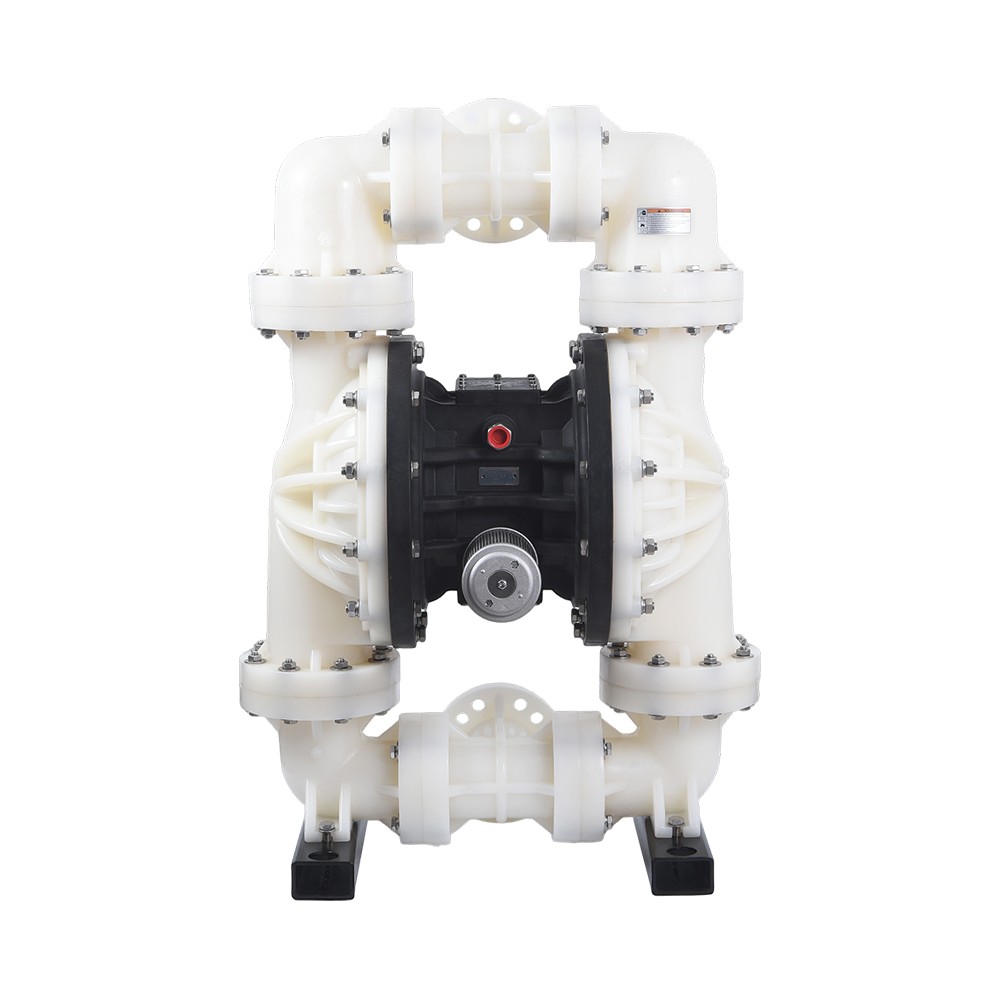
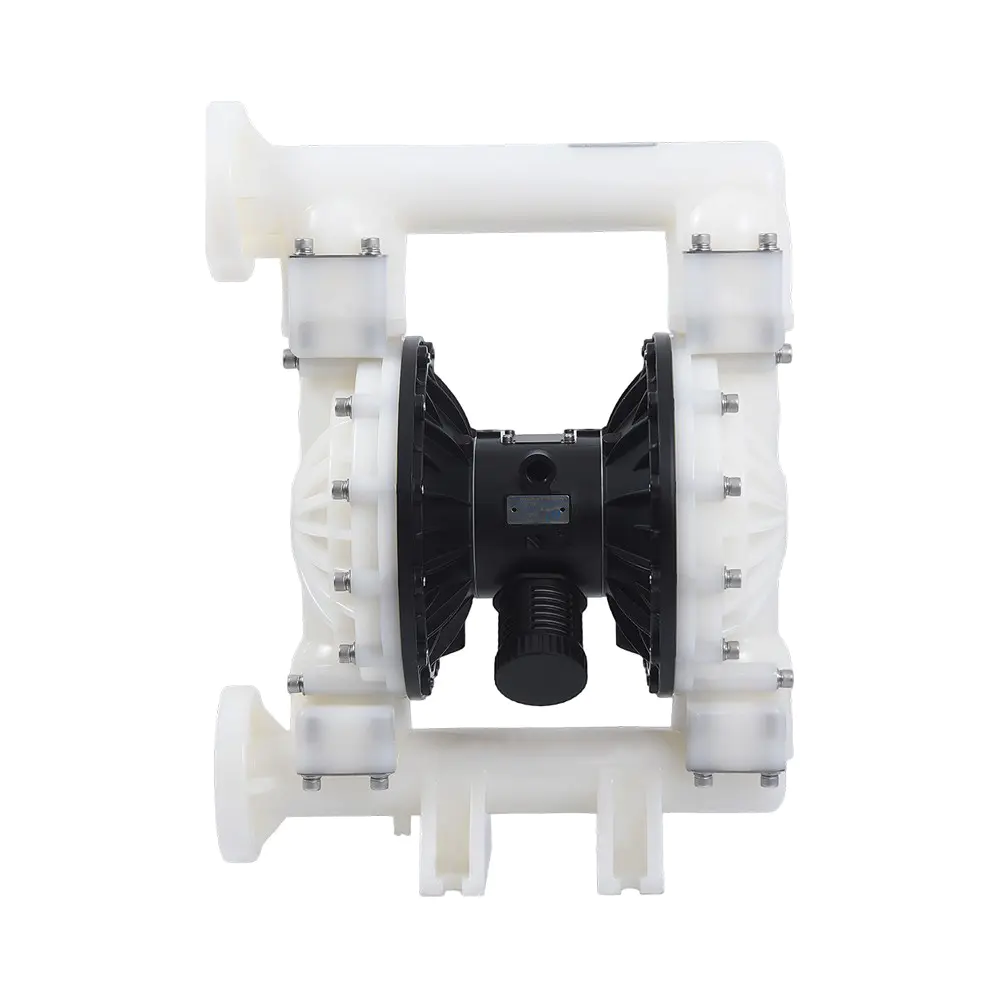
عربىThe key components that ensure a leak-free diaphragm pump operates with maximum integrity are the high-performance diaphragm, precision-engineered seals and O-rings, robust pump head housings, and efficient check valve assemblies. These elements work in unison to create a hermetically sealed environment, preventing hazardous or costly fluids from escaping into the atmosphere or the pump’s internal mechanisms.
Content
- 1 The Diaphragm: The Primary Barrier for Fluid Containment
- 2 Precision-Engineered Seals and O-Rings
- 3 Integrated Pump Head and Casing Design
- 4 Advanced Check Valve Systems
- 5 Comparison: Standard vs. Leak-Free Diaphragm Pumps
- 6 Dual-Diaphragm Systems: The Ultimate Fail-Safe
- 7 Material Selection and Chemical Compatibility
- 8 Frequently Asked Questions (FAQ)
- 9 Conclusion: Investing in Integrity
The Diaphragm: The Primary Barrier for Fluid Containment
The diaphragm is the most critical component in ensuring a leak-free operation because it serves as the physical barrier between the process fluid and the pump's mechanical drive. In a high-quality leak-free pump, the diaphragm must be engineered to withstand millions of flex cycles without developing micro-cracks or fatigue failures.
Common materials used for diaphragms include PTFE (Polytetrafluoroethylene), EPDM (Ethylene Propylene Diene Monomer), and Viton. PTFE is particularly favored in chemical processing due to its near-universal chemical resistance. For example, in industrial applications involving concentrated sulfuric acid, a PTFE-faced diaphragm can offer a service life exceeding 20,000 hours of continuous operation when properly maintained. The design often incorporates a "sandwich" structure, where a chemically resistant outer layer is bonded to a flexible elastomer backing for structural support.
Precision-Engineered Seals and O-Rings
Secondary containment and joint integrity rely entirely on precision-engineered seals and O-rings that prevent bypass leakage at connection points. Even the most durable diaphragm cannot prevent leaks if the interface between the pump head and the manifold is not perfectly sealed.
Static seals are strategically placed throughout the pump assembly. These components must be manufactured with tight tolerances—often within +/- 0.05mm—to ensure they compress correctly under the specified bolt torque. When handling volatile organic compounds (VOCs), the use of FFKM (Perfluoroelastomer) seals is often recommended. Although more expensive, FFKM can withstand temperatures up to 300°C and provides a level of chemical inertness that prevents seal swelling, which is a leading cause of leak-path development in standard pumps.
Integrated Pump Head and Casing Design
A robust and seamless pump head design minimizes the number of potential leak paths by reducing the number of gaskets and bolted joints required. By utilizing heavy-duty castings or CNC-machined solid blocks, manufacturers can ensure that the pump maintains its structural integrity even under high-pressure pulsations.
For instance, a pump head machined from a solid block of 316L stainless steel or Polypropylene offers superior rigidity compared to molded alternatives. This rigidity is essential because it prevents "creeping" or warping of the sealing surfaces over time. In high-pressure applications where discharge pressures reach 100 PSI (7 bar) or higher, a reinforced pump head ensures that the compression on the diaphragm remains uniform across the entire circumference, effectively eliminating "edge leaks."
Advanced Check Valve Systems
The check valve assembly, consisting of balls, seats, and cages, is vital for maintaining unidirectional flow and preventing backflow that could lead to internal pressure spikes and subsequent seal failure. A leak-free pump requires check valves that seat perfectly every time to maintain the vacuum necessary for priming and consistent discharge.
In modern designs, weighted valve balls made of PTFE or Ceramic are used to ensure rapid and precise closing. If a check valve fails to seat correctly due to debris or wear, the resulting turbulence can create localized high-pressure zones. Data suggests that pumps equipped with high-precision ceramic ball valves experience 30% less downtime in abrasive slurry applications compared to those using standard stainless steel balls, as the ceramic prevents the pitting and erosion that eventually create leak channels.
Comparison: Standard vs. Leak-Free Diaphragm Pumps
Understanding the technical differences between conventional designs and dedicated leak-free configurations is essential for selecting the right equipment for hazardous environments.
| Feature | Standard Diaphragm Pump | Leak-Free Diaphragm Pump |
| Diaphragm Type | Single-layer Elastomer | Multi-layer / PTFE-Bonded |
| Sealing Technology | Standard Gaskets | High-Tolerance O-Rings / Metal-to-Metal |
| Leak Detection | Manual Inspection | Sensors / Dual-Diaphragm Monitors |
| Material Integrity | Thin-walled Castings | Heavy-duty Machined Blocks |
| Maintenance Interval | Frequent | Extended / Predictive |
Dual-Diaphragm Systems: The Ultimate Fail-Safe
A dual-diaphragm (or double-diaphragm) system provides an extra layer of security by incorporating a second barrier and a detection chamber between the fluid and the atmosphere. This is the gold standard for leak-free technology in the pharmaceutical and nuclear industries.
In this configuration, the space between the two diaphragms is either filled with a barrier fluid or left as a vacuum. If the primary diaphragm ruptures, the secondary diaphragm contains the process fluid, while a pressure switch or optical sensor immediately alerts the operator to the failure. This prevents "catastrophic leaks." Statistics from chemical manufacturing plants show that facilities implementing dual-diaphragm pumps reduce their unplanned environmental remediation costs by up to 85%, as leaks are contained before they ever leave the pump housing.
Material Selection and Chemical Compatibility
Ensuring a pump remains leak-free requires rigorous material selection based on the specific chemical properties of the fluid being pumped. Corrosion is a hidden cause of leaks, as it thins the pump walls and degrades sealing surfaces.
When dealing with highly corrosive acids, materials like PVDF (Polyvinylidene Fluoride) are superior to metals. In a recent comparative study, PVDF components showed zero degradation after 12 months of exposure to hydrochloric acid, whereas high-grade stainless steel showed signs of pitting within 4 months. Choosing the correct material prevents "leaching" and structural weakening, ensuring that the components remain dimensionally stable and the seals remain tight throughout the pump's lifecycle.
The Role of Bolt Torque and Assembly
Correct bolt torque and assembly procedures are often overlooked but are essential components of a leak-free system. Even the best hardware will leak if the fasteners are not tightened in a specific cross-pattern to ensure even compression.
Many leak-free pumps now feature torque-retention hardware or self-aligning pump heads. Utilizing a calibrated torque wrench to reach the manufacturer’s specification—for example, 25 Nm for a medium-sized plastic pump—is a critical step. Over-tightening can crush a PTFE diaphragm, while under-tightening allows the fluid to "wick" through the seal. Regular maintenance schedules should include a "re-torque" check after the first 50 hours of operation to account for any initial material settling.
Frequently Asked Questions (FAQ)
What is the most common cause of leaks in diaphragm pumps?
The most common cause is diaphragm fatigue, where the material develops small tears after exceeding its flex-life, often exacerbated by chemical incompatibility or excessive discharge pressure.
How often should I replace the seals to maintain a leak-free status?
It is recommended to replace seals and O-rings annually or every 2,000 to 4,000 hours of operation, depending on the aggressiveness of the fluid and the operating temperature.
Can a leak-free pump handle solids and abrasives?
Yes, but it requires hardened valve seats and specifically designed diaphragms. Abrasive particles can settle on sealing surfaces, creating gaps that lead to leaks if the pump is not designed for slurry handling.
What is the benefit of a PTFE-bonded diaphragm?
A PTFE-bonded diaphragm combines the chemical inertness of PTFE with the flexibility and strength of an elastomer like EPDM, providing a longer service life and better resistance to leaking than a simple PTFE sheet.
Does temperature affect the leak-free performance?
Absolutely. High temperatures can cause thermal expansion of the pump housing and softening of plastic components. It is vital to select materials with high thermal stability and to check bolt torque frequently in high-temperature applications.
Conclusion: Investing in Integrity
Achieving a truly leak-free operation is not the result of a single feature but rather the integration of superior materials, precision engineering, and rigorous maintenance. By focusing on the quality of the diaphragm, the precision of the seals, and the robustness of the pump head, industrial operators can ensure safe, efficient, and environmentally responsible fluid transfer.