

 EN
EN
 English
 Français
 Español
 عربى
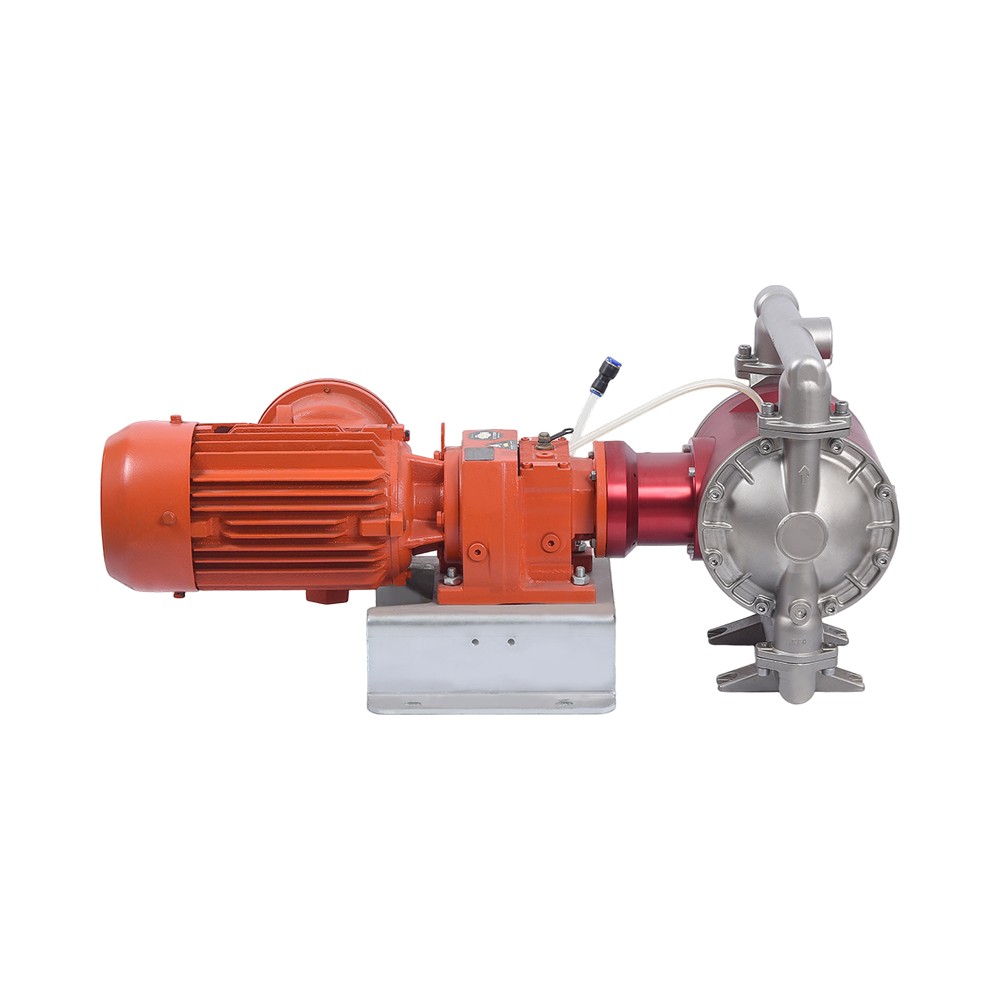
عربىIf your process involves transferring sludge, abrasive slurries, viscous fluids, or shear-sensitive liquids, an air operated double diaphragm pump (AODD pump) is likely one of the most practical solutions available. Unlike centrifugal pumps that rely on rotating impellers, an AODD pump uses compressed air to move two flexible diaphragms back and forth, creating a positive displacement effect that can handle a remarkably wide range of fluids. Because it requires no electricity and can run dry without damage, it has become a go-to choice across chemical, food, environmental, and mining industries. Before evaluating specific models, it helps to understand how these pumps work, what they do well, where they fall short, and what to consider when selecting one. For a direct look at available configurations, you can explore our air operated diaphragm pump collection.
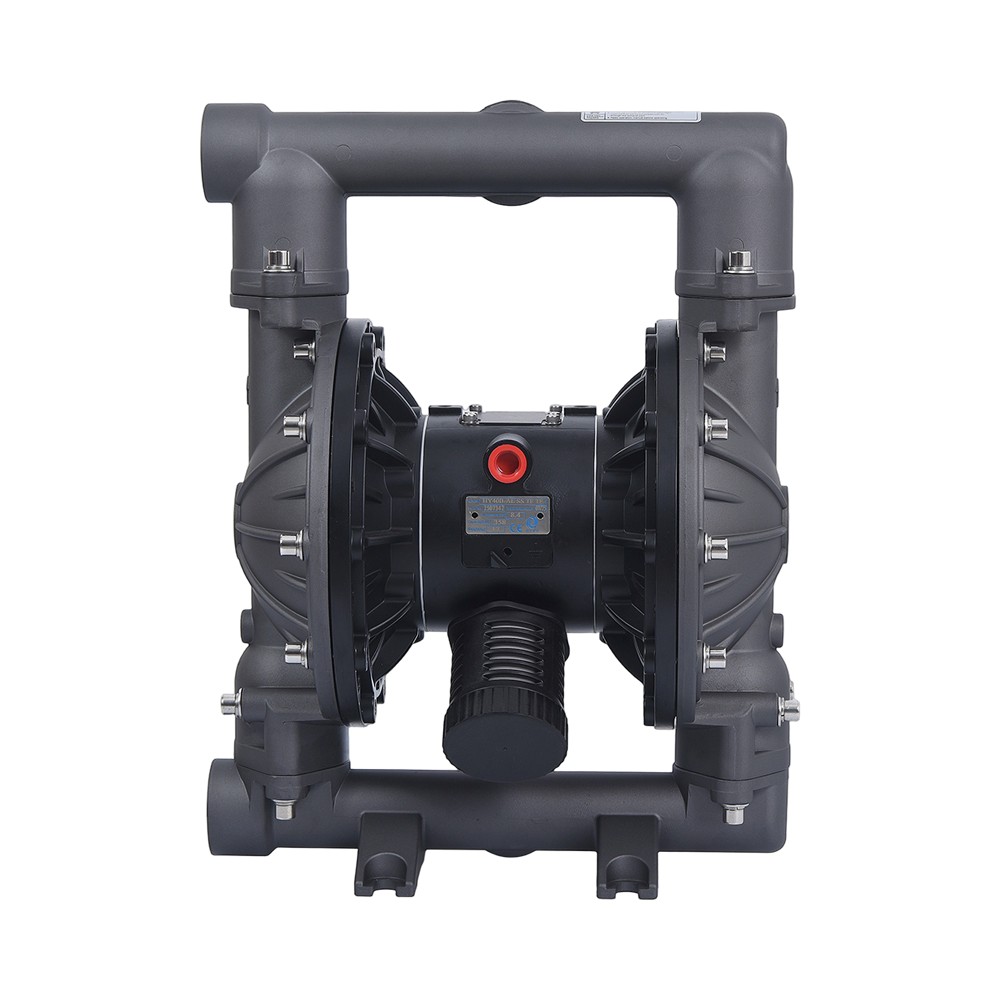 Pneumatic Diapagm Pump Manufacturer | AODD Diapagm PumpShanghai Haoyang Pump Valve Manufacturing Co., Ltd. is a China pneumatic double diapagm pump manufacturers and AODD diapagm pump factory,...View Product →
Content
- 1 What Is an Air Operated Double Diaphragm Pump?
- 2 How Does an Air Operated Double Diaphragm Pump Work?
- 3 What Are the Key Features and Benefits of AODD Pumps?
- 4 What Are the Limitations of AODD Pumps and How to Address Them?
- 5 Where Are Air Operated Double Diaphragm Pumps Used?
- 6 How to Select the Right AODD Pump for Your Application?
- 7 Conclusion
What Is an Air Operated Double Diaphragm Pump?
An AODD pump is a type of positive displacement pump powered entirely by compressed air. It consists of two pump chambers, two flexible diaphragms connected by a common shaft, a pneumatic air distribution system, and a set of check valves. As compressed air alternately presses on each diaphragm, the fluid on the opposite side is drawn in and pushed out in a repeating cycle.
The key distinction between an AODD pump and a centrifugal pump is the operating principle. A centrifugal pump uses high-speed rotation to impart kinetic energy to the fluid, which means its flow rate drops as system pressure rises. An AODD pump, by contrast, displaces a fixed volume of fluid with each stroke, so its output is much more predictable and less affected by pressure changes. This makes AODD pumps especially effective for thick, abrasive, or solids-laden media that would quickly wear out or clog a centrifugal impeller.
How Does an Air Operated Double Diaphragm Pump Work?
The pumping cycle can be broken down into four clear steps. Understanding these steps makes it easier to diagnose performance issues and explain to operators why the pump behaves the way it does.
- Compressed air enters the left air chamber. The air pushes the left diaphragm to the right, and because the two diaphragms are connected by a shaft, the right diaphragm is pulled to the left at the same time.
- The left chamber expands and the right chamber compresses. As the left diaphragm moves right, the volume of the left fluid chamber increases, creating negative pressure that opens the inlet check valve and draws fluid in. Simultaneously, the right fluid chamber is compressed, which forces its fluid out through the discharge check valve and into the outlet pipe.
- The pneumatic distribution valve shifts. When the left diaphragm reaches the end of its stroke, it trips a pilot valve that signals the main air valve to switch. Compressed air is now directed into the right air chamber.
- The cycle repeats in reverse. The right diaphragm moves left, filling the right fluid chamber while the left chamber expels its fluid. This alternating motion produces a continuous, pulsating flow.
Check valves, usually ball or flap type, are essential to this process. They ensure fluid flows in only one direction, preventing backflow when the diaphragm reverses. The air distribution system, often an internally mounted spool valve, handles the switching automatically without any external control signal. Since the pumping action is driven solely by compressed air, the pump can operate safely in explosive atmospheres where electrical motors would present an ignition risk.
What Are the Key Features and Benefits of AODD Pumps?
AODD pumps have earned their reputation in industrial settings because of a combination of operational advantages that few other pump types can match in a single package.
- Dry-run capability: An AODD pump can run indefinitely without fluid without damaging its internal components. This is a major advantage over centrifugal pumps, which rely on the pumped fluid to lubricate and cool the seal area.
- Self-priming: The pump creates strong suction and can lift liquid from a dry start without manual priming. It also handles interrupted flow well, automatically resuming once fluid returns.
- Leak-free design: With only static seals and no rotating shaft seal, AODD pumps do not leak fluid to the atmosphere. This makes them well suited for hazardous or expensive chemicals where drips and spills are unacceptable.
- Intrinsic explosion safety: No electric motor or wiring means no sparks. Compressed air is the only energy source, so the pump is naturally safe for flammable liquids, solvents, and dusty environments.
- Ability to handle difficult media: These pumps can move high-viscosity fluids, slurries with suspended solids, abrasive suspensions, and shear-sensitive products like latex, food emulsions, and biological liquids without degrading them.
- Variable flow control: Operators can adjust flow rate simply by regulating the inlet air pressure or air volume. This makes AODD pumps easy to integrate into filling, dosing, and metering applications.
- Portability and simple maintenance: The compact design and absence of complex rotating parts make these pumps easy to install, relocate, and service. Replacing diaphragms or check valves can usually be done on site in under an hour.
What Are the Limitations of AODD Pumps and How to Address Them?
No pump type is perfect, and an honest assessment of AODD pump limitations helps avoid surprises during installation and operation. The three most commonly cited drawbacks are noise, ice formation in the exhaust, and pressure limitations. All of them are manageable with the right configuration.
Noise. AODD pumps exhaust spent compressed air directly into the atmosphere, which generates significant noise, especially at higher operating speeds. The practical remedy is to install a muffler on the exhaust port or place the pump in an acoustic enclosure. Many pumps already come with a basic silencer, but adding a more effective one can reduce noise levels considerably in permanent installations.
Icing at the exhaust. When compressed air expands rapidly through the exhaust port, it cools the surrounding air and causes moisture to condense and freeze. This can restrict exhaust flow and eventually stall the pump in humid environments. Solutions include using a refrigerated air dryer, installing an air filter-regulator-dryer unit upstream of the pump, or routing the exhaust to a heated area. In cold conditions, periodic automatic draining of the air receiver also helps.
Pressure and pulsation limits. An AODD pump is generally best suited for discharge pressures up to roughly 100 to 125 psi (7 to 8.6 bar), depending on the model and air supply. For very high pressure duties, a plunger pump or high-pressure centrifugal is more appropriate. Additionally, the alternating diaphragm action produces a pulsating flow that can create vibration and hydraulic hammer in the piping. Fit a pulsation dampener for smoother flow on the discharge side to reduce these pressure spikes and improve system stability. In practice, these limitations are well understood and easily managed in most industrial installations.
Where Are Air Operated Double Diaphragm Pumps Used?
The versatility of AODD pumps is best illustrated by the range of industries that rely on them daily. The common thread in all these applications is the need to move fluids that would damage, clog, or complicate other pump designs.
Chemical and Petrochemical Processing
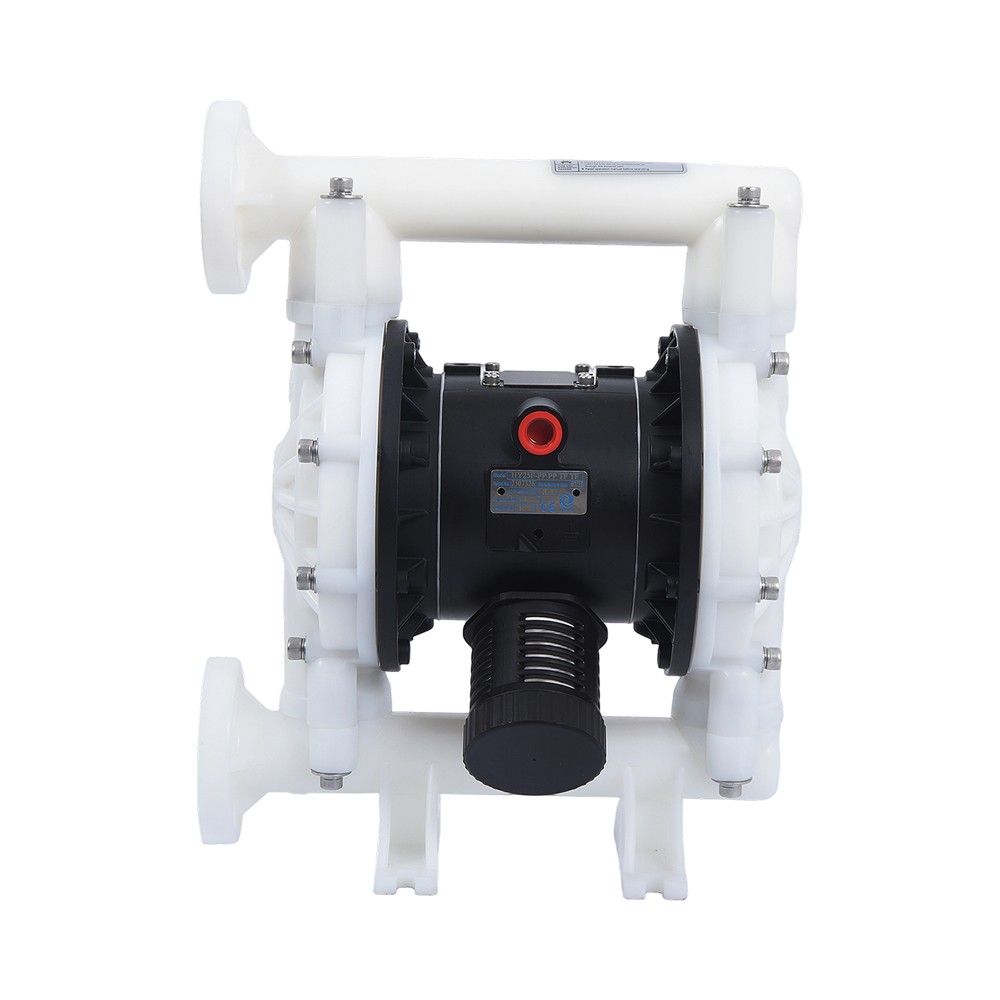
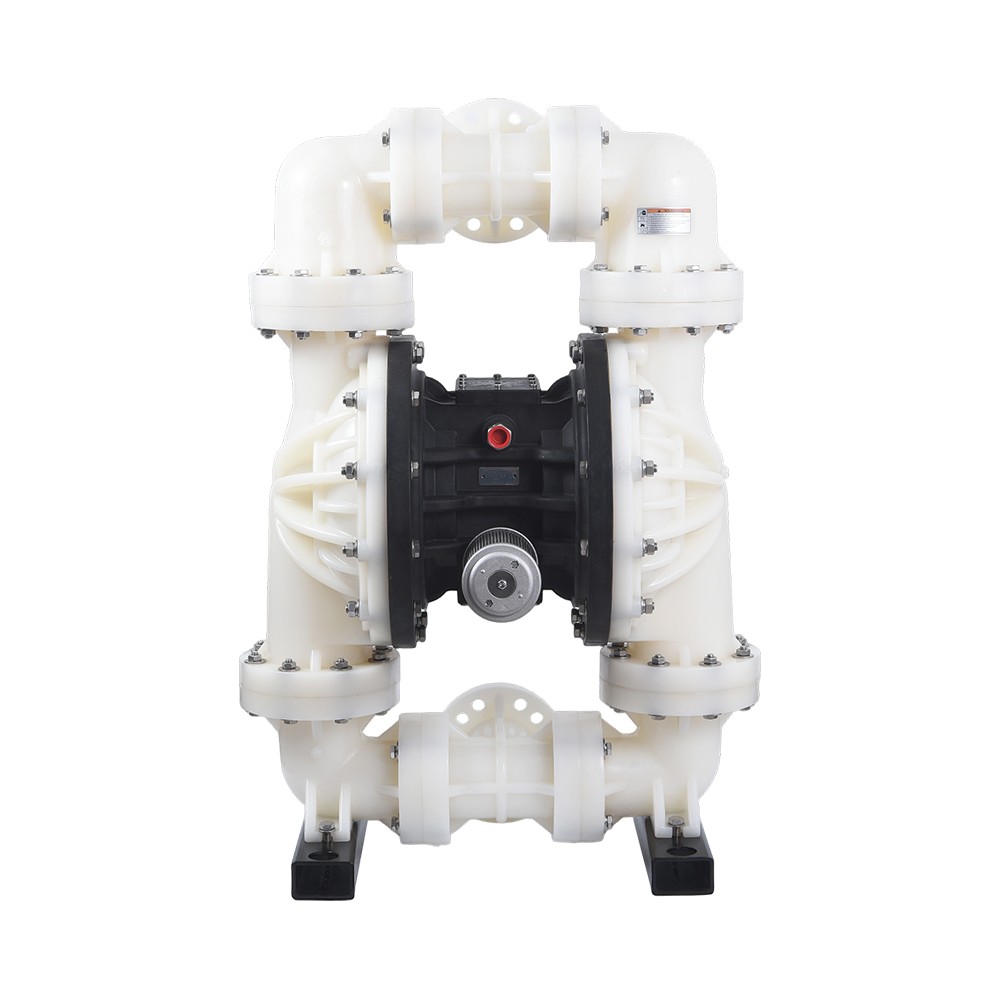
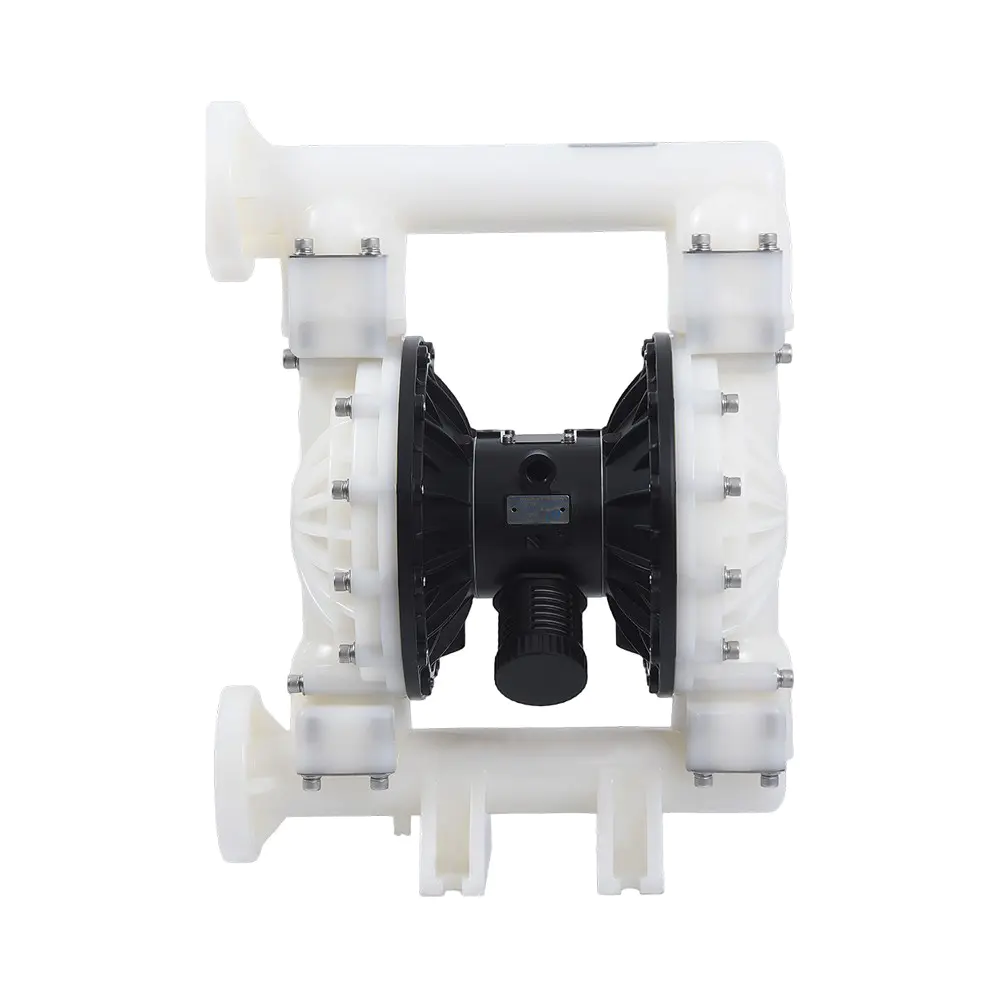
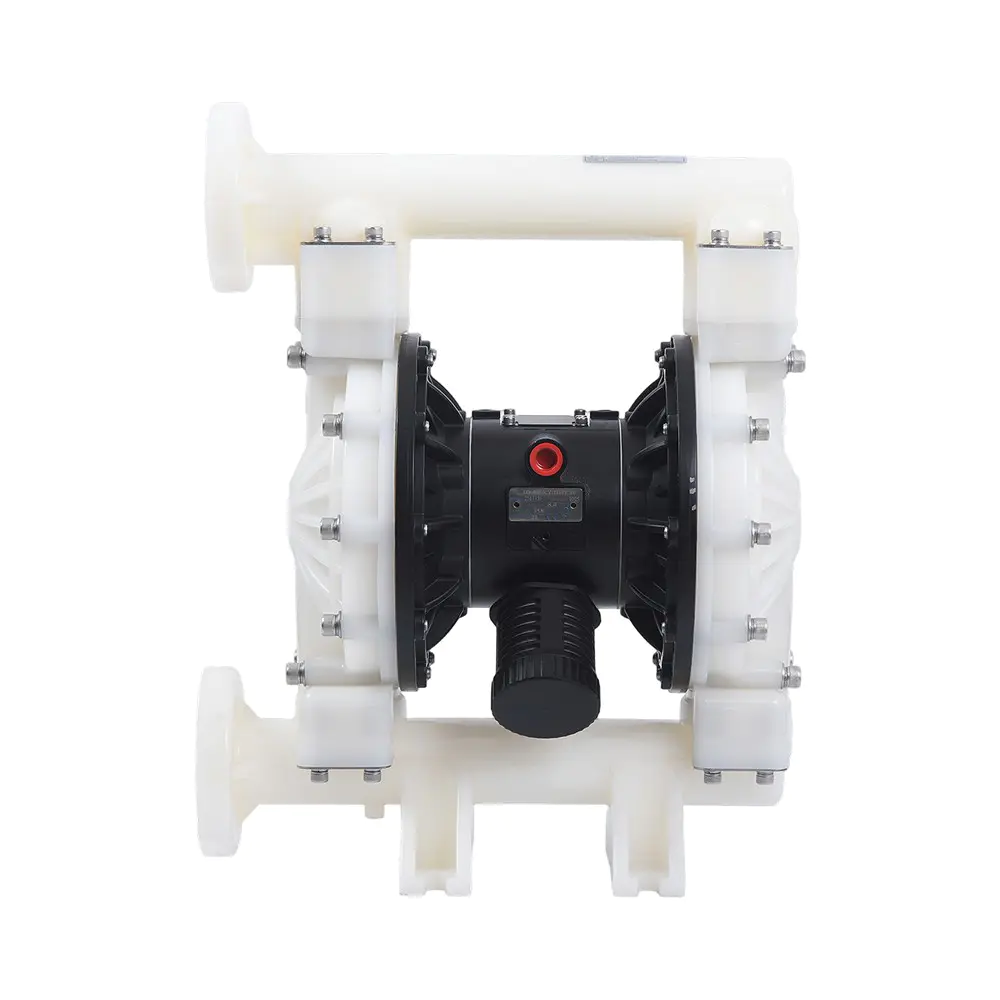
Chemical plants use AODD pumps to transfer acids, caustics, solvents, and polymer emulsions. Because the pump requires no electrical power, it can safely handle flammable liquids like acetone, toluene, and alcohols in areas classified as explosive atmospheres. Material selection is critical here, as the pump body must be chemically compatible with the fluid. PP and PVDF bodies resist many aggressive acids and solvents, while stainless steel suits both corrosive chemicals and high-purity applications. For strong mineral acids and high-temperature chemical service, review PVDF (Kynar) diaphragm pumps for aggressive chemicals to confirm compatibility with your specific fluid matrix.
Environmental and Water Treatment
Municipal and industrial wastewater treatment facilities use AODD pumps for sludge transfer, polymer flocculant dosing, and lime slurry feeding. The pump’s ability to handle high solids content without clogging is the primary reason for its popularity here. Frequent dry running, often unavoidable when tanks are emptied, is also harmless to the pump.
Food, Beverage, and Pharmaceutical
These industries require hygienic transfer of shear-sensitive products. AODD pumps move fruit pulp, chocolate, honey, jam, dairy products, pharmaceutical suspensions, and active ingredients without breaking down their structure. Stainless steel construction meets hygiene and corrosion requirements, and the sealed design prevents contamination from leaking out or bacteria from entering. In food and beverage service, the stainless steel AODD pump series is the natural starting point during specification.
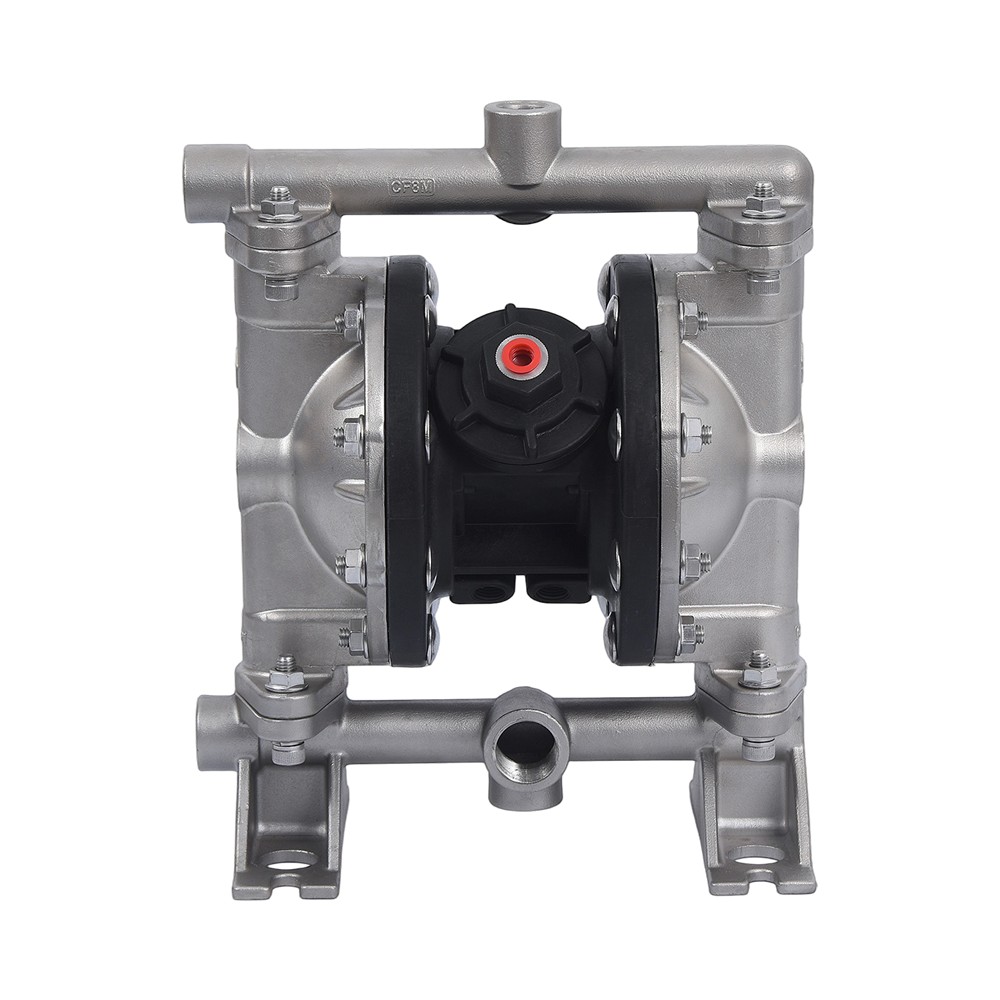 Custom 1/2Shanghai Haoyang Pump Valve Manufacturing Co., Ltd is top China 1/2'|3/4' Stainless steel diaphragm pump manufacturers and custom factory...View Product →
Paints, Coatings, and Ceramics
High-viscosity paints, ceramic glazes, and abrasive pigment slurries are difficult to transfer with centrifugal pumps because of settling and wear. AODD pumps handle these media gently but firmly, and their slow stroke speed minimizes abrasion on internal parts. Maintenance costs remain low even when pumping materials with significant solid content.
Mining and Construction
Mine dewatering, mud transfer, tailings handling, and shotcrete application all benefit from AODD pumps. Their portability allows them to be moved easily around a site, and their dry-run capability means they can pump down a sump completely without operator supervision.
General Industrial
Inks, adhesives, resins, and lubricants are routinely circulated, transferred, or metered with AODD pumps. Their simplicity translates into lower maintenance training requirements, and the ability to quickly adjust flow by turning a regulator is a practical advantage on production lines.
How to Select the Right AODD Pump for Your Application?
Selecting the right AODD pump is a matter of matching the pump construction and size to your specific process conditions. A systemic four-step approach reduces the risk of premature failures and performance issues.
Step 1: Identify the Fluid Characteristics
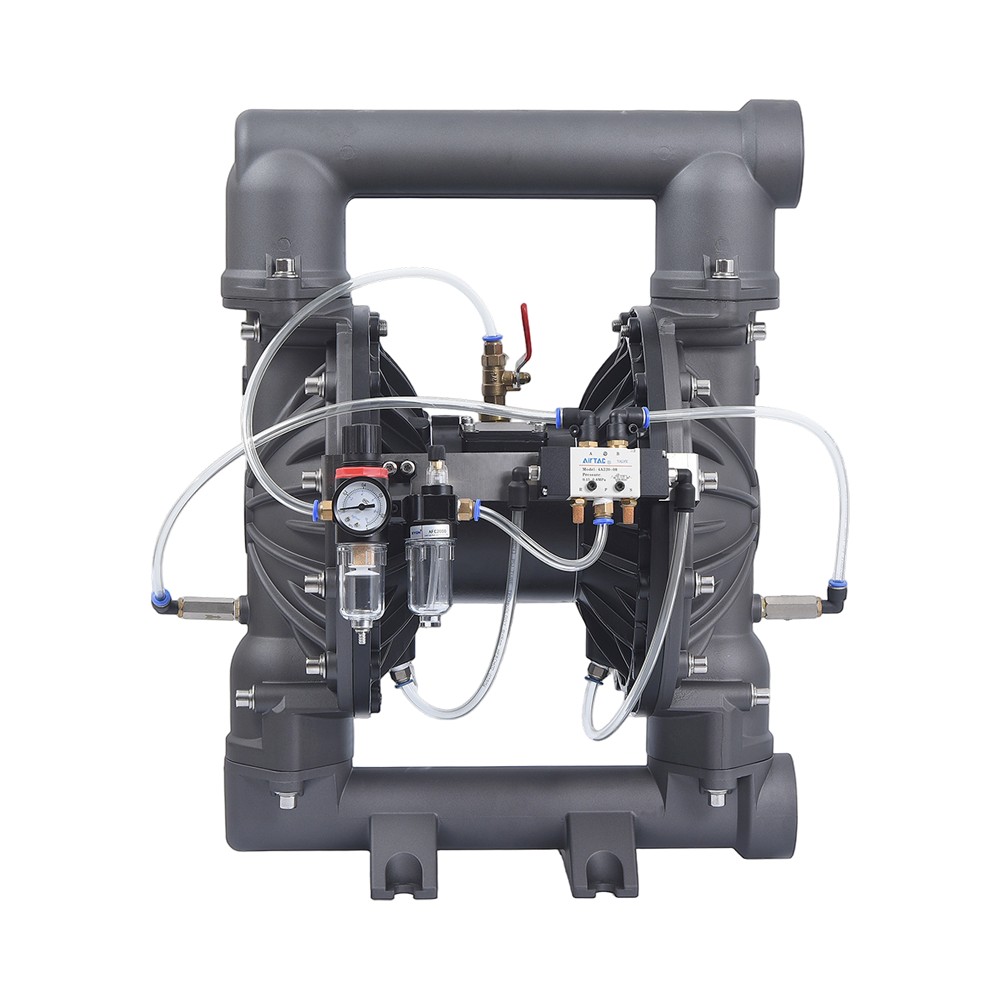
Chemical compatibility should be your starting point because it dictates the wetted material selection. Aluminum bodies are economical and work well with petroleum products, water, and many solvents that are not highly corrosive. Stainless steel bodies suit food products, pharmaceuticals, seawater, and mildly corrosive chemicals, offering easier sanitization. Polypropylene (PP) bodies resist a broad range of strong acids, alkalis, and industrial chemicals at moderate temperatures, making them a common choice in chemical transfer service. PVDF (Kynar) offers the widest chemical compatibility and higher temperature tolerance, which is why it is preferred for demanding environments involving concentrated acids, oxidizers, and ultrapure fluids. For general industrial service where corrosion is not a concern, aluminum body AODD pumps offer the most cost-effective starting point.
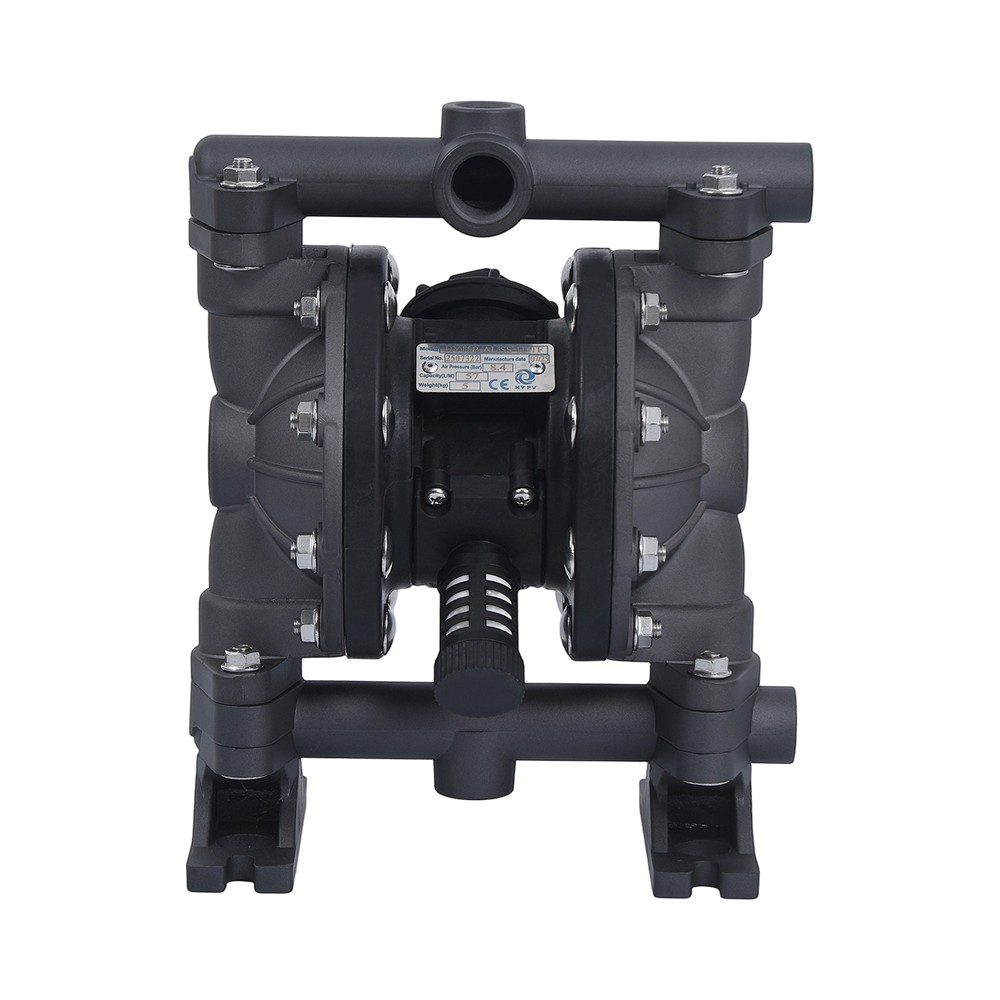 Custom 1/2Shanghai Haoyang Pump Valve Manufacturing Co., Ltd is top China 1/2'|3/4' Aluminum diaphragm pump manufacturers and custom factory,Fluid ...View Product →
Step 2: Define Your Flow and Head Requirements
Determine the maximum flow rate you need in gallons per minute and the total discharge pressure or vertical lift the pump must overcome. These two parameters define the required pump size and drive the connection port diameter. A 1/4-inch pump may deliver a few gallons per minute, while a 3-inch model can deliver over 200 gallons per minute at moderate pressure. Always check the pump manufacturer’s performance curve, because AODD flow varies with both air pressure and discharge head.
Step 3: Evaluate the Installation Environment
Consider whether the pump will be installed in a potentially explosive area, used in a portable role, or placed in a noise-sensitive location. If an explosive atmosphere is possible, confirm that the pump is fully pneumatic and that any accessories are rated accordingly. If space is tight or the pump must move between workstations, individual material series often provide compact, portable options with handles or mounting brackets.
Step 4: Plan for Maintenance and Spare Parts
AODD pumps are among the most repairable pumps on the market, but ease of access to diaphragms, ball valves, and seats varies by design. Choose a model that allows fast disassembly without special tools. Confirm that spare parts are available from the manufacturer and that seal kits match the fluid temperature and chemical environment. A manufacturer that can supply genuine consumable kits, such as diaphragms and valve balls, will help you avoid costly downtime later.
The table below summarizes how different material classes align with typical application needs. Use it as a preliminary reference, then consult with the manufacturer to verify compatibility with your exact chemical concentration and temperature.
| Pump Body Material | Typical Applications | Key Strengths |
|---|---|---|
| Aluminum | General industrial fluids, oils, fuels, water | Low cost, good thermal conductivity, lightweight |
| Stainless Steel | Food, beverage, pharmaceutical, corrosive fluids | Hygienic, highly corrosion-resistant, strong |
| Polypropylene (PP) | Acids, alkalis, chemical transfer and dosing | Excellent chemical resistance, low cost |
| PVDF (Kynar) | Aggressive acids, oxidizers, high-purity chemicals | Broadest chemical compatibility, high purity |
Conclusion
An air operated double diaphragm pump is a versatile, reliable, and safe solution for transferring fluids across a broad cross-section of industry. Its ability to run dry, self-prime, handle abrasive and viscous media, and operate without electricity makes it a compelling choice wherever dependability matters more than the latest engineering trend. The pump is not without limitations, but the noise, icing, and pulsation issues are all well-known problems with standard, effective countermeasures.
When you move from understanding the technology to shortlisting suppliers, focus on the four selection pillars covered above: fluid compatibility, flow and head requirements, installation environment, and maintainability. These criteria will guide you toward the right material and port size, whether that is an economical aluminum-bodied pump for everyday transfer duty, a stainless steel unit for food and pharmaceutical service, or a PVDF model for demanding chemical duty. Review your process parameters against the material table, then browse our range and contact the factory for a specification review before making your final buying decision.