


 EN
EN
 English
 Français
 Español
 عربى
عربىFluid inlet/outlet size 1/4" Air inlet size 1/8" Max suction lift Dry:...
Fluid inlet/outlet size 1/2",3/4" Air inlet size 1/4" Max suction lift D...
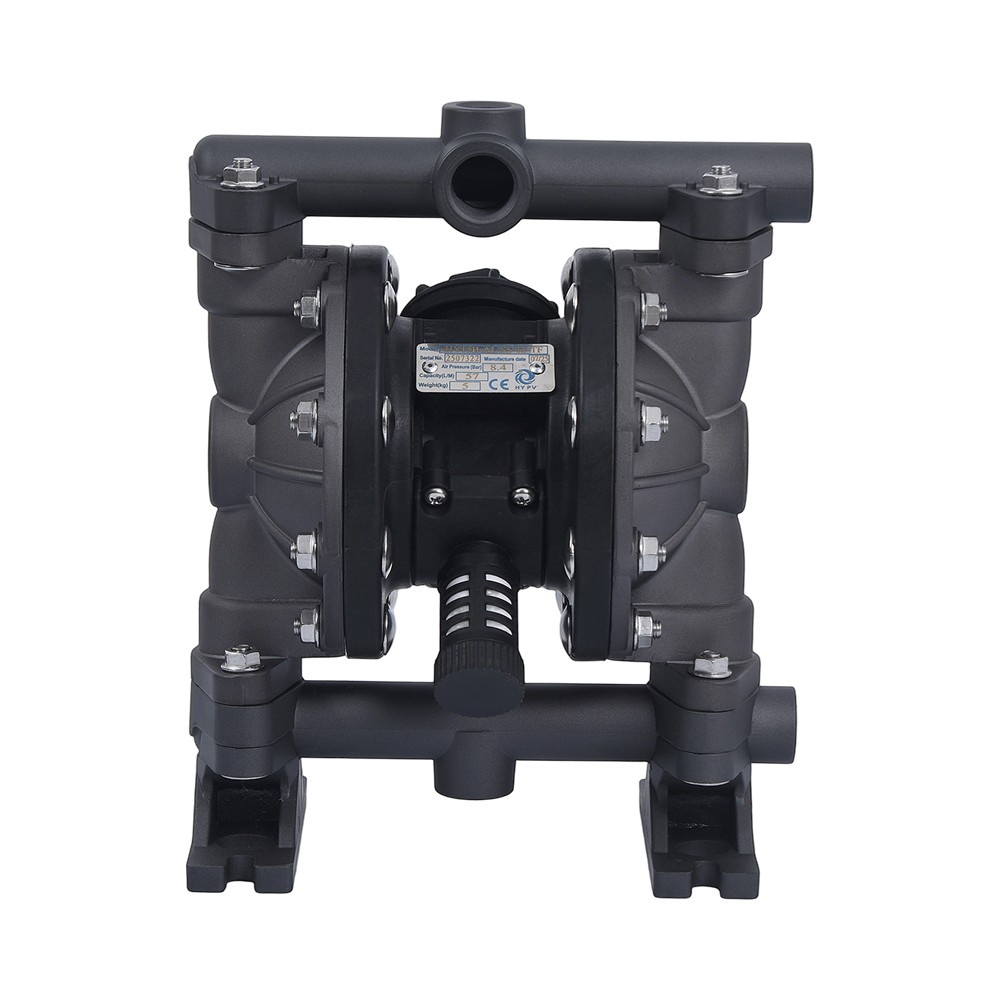
Fluid inlet/outlet size 1/2",3/4" Air inlet size 1/4" Max suction lift D...
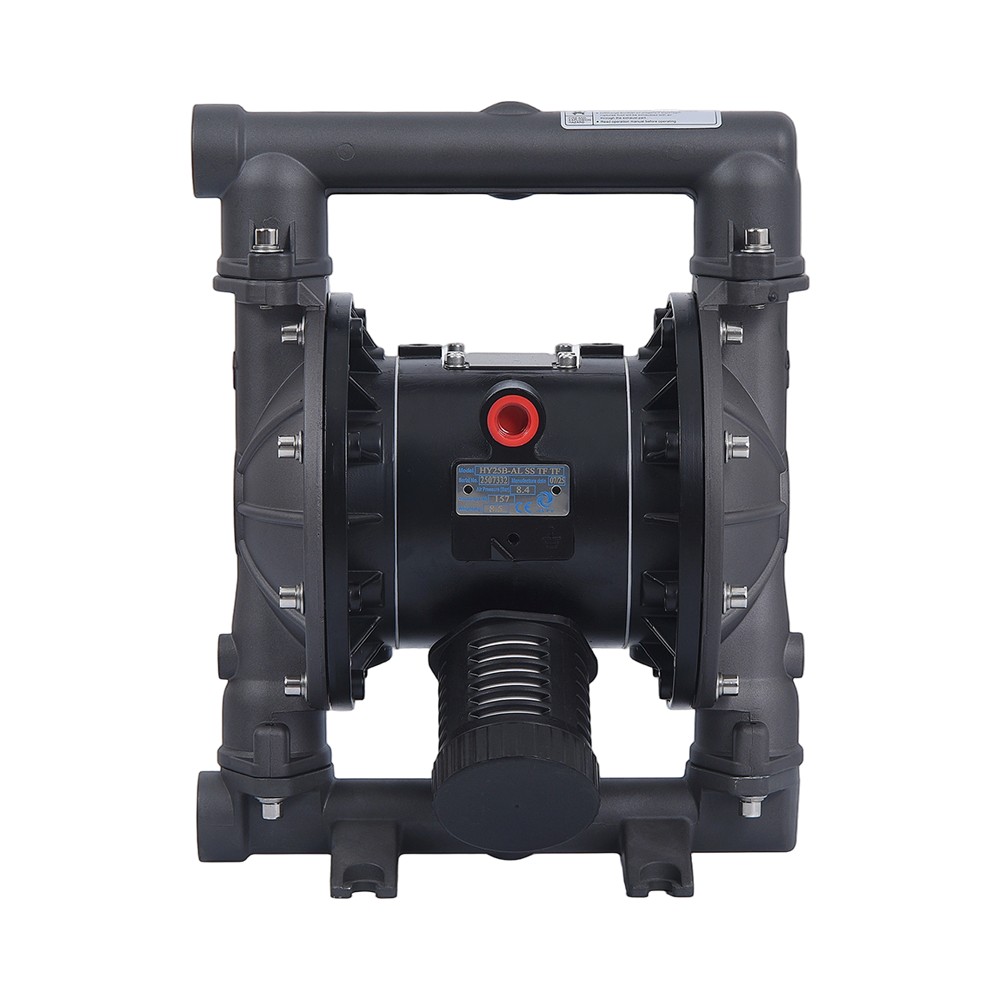
Fluid inlet/outlet size 1" Air inlet size 1/2" Max suction lift Dry: ...
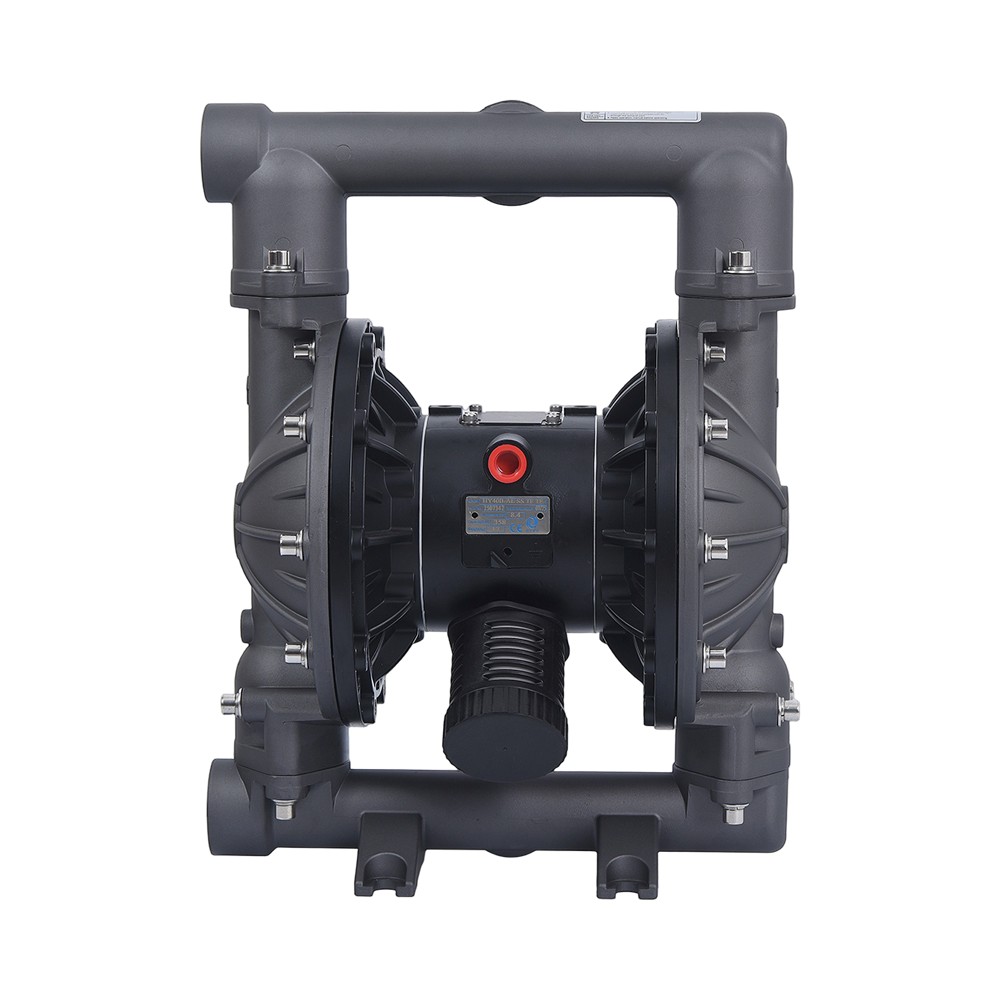
Fluid inlet/outlet size 1.5" Air inlet size 1/2" Max suction lift Dry...
Properties:
Medium abrasion resistance, good chemical resistance, good versatility, especially for common acid & alkali, Wide chemical compatibility. General Purpose. Limited temperature resistant.
Applications:
Polypropylene pumps are suitable for handling abrasive slurries, and it is resistant to most kind of aggressive chemicals such as acids and alkalis. Are widely applied in various fields, such as
tanker unloading, packing, filling, waste water treatment, fluid filtration, batching, formulation, system flush, basic transfer, recirculation and so on.
Advantages:
Affordable cost, extensive industry coverage, broad versatility.
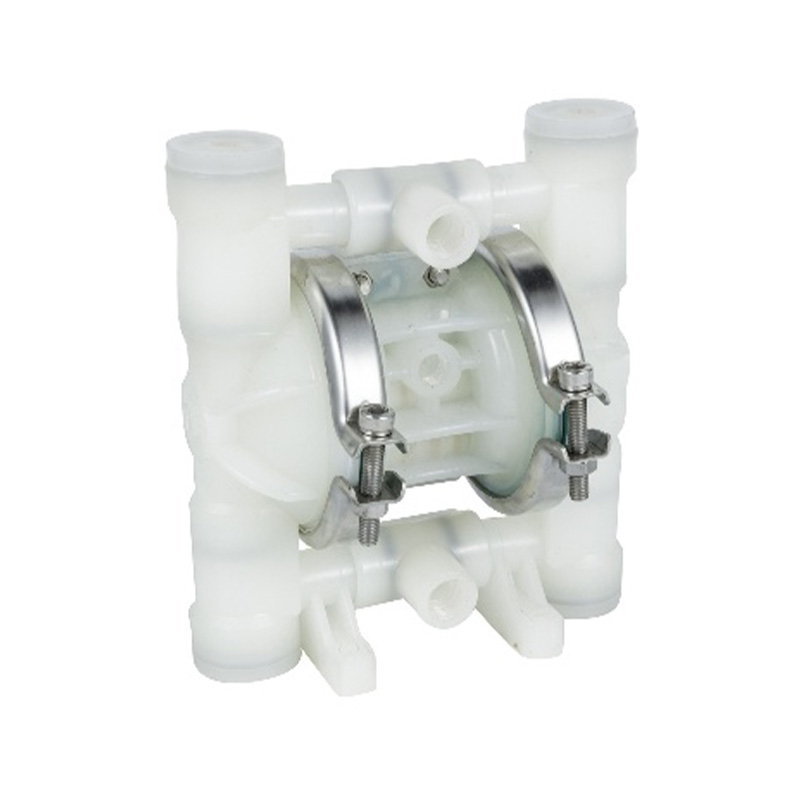
Fluid inlet/outlet size 1/4" Air inlet size 1/8" Max suction lift Dry:...
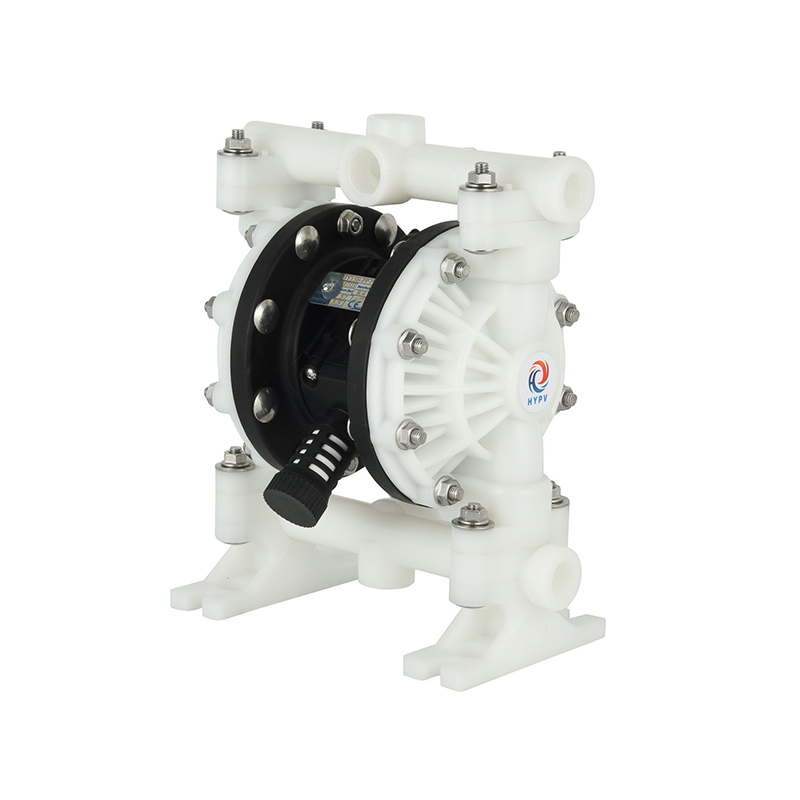
Fluid inlet/outlet size 1/2",3/4" Air inlet size 1/4" Max suction lift ...
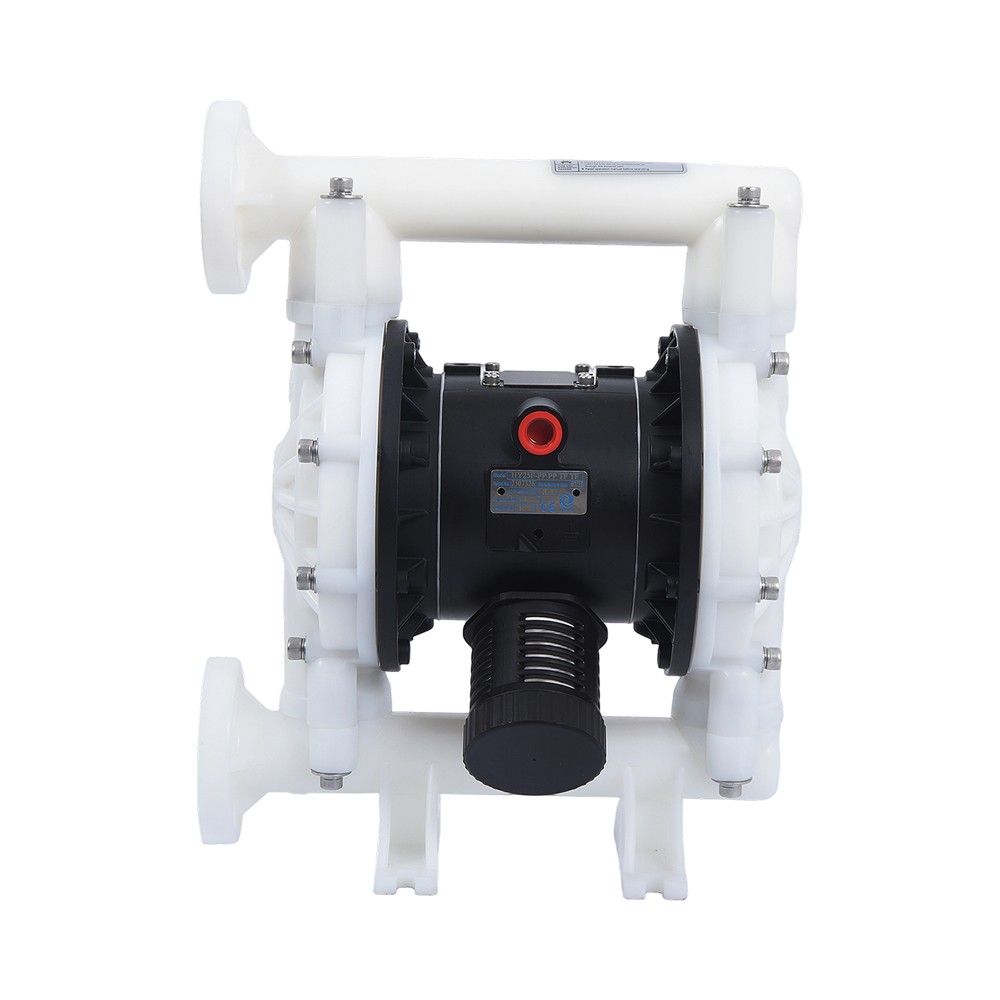
Fluid inlet/outlet size 1" Air inlet size 1/2" Max suction lift Dry: 4...
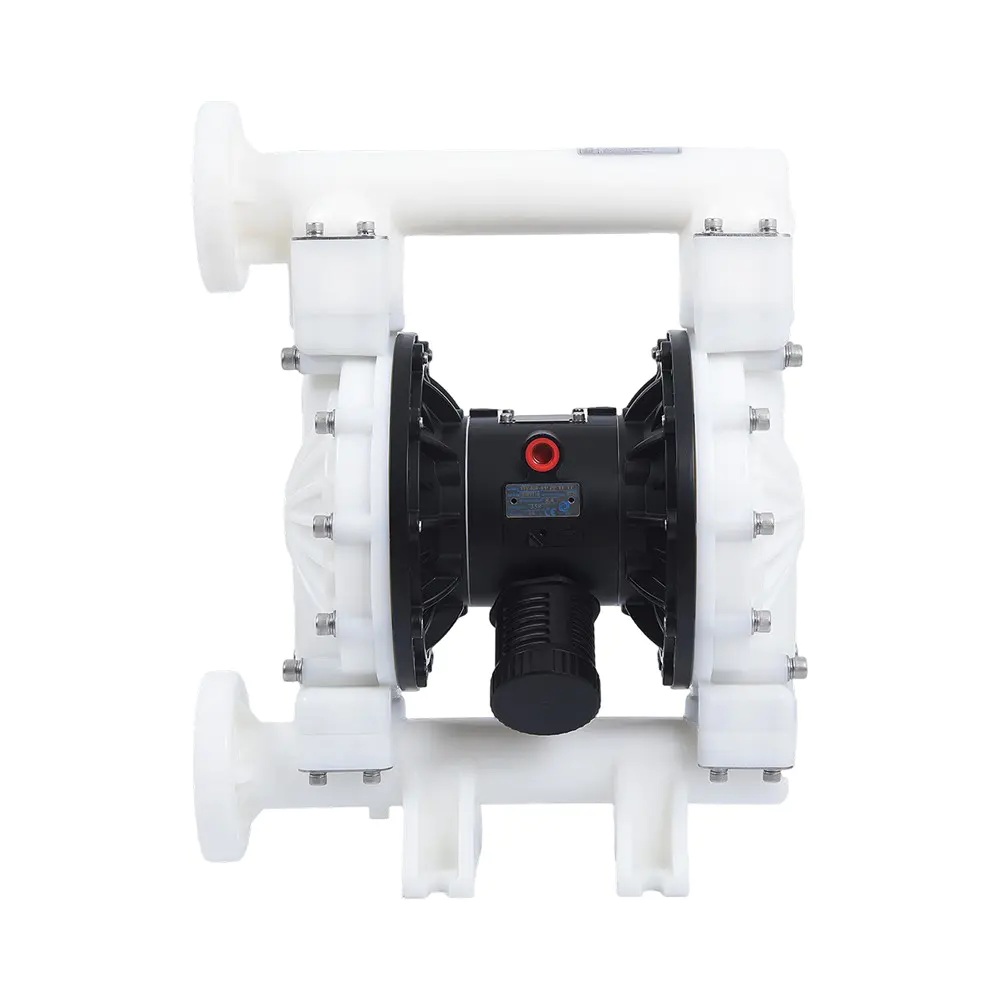
Fluid inlet/outlet size 1.5" Air inlet size 1/2" Max suction lift Dry:...
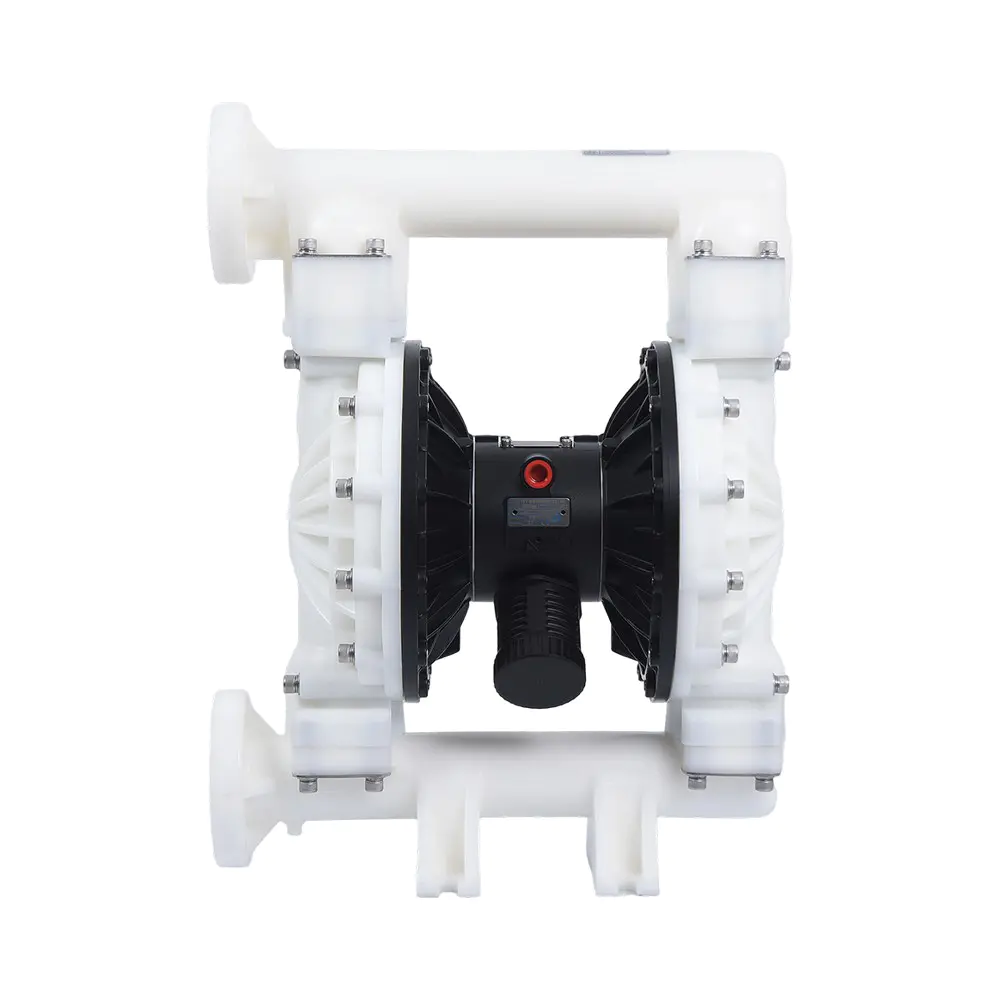
Fluid inlet/outlet size 2" Air inlet size 1/2" Max suction lift Dry: 5...
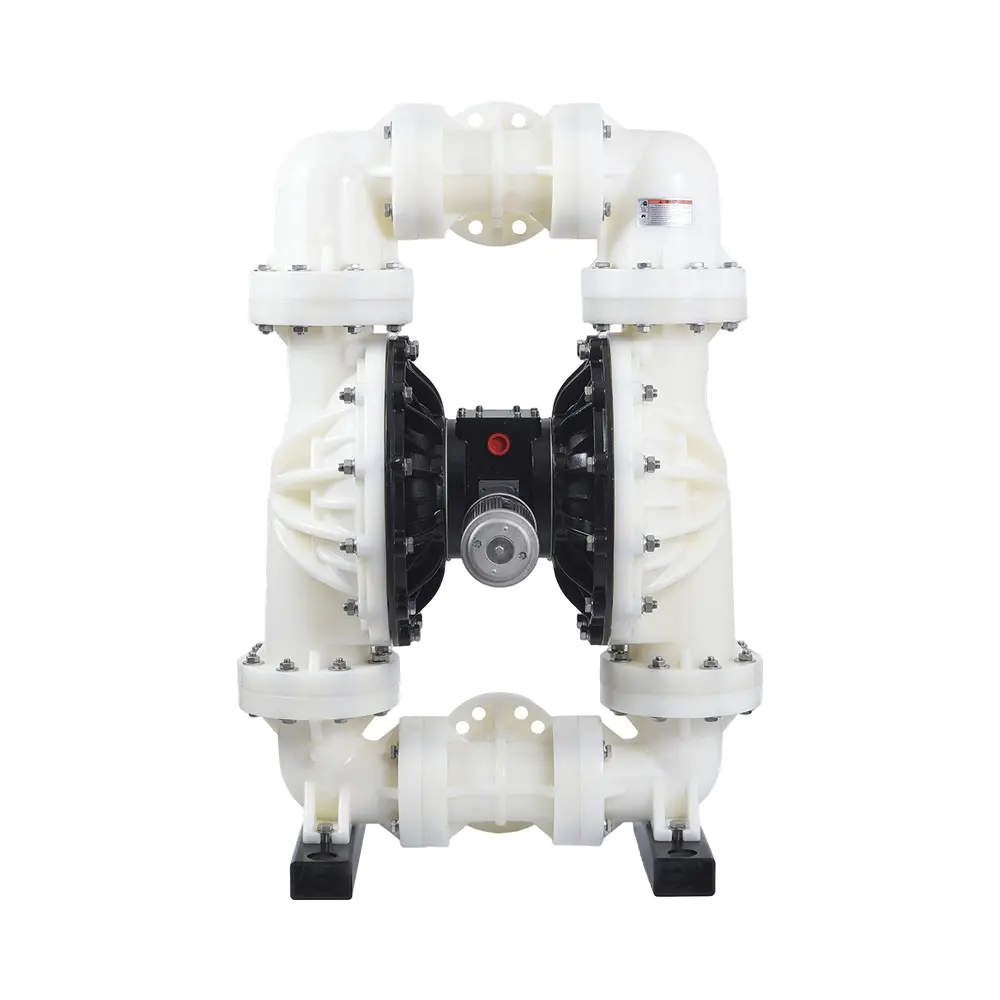
Fluid inlet/outlet size 3" Air inlet size 3/4" Max suction lift Dry: 5...
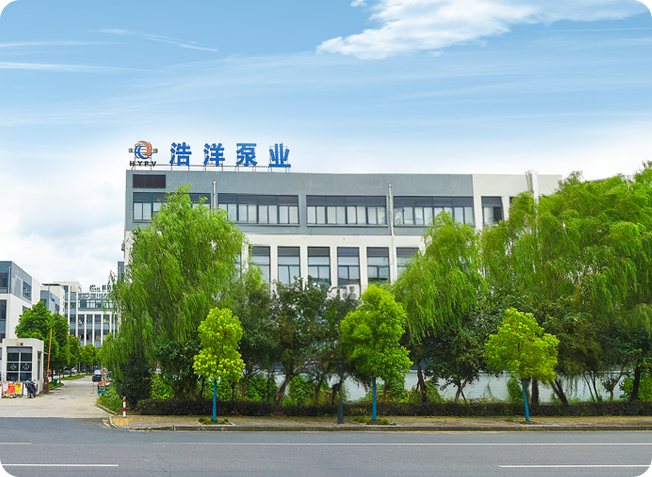

Production Base Area
Export Country
Technical staff
Project Case
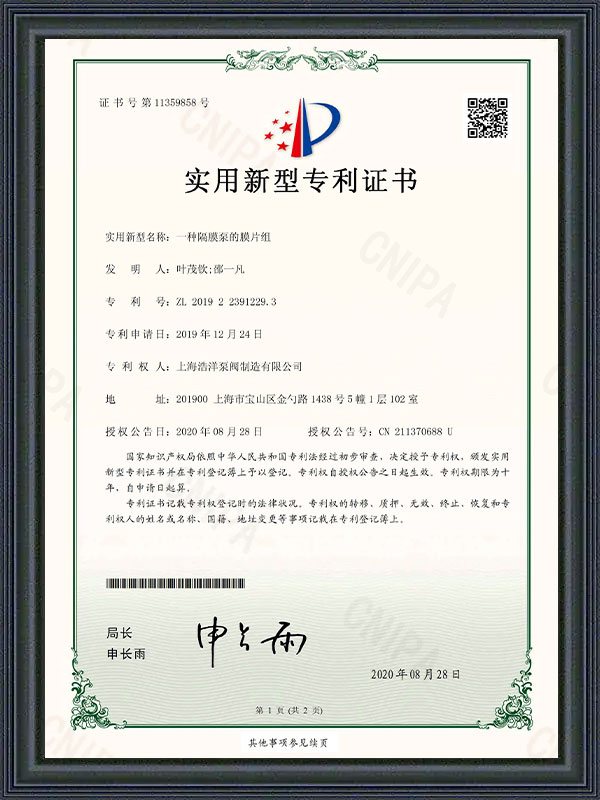
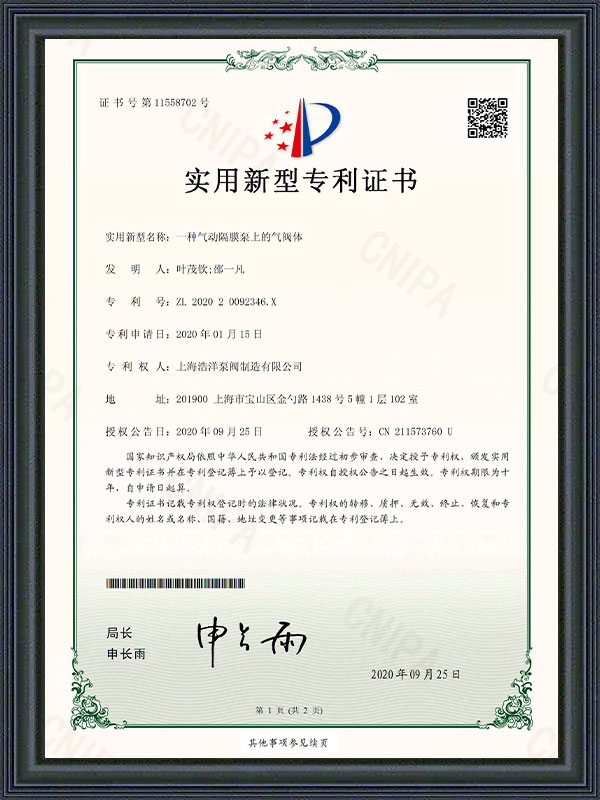
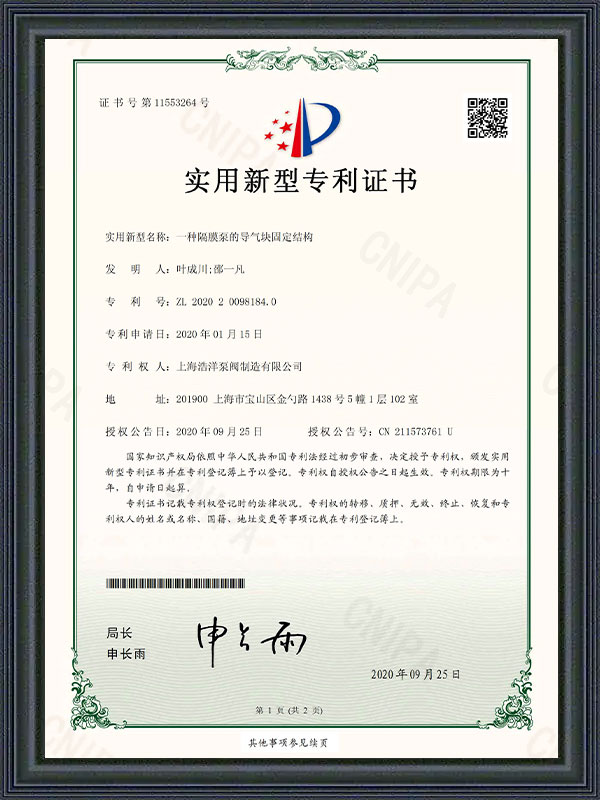
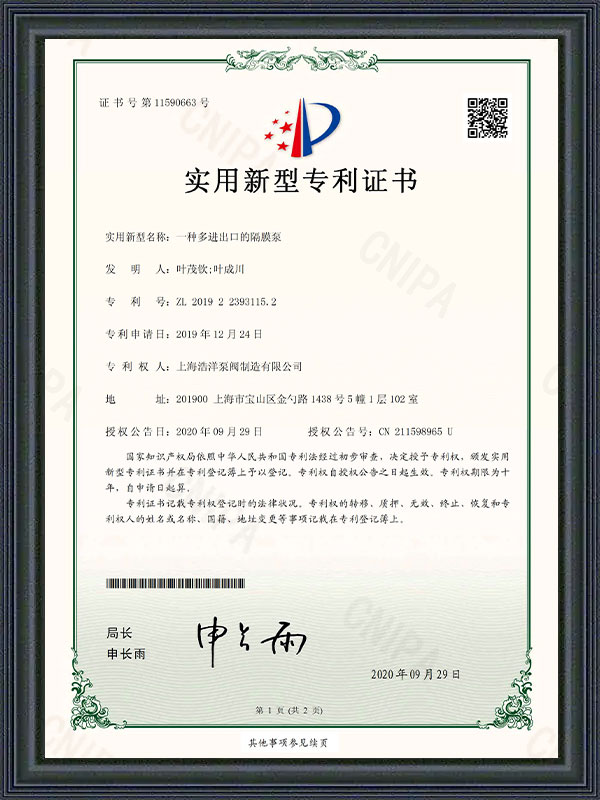
When industrial applications demand the highest levels of corrosion resistance, material purity, and durability, the stainless steel diaphragm pump stands as the undisputed champion of fluid transfer technology. These precision-engineered pumps combine the inherent advantages of diaphragm pump desi...

What Are Electric Diaphragm Pumps and Why They Dominate Industrial Fluid Handling Electric diaphragm pumps are self-priming, positive-displacement pumps designed to move a wide range of fluids safely and efficiently across industrial, commercial, and residential applications. Unlike centrifugal pum...
In the complex world of industrial fluid transfer, the pneumatic diaphragm pump (also known as an AODD pump) stands out as a silent workhorse. Its ability to handle everything from delicate food products to abrasive mining slurries makes it indispensable. But with this versatility comes a host of o...
Plastic diaphragm pumps, particularly Air-Operated Double Diaphragm (AODD) pumps, are the workhorses of fluid transfer across countless industries. Their universal appeal lies in a unique combination of features: sealless design, self-priming capability, and the ability to run dry without damage. At Shanghai Haoyang, we have elevated these foundational benefits through our HY series, enhancing them with advanced engineering to ensure they are not just functional, but also environmentally friendly, energy-efficient, and exceptionally stable. These pumps are the preferred solution for handling aggressive chemicals, abrasive slurries, and viscous fluids where other pump types fail.
What truly sets a high-quality Plastic Diaphragm Pump apart is its material science. Our pumps utilize engineered plastics like Polypropylene (PP) and PVDF, offering superior chemical resistance compared to metal pumps at a fraction of the weight. This makes them ideal for corrosive environments. The core principle—using compressed air to alternately push two diaphragms, creating a suction and discharge cycle—remains the same, but the execution of materials and precision manufacturing defines performance and longevity.
An air-operated plastic diaphragm pump uses a common shaft connecting two diaphragms. Compressed air is directed to the back of one diaphragm, pushing it away from the center chamber. This action simultaneously pulls the opposite diaphragm via the shaft. As one chamber expands, it draws fluid in through the inlet valve; as the other compresses, it pushes fluid out through the discharge valve. An air distribution system automatically shifts the air to the other chamber, creating a continuous, smooth, and pulsing flow. This simple yet genius design inherently makes the pump explosion-proof and safe for volatile environments.
Choosing between plastic and metal construction depends heavily on the application. The table below highlights the critical differences, showcasing why the Plastic Diaphragm Pump is often the superior choice for chemical handling.
| Feature | Plastic Diaphragm Pump (e.g., HY Series) | Metal Diaphragm Pump (Aluminum/Stainless Steel) |
|---|---|---|
| Chemical Resistance | Excellent against a broad range of acids and corrosives (PP, PVDF). | Good, but susceptible to corrosion from certain chemicals (e.g., chlorides on stainless steel). |
| Weight | Lightweight, easy to install and relocate. | Significantly heavier, requiring more robust supports. |
| Cost | Generally lower initial cost and maintenance cost. | Higher material and manufacturing cost. |
| Abrasion Resistance | Good for soft slurries; hard particles may cause wear over time. | Excellent for highly abrasive and heavy slurries. |
| Typical Applications | Chemical processing, plating, water treatment, food & beverage. | Mining, construction, oil & gas, high-pressure washing. |
The efficiency of a plastic diaphragm pump is not just about flow rate; it's about consistent performance across varying conditions. Our HY series, through meticulous refinement, demonstrates superior volumetric efficiency. For example, tests show that at 70 psi (4.8 bar) inlet pressure, a 1" HY model can achieve flow rates exceeding 150 L/min (40 GPM) with less than 5% performance degradation when handling fluids with viscosities up to 2000 cP, compared to standard pumps that may drop by 15-20%. This data underscores our commitment to "energy efficiency" and "high stability."
The versatility of the Plastic Diaphragm Pump is best demonstrated through its wide range of applications. Shanghai Haoyang pumps are trusted in diverse sectors, proving their reliability and adaptability.
Proper maintenance is the key to maximizing the lifespan of any plastic diaphragm pump. The simplicity of the AODD design makes this straightforward. As a manufacturer since 2006, Shanghai Haoyang recommends this routine to keep your pump operating at peak performance.
By following these steps, users can expect their Shanghai Haoyang pump to provide years of reliable, trouble-free service, reinforcing our promise of being "Your Expert in Fluid Transportation."
A: Yes, this is one of their defining advantages. Unlike centrifugal pumps that rely on fluid for cooling and lubrication, an AODD pump, such as our HY series, can run indefinitely on dry air without causing damage to the pump's internal components. This is a critical safety feature for tank stripping and unloading applications.
A: For many aggressive chemicals like strong acids (sulfuric, hydrochloric), a high-grade plastic pump made of PVDF or Polypropylene often offers superior chemical resistance compared to 316 stainless steel. Stainless steel can be susceptible to pitting and corrosion from chlorides and certain acids. Plastics are also lighter and often more cost-effective. Your choice should be guided by the specific chemical, temperature, and abrasion level. As shown in Table 1, each material has its ideal application.
A: Our HY series pumps are exceptional self-primers. They can achieve a dry suction lift of up to 5 meters (16 feet) and a wet suction lift of up to 7 meters (23 feet). This capability makes them ideal for underground tank emptying or drawing fluid from below the pump centerline.
A: Flow rate and discharge pressure are easily controlled by adjusting the inlet air pressure and/or the air volume. Reducing the inlet air pressure with a regulator will decrease both the pump speed and the discharge pressure. For independent control, you can install a variable speed valve on the air inlet to throttle the air volume, which controls the speed (strokes per minute) without significantly reducing pressure.
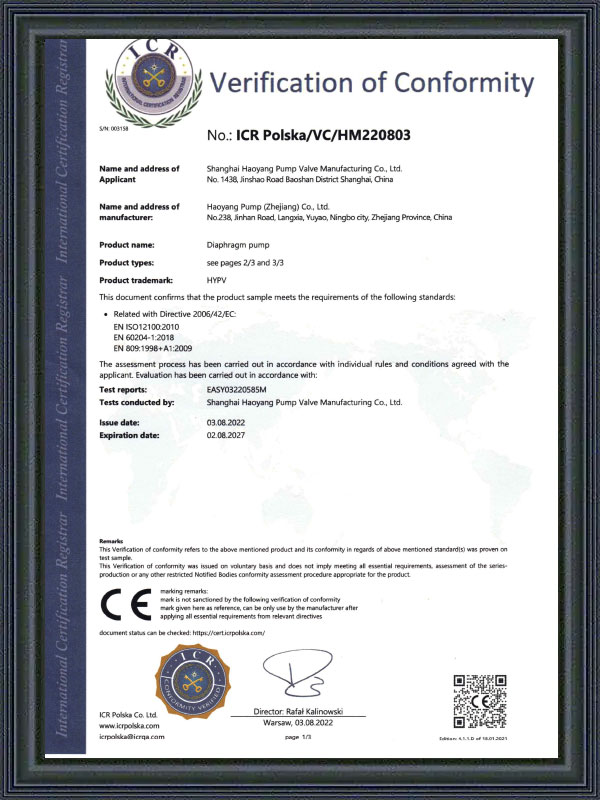
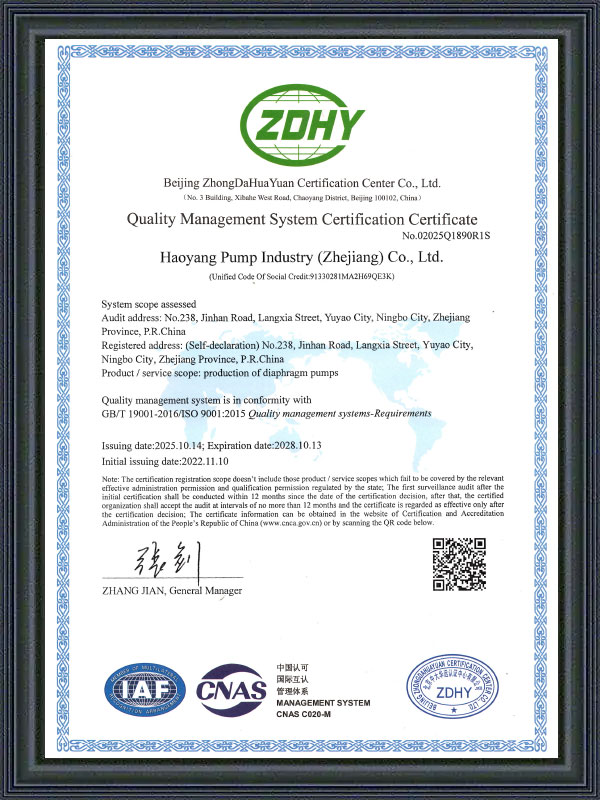
A: Absolutely. Since the pump is powered by compressed air and contains no electrical components, it is inherently explosion-proof. This is a key "product highlight" for our HY series. Furthermore, all our pumps and manufacturing processes are backed by our ISO 9001 certification and individual products carry the European CE certification, ensuring they meet stringent international safety and quality standards.

 +86-21-66769112
  [email protected]
 NO.1438 Jinshao Rd. Baoshan District Shanghai, China.
Copyright © 2025 Shanghai Haoyang Pump Valve Manufacturing Co., Ltd.
All Rights Reserved.



