


 EN
EN
 English
 Français
 Español
 عربى
عربىFluid inlet/outlet size 1/2",3/4" Air inlet size 1/4" Max suction lift ...
Fluid inlet/outlet size 2" Air inlet size 1/2" Max suction lift Dry: ...
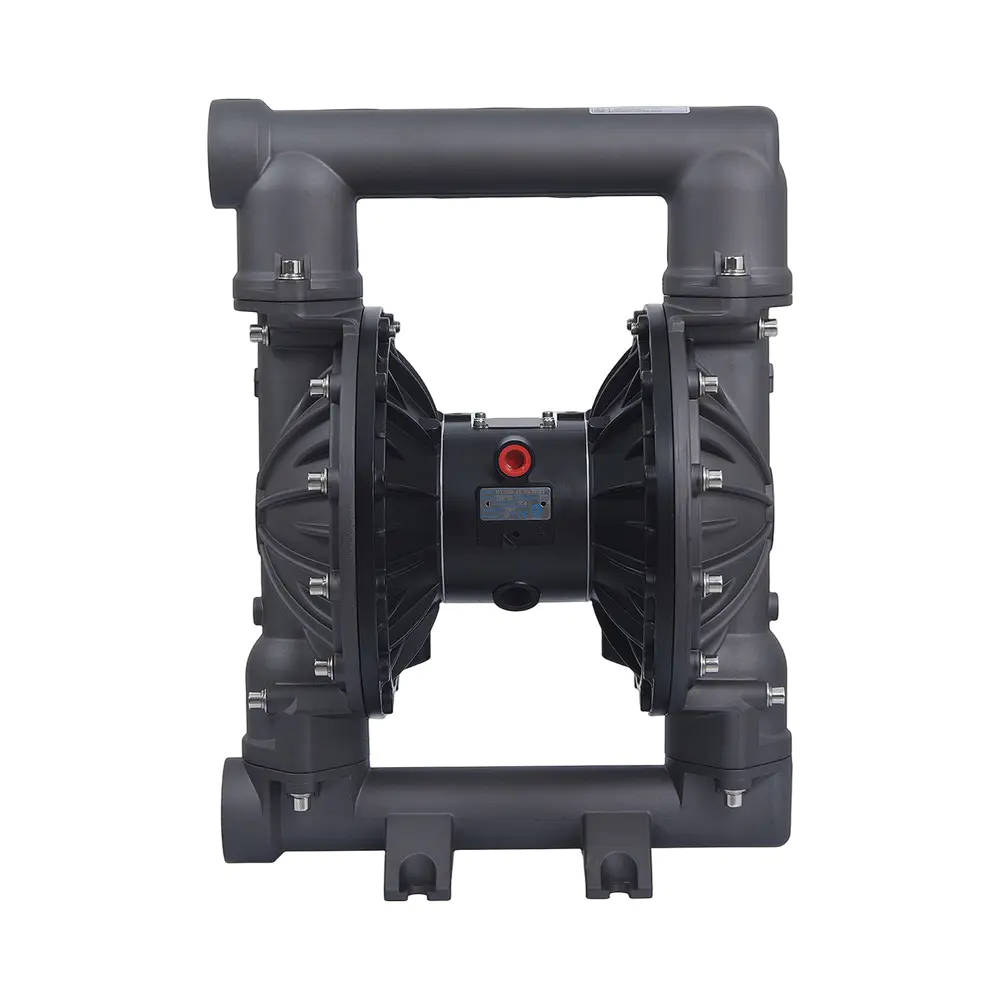
Fluid inlet/outlet size 2" Air inlet size 1/2" Max suction lift Dry: ...
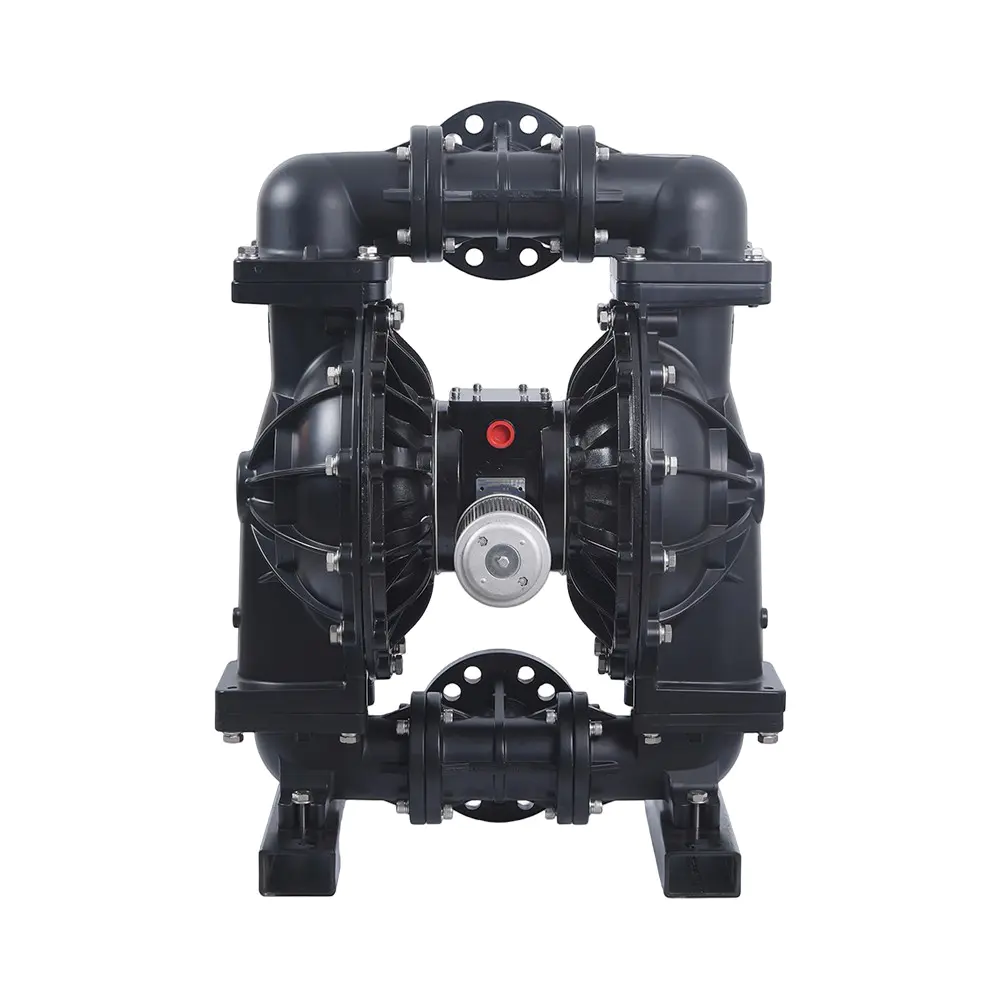
Fluid inlet/outlet size 3" Air inlet size 3/4" Max suction lift Dry: 5...
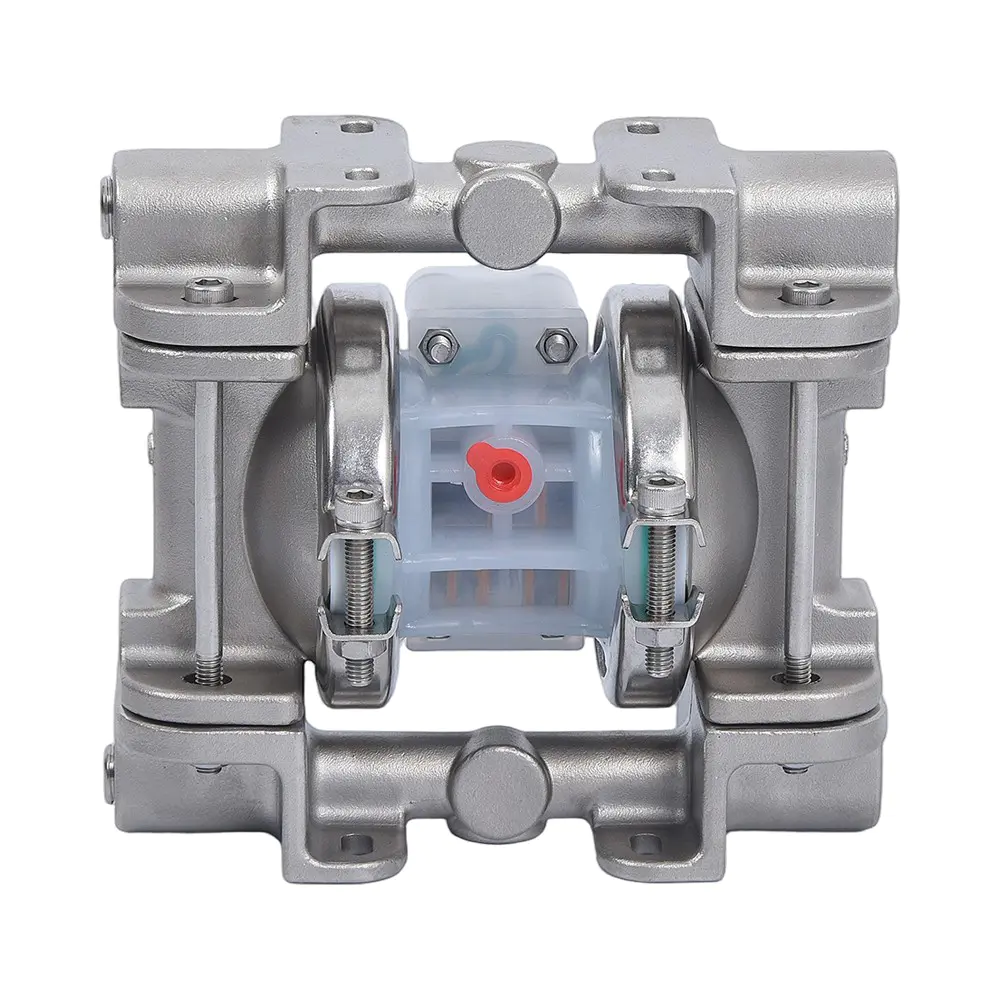
Fluid inlet/outlet size 1/4" Air inlet size 1/8" Max suction lift Dry:...
Pneumatic diaphragm pump, also known as a membrane pump, is a type of positive displacement pump that utilizes a flexible membrane (diaphragm) as its main pumping element to transfer and pressurize a fluid. Diaphragm pumps are employed for low-pressure and low flow situations, allowing users in industries to standardize on a pump type that is suitable for a wide range of fluids.
The sole requirement is a compressed air supply. Diaphragm pumps are utilized in numerous industries. There are a vast number of construction materials available to produce various configurations for challenging fluids. In addition to the fluid handling properties, diaphragm pumps can be specified for ATEX, FDA, and 3A hygienic applications, and can be used to pump many types of liquids and slurries.
(1) Simple construction, easy to maintain.
(2) Run dry without damage.
(3) Higher flow rate, less maintenance.
(4) Quick-acting air valve.
(5) Free of air lubrication.
(6) Zero leak, simple operation.
(7) Can run dry without damage, dry self-priming.
(8) No mechanical seal, easy to maintain.
(9)Portable for multi-location use.
(10)Interchangeable modular design allows fewer spare parts inventories.
Main Applications
1. Chemical industry: Acids, alkalis, solvents, suspended solids, decentralize system.
2. Petrochemical industry: crude oil, heavy oil, grease, mud, sludge, etc.
3. Coatings industry: resins, solvents, coloring agent, paint, etc.
4. Cosmetic industry: detergent, shampoo, lotion, emulsion, camphor ice, surface active agents.
5. Ceramics: mud slurry pottery, lime milk, clay slurry.
6. Mining industry: coal slurry, magma, mud, mortar and explosives, lubricant, etc.
7. Water treatment: lime milk, soft sediments, sewage, chemicals, waste water.
8. The food industry: liquid semi-solid, chocolate, salt water, vinegar, syrup, vegetable oil, honey, animal blood.
9. Beverage industry: yeast, sugar syrup, concentrations, gas-liquid mixture, wine, fruit juice, corn pulp, etc.
10. Pharmaceutical industry: solvents, acids, alkalis, plant extract liquid, cream, plasma and other liquid drugs.
11. Paper industry: adhesives, reins, paints, inks, paints, hydrogen peroxide, etc.
12. Electronics industry: solvents, electroplating fluid, cleaning.
13. Textile solution: chemical dyes, resins, rubber, etc.
14. Construction industry: grout, ceramic tile adhesives, rock slurry, ceiling finish, etc.
15. Automotive industry: polishing emulsion, oil, coolant, automotive priming, oil emulsion paint, varish, varnish additives, degreasing fluid, fluid, paint, etc.
16. Furniture industry: adhesives, varnishes, decentralized system, solvents, color agent, sapwood glue, epoxy resins, starch binder.
17. Metallurgy, casting and dyeing industry: metal slurry, hydroxides and carbide slurry, dust cleaning slurry.
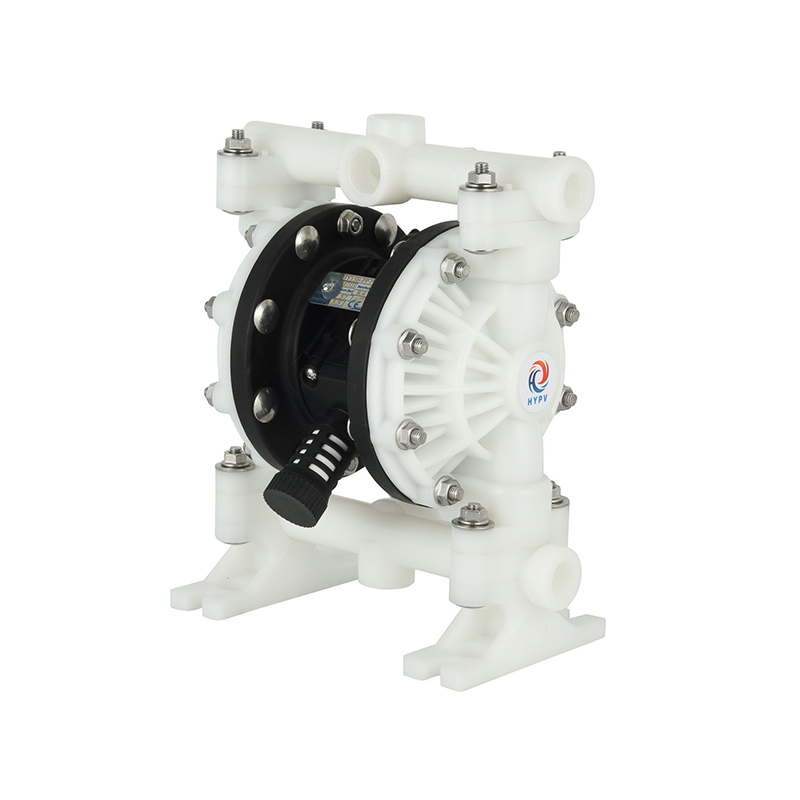
Fluid inlet/outlet size 1/2",3/4" Air inlet size 1/4" Max suction lift ...
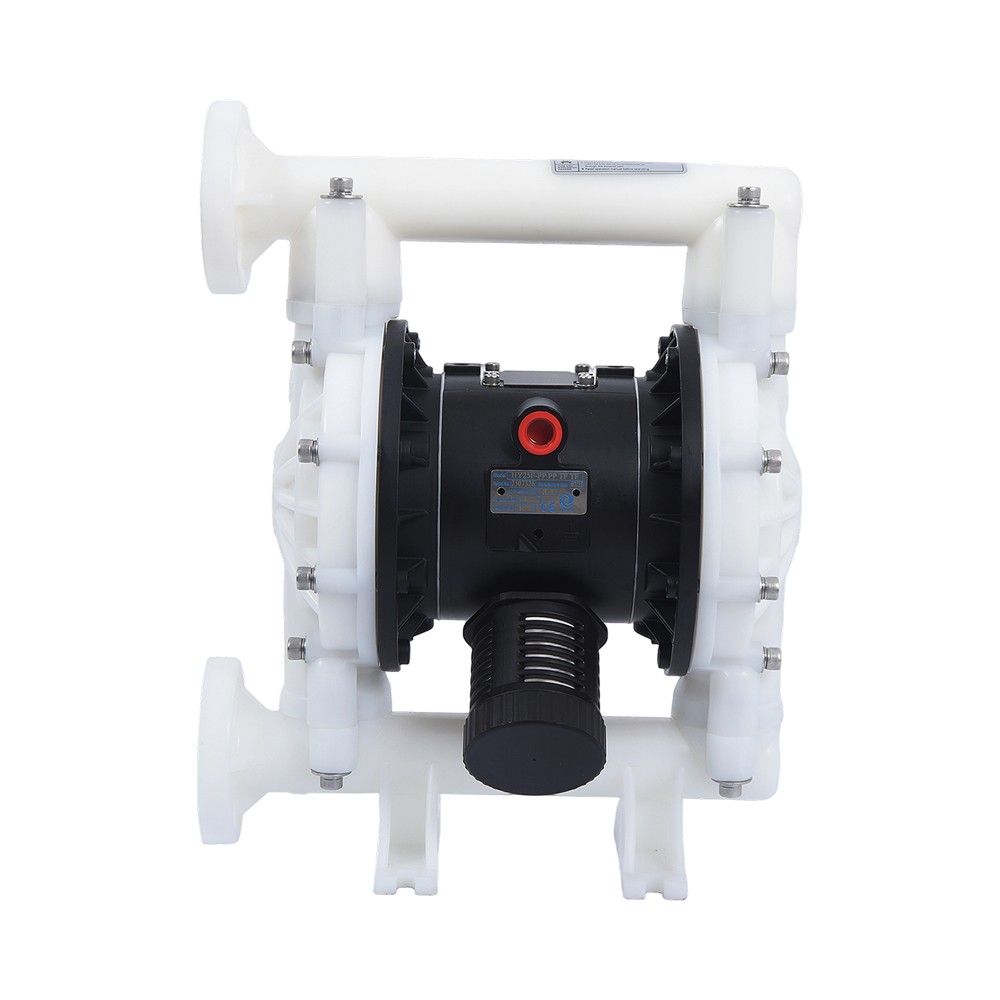
Fluid inlet/outlet size 1" Air inlet size 1/2" Max suction lift Dry: 4...
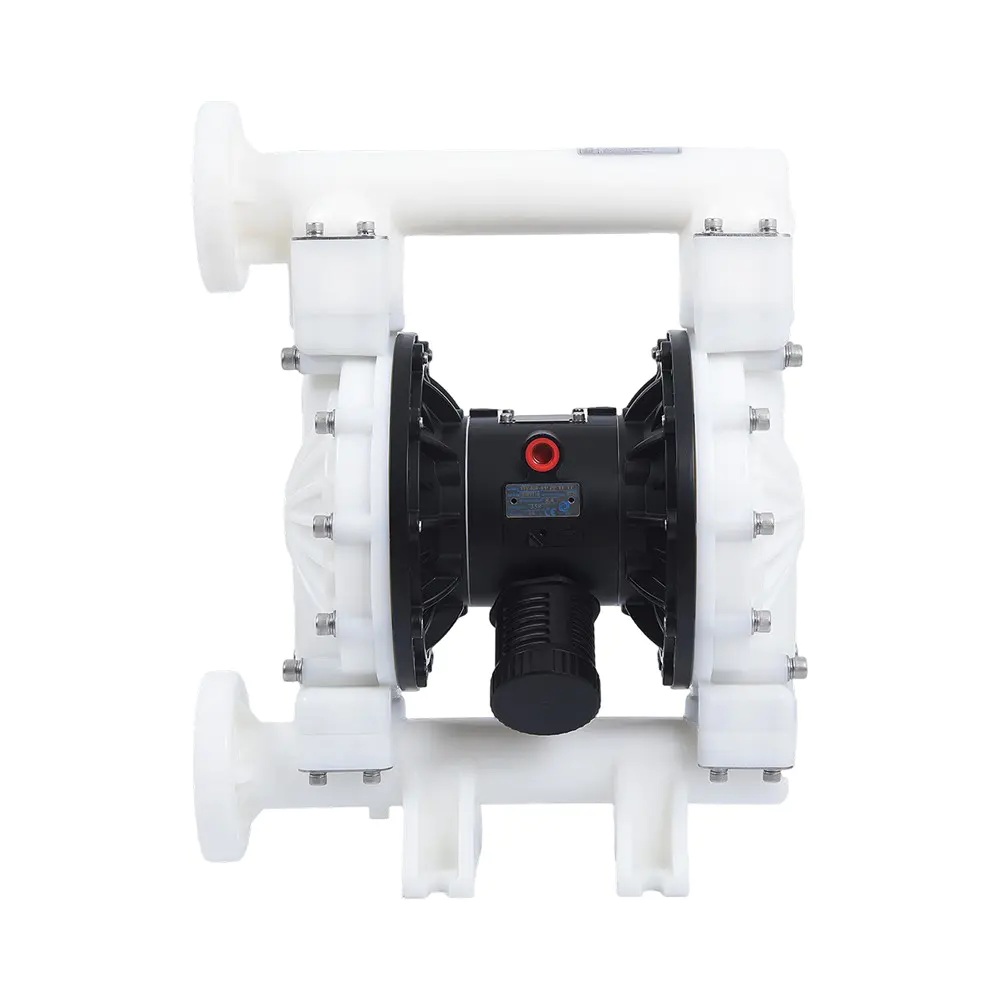
Fluid inlet/outlet size 1.5" Air inlet size 1/2" Max suction lift Dry:...
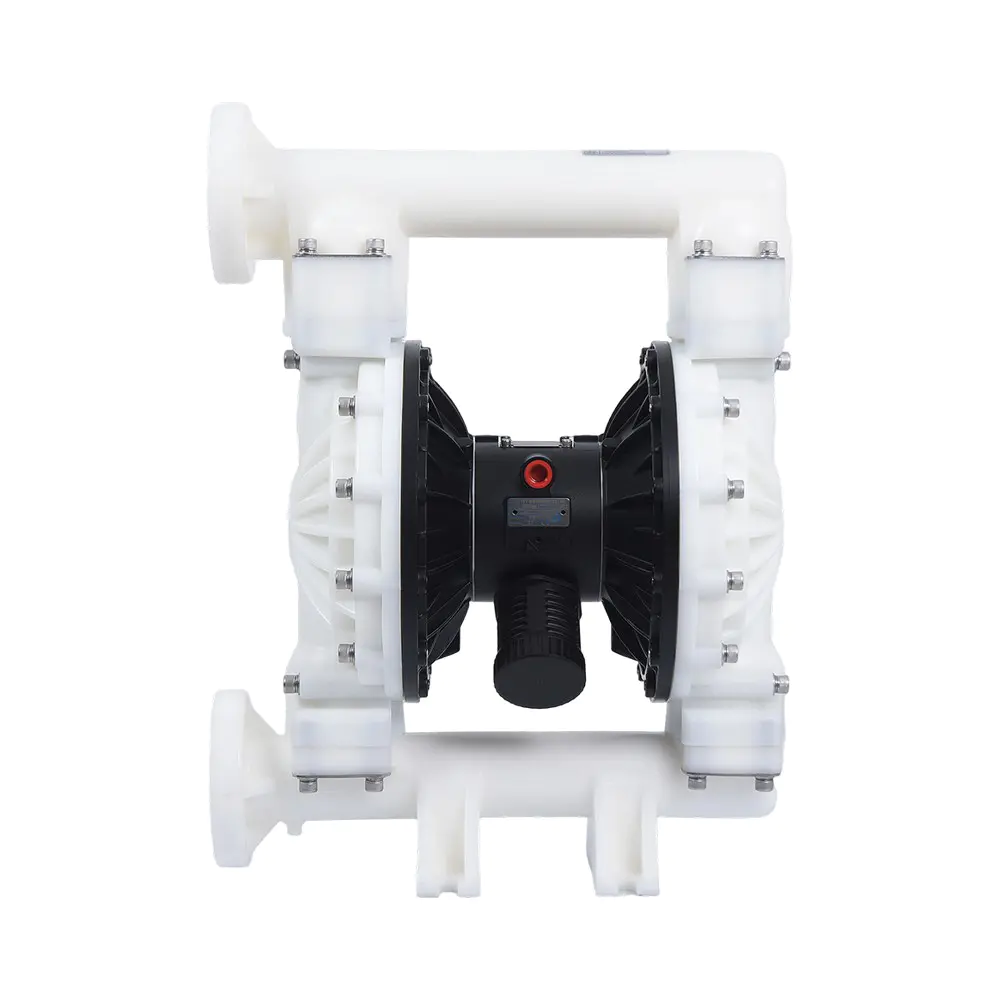
Fluid inlet/outlet size 2" Air inlet size 1/2" Max suction lift Dry: 5...
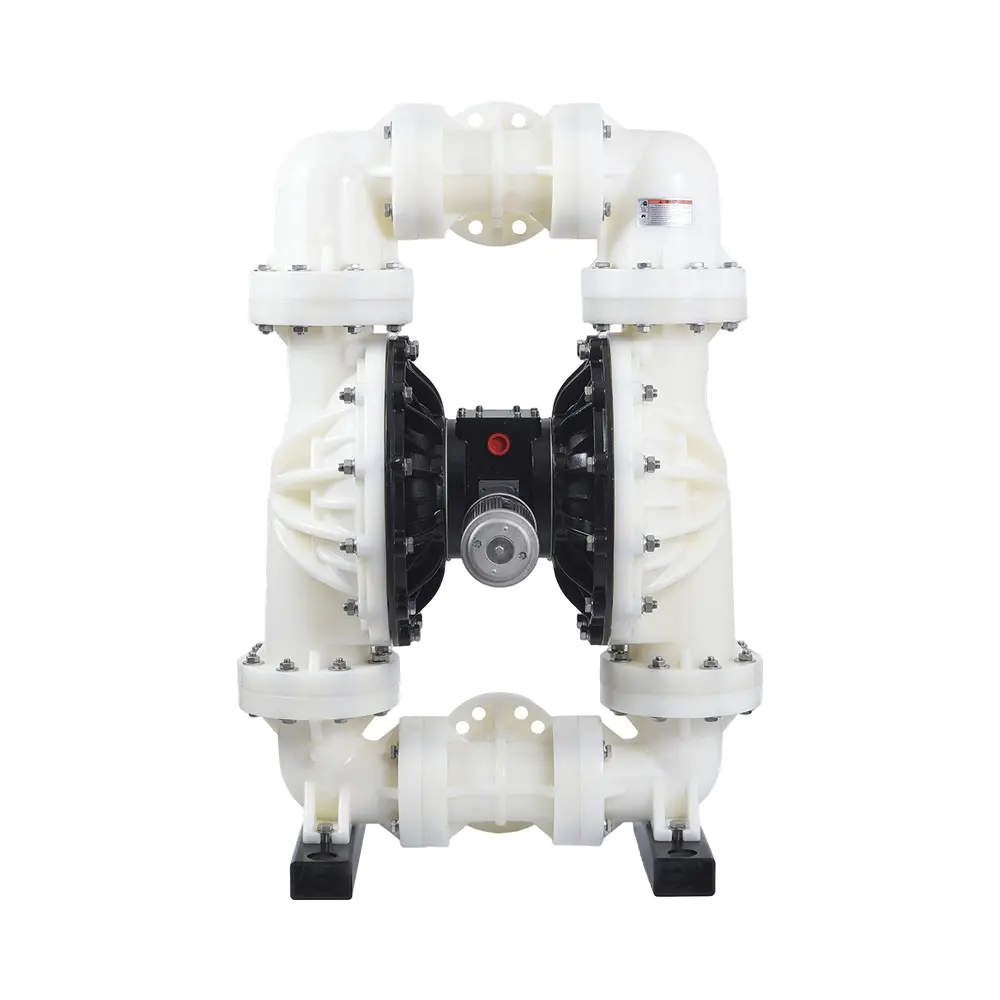
Fluid inlet/outlet size 3" Air inlet size 3/4" Max suction lift Dry: 5...
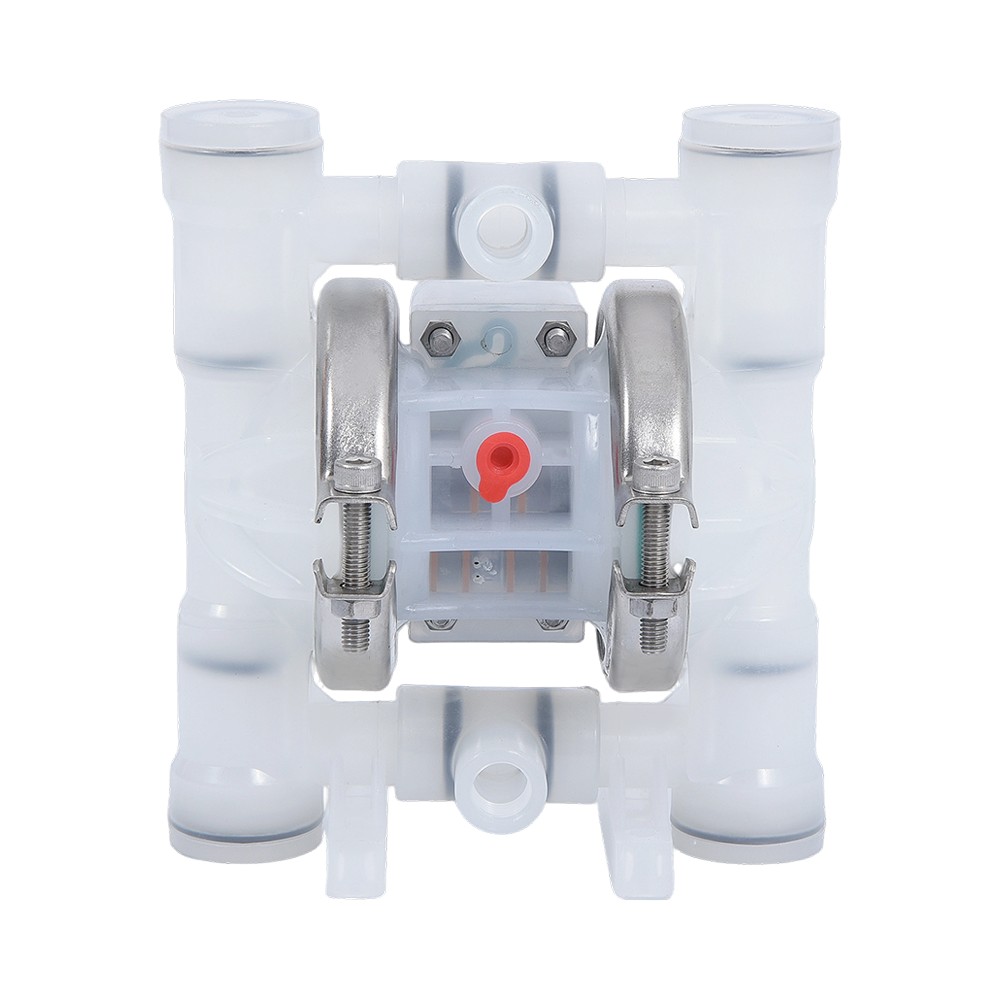
Fluid inlet/outlet size 1/4" Air inlet size 1/8" Max suction lift Dry:...
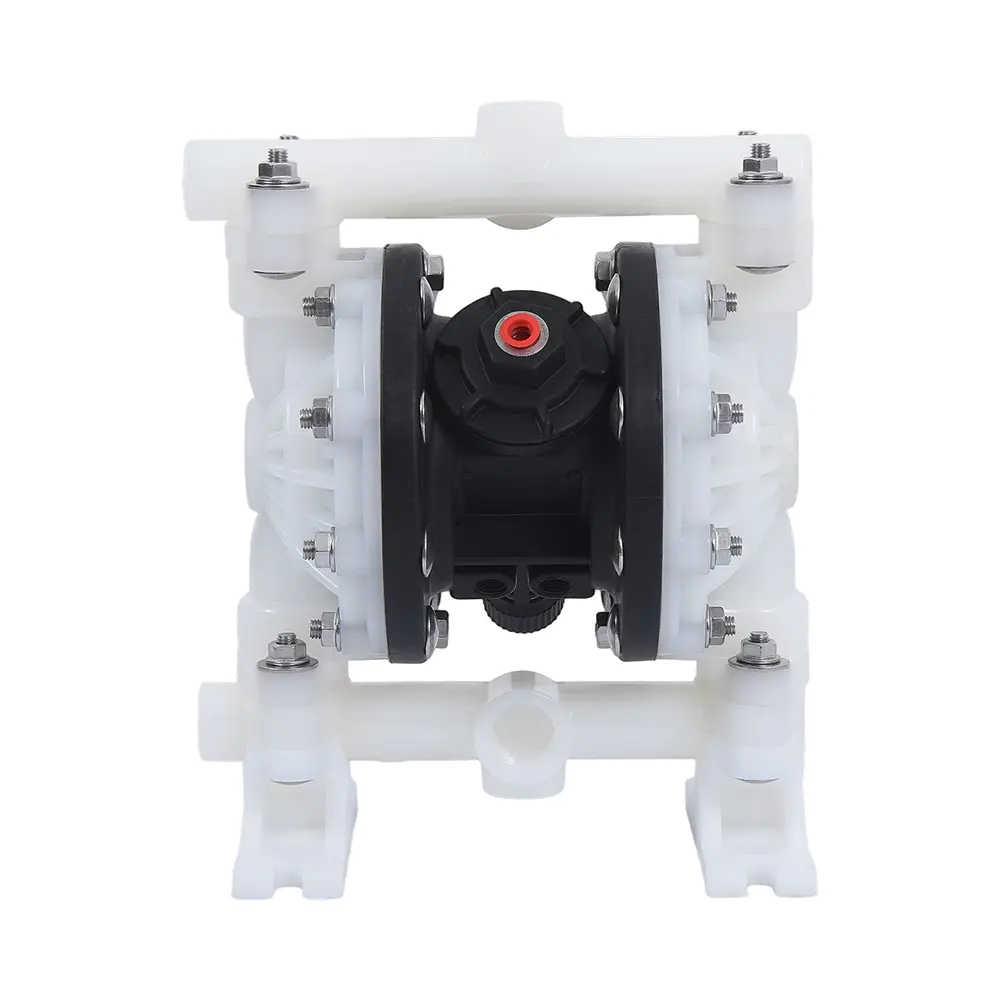
Fluid inlet/outlet size 1/2",3/4" Air inlet size 1/4" Max suction lift ...
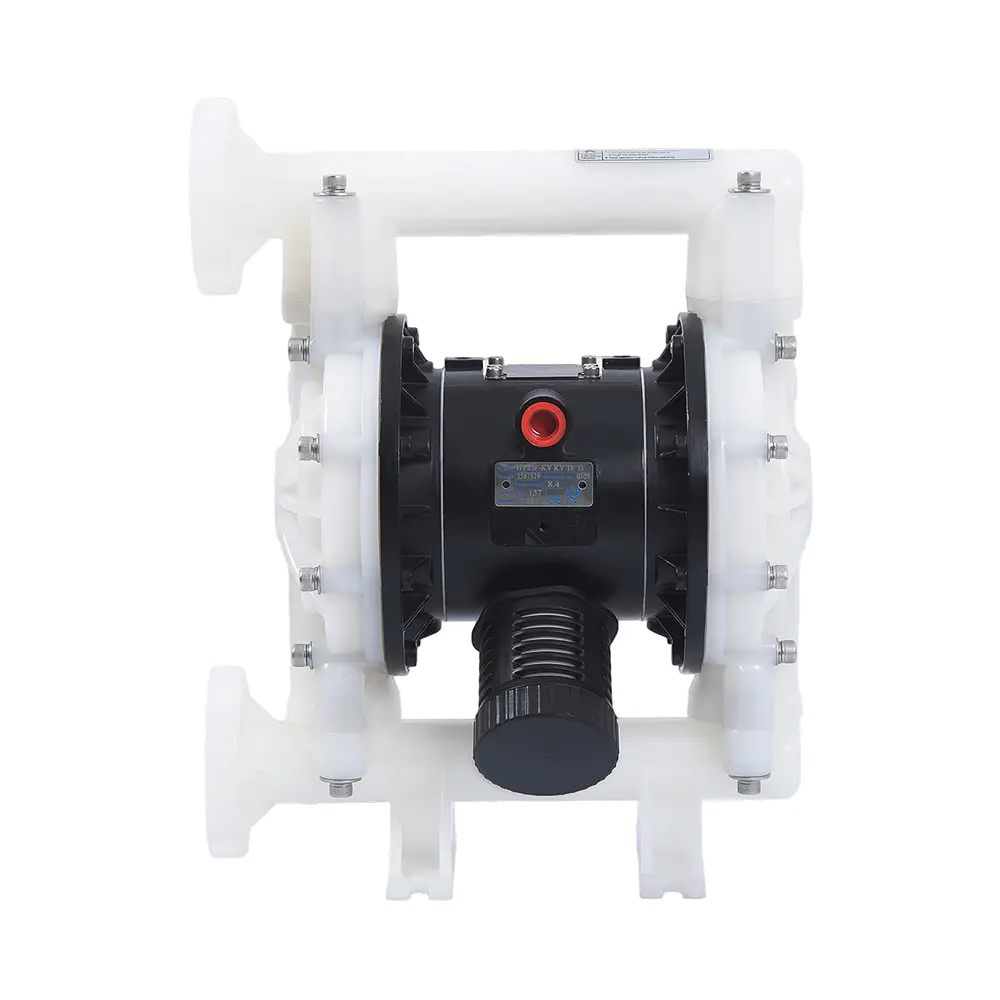
Fluid inlet/outlet size 1" Air inlet size 1/2" Max suction lift Dry: 4...
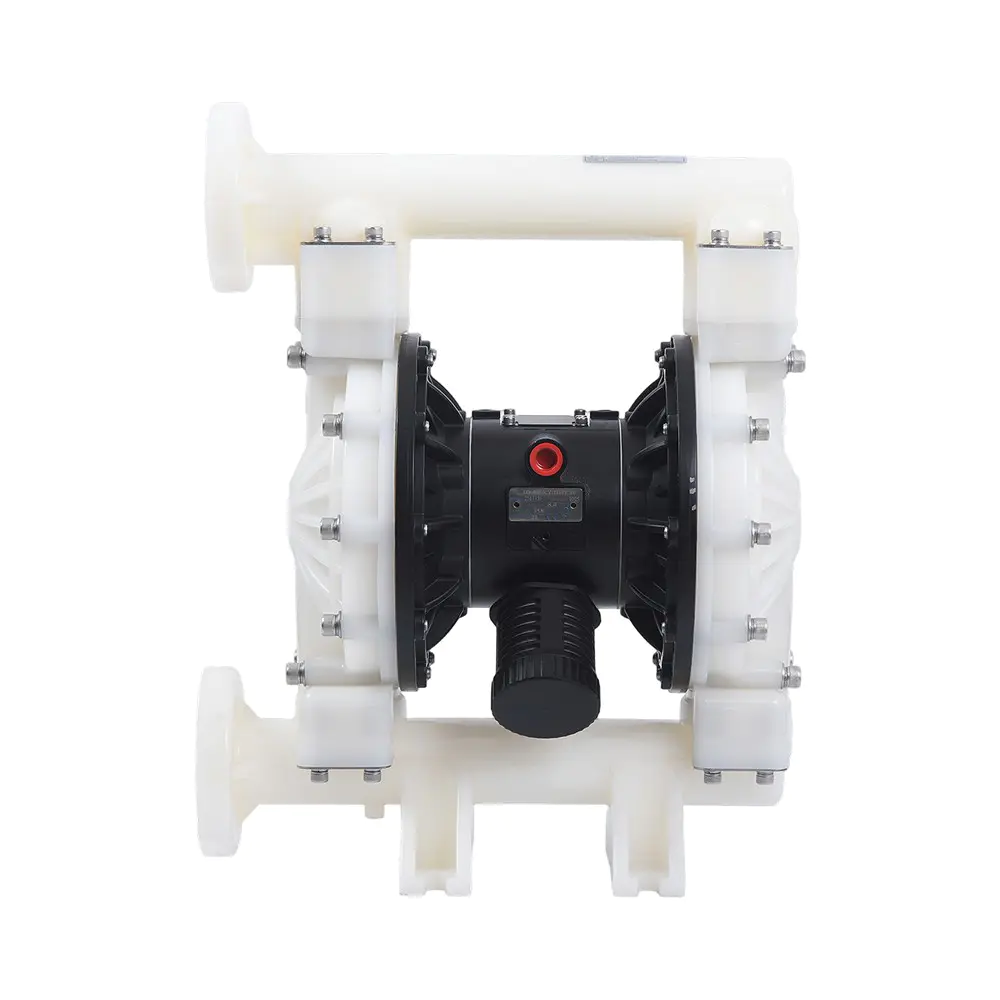
Fluid inlet/outlet size 1.5" Air inlet size 1/2" Max suction lift Dry ...
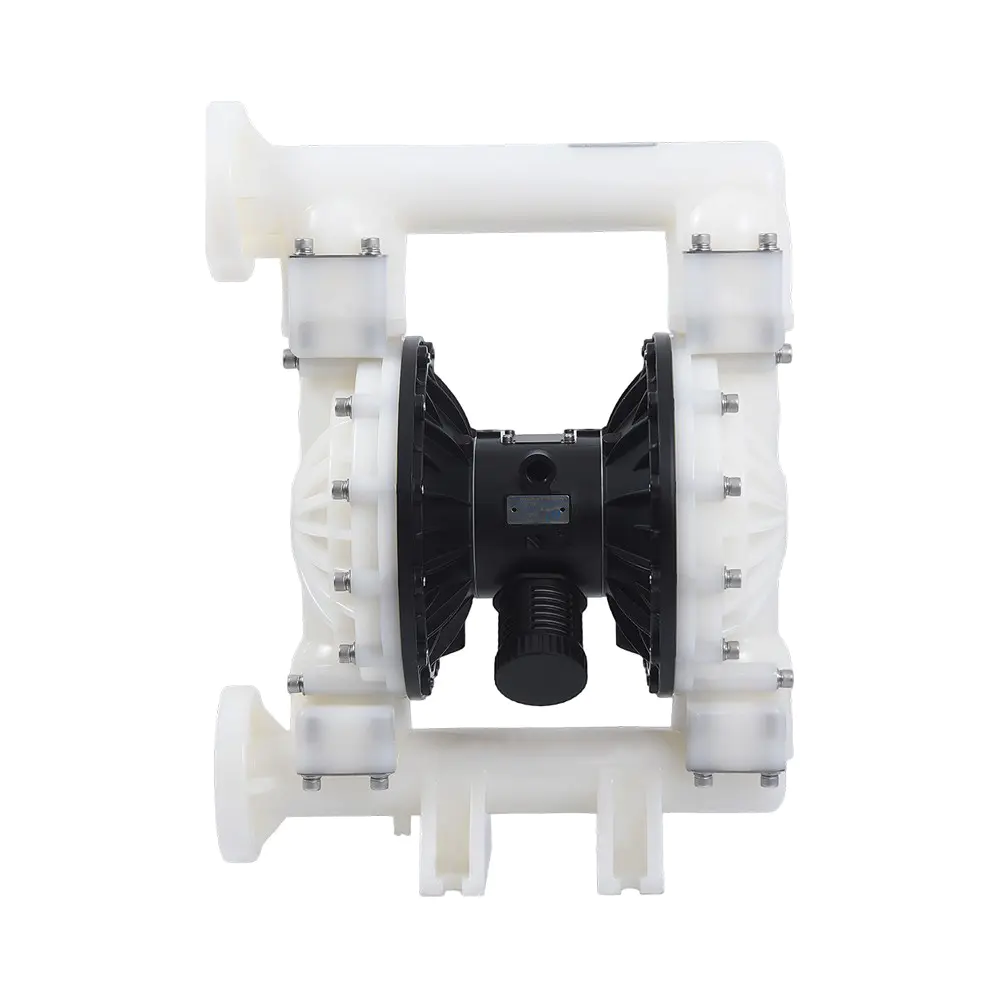
Fluid inlet/outlet size 2" Air inlet size 1/2" Max suction lift Dry: 5...
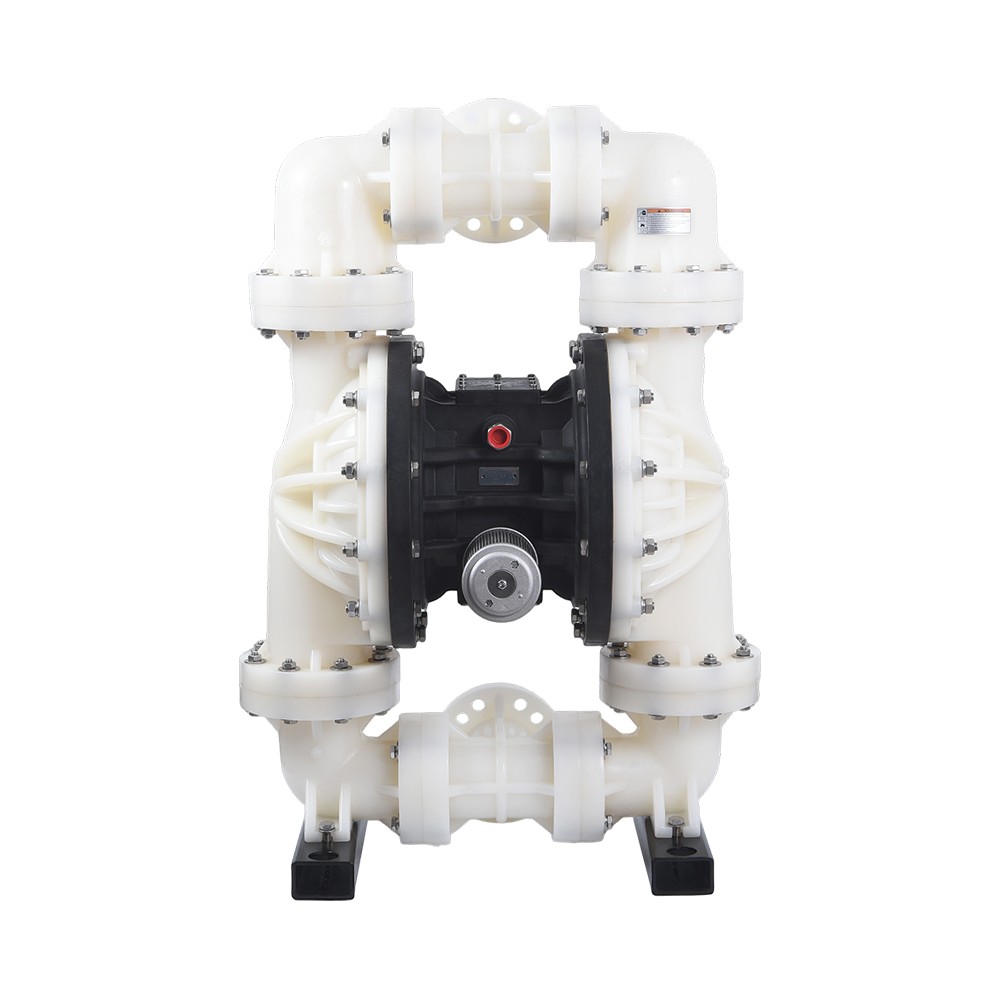
Fluid inlet/outlet size 3" Air inlet size 3/4" Max suction lift Dry: 5...
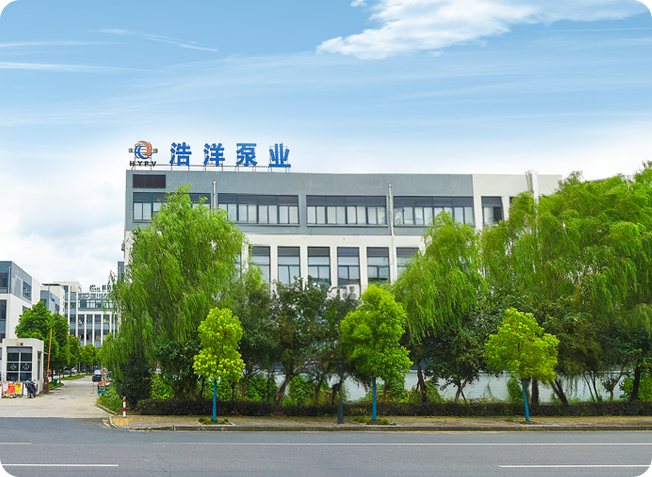

Production Base Area
Export Country
Technical staff
Project Case
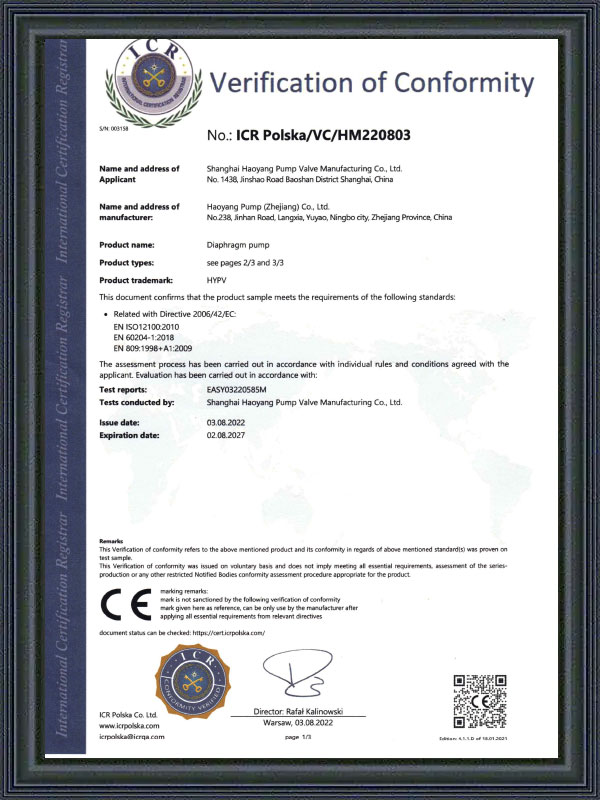
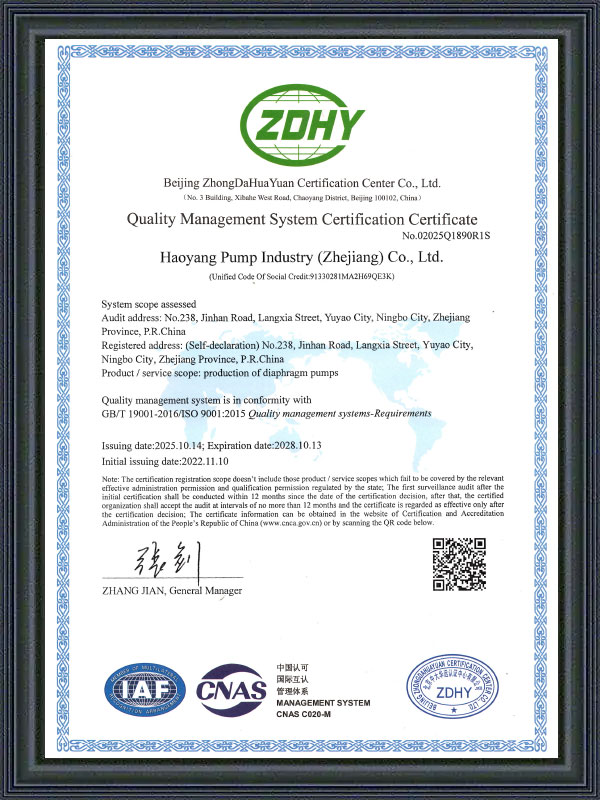
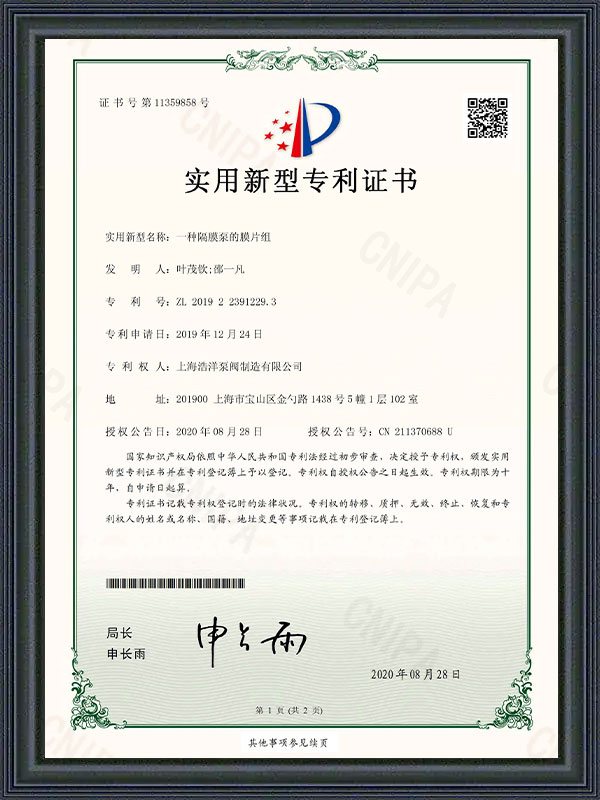
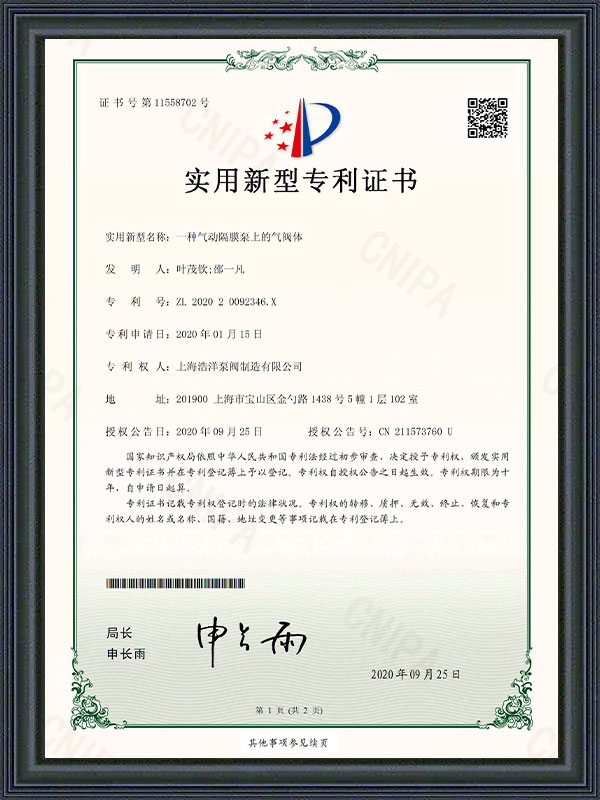
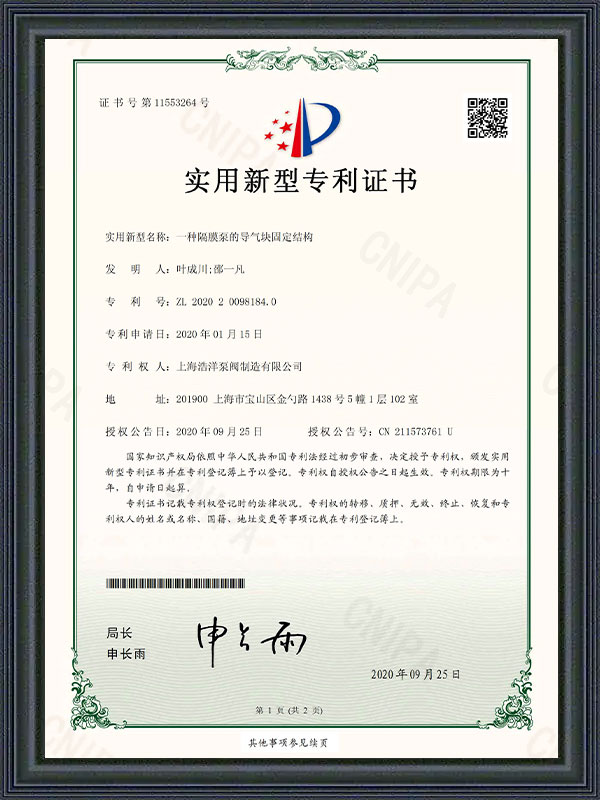
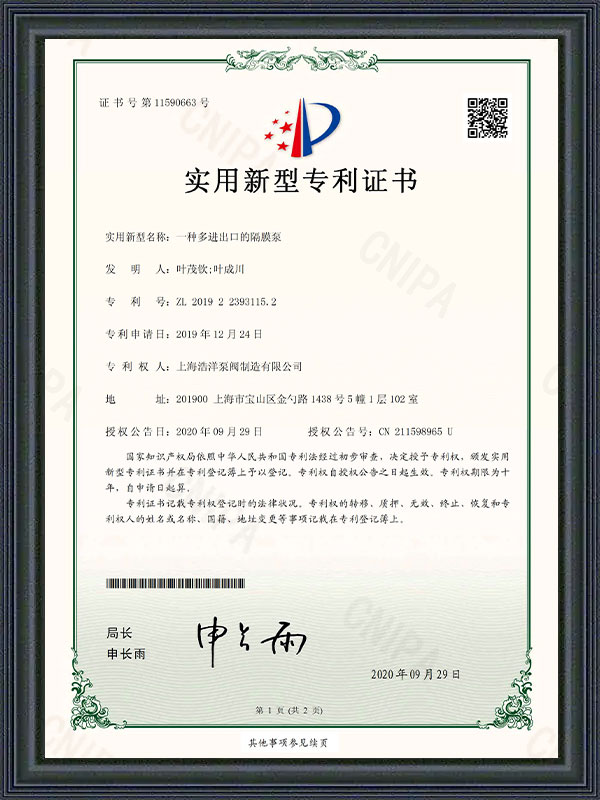
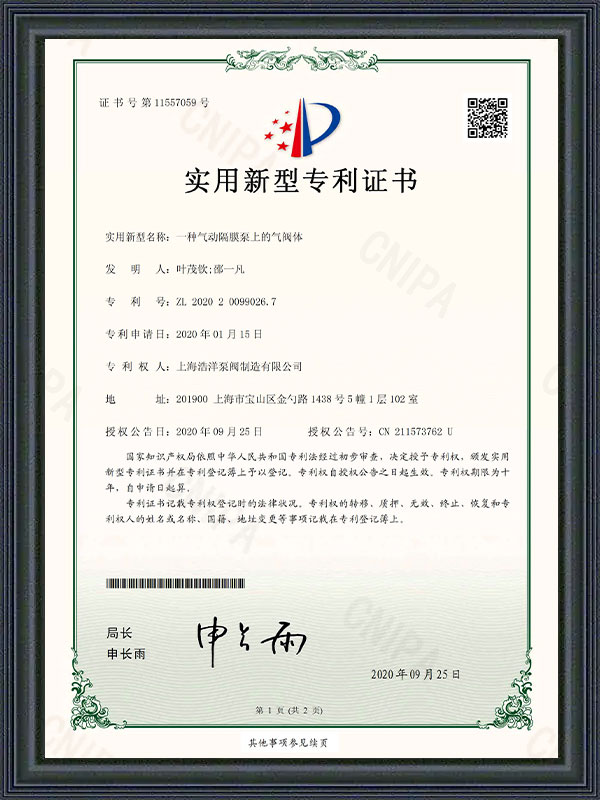
A diaphragm pump diagram is a cross-section illustration that shows every internal part of the pump and how those parts work together to move fluid. A diaphragm pump is a positive-displacement pump that uses a flexible membrane, called the diaphragm, to alternately expand and contract a chamber, c...

Run a hydraulically actuated diaphragm pump against a closed discharge valve and the pressure gauge will keep climbing: past the normal working pressure, past the pump's rated pressure, and straight toward the burst rating of the diaphragm. That is why the hydraulic diaphragm pump is the type of d...
If your process involves transferring sludge, abrasive slurries, viscous fluids, or shear-sensitive liquids, an air operated double diaphragm pump (AODD pump) is likely one of the most practical solutions available. Unlike centrifugal pumps that rely on rotating impellers, an AODD pump uses compres...
A Pneumatic Diaphragm Pump (also known as an Air-Operated Double Diaphragm pump) is a type of positive displacement pump that uses compressed air as its power source. By utilizing two flexible membranes (diaphragms) that move back and forth, it creates a temporary chamber that both suctions and expels fluid. This seal-less design makes the Pneumatic Diaphragm Pump an industry favorite for handling abrasive, shear-sensitive, or highly viscous fluids. Shanghai Haoyang Pump Valve Manufacturing Co., Ltd., a state-recognized "High and New Technology Enterprise," has refined this technology through the HY series, ensuring high stability and trouble-free operation for global industrial applications.
The operation relies on an air distribution valve that directs compressed air to the back of diaphragm A, pushing it forward to discharge liquid. Simultaneously, diaphragm B is pulled inward by the connecting rod, creating a vacuum to draw in new fluid. This reciprocal action allows the Pneumatic Diaphragm Pump to maintain a steady flow without the need for complex mechanical seals or motors.
| Feature | HY Pneumatic Diaphragm Pump | Centrifugal Pump | Progressive Cavity Pump |
|---|---|---|---|
| Self-Priming Ability | Excellent (Up to 7m) | Poor / None | Good |
| Dry Run Capability | Yes (Unlimited) | No (Will Damage Seal) | No |
| Solid Handling | Up to 9.4mm Solids | Very Limited | Moderate |
| Maintenance Cost | Low (Simple Modular Design) | Medium | High |
As an expert in fluid transportation, Shanghai Haoyang serves diverse industries with high-performance Pneumatic Diaphragm Pump solutions:
To ensure ISO 9001 quality standards are maintained throughout the pump's lifecycle, follow these maintenance tips:
A: Yes. One of the primary advantages of the HY series is its ability to dry run indefinitely without causing damage to internal components.
A: Depending on the model and air pressure, our pumps can handle viscosities up to 10,000 cps or more, provided the suction lines are sized correctly.
A: Material selection depends on chemical compatibility and temperature. We offer Santoprene, PTFE, and Buna-N. Our engineering team can provide a detailed compatibility chart upon request.

 +86-21-66769112
  [email protected]
 NO.1438 Jinshao Rd. Baoshan District Shanghai, China.
Copyright © 2025 Shanghai Haoyang Pump Valve Manufacturing Co., Ltd.
All Rights Reserved.



